

Vuelio Home – Conservative Party Conference 2017 – Speeches
Conservative Party Conference Speeches
∼ Day 4 ∼
Theresa May, Prime Minister
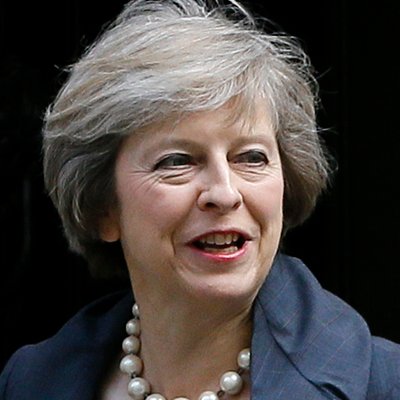
May’s speech was overshadowed by a series of unforeseen events: a protester handing her a P45 form, a cough, and a letter of the Conservative slogan behind her falling off the wall.
May made several significant policy announcements such as an opt-out organ donation system, a review of the mental health act and £2 billion towards building more houses. She also pledged to introduce a price cap on energy bills. She talked about the ‘British dream’ which every generation should have the possibility of living and spoke with confidence about a Brexit deal with the EU. She also listed various achievements of the Conservative Party and strongly defended free trade and the market economy.
Speech link: http://press.conservatives.com/post/166040158480/prime-minister-renewing-the-british-dream

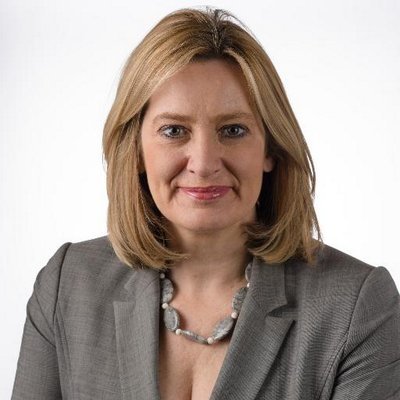 The speech by the Home Secretary focused on measures intended to keep the public safe and to keep those that protect the public safe. She spoke on internet companies needing to take a role in blocking material that would encourage acts of terrorism. A measure was also announced that if someone is found to be viewing terrorist material online they could face 15 years in prison. Rudd also banned the sale of acid to anyone who is the under the age of 18 due to the rise in acid attacks.
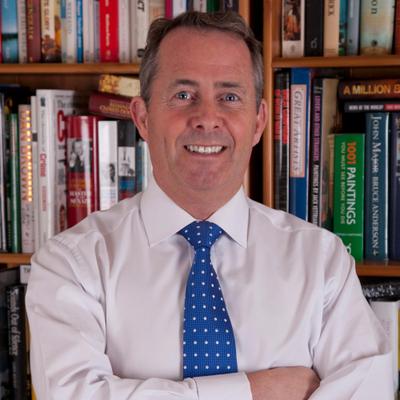 Liam Fox told the conference that for him the glass is not full enough when looking at the UK’s prospects for trade after Brexit. Fox told the conference that this Government has overseen the highest number of people in employment ever.
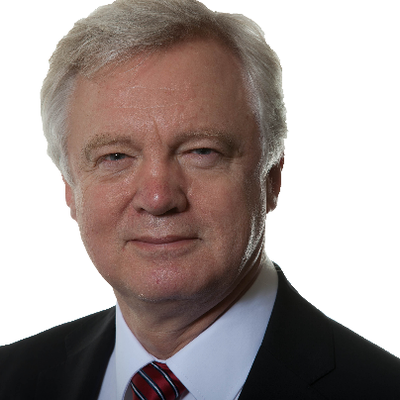 Davis wants to see people excited about the future of the country no matter the way people voted in the referendum. The Brexit Secretary reassured listeners by saying the Government is taking steps to ensure that the UK is protected no matter the outcome of negotiations. Davis presented a confident plan to step into the future and is confident the UK will be able to make a success of Brexit.
 During his speech, Jeremy Hunt made several pledges: a 25% increase in the number of nurses, more flexible working and first refusal for NHS staff on affordable homes built on NHS land. He argued that the problems of the NHS were not just financial. He warned of Corbyn and McDonnell’s ‘disastrous economic policies’, and that a ‘world-class economy’ was the necessary foundation of ‘world-class public services’.
 Priti Patel announced changes in the way budgets are awarded to the Department of International Development’s suppliers, in an attempt to put an end to a profiteering fake market. The reforms will include a new code of conduct, new powers for the DfID to inspect costs, fees, and profits, the ability to intervene where necessary, the publication of annual league tables of supplier performance and cutting red tape.
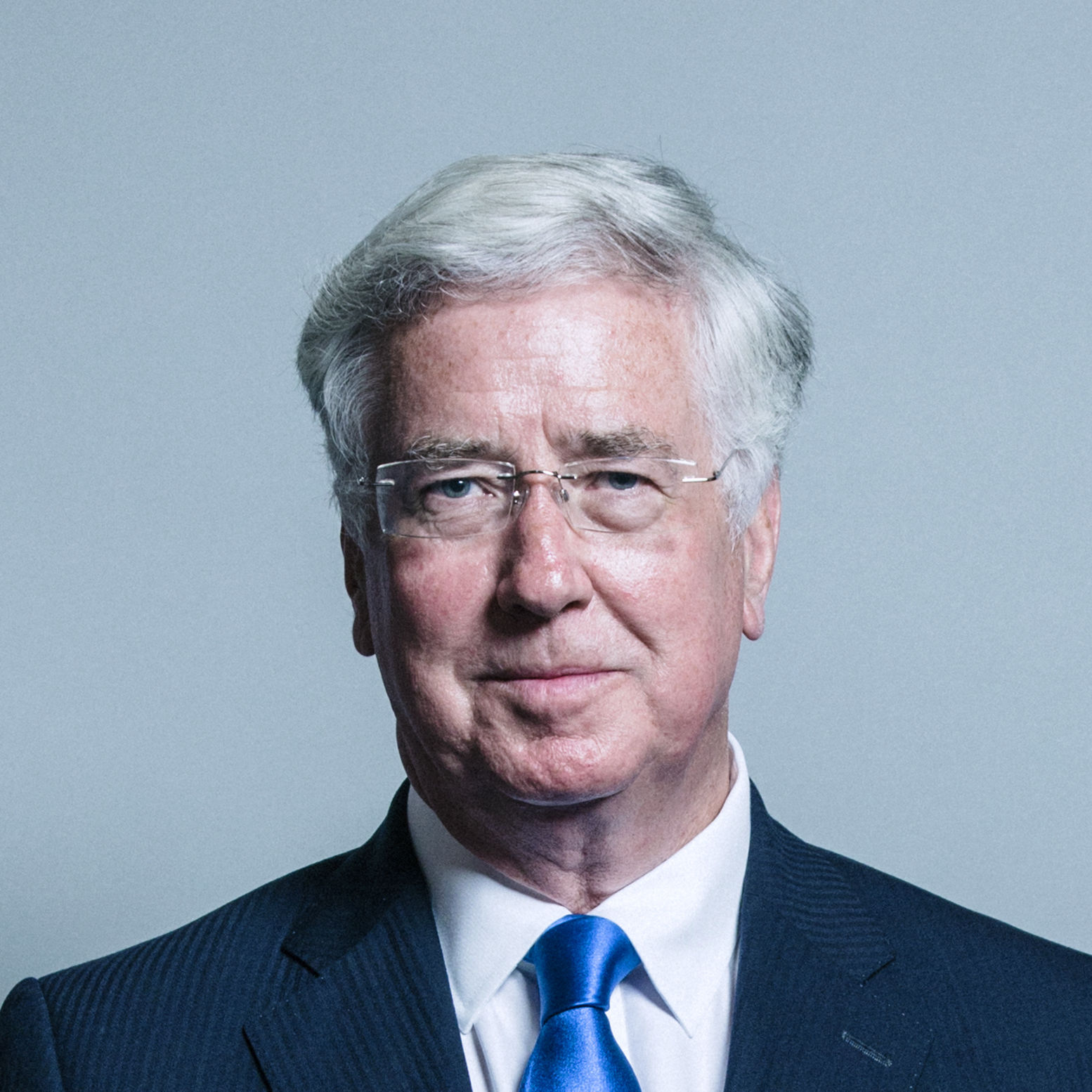 Michael Fallon listed current global threats: terrorism, Russian aggression, North Korea and cyber-attacks. Fallon spoke fondly of the UK-US relationship, describing the US as the UK’s greatest ally. He attacked Jeremy Corbyn’s defence policies and portrayed him as a threat to British security. Fallon pledged to spend £37 billion next year on defence and £18 billion a year in new equipment and announced the Government’s commitment to renewing nuclear deterrent. He urged for more diversity in the leadership of the armed forces and announced a new Ministerial Covenant and Veteran’s Board for servicemen and women. He also announced the shutting down of the Iraq Historic Allegations Tribunal and said that the investigation into the Northern Ireland troubles would focus on terrorists and not on ‘those who protected our people’.
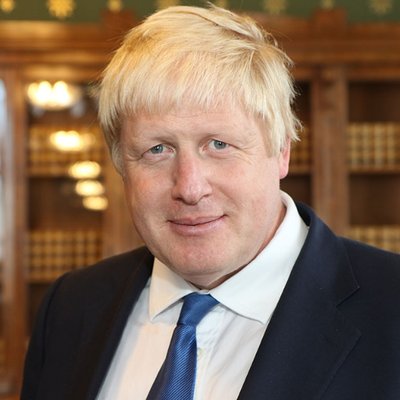 Boris Johnson spoke positively of the Commonwealth and announced a Commonwealth summit to make the most of the relationship. He criticised the current negative mood and fear-mongering surrounding the current situation of the UK, blaming Corbyn. He attacked Corbyn’s socialist policies, and in reference to Bolivarian socialism, he called Corbyn ‘Caracas’. Boris spoke with a victorious, upbeat tone, referring to the Conservative win in the general election. He claimed that the Cabinet was united on the issues spoken about in Theresa May’s Florence speech. Johnson criticised Corbyn’s stance on Brexit, which according to him is confused and inconsistent. Johnson praised free markets and deregulation and stated that a thriving market economy is the only way to create the wealth needed to support the poorest and to finance a strong Government infrastructure.
 In her speech Karen Bradley said that the UK is great at bringing together both science and culture, Bradley spoke about how broadband coverage has increased massively since the Conservatives have been in office. She also spoke of the increase in the amount of people going to cultural sites such as museums and galleries and how this has gone up. Bradley committed the Government to ensuring that people in this country can make the most of the digital technology available to them.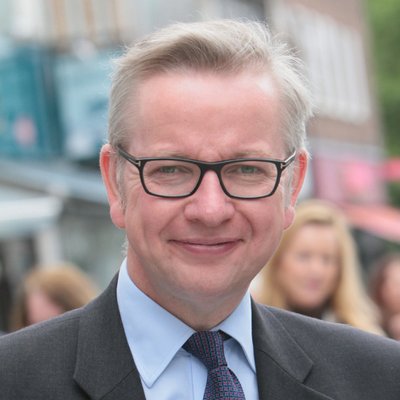
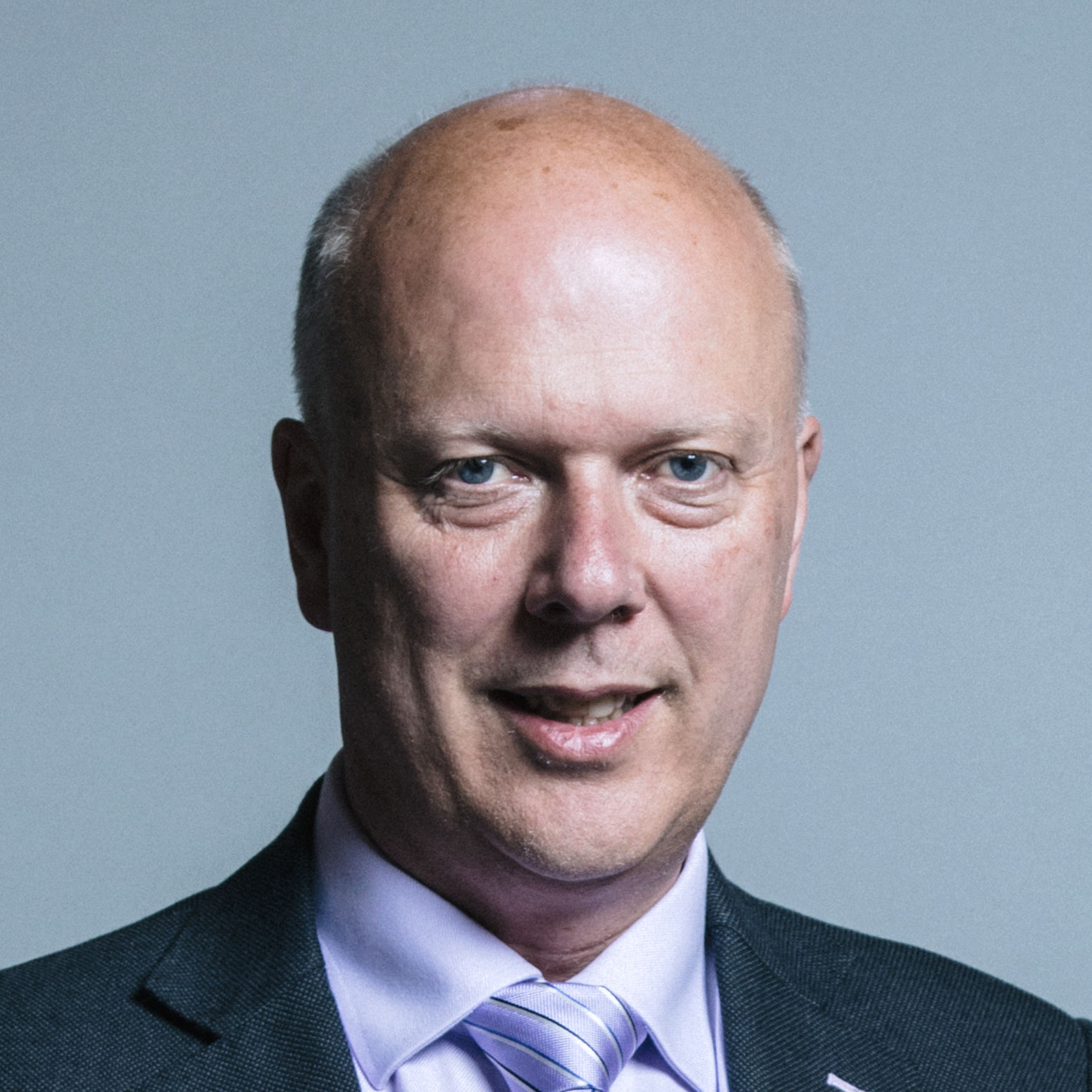

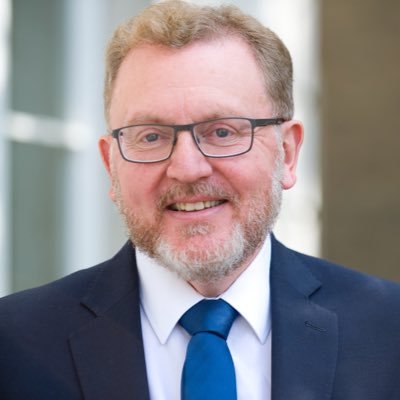
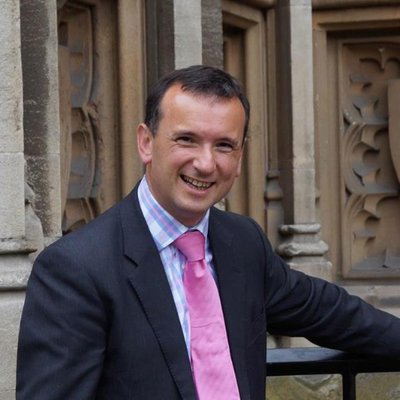 Cairns also focused on the importance of the union of the UK. He spoke of the distinct strengths of each part of the UK and of the importance of providing opportunities for everybody to benefit from a stronger economy and a fairer society.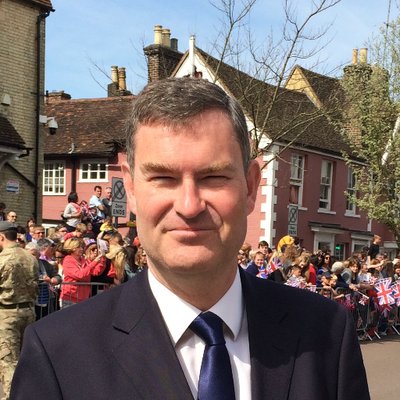
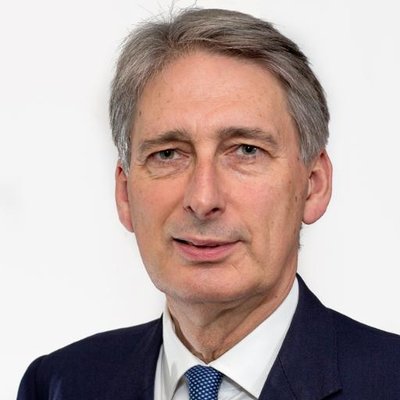 A large part of Hammond’s speech was spent criticising Jeremy Corbyn and the economic policies of the Labour Party. He spoke of the negative effects of socialism and nationalisation on the economy and warned that Corbyn would take Britain back to the 1970s. Hammond accused Corbyn of representing a ‘clear and present danger to our prosperity’ and compared his policies to the political regimes in place in Cuba, Zimbabwe and Venezuela.
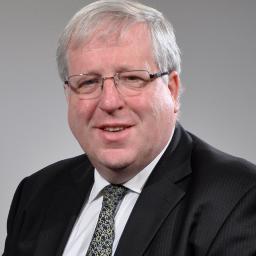 Conservative Party Chairman Sir Patrick McLoughlin opened the Conference on a positive note, speaking of ‘some remarkable results’ for the Conservatives in the last general election, above all ‘securing the union’ with Scotland. He defended the Government for its record on tax and employment.
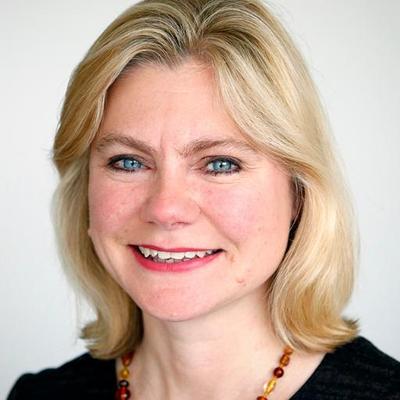 Justine Greening announced a series of measures aiming to support schools and increase teacher retention, such as a national network of English hubs concentrated around early language and literacy, a £6 million investment in maths hubs and £30 million for schools struggling with recruitment and retention.
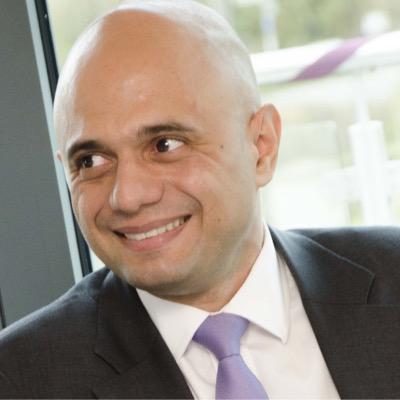 Sajid Javid also used his speech to announce new measures. He pledged to make it mandatory for landlords to be part of an ombudsman scheme, to regulate letting agents, to put in place incentives for landlords who offer longer term tenancies and to consider the case for a new housing court.
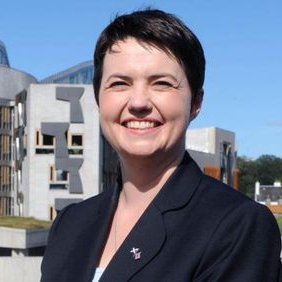 Ruth Davidson started her speech by warning of the possibility of a Labour victory and urged the Conservative Party to promote social mobility and ’embrace difference and debate’. Davidson went on to talk about the UK being too London-centric and suggested ways to address the imbalance such as industrial policy, and the relocation of government agencies outside London. Davidson spoke about devolution in relation to Brexit and warned of a ‘power surge’ that will hit the UK.
 James Brokenshire urged parties in Northern Ireland to see past their differences and restore the power-sharing executive.
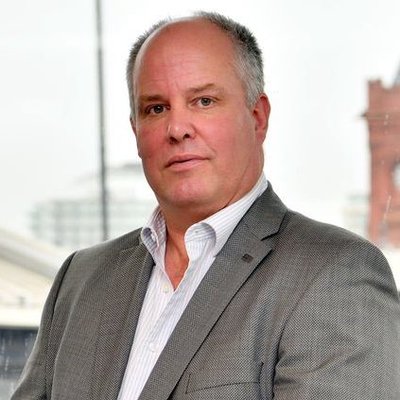 Andrew R T Davis praised Theresa May’s leadership and the steps taken by the Conservative Government to improve Government funding in Wales. He criticised Labour’s running of the Welsh Government in areas such as healthcare, education and housing and said that the Conservative Party had done far more for social mobility than the Labour Party ever had.