
Labour Milestones Review: Home-grown energy and net zero goals
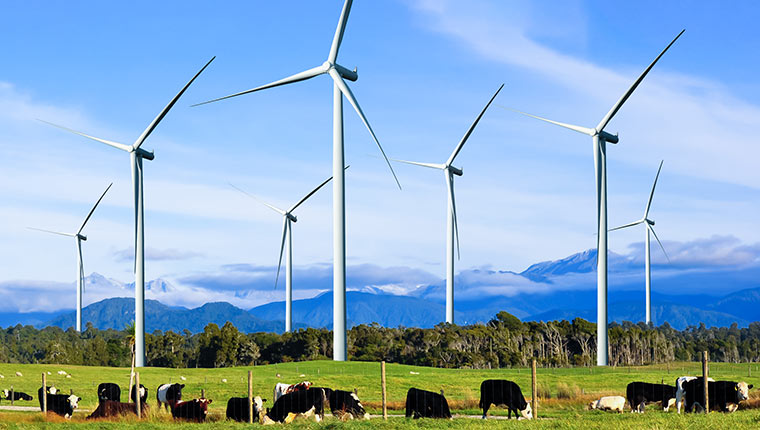
Labour came to power in July 2024 with a clear ambition: to make Britain a clean energy superpower. It promised that the benefits of this mission would be felt across all parts of the UK, from lower bills and protection from volatile fossil fuel markets, to the creation of jobs and greater investment and growth opportunities in British industries and industrial heartlands. Labour has insisted that its clean energy ambitions are achievable and has undertaken actions to change the face of the UK’s energy landscape already. However, confronted with an increasingly fractured consensus around net zero and an unstable geopolitical backdrop, achieving the clean power mission will be no small feat. So, one year on, how much progress has Labour made since its election?
Labour’s flagship target of clean power by 2030 is arguably one of its most ambitious. With 2030 just five years away, achieving the target will require radical reforms to the UK’s energy system, to be delivered at pace. Labour’s first few months in office saw the party hit the ground running. Within days of coming to power, the Government lifted the de facto ban on onshore wind introduced by the Conservatives in 2016, and announced a new partnership between the Crown Estate and Great British Energy, the Government’s publicly-owned energy company, to support the development of clean energy infrastructure. Last year also saw Labour deliver a record budget allocation for the next Contracts for Difference auction round, and the Government’s clean power delivery unit, Mission Control, published its Clean Power Action Plan, outlining the roadmap to 2030. Other significant milestones during Labour’s tenure have included the closure of the UK’s last coal-fired power station and Scotland’s only oil refinery, as well as the Government’s commitment of over £14bn to build the first nuclear power station in over three decades, Sizewell C.
However, these milestones, while historic, have not come without challenges, and have been beset with criticism from across the spectrum. The last year has seen a shift in the Conservative Party’s stance towards net zero, with its leader Kemi Badenoch now describing the net zero by 2050 target as ‘impossible’, and one that cannot be achieved ‘without a serious drop in [living standards].’ Reform UK has been equally as vocal in its opposition to the Government’s clean energy ambitions, arguing that ‘net stupid zero’ is ‘destroying’ jobs, and leading to higher energy bills and deindustrialisation in the UK.
A report from the Tony Blair Institute in April captured this breakdown in the political consensus around net zero, highlighting the ‘widening credibility gap’ at the heart of climate change policies and that the current climate debate is ‘broken.’ Despite this political noise around net zero, recent polling revealed that the public’s support of climate action is holding strong. However, with Brits currently paying some of the world’s highest electricity prices; an increasing loss of jobs in oil and gas industries; and the NIMBY argument looming large, Labour face a challenge in keeping the public onside as it moves full steam ahead towards net zero. The question remains whether the promise of lower energy bills and benefits for communities hosting clean energy infrastructure will be enough to garner support for the net zero transition, and whether the rise of the Reform party will derail the Government’s plans and steer the public towards a different path.
Looking ahead, Labour has a task on its hands to drive forward the momentum behind its clean energy mission, and ensure that the public, industry and investors are brought along with it. Will the UK become a clean energy superpower, or will Labour’s net zero policies, in the words of Badenoch, ‘bankrupt’ British industries and its people?
For more on how the Labour Government is delivering on its promises, read the Vuelio Political team’s take on housing, children’s wellbeing, the NHS, living standards, and policing.


Leave a Comment