
Media interview with Reach plc’s Executive Editor of the local democracy reporting service Rob Parsons
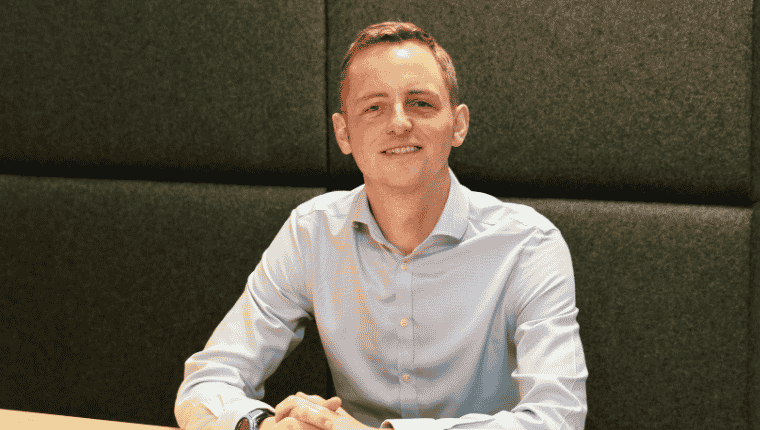
Political journalists, especially at a local level, are facing an increasing amount of challenges – from being denied entry to council meetings, to facing abuse online. Someone that has seen how the media industry has changed over the years is Rob Parsons, Reach plc‘s Executive Editor of the local democracy reporting service.
Rob started out as a reporter on The Sentinel in Stoke and moved into covering local politics back in 2017 as political editor at The Yorkshire Post. Since September 2025, he has been overseeing the local democracy reporting service at Reach plc and is responsible for promoting the work of the 83 journalists that work on the scheme.
We caught up with Rob to reflect on how the changing political landscape is affecting the work of local journalists, the importance of both podcasts and newsletters as a way to connect with audiences and what PRs and comms professionals should be aware of when trying to engage the media and get coverage.
How is the political landscape changing with the emergence of new media formats and social platforms, and how does this impact your work?
I’d say a major change in the past two decades is the decline in trust in big institutions (and in politicians more widely) as well as the huge increase in tribalism, much of which has been sped up by the rise in social media. A growing proportion of voters – though certainly not all – now get their news solely from partisan sources and aren’t exposed to anything that challenges their beliefs, making it harder to establish an uncontested truth about big issues that everyone can agree on.
So much more of political journalism now happens in the online world rather than face-to-face, whether it’s through WhatsApp becoming the primary tool of communication between journalists and their sources or politicians using platforms like X to cynically weaponise news stories for their own advantage. Sadly, a lot more journalists now face hostility for trying to do their job, particularly women, which is why Reach plc has recruited the industry’s first ever Online Safety Editor, Rebecca Whittington, to help guide and support our journalists to navigate the online world.
But despite all that, there remain lots of political journalists at local level doing what they’ve always done – diligently reporting on issues in their communities and trying their best to scrutinise the leaders who make important decisions.
That’s why I think the Local Democracy Reporting Service – which I help oversee in my role as executive editor at Reach Plc – provides such a vital service in holding to account elected politicians on councils and mayoral authorities up and down the country. The scheme is funded by the BBC, though individual LDRs are managed in local commercial newsrooms – many run by Reach plc like the Manchester Evening News – and its reporters approach their work with the aim of providing balanced, impartial coverage of the issues that matter locally.
Political podcasts are now incredibly influential – why do you think that is?
I’d say a large part of it comes down to trust, as per the previous answer. Despite rising concerns about news avoidance, there’s still a huge number of people looking to make sense of what’s happening in the world or domestically in a way they can trust.
Podcasts like The Rest Is Politics and The News Agents are trusted by listeners as they would a smart friend, bypassing the skepticism often applied to newspaper columnists or TV anchors.
And they’re available in a way that allows listeners to enjoy them at a time or setting that suits them, for example while on a run or while doing the dishes. That’s when I listen to most of my podcasts! And because they feature contributors who’ve spent their careers at the front line of UK politics they offer the allure of pulling back the curtain on how power actually works, free from the constraints of having to toe a party line or adhere to the strict broadcast impartiality rules that govern the BBC or Sky News.
One interesting side-note is that many of the most successful podcasts can reach an audience who don’t have the time or attention to listen to a whole episode, through judicious use of social media clips to highlight the most engaging sections. Funny or insightful clips from a particular podcast can do huge business on social media, which is great for boosting the name recognition of a product and hopefully encourage listeners to try the podcast on a more regular basis.
During your career, you’ve covered general news reporting, crime reporting and of course political reporting – how does the latter differ and what should PRs be aware of when reaching out?
I consider myself a bit unfortunate that I became a crime reporter in 2013, not long after the Leveson Inquiry into the ethics of the media, which resulted in police officers being much less willing to speak to journalists. I’d heard stories of detectives sharing exclusives with reporters at the pub, but because of the new climate where officers were reluctant to engage with the media without a press officer present, that happened a lot less often than I’d hoped! Generally police press offices try to keep as tight a lid on the flow of information as possible, though I was still able to develop my own sources for stories during my four years as Crime Correspondent for The Yorkshire Post.
Unfortunately, the breakdown of healthy relations between the media and police resulted in instances of damaging rumours and speculation emerging on particularly big stories, like the Nicola Bulley disappearance in Lancashire where an absence of information from the police created a vacuum exploited by bad faith actors and armchair detectives.
The political world, by contrast, is much more gossipy and any political journalist worth their salt will have a phone full of useful contacts who can tell them what’s going on. The challenge for a political journalist is trying to identify the most trustworthy sources and get a sense of why elected politicians would be motivated to tell you a particular piece of information.
It’s also much harder for press offices to control the way stories are told in the political world, which I think is why politicians often use social media to directly present their side of the story to the public and avoid scrutiny.
Previously you worked as Northern Agenda editor overseeing the daily newsletter, how important are newsletters in journalism as a way to reach audiences?
The great advantage of newsletters is similar to that of podcasts, they’re a trusted source of information and analysis that readers rely on to make sense of what’s going on in the world. It’s not always easy to earn a place in someone’s inbox with so many other emails vying for your attention, but if a newsletter can achieve trusted status because of the quality of the journalism it provides, it can build a loyal relationship between the reader and the journalist.
Reach has invested heavily in newsletters in recent years, including titles like The Northern Agenda, as a way of bypassing the volatility of platforms like Google or Facebook which in recent years have chosen to deprioritise news on their algorithms.
When editing The Northern Agenda, I put a particular effort into trying to make the newsletter personal – e.g. having the sender as ‘Rob Parsons’ and trying to make the writing very much in my own style – as there’s a lot of evidence that readers respond better to a product that is from a person they know and trust, rather than a brand.
There have been issues recently with journalists getting access to local councillors, how much of an impact does this have on LDRs doing their jobs and what changes can be made to fix this?
This issue isn’t entirely new. Back in 2022, Reach’s titles in Bristol rallied the wider journalistic community behind them when former Bristol Mayor, Marvin Rees, excluded two Reach-employed LDRs, Alex Seabrook and Adam Postans, from his fortnightly mayoral press briefings. The LDRs had challenged the mayor over the potential hypocrisy of flying 4,900 miles to Vancouver to deliver a 14-minute TED talk on climate change.
But a major challenge for local political reporters in 2026 is adapting to the new political reality where the old two or three-party system has now been replaced by a much more unpredictable and volatile climate, as the Green Party and Reform UK make massive gains. The emergence of Reform UK as a major political force has meant our LDRs are now increasingly dealing with councillors and council leaders with little experience of dealing with the media and who are hostile towards us, often refusing to engage or trying to delegitimise our reporting.
That trend became very evident in Nottinghamshire, where the Reform-run county council effectively banned the Nottingham Post and its Local Democracy Reporters from receiving press releases, attending events, and speaking with the council leader before later bowing to pressure and reversing the move. But it’s something we’re seeing examples of in a lot of town halls and will likely only increase as Reform gain a greater foothold on other authorities in upcoming local elections.
The approach of the Nottingham Post and its editor Natalie Fahy to the ban exemplified how best to respond in situations like this, robustly and vocally standing up for our right to report on public authorities without fear or favour while at the same time taking every possible step to build a working relationship with elected political leaders. I was reassured by the widespread support the Nottingham Post got from the wider media industry and also politicians from across the political spectrum, who recognise the important part an independent media play in our democratic process.
Get in touch with journalists covering UK politics via the Vuelio Media Database, and find out more about Vuelio’s solutions for Public Affairs here.


Leave a Comment