It’s no secret that the creative industries have a long-established problem with hiring and promoting fairly and this needs to change. Don’t see an issue? If you haven’t experienced this yourself, you may need to pay attention to who exactly is working around you and then consider just how representative your team is of the wider society we serve.
You can take the time to consider the backgrounds the people you work with have come from. You can check out the data on the make-up of the PR industry, where 74% identify as white British (according to the 2021 PRCA Census). As Hotwire Global’s senior account director Natasha Gay warns – ‘We can’t yet consign to history the idea PR is only for young, white women’.
‘The good news is change is happening and progress is being made,’ says Melissa Lawrence, chief executive at the Taylor Bennett Foundation, which works to improve ethnic diversity in PR and comms. While initiatives like the Foundation, PRCA’s Race & Ethnicity Equity Board (REEB), the Social Mobility Foundation, Socially Mobile and A Leader Like Me are leading the change, organisations themselves have work to do.
‘The argument of not being able to find qualified Black candidates just doesn’t hold up in 2022,’ says Career Masterclass founder and CEO Bukola Adisa, who works to enable the progression of ethnically diverse professionals. ‘There are a plethora of resources available, from specialist talent sourcing organisations to AI solutions that are designed to help organisations to overcome individual and organisational biases in the recruitment process.’
The path to success starts with full understanding of what you’re up against, says Dr Femi Olu-Lafe, senior vice president, global inclusion at Kinesso: ‘The companies that have made the most meaningful progress took the time to firstly understand their current state and set a clear vision for the future state, before seeking input (internally and externally) about what was needed to make meaningful change. They also committed to short- and long-term goals on paper by building a roadmap with the steps to get there.’
We can’t find the talent – where should we be looking?
For a start, expand your aim.
‘Build strong partnerships with organisations and universities that have connections with people from historically excluded communities. When possible, this should be a two-way beneficial relationship; rather than companies just recruiting, companies could consider how they could also invest in the growth of these organisations, universities and communities,’ says Dr Femi.
‘And building your brand as a company that candidates seek out. Candidates want an inclusive culture where they can thrive. Being transparent about the long-term mission and short-term steps to get there will help enhance your credibility.’
‘Companies should be looking at a diverse range of places to advertise their roles, and attract talent,’ adds Melissa. ‘They can also engage with organisations who are actively working with the people they are trying to attract.’
And on the subject of such organisations…
Which initiatives can help with recruiting fairly?
‘Let’s start with the Taylor Bennett Foundation!’ says its chief exec Melissa.
‘We work really hard to engage people from ethnically diverse backgrounds at all levels. Our programmes are always oversubscribed and what we need are more opportunities for our candidate network to apply to. There are lots of other positive action initiatives out there, recruiters need to do a bit of work to find the right one for them.’
Bukola is also ready to connect businesses with talent: ‘Through our global community of professionals and access to our wide network of Black talent, at Career Masterclass, we are able to support organisations who want to recruit from a wide pipeline of diverse talent through our recruitment solutions including jobs board, executive searches and targeted outreach to our community and network.’
But before bringing in the experts, you may need to convince your hierarchy higher-ups that there is a problem that needs fixing…
How do I speak to my Board about this?
‘The tone from the top is critical to successfully building a diverse and inclusive culture in the workplace,’ says Bukola. ‘HR teams have to invest time in educating the board and senior management team on why diversity is not a ‘nice to have’ and how it is pivotal to building a sustainable and successful business as multiple studies have shown that diversity impacts businesses positively and contributes to the bottom line.’
‘There is so much information available on how important the contribution of diverse talent is to an organisation,’ says Melissa at Taylor Bennett.
‘There are multiple reports from the likes of McKinsey, Business in the Community and the PR/Comms industry bodies that highlight the moral, business and financial case that hiring managers can draw resources from to make their case to their boards.’
Some board members may need a short history lesson/update on how that impacts the present, warns Dr Femi:
‘Increase the awareness of those with the power to make decisions about what led us to where we are now (i.e. sharing context on the historical exclusion of some groups of individuals) and the current inequities that exist.
‘It’s also important to place emphasis on the benefits (e.g. increased employee engagement and retention, enhanced innovation, better understanding of customer base, stronger business results) and risks of not focusing on diversity and inclusion (e.g. gaps in decision making, clients and customers are being proactive about holding companies accountable around diversity and inclusion, lagging competitors).
Who is already doing recruitment right?
Melissa recommends TUC – ‘Antonia Bance, head of campaigns, communications and digital trade wrote a blog for the Taylor Bennett Foundation last year titled ‘Making your communications and PR recruitment more inclusive‘. In the blog she included six points on what she thought worked well from the attraction to conclusion stage – it’s a great read’.
Recruiting to put together fully representative teams is just the start of the journey for PR and comms – creating an environment where everyone feels safe and supported to do their best work is just as important.
‘Companies need to create an environment where people feel supported and encouraged to thrive,’ advises Melissa.
‘I personally feel an organisation that actively promotes equity and inclusion will ensure their team feels welcome, valued and safe in their roles.’
And if this all wasn’t enough to encourage you to ensure your recruitment processes are fair, it turns out that diverse and supported teams are better for everybody across a business, including their customers. Final word from Bukola:
‘A plethora of studies speak to the benefits of diversity for organisations. A 2017 McKinsey Study used a data set of 1,000 companies to determine that profitability and long-term valuation increased dramatically when teams were diverse. Diversity in People Management also advances better decisions: according to a study, researchers found that diverse teams outperformed individual decision-makers in making a business decision up to 87% of the time.
‘Diversity leads to a variety of perspectives, greater creativity, confidence in the team, fortifies loyalty, draws in talent, and even improves productivity. Diversity breeds innovation, and innovation breeds success. When leaders actively champion diversity in the workplace, the benefits become far-reaching, impacting not just employee engagement and satisfaction, but also the company’s bottom line’.
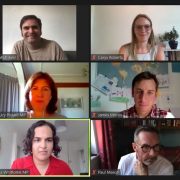
For more on building diversity into your team, watch our accessmatters sessions with Taylor Bennett Foundation’s Melissa Lawrence as well as the Social Mobility Foundation’s Sarah Atkinson and Proud FT’s Cassius Naylor.