
7 reasons to use digital PR
As Google and other search engines get smarter, your marketing strategy needs to as well. Getting your content in front of the right audiences is now more difficult than ever with the saturation of web content and the growing number of businesses who have wised-up to SEO best practices.
Luckily, digital PR can help you cut through the clutter. This guest post from Ad-Rank explains how to get the most out of digital PR.
Why you need digital PR in your plan
With over 51% of people consuming their news online via social media, if you haven’t yet implemented digital PR, it’s time to start making it an essential ingredient of your marketing campaigns. Below are just some of the reasons why:
1. Digital PR is measurable
Unlike traditional PR, where readership and television viewers are based on average readers per month and potential audience, digital PR campaigns result in precise measurements.
Where it used to be difficult, today it’s a lot easier to gauge the number of viewers who actually saw a feature or engaged with it. Digital PR campaigns allow you to track everything – from who saw your content to which device they viewed it from. You can see exactly what demographic group your readers fit into and what time of day is more effective, even which links on the page got you the most interaction.
2. Build easily accessible network
Email, online communities and platforms such as Vuelio have replaced what used to be a file of business cards, making outreach and responses easy to measure. While similar to the relationships built via traditional PR campaigns, the beauty of digital relationships lies in the online interactions that can keep your content relevant.
For instance, when a news outlet publishes your online press release on their website, you can tweet a thanks to the writer on Twitter, or send an email thanking them for coverage. This strengthens your relationship and gives you a go-to for your next article.
3. Wider reach
Social media marketers have always understood the value of a share on Facebook or a retweet on Twitter, and a good digital PR campaign needs to exploit this powerful influence as well. When an interesting press release or campaign reaches users on social media, the reach of that campaign can spread like wildfire and get in front of an audience you would never reach simply using traditional mediums.
4. Fuel SEO with backlinks
A key component of digital PR is the value it brings to your business’ SEO goals. When you create an interesting campaign, bloggers and online journalists pick it up, post it on their sites and create powerful links back to the source – you.
Google has long touted the importance of a good link profile, and digital PR directly supports the building of high quality external sources linking to your website as your content is shared and cited on their sites.
5. Build brand awareness
Two aspects of digital PR – wider reach and SEO boosting – combine to also enhance brand awareness. As your campaign is shared and viewed, more and more people learn about your brand’s products or services. The value is two-fold, because as they learn about your brand, they may also research your offerings, giving you visibility in Google and helping you rank higher in search results.
6. Create bespoke content for your audience
Personalisation and customisation are essential to reaching today’s audiences, and with a digital PR campaign, you can do just that. The trick is to restructure your content based on the needs and demographics of the users who will view it from a specific source.
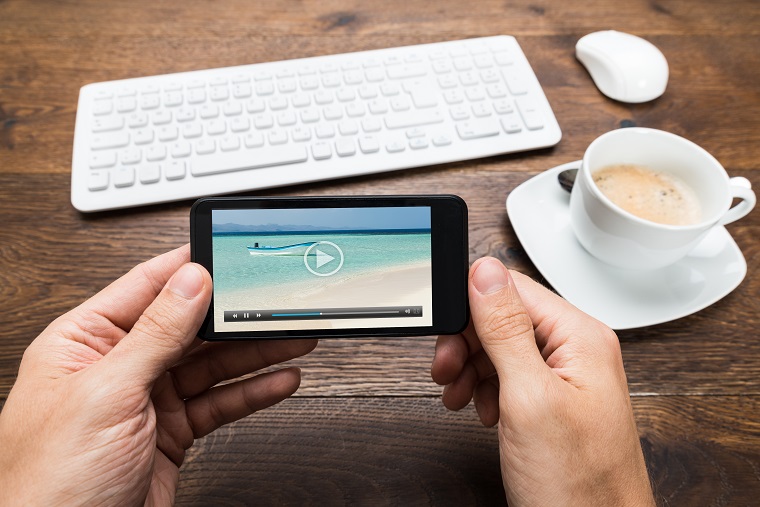
For instance, you can write a formal press release for use in online news publications, but create a fun infographic of the same information to share on Twitter and a sleek video to post on Facebook.
7. Maximise investment in content
Finally, and perhaps most importantly, digital PR helps you maximise your budget. Paid advertising on social media and Google are cheaper to implement and have higher potential reach than a print or television version of the same content.
Plus, the beauty of digital PR is that online content can be used in many mediums, and once created, the cost of sharing it is virtually nothing after it gains traction.
Adding digital PR to your repertoire
Effective digital PR begins with a strong strategy. With the right plan, and people ready to implement your new tactics, you can relish in your newfound digital successes and increase your online presence.
[testimonial_view id=6]




















 Are you doing all you can with media monitoring?