Weekly Economy Summary

COVID-19: Weekly Economy Summary – 29 April

The Economy Summary is part of our Weekly COVID-19 Bulletin, sent every Thursday. You can sign up to receive your copy here.

Economic outlook 

Independent, business-led coalition which aims to provide ‘new ideas to ensure that the UK emerges from the pandemic a stronger and fairer economy’ published its final findings. The report, ‘Ambition 2030’: A Partnership for Growth, argues that the pandemic has had a bigger impact on the UK economy than any event in the last 300 years, and sets out policy recommendations including the creation of at least one new globally competitive industry cluster in every part of the UK by 2030, a commitment to develop a Great British Supply Chain, a ‘Help to Train’ scheme to assist in halving the projected skills gap by 2030, a detailed plan for the decarbonisation of homes over the next fifteen years and the creation of a new Community Infrastructure Endowment Fund to match-fund business investment in communities and the introduction of a Wellbeing at Work Guarantee. 

Despite this hit, the UK economy is expected to grow even faster than that of the United States this year due to the vaccine programme delivering the speediest recovery since the Second World War, according to a forecast from Goldman Sachs. The forecast says British GDP is predicted to grow by 7.8% this year, while the US will see only a 7.2% growth. Meanwhile, economists at Consensus Economics expect the UK economy to grow by 5.4% this year, compared to the 4.2% expected in February. 

Similarly, the Bank of England’s deputy governor Ben Broadbent has said that the UK’s economy will see “very rapid growth” over the next couple of quarters, driven by an increase in consumer spending after lockdown. According to the BoE’s forecasts, people will spend about 5.0% of their Covid-19 savings, though Broadbent added that it was “possible” they would spend more. “The burden of proof it seems to me should be as to why that wouldn’t happen, rather than why it would, so I have tended to be on that more optimistic side,” Broadbent said. 

Despite increasing optimism over the UK’s recovery from the pandemic due to the pace of the vaccination programme, the Bank’s policymakers have been divided over the UK’s prospects for a long-term recovery. But Broadbent joins Andy Haldane, the BoE’s chief economist, in the optimistic camp, though he warned that a “roaring twenties” style recovery was far from assured. 

Unemployment 

Resolution Foundation examined the impact of the crisis on older workers, assessed the impact of previous crises, and placed this crisis in the context of longer-term trends in employment among older workers. Although workers aged under 25 have seen by far the largest fall in employment in the past year, workers aged over 50 have seen the biggest decline in employment since the 1980s due to the impact of the Covid-19 pandemic. The fall in the employment rate among the over-50s was twice as big as the decrease for workers aged 25 to 49, with older workers also taking longer to return to employment. The Resolution Foundation has urged the Government to ensure that its extensive Covid employment support schemes can be tailored to the needs of older workers, while retraining opportunities should be extended. 


Weekly Health Summary

Covid-19: Weekly Health Summary – 29 April

The Health Summary is part of our Weekly COVID-19 Bulletin, sent every Thursday. You can sign up to receive your copy here.

Labour calls for NHS rescue plan  

New analysis from the Labour Party has revealed the huge increase in waiting lists over the past 12-months, with hundreds of thousands of people waiting more than the 18-week maximum for treatment and thousands more waiting over a year. Over 366,194 patients are waiting more than a year for treatment. In January 2020, the number waiting over a year was just 1,643. Overall, the number of people waiting more than a year for treatment now compared to before the pandemic hit has risen over 200 per cent. The Party has called for an NHS rescue plan that would see patient care prioritised in the recovery from the Covid pandemic, it includes a quarterly plan on the actions being taken to bring down waiting lists, increased planning on staff and equipment, and a strengthening of the NHS constitution to eliminate waits over 52-weeks and offer a cast-iron guarantee. 

NHS Providers have called Labour’s analysis ‘concerning’. It said: ‘Trust leaders are deeply worried about the size of waiting lists, not just for operations and diagnostic testing but for all types of care including mental health services. Despite how quickly trusts are working to deliver for all patients, there are signs that tackling the backlog could take between three to five years on current trajectories.’ 

Covid-19 vaccine roll-out 

42 and 43-year-olds were invited to get their Covid-19 jab this week as Health Secretary Matt Hancock praised the continuing vaccine roll-out. Speaking to the Downing Street press conference, Hancock highlighted that uptake of the first dose among the over 50s is ‘phenomenally high’, at over 95%. The effectiveness of the vaccine is also strong with Office for National Statistics showing that 7 in 10 adults have protective Covid-19 antibodies.   

Additionally, encouraging data from Public Health England published this week shows that one dose of the COVID-19 vaccine reduces household transmission by up to half. It highlights that those who become infected 3 weeks after receiving one dose of the Pfizer-BioNTech or AstraZeneca vaccine were between 38% and 49% less likely to pass the virus on to their household contacts than those who were unvaccinated. 

Moreover, it has been confirmed that the Government’s Vaccines Taskforce has purchased an additional 60 million doses of the Pfizer/BioNTech vaccine. The extra doses have been secured to help support the booster Covid-19 vaccination programme beginning from Autumn. It is expected that the booster programme will be to protect the most vulnerable ahead of winter.  

NHS Confederation’s Chief Executive Danny Mortimer has said that the news on the vaccine rollout gives us ‘another source of hope and offers reassurance’. However, he said that we must not overestimate public protection against the virus and the tragic scenes in India show that ‘no country can be an island in tackling the pandemic’, as Covid-19 variants still spread.  

Social care reform  

An open letter, from 26 signatories including Care England, Age UK and the NHS Confederation, to the Prime Minister has called for a 1948 moment for adult social care to establish a long-term and sustainable future that will be to the benefit of all citizens and the economy. It highlighted that social care has been on the front line of the COVID-19 pandemic with a tragic number of deaths in care homes, over 30,000, and staff, nearly 900. It says that the social care sector is ‘on its knees’ following the pandemic, and is in desperate need of reform.  

Likewise, health and care think tanks, Health Foundation, The King’s Fund and Nuffield Trust have sent a joint letter to The Times which calls for social care reform proposals to be brought forward in the Queen’s Speech. It says that social care reform requires a long- term strategy and investment. The underpaid workforce must also be fairly rewarded, expanded and supported to develop new skills whilst thousands of overstretched care providers will also need stable funding.  

Health inequality in Wales 

 36 organisations from across health, social care, transport, and housing, including the Academy of Medical Royal Colleges in Wales, Shelter Cymru, the British Medical Association have signed up to a joint paper that calls for urgent Welsh Government action on health inequalities. This comes just a week before the Senedd election on May 6th. It argues that the incredible hardship inflicted by the COVID-19 pandemic has not been equally felt by individuals, families, and communities across Wales. The paper calls on the next Welsh Government to (1) publish an ambitious cross-government strategy and delivery plan to tackle inequalities, (2) invest in long-term prevention across all sectors, especially housing, education, health, energy, and transport, and (3) work in partnership with people and communities to change lives for the better. 

PR and Communications Tracker

More innovation to come in Q2 according to latest PR business tracker

The second set of results from Carta Communications’ and The Pulse Business’ quarterly PR and Communications Tracker show an increase in optimism among PR leaders for Q2.

Reinventions of approach and services is one of the biggest trends in the latest survey of in-house PR leaders, which found that 45% have made ‘significant changes’ and a further 41% have made ‘some changes’ to the way they operate since the start of the coronavirus pandemic.

A third (32%) of respondents reported feeling ‘very positive’ about the future of their business over the next year, with another 58% feeling ‘quite positive’. Only 24% had felt ‘very positive’ and 63% ‘quite positive’ at the start of the previous quarter.

Carta Communications founder and director Matt Cartmell said: ‘Our industry has now embraced what I call ‘perma-pivot’, in which any sense of stasis has been banished with leaders forever finding new ways to deliver their storytelling and reputation management capabilities. It’s never been a more exciting time to be working in the world of PR.’

Imogen Osborne, owner of The Pulse Business, is glad to see the spurring of innovation: ‘What a relief to see some good news in terms of an upbeat industry that has thrived on re-invention and is taking bold steps to maintain growth. At the start of the pandemic, many comms leaders spoke in cautious tones, daunted by the prospect of remote working and managing seemingly disparate teams. In fact, this new hybrid model is clearly producing results and makes a sound business case for constant innovation.’

To offer your own insights for the next PR and Communications Tracker, email Imogen Osborne via [email protected].

Catch up on previous results from the PR and Communications Tracker here.

PRCA REEB PRISM

PRCA’s Race and Ethnicity Equity Board launches mentoring programme PRISM

REEB, the PRCA’s Race and Ethnicity Equity Board, has launched its PRISM mentoring programme to aid professionals of all ethnicities to succeed in PR and comms.

PRISM, which stands for Public Relations Inclusion Support & Mentoring, is supported by People Like Us and the UK Black Comms Network, and is free for PR and comms practitioners across the globe.

PRISM’s initial six-month mentoring programme includes six meetings (virtual or face-to-face, where permitting), with all mentors receiving required training before being paired with their mentees. All participants will also be required to abide by REEB’s founding principles of respect, sensitivity and confidentiality.

‘We all need help at every stage of our careers,’ said PRCA REEB chair Barbara Phillips. ‘Professionals who are Black and Asian need PRISM, as it acknowledges that their struggle to reach the highest echelons of our industry will be different and likely more emotionally arduous than their White counterparts. We have created a meaningful, impactful programme.

‘For mentees this means more than a quick coffee squeezed in when your mentor can spare the time. And for mentors this means supporting, sponsoring and doing everything in your power to help your mentee succeed. It’s for the professionals new to the industry and the senior practitioners knocking on the C-suite door, waiting for someone to finally let them in. We are expecting some really great results.’

PRCA Director-General Francis Ingham MPRCA said:

‘Our industry must do more to give Black, Asian and ethnically diverse professionals the opportunity to succeed. PRISM won’t create change overnight but will play an essential role in creating a fair and level-playing field for professionals from all backgrounds. I would like to thank Barbara and REEB for their leadership, as well as People Like us and the UK Black Comms Network for their valued support.’

More information on PRISM and how to apply can be found on the PRCA website here and for more on the aims of REEB, read our interview with chair Barbara Phillips.

How PR can stop the spread of misinformation

How PR can stop the spread of misinformation

This is a guest post from Charlotte Dimond from Yorkshire-based virtual agency Sidekick PR. Charlotte is a Chartered PR professional with more than 20 experience of agency life.

Misinformation and disinformation existed long before social media came into being but now, thanks to the reach and immediacy of the platforms, the spread of factually incorrect information has been amplified and it has become so dangerous that it could have a major impact on public health, safety, and business.

The difference between misinformation and disinformation is intent. Simply put, misinformation is described as the unintentional sharing of factually incorrect information without malice and disinformation as the deliberate creating and/or sharing of factually incorrect information, to get people to believe something or behave in a certain way.

This guest blog post will discuss how we can tackle misinformation and disinformation and what the platforms are doing to help.

1. Don’t share misinformation
In the past year we’ve seen misinformation shared widely on a number of topics from elections to Covid-19 and mask wearing to vaccines. Sadly, disinformation campaigns have been created to influence opinion on all those topics and more.

So, what do we do? Don’t share information without thinking! The last thing you want to do as a PR professional is to be sharing false information.

The platforms have finally started to introduce changes to make the user think before sharing information. Twitter is trying to make people think twice before they share articles they have not read. Users about to click retweet without having read an article are now asked if they want to read the article before they retweet it.

Read the link, don’t just retweet – but as well as reading the information, check out the credibility. Which leads me to my next point.

2. Check the source
Where does the information come from? Is it a trusted source? Can you be sure it is factually correct? If in doubt don’t share it.
The amount of times family members and friends send me information and say ‘have you read this? Can you believe this?’ and a quick search shows it is deemed to be fake news, factually incorrect information, or basic twaddle, is quite worrying.

Don’t just accept the information that is appearing on your timeline as fact. Question it.

3. What can we do?
Work with your organisation to be the trusted voice people need. Be open, honest, and timely with your communications, this will help if you are faced with misinformation or disinformation. If people trust you, because you’ve built that reputation for telling the truth, not shying away from problems and dealing with issues you’ll be in a better position to tackle incorrect information from random sources.

4. Help!
If you want to measure how successful a campaign has been, there are umpteen tools and frameworks out there to help, if you have an ethical query there are models, ethics trees and guidelines to help, but as an industry we’re not there yet with the strategic guidance and support that is needed for practitioners on tackling misinformation and disinformation.

Research is desperately needed in this area to help us to equip ourselves with the information and tools to provide the best counsel.
So for now, be the trusted voice and make sure that the truth is out there.

Weekly Economy Summary

COVID-19: Weekly Economy Summary – 22 April

The Economy Summary is part of our Weekly COVID-19 Bulletin, sent every Thursday. You can sign up to receive your copy here.

Unemployment 

Headline indicators for the UK labour market for December 2020 to February 2021 show employment was 75.1%, unemployment was 4.9% and economic inactivity was 20.9%. The UK unemployment rate was estimated at 4.9%, 0.9 percentage points higher than a year earlier but 0.1 percentage points lower than the previous quarter. The redundancy rate for the latest quarter was estimated at 7.3 people per thousand employees, which is down from the record high of 14.2 people per thousand employees in the previous quarter (September to November 2020). 

Employment among 18- to 24-year-olds continued to fall, dropping by 5.1 percentage points on the quarter, while there was also a further rise in young people moving into economic inactivity, meaning they stopped looking for work. Payroll data shows the number of young workers has fallen by almost 500,000 since January 2020, accounting for three-fifths of all employee jobs lost. The number of job vacancies increased by 16% between February and March, suggesting that the labour market is starting to thaw as some parts of the economy recover.                                                             

While the latest data hints at some green shoots of recovery, the Resolution Foundation warns that the UK faces a huge task in getting the economy back to normal – such as closing its 6.2 million ‘Covid employment gap’. This gap includes the 827,000 fall in payrolled employment since the pandemic started (between February 2020 and March 2021), an estimated 600,000 fall in self-employment over this same period, and the 4.7 million employees who were fully or partially furloughed in March, according to separate ONS data. 

Concerns over Inflation Rise  

UK inflation jumped in March, driven by the higher cost of petrol and clothes in a signal that prices are moving to an upward trajectory as the economy recovers from the coronavirus pandemic. The Office for National Statistics (ONS) said the consumer prices index rose to 0.7% last month, up from 0.4% in February. 

The British Chambers of Commerce published new research which shows a rising number of firms expecting their prices to increase significantly in the coming months. The figures also document growing concern among businesses over rising inflation. The survey shows that two in five businesses (38%) expect to see their prices increase in the next three months, an increase from 25% in the previous quarter, while the balance of manufacturing firms expecting the price of their goods to increase over the next three months rose sharply to its highest level since Q4 2017. The figures also demonstrate that nearly 1 in 3 (30%) businesses cite inflation as a cause of concern in the coming months, up from 1 in 4 (25%) in the previous quarter. 

Income shocks 

UK households are far more likely to have experienced a severe income shock during the coronavirus pandemic than their French or German counterparts, and are subsequently more likely to have taken on additional debt as a result, according to research by the Resolution Foundation think tank. In households where at least one person has fallen out of work, the report says that 41% have suffered a severe income fall of at least 25%, compared to 20% in France and 28% in Germany. One in three (33%) UK households have reported having to cut back on their spending compared to 23% in France and 21% in Germany, concluding that the financial resilience of UK households must be addressed in order to offer them greater protection in the face of a future economic crisis. 

Unlocking of the economy 

Data published by the ONS provides an indication of the extent to which some economic activity is resuming following the reopening of non-essential retail and outdoor hospitality. On 17 April, UK seated diner reservations were at 60% of the level of the equivalent Saturday in 2019, while retail footfall increased by 31 percentage points in the week to 17 April, compared to the previous week. Other growing measures included credit and debit card purchases of delayable good and the proportion of those leaving the home who had shopped for items other than food or medicine. In contrast, there was a slight decrease in the proportion of the workforce on furlough.   

Further ONS data shows that 77% of businesses are currently trading, up from 71% in January, and 9% intend to restart in the next fortnight. The proportion of businesses with lower turnover than normally expected is at its lowest since records began in June 2020. However, over half of businesses classified as ‘other service activities’ (including hairdressing and beauty treatment) have three months’ cash reserves or less. 


Weekly Health Summary

Covid-19: Weekly Health Summary – 22 April

The Health Summary is part of our Weekly COVID-19 Bulletin, sent every Thursday. You can sign up to receive your copy here.

Pandemic response

The Covid-19 vaccine rollout has continued with momentum this week. On Monday the Government confirmed that 1 in 5 adults have received both doses of the vaccine after more than 10 million people received their second dose. Announcing the news, Prime Minister Boris Johnson said: ‘Vaccines offer us the best possible protection from the virus, so it is fantastic that 10 million people have now received their second dose. This is another remarkable milestone in our vaccination programme, which has already saved thousands of lives.’ 

Antivirals Taskforce 

On Tuesday, the Government launched a Antivirals Taskforce to roll out innovative Covid-19 treatments this autumn. The taskforce will search for the most promising novel antiviral medicines that can be taken at home. It will support the development of the antivirals through clinical trials to ensure they can be rapidly rolled out to patients as early as autumn. It is aimed that the Taskforce will be a vital tool to combat any future increase in infections and limit the impact of new variants, especially over the flu season later this year.  

Sir Patrick Vallance, Government Chief Scientific Adviser, said: ‘Antivirals in tablet form are another key tool for the response. They could help protect those not protected by or ineligible for vaccines. They could also be another layer of defence in the face of new variants of concern. The taskforce will help ensure the most promising antivirals are available for deployment as quickly as possible.’ 

The Pharmacy Collect service 

90% of community pharmacies in England now offer free, rapid tests for home use. This follows the launch of the ‘Pharmacy Collect’ service, which provides an additional route to regular testing, making it as easy as possible for people without Covid-19 symptoms to access testing twice a week. It is hoped that testing will form a crucial part of the pandemic response as society reopens from lockdown.  

Pandemic Preparedness Partnership launched 

The Government launched a new Pandemic Preparedness Partnership (PPP) this week to protect against future diseases and prevent another global pandemic. The PPP will advise the UK G7 Presidency on how to meet the Prime Minister’s ambition to slash the time to develop and deploy high quality vaccines for new diseases from 300 to 100 days. The Partnership will also provide recommendations for therapeutics and diagnostics, looking at greater global co-operation on research and development, manufacturing, clinical trials, and data-sharing. 

£16m of funding to Coalition for Epidemic Preparedness Innovations (CEPI) will support global vaccine supply and development. CEPI’s work to coordinate research, development, and manufacturing of vaccines will aid efforts to have millions of doses of vaccine available for emergency use 100 days from a variant of concern being identified. 

Healthcare backlog in the NHS 

NHS Providers have laid out a ‘bold transformative approach’ to address the ‘concerning’ backlog in the health service following the pandemic. Their approach is based on 5 elements: increase physical and workforce capacity, build capacity, improve NHS efficiency and productivity gains, reconfigure hospitals to deal with future waves of COVID-19 and winter pressures and rapidly adopt new ways of treating patients. Chief Executive Chris Hopson said: ‘Early work by trust leaders shows there is a huge backlog to clear. Trust leaders are going as fast as they can in tackling the most urgent cancer, surgery, and other cases. They are only too aware of the impact of delays. The scale of the backlog ahead is very worrying.’ 

This comes as research published by the Royal College of Physicians last week showed that 59% of their members think it will take at least 18 months for the NHS to recover from the pandemic with 69% of doctors reporting feeling exhausted and 31% demoralised. 

In a Westminster Hall debate this week the Minister for Health Edward Argar said that the Government and NHS are working very hard to reduce the backlog in elective care, which now stands at 4.7million. The Government has laid out additional funding for the NHS, including £6.6 billion to support the recovery over the next 6 months. 

Kate O'Sullivan and Chester

PR Interview with Kate O’Sullivan, Revitalise & Grow podcast

Looking for more PR and marketing podcasts to help you make the most of your comms efforts this year? ADPR has launched the Revitalise & Grow podcast, presented by Kate O’Sullivan, and featuring advice on a variety of public relations topics.

Read on for the aims of the podcast, ideal guests and the opportunities 2021 will bring to the industry.

Revitalise & Grow

Tell us a bit about Revitalise & Grow

Revitalise & Grow, savvy marketing tips for success, aims to be your friendly audio companion to mastering everything marketing, PR and communications related. Each episode is standalone with tailored advice regarding a particular PR topic, such as media relations, maximising social media, how to measure PR and how to work with influencers.

Making PR accessible to all is our mission and we are delighted to finally be able to share with you something we have been working on for the past few months! We have put our heart and soul into creating the Revitalise & Grow podcast, which we hope will give small businesses the advice, support and ideas they need to grow their own business through PR.

Are there any particular guests you’d love to have on?

We would absolutely love to invite guests from the marketing, PR and communications industry, as well as small business owners!

What do you think will be some of the biggest opportunities for PR this year?

All of us have been affected in one way or another by COVID-19. Many businesses have been hit hard, and we have all had to adapt to navigate in unknown territory — figuring out what is best for employees and families, while safeguarding the business. Here are our tips on how to start planning for recovery in your business in a post COVID-19 world, when things start to return to (almost) normal. We do anticipate there will be some fabulous opportunities on the horizon!

Will podcasts like Revitalise & Grow be an important part of future development and learning in PR?

The new podcast is designed to give businesses the tools to help them optimise their own PR. Each podcast has additional materials available for the listeners to access, supporting small businesses to achieve their business goals.

Want more PR-related podcasts to listen to? Check out our pick of the best PR podcasts here and here.


Accessible Communications Guidelines

PRCA publishes guide to producing accessible content

The Public Relations and Communications Association (PRCA) has published a guide in association with Current Global to aid PR and communications professionals with the delivery of content accessible to people of all abilities

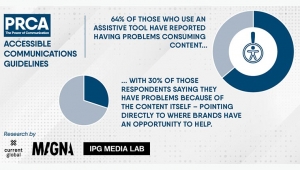
Research from Current Global, MAGNA and IPG Media Lab has revealed that 15% of the global population live with a disability and that 64% of those who use assistive tools experience challenges when accessing content.

PRCA Accessible Guidelines

The PRCA’s 35-page guide features case studies, advice and tools for PR practitioners who want to make their content fully accessible, including how to develop accessible content and campaigns whether visual, text, social media-focused, influencer-led or a physical or virtual event.

‘As professional communicators, it is incumbent on us to make communications inclusive for people of all abilities so we can reach every member of society,’ said PRCA director general and chief executive of ICCO Francis Ingham.

Co-founder and CEO of Current Global George Coleman added: ‘The technology and tools to help us do this are readily available, so the key priority is to update the way we work to adhere to best practices laid out in the guidelines.

‘Every day content is published that isn’t accessible to all. It doesn’t have to be this way. Over a billion people worldwide have some form of disability, a significant audience many are excluding. We have a moral duty to address this – and we hope the guidelines provide a practical starting point to instigate change to the way the industry works.’

For more on accessibility in PR, read our previous post on 5 ways to make your workplace more inclusive for dyslexic individuals.

CIPR Lobbying

CIPR research reveals UK attitudes to MP and Minister lobbying

According to new research from the Chartered Institute of Public Relations (CIPR), two-thirds (67%) of UK adults believe the public need to know more about lobbyists’ attempts to influence MPs and Ministers.

Commissioned by the CIPR and conducted by Opinium, the report surveyed over 2,000 members of the public. Results include:

  • 59% agree that businesses and organisations such as charities, trade unions and pressure groups should be able to meet with MPs and Ministers with the intention of promoting ideas to inform and influence public policy
  • 52% agree that businesses and organisations can help create better public policy and law by influencing MPs and Ministers through lobbying
  • Just 15% agree that the public has enough information about who is lobbying MPs and Ministers.

The paper, released today, outlines CIPR’s commitment to calling for transparency and ethical practice in the industry as well as its partnership with I Have A Voice to support work engaging young people with politics.

I Have A Voice founder and director Rebecca Deegan said of the partnership:

‘Having an impact through lobbying is something we should be proud of. Most of us who came into this profession did so because we want to make a positive contribution. I’m delighted that this partnership with the CIPR will support our mission to achieve that, particularly at this crucial time.’

CIPR President Mandy Pearse said of the research: ‘This highlights the appetite for more transparency in the important process surrounding lobbying activity.

‘The public are sympathetic with the need to lobby and for organisations to have their voices represented, but this contract has to be based on trust which can only come from greater transparency and fairer processes. The lobbying rules, as they are, are not fit for purpose and we urge the investigation announced by the Government to consider our new proposals in improving the system for the good of our democracy.’

The CIPR will continue its focus on lobbying at its upcoming event ‘What could changes to lobbying legislation mean to those who are lobbied?on 20 May, 12.30 – 2pm, with Dame Angela Eagle MP and Institute for Government deputy director Dr Hannah White.


Big businesses believe ESG is critical in 2021

Big businesses believe ESG is critical in 2021

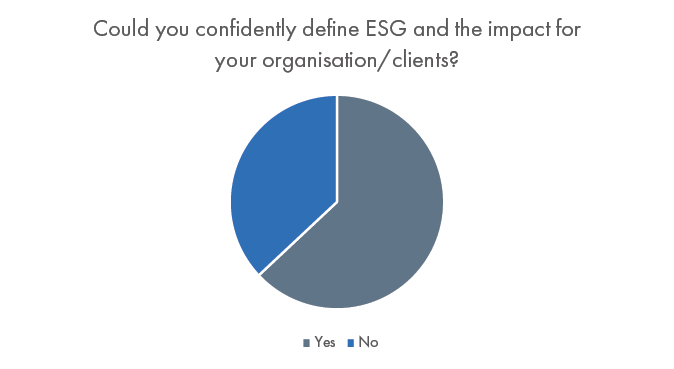
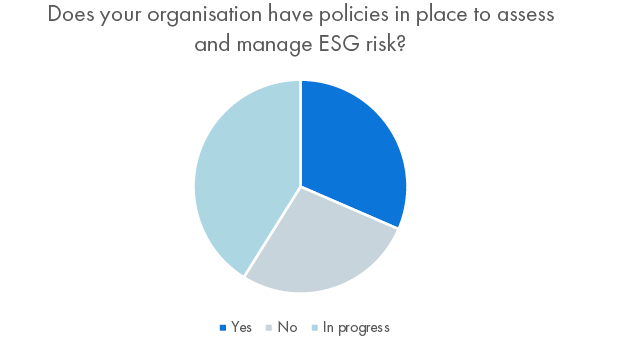
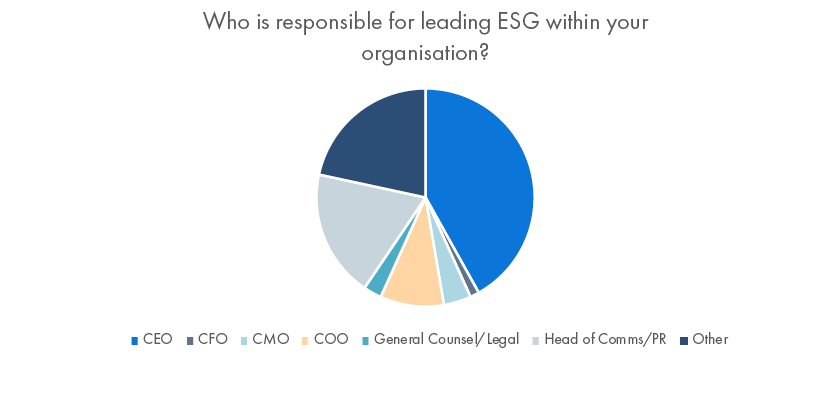
Three-quarters of senior business leaders believe ESG – Environmental, social and governance – issues are more important than ever this year, according to research from comms agency Grayling.

The survey of 500 business leaders included in Grayling’s whitepaper New Collectivism: Building Better Business found that 45% of senior leaders in big businesses agreed that ESG would be more important than in any previous year. 82% also believe the decisions they make in 2021 will be more important than in previous years.

Reflecting the move from the ‘profit first’ approach of the 70s and 80s to modern ethics-led aims, 63% of the senior leaders surveyed agree that businesses have a responsibility to society at large, with 85% also saying collective responsibility is important for future business success.

Sustainability is also an important factor for modern business, as 43% of all large business leaders consider it a priority. Challenges cited by respondents to the Grayling survey included COVID-19 limiting sustainability conversations (26%), politicisation (14%) and customer, consumer and Government pressure (14%).

Grayling head of corporate, UK & Europe Tom Nutt said that the report findings ‘confirm what we have been observing for some time now – that businesses are reassessing the wider role of their organisations in society. This is being driven by three things – concerns about climate change and the environment; social unrest around the world and the simple fact that sustainable business is good business.

‘It’s an understatement to say that the last year has been a momentous one for business. But the effect has been to speed up and add greater urgency to existing trends, rather than new ones emerging. I expect this sense of urgency to be on display at COP26 this year which is undoubtedly the most important UN Climate Change conference ever.’

Grayling’s whitepaper New Collectivism: Building Better Business can be downloaded here.

For more PR trends to be ready for this year, check out our round-up of insight from 13 PR thought leaders.

Considering your own ESG strategy? Read our report The Environment, Social and Corporate Governance (ESG) opportunity for public relations

A guide to the pre-election period

A guide to the pre-election period

The ‘pre-election period’ or ‘purdah’ refers to the period of time in the run-up to an election in which announcements by governments and local authorities are restricted. This helps to prevent the incumbents from gaining an unfair advantage over their opposition, e.g. by announcing the roll-out of a popular new policy, or benefiting from the increased media coverage afforded to an official announcement.

UK Government

Each year, the Cabinet Office publishes guidance to civil servants in central government and on arms-length bodies about their conduct ahead of elections. For them, restrictions came into place three weeks prior to the elections (15 April).

They are advised to take care to make sure that public resources aren’t used for party political purposes and not to do anything to call their impartiality into question. Particular areas they should be careful about are Government announcements, visits and campaigns that could affect the elections, as well as treating information requests from different candidates equally. They should also ensure that Government property is not used for election purposes.

For more details, the guidance issued to civil servants by the Cabinet Office is available.

Devolved governments

Both the Scottish and the Welsh governments publish guidance for their staff on the pre-election period, which started on 25 March in each country. This year’s elections are unusual as the parliamentary session has been extended as a result of the pandemic. In Scotland it will continue until 5 May and in Wales until 29 April; however, in each country it will only sit during this time if urgently required.

The restrictions contained in the guidance are largely similar to those that apply to UK Government civil servants but more wide-ranging as it is these governments’ ministers who are up for election. For example, restrictions include not using Government premises for election events, not making significant decisions (except urgent decisions which may need to be made about Covid-19), avoiding launching new consultations, and special arrangements for handling correspondence.

For more details, please see the Scottish Government’s guidance and the Welsh Government’s guidance.

Local authorities

The latest date that the pre-election period could start for local authorities before this year’s local elections was 29 March, so all local authorities holding elections in May are now within this period.

While local authorities do not have to stop all publicity during this period, they have to have ‘heightened sensitivity’ about what they issue. In particular, they should ensure that any material they publish or events they organise do not appear to be designed to affect public support for any political party, e.g. by making an announcement on a controversial issue, involving a candidate at the election, or helping with national political visits. Similarly, council resources should not be provided to councillors if they wish to use them for political purposes (e.g. writing to a local newspaper).

The Local Government Association (LGA) also advises councils to ‘think carefully’ before they continue to run existing campaigns – these can continue where they are non-controversial (e.g. foster care) but should not use councillors (council officers could be used in their place) – and launch new consultations, unless legally required to do so. However, other normal business, such as deciding on planning applications or responding factually to media stories, is allowed.

For more details, the LGA publishes a guide to publicity during the pre-election period.

Stress Awareness Month

Stress Awareness Month: How to support staff wellbeing

Hotwire head of people and culture Kam White focuses on developing people strategies, driving cultural change initiatives and organisational transformation programmes across the business. In today’s guest post, she shares her insight on how to support staff to promote better wellbeing during Stress Awareness Month and beyond.

For many of us, the last year has seen stress awareness in the virtual workplace brought to the fore, as businesses – and their staff – adapt to a new way of living.

This year’s Stress Awareness Month comes at a time where employee mental health and stress levels are under intense pressure, and how employers support their teams through COVID-19 will have a lasting impact on the long-term health and success of the business. The focus is no longer on work/life balance, but more fundamentally how wellness is the foundation to many of our people activities.

Working thoughtfully

At Hotwire, we have always had a proactive approach to supporting employees in dealing with stress, with a strong focus on developing two-way trust and supporting the individual, whatever their personal circumstances. Our philosophy centres on a preventative culture – rather than reacting when people need support, we do our part to stop people ending up in that situation in the first place. This means encouraging people to be open about how they are coping with work, but also that work itself is not a cause of stress.

Thoughtful Working is at the centre of the Hotwire Employee Value Proposition. This philosophy centres on trust in the individual to work smartly and deliver outputs, as long as they are thoughtful to their colleagues and their clients (internal or external) – in the location and at the times which work best for them – and this has not changed just because we are all at home.

A culture of self-care and wellness

Over the past year, we have been committed to developing a more disciplined, self-care culture to support our staff in addressing any workplace stress or pressure. We realised that people are tired and planning lots of activities and zoom calls made them even more tired.

Instead we have focused on giving people time out and distractions and any activities we have planned are relaxing and not intrusive. As part of our new self-care initiative at Hotwire, we are looking at intellectual wellbeing, providing support across the six areas of wellness: emotional, physical, social, intellectual, spiritual and occupational, in particular.

As adults, we can stop learning, especially when we are busy with work, but learning is so important to help keep minds engaged. With this in mind, we lined up a variety of inspirational speakers to do 30-minute chats in our weekly team meetings to continue to educate employees.

We also gave all staff in the UK office two half days and further half days planned to coincide with lockdown easing to spend time with family, meet friends and enjoy the outdoors. A virtual walk in aid of charity is also planned and we introduced a monthly cinema afternoon experience to provide a welcome distraction from the day-to-day hustle, enabling them to relax and watch a film together, albeit virtually!

Undoubtedly, employers need to be more sensitive to what is going on in employee’s lives other than work right now. Those businesses which have a robust wellbeing culture which trust and support individuals within the team will be best placed to have a happy and stress-free workforce.

How employers can promote stress awareness and support their employees:

1) Design the work around the wellness of your staff
Create a culture where the human element of what we do comes first – don’t have endless ‘people initiatives’ that mean well, but can cause additional pressure when your teams are already tired. Thoughtful working is a way of working we have built around our people.

2) Be there for your staff, when it matters most
It is important to have eyes and ears everywhere to be able to support staff across the business. You may want to train other members of staff across roles on mental health first aid. This will help those struggling with stress and mental health to, firstly, be able to identify someone who can help them and secondly, be able to spot someone struggling with mental health before it starts affecting their work.

We have professionally trained several mental health first aiders as specialists to help anyone who may be struggling and have adopted a policy to look out for each other and provide those in need with the resources to get better. We also do regular surveys to assess how people are feeling as well as regular peer group sessions with P&C and the MD.

3) Help staff prioritise workloads
Something we’ve started doing at Hotwire recently is encouraging a ‘what NOT to do list’ as a helpful way to work out priorities, actions and what is causing stress, so that employees can take control of their workload and tackle it head on! We had direct employee feedback that when you have lost control you need to take control of the things you can influence. In some cases, managers need to enforce a ‘circuit breaker’ to ensure their teams know when to stop.

4) Provide supporting materials
It is likely that many members of staff would have gone through a tough time over the past year during the pandemic. At Hotwire we developed a Mental Health Toolkit, available 24/7 for staff to access. This includes a number of resources that all employees can access including helplines, useful tips, articles, podcasts and a free download of the Headspace app. This way, staff can access these materials as and when they choose to support them with stress and wellbeing.

5) Take a proper break
Make sure you encourage all your staff to take their much-needed annual leave allowances to help make sure staff can relax and switch off. Something else we offer at Hotwire which people find incredibly valuable is our sabbaticals. Every four years, you can take six weeks at full pay or 12 weeks at half pay, to take a break and come back re-energised.

6) Encourage healthy and productive days
While many staff continue to work at home due to the pandemic, an employer becomes not only a workplace but also a support network too. Whilst remaining sedentary for a working day, it can be difficult to find the motivation to exercise and maintain a healthy work / life balance.

Why not encourage staff to take regular screen breaks, take a walk at lunchtime and log off on time in order to have their daily exercise? As a company, we provide meditation classes, which take place weekly via Zoom! We also encourage our employees to download the Headspace app to provide them with access to meditation techniques, which they can implement to help manage stress levels.

For more on managing stress in the workplace, catch up on our accessmatters session with KDP Coaching & Consulting’s Katie Phillips on preventing burnout and these tips for getting (and staying) motivated in 2021.

Weekly Economy Summary

COVID-19: Weekly Economy Summary – 15 April

The Economy Summary is part of our Weekly COVID-19 Bulletin, sent every Thursday. You can sign up to receive your copy here.

GDP 

UK gross domestic product (GDP) is estimated to have grown by 0.4% in February 2021, as Government restrictions affecting economic activity remained broadly unchanged. February’s GDP is 7.8% below the levels seen in February 2020, compared with 3.1% below the initial recovery peak in October 2020. Latest estimates show that January’s GDP fell by 2.2%, an upward revision from negative 2.9%.  

The latest National Institute of Economic and Social Research (NIESR) tracker suggests that GDP is likely to have fallen by around 1.5% in the first quarter of this year. Assuming that the vaccination and re-opening programmes continue to run to schedule, NIESR estimate growth to be 4.6% in Q2, driven by pent-up demand and a return towards pre-Covid levels in the hospitality and retail sectors. 

Their month-on-month forecast for March, when many children returned to school, is for growth of 1.8%. April is then forecast to see growth of 2.2%, driven by the partial re-opening of pubs and restaurants. 

Rory Macqueen, Principal Economist – Macroeconomic Modelling and Forecasting at NIESR, said: ‘Despite little change in restrictions, a return to growth in February and upward revisions to January GDP mean that the contraction in the first quarter will be much smaller than anticipated. Clearly much of the economy has adapted to cope with Covid-19 restrictions. If the vaccine programme and lifting of restrictions continue on schedule, this provides a firm basis for continuing growth in the second quarter and 2021 overall. The third wave in Europe and the success of other countries in vaccinating their populations will also have relevance for the recovery of the UK, as an open economy.’

Economic impact 

A new report from the Resolution Foundation think tank finds that young people have experienced a ‘sharp rise’ in unemployment during the pandemic, with the increase fastest among recent education leavers and young Black people.

The report attributes the rise to disproportionate employment in sectors such as hospitality and leisure which have been worst hit by the pandemic, adding that the unemployment rate for 18-24 year-olds rose 18% between April-June and July-September of last year. Those who recently left education face a 40% increase in unemployment, as the think tank warns of a double hit on 18-24 year-olds of both losing their jobs and being unable to find work in the first place. The Resolution Foundation calls on the Government to do more to protect young people from the impact of long-term unemployment by expanding and extending its Kickstart youth jobs scheme. 

Recovery 

On the day that non-essential shops and other businesses in England reopened for the first time since January, studies suggested that the bounceback in the economy could be broader and faster than previously expected. According to analysis by YouGov and the Centre for Economics and Business Research (CEBR), consumer confidence has risen to its highest level since August 2018.

The CEBR has predicted that savers will unlock more than a quarter of £192bn in lockdown rainy-day funds this year, adding £50bn to consumer spending. About £314m is expected to be spent in the newly reopened hospitality sector in this week alone, it said, while figures from the Post Office showed that Britons withdrew £590m in cash in March, the highest monthly figure since September. 

Deloitte’s survey of bosses at some of the UK’s biggest public companies found that the potential spending boom was helping to fuel record levels of optimism among chief financial officers in charge of companies’ purse strings. Respondents said they now expected a ‘strong recovery in profits over the next 12 months, with profit expectations back to the previous high seen in mid-2014 at the top of the economic cycle’. 

Among smaller firms, the Federation of Small Businesses (FSB) said it had found the greatest level of optimism among its members since 2014. Just over half (58%) of the 1,700 companies questioned expect their performance to improve this quarter, while 31% expect it to worsen. The FSB’s small business index has risen to +27.3 for the first quarter of 2021, a marked improvement on the -49.3 score at the end of last year. 

Former Bank of England Governor warns of post-pandemic inflation 

Mervyn King, who served as Governor of the Bank of England between 2003 and 2013, has warned of rising inflation as Covid-19 restrictions are eased. Speaking at the Royal Economic Society’s annual conference, Lord King said that central banks and finance ministries across the world are becoming overly dependent on stimulus as a means to support economic recovery from the coronavirus pandemic.

This analysis contrasts with views expressed by most members of the Bank’s Monetary Policy Committee, but it chimes with projections made by the Bank of England’s chief economist Andy Haldane, who has previously warned of cost of living pressures as lockdown measures are relaxed. 

King said he believed Governments should focus on providing targeted assistance for workers and businesses that have suffered most during the crisis using the tax and benefits system rather than stoking overall demand by pumping billions into fresh stimulus programmes. He suggested that heavily indebted firms should be allowed to collapse in order to boost growth and optimise Britain’s post-pandemic recovery, stating that there is ‘no argument for a dramatic set of expansionary policies’.

Weekly Health Summary

Covid-19: Weekly Health Summary – 15 April

The Health Summary is part of our Weekly COVID-19 Bulletin, sent every Thursday. You can sign up to receive your copy here.

Vaccine programme target hit   

Vaccination efforts have continued this week as the Government hit its target to offer everybody in phase 1 of the vaccination programme a jab. More than 32 million people have been given their first dose of a COVID-19 vaccine with jabs offered to everyone aged 50 and over, health and care workers and the clinically vulnerable. This group accounts for 99% of all COVID-19 deaths during the pandemic, so it is hoped that the most vulnerable are now protected.

Celebrating the ‘remarkable achievement’ Health and Social Care Secretary Matt Hancock said: ‘I’m delighted that across the UK, we’ve met our target to offer a vaccine to everyone in the top nine priority groups, ahead of the deadline of 15 of April.’ 

Data from Public Health England’s real-world study shows that both the Pfizer and Oxford/AstraZeneca vaccines are highly effective in reducing COVID-19 among older people aged 70 years and over. It estimates that over 10,400 deaths have been averted as a result of the COVID-19 vaccination programme up to the end of March 2021. 

Phase 2 of the vaccine rollout  

Phase 2 of the Government’s vaccine rollout commenced this week, with people aged 45 to 49 invited to book their appointments. This comes as the Joint Committee on Vaccination and Immunisation (JVCI) advised that the continued vaccination rollout is based on age. It has also said that unvaccinated individuals who are at increased risk of severe outcomes from COVID-19 on account of their occupation, male sex, obesity or ethnic background are likely to be vaccinated most rapidly by an operationally simple vaccine strategy. The NHS Confederation has called this approach ‘reassuring’ and called for more operational guidance for primary care teams.  

It has also been confirmed that the Moderna vaccine, approved by the Medicines and Healthcare Products Regulatory Agency in January, will also be deployed in England across more than 20 vaccination sites. NHS medical director Professor Stephen Powis said: ‘The Moderna rollout marks another milestone in the vaccination programme. We now have a third jab in our armoury and NHS staff will be using it at more than 20 sites from this week, with more coming online as supplies expand.’ 

Chris Hopson, the Chief Executive of NHS Providers, has welcomed the successes of the vaccination programme but called for caution in the ongoing Covid-19 pandemic. He highlighted that the under 50s and the most vulnerable not yet vaccinated must receive their jabs. As society opens up this week, with non-essential shops, gyms, and beer gardens opened on Monday, he said: ‘We need to balance celebration with caution. The underlying reality of this horrible virus remains the same – as we increase social contact, the rates of transmission will go up as well.’ 

NHS England waiting lists  

Statistics from NHS England, published this morning, highlight the ongoing backlog in NHS services, particularly for routine hospital care with a waiting list now at 4.7 million people. The number of people waiting for a key diagnostic test at the end of February was 1,151,200.  

The Health Foundation responded to the statistics: ‘The Government and NHS leaders now need to be clear and realistic with the public about how they intend to get the NHS back to full strength. This includes dealing with the backlog of care, achieving the ambitions to modernise the NHS as set out in the long-term plan and anticipating the effects of long COVID and an expected rise in poor mental health. There will need to be significant investment at the next Spending Review if we are to see improvement on waiting lists and plugging staff shortages, which are holding back progress.’ 

NHS England has published a statement on the statistics where it highlighted that: ‘NHS staff completed almost two million operations and other elective care in January and February while also providing hospital treatment for almost 140,000 Covid patients. 

Ideation tips for successful digital PR campaigns

Ideation tips for successful digital PR campaigns

This is a guest post from Chloe Rowlands, Digital PR Strategist at I-COM.

When it comes to thinking creatively and ideating for a digital PR campaign, it can be difficult to know where to begin.

Many people have their own preferred methods for coming up with ideas, whether that’s with a traditional brainstorming session or some industry research, however, there are certain steps you need to include in your ideation process to ensure your campaign has a higher chance of success.

You need to consider the following things when ideating:

• What topics are relevant to your industry, audience and services/products?
• Do you have any interesting company news or product sales data that you can utilise to create a story?
• Look for inspiration either by following digital PR accounts, or looking at competitors and seeing what campaigns are doing well
• Where is your audience likely to read? This allows you to target the right publications
• Once you know which publications you want to target, spend time consuming the news via these sites so you can see what kind of stories they share, and what style they write in – this helps when it comes to pitching your idea
• What emotional response do you want to achieve with your campaign?

Evergreen and newsworthy Topics
Before any ideation session, it’s worth writing down a mix of both evergreen and topical themes that are relevant to your industry. For example, evergreen topics are ideas that never date and are regularly covered such as:

• The Kardashians
• The Weather
• Christmas

Topical themes are things that are being covered in the news now. Both evergreen and topical content have something in common – they have wide audiences that are interested in them, and journalists are more likely to cover the idea if it sits under one of those brackets.

A great tip would be to tie both a topical and newsworthy topic together, as this provides you with a stronger chance of coverage and offers a more unique story for journalists.

What emotional response do you want to achieve?
Before ideating for a campaign, it’s important to consider what the objectives are and also, what way do you want the piece to be received by your target audience?

For example, are you wanting to position your brand as an expert on a current, newsworthy issue? Do you want to create social media buzz or are you wanting to draw attention to something important on a serious subject but in an engaging way?

Research has shown that campaigns that evoke certain emotional responses, tend to have a higher success rate in terms of coverage and links. The top three emotions revealed were nostalgia, happiness and disgust – clearly indicating what resonates the most with audiences. Take this into consideration before starting a campaign, which emotional response best fits your brand and will help you to achieve your objectives?

Utilise resources
One of the best ways to come up with strong campaign ideas is to follow accounts within your industry or follow the work of competitors to see what people are talking about.

There are also many different tools and resources that help make brainstorming for ideas a lot easier, from easily searching trending topics to seeing exactly when certain subjects peak in the press!

Want more on ideation and content creation? Check out these tips on creating content in-house

Weekly Health Summary

Covid-19: Weekly Health Summary – 8 April

The Health Summary is part of our Weekly COVID-19 Bulletin, sent every Thursday. You can sign up to receive your copy here.

Oxford/AstraZeneca Vaccine
This week the Government announced that people under the age of 30 with no underlying health conditions will be offered an alternative vaccine to the Oxford/AstraZeneca drug where possible. This followed a statement by the Joint Committee on Vaccination and Immunisation which confirmed reports of an extremely rare blood clots following vaccination with the first dose of AstraZeneca.

Given the very low numbers of events reported overall, there is currently a high level of uncertainty in estimates of the incidence of this extremely rare adverse event by age group. However, the available data does suggest there may be a trend for increasing incidence of it with decreasing age, with a slightly higher incidence reported in the younger adult age groups. The decision is a precaution, and the Government has encouraged the public to continue to take up their offer of the vaccine.  

Professor Martin Marshall, Chair of the Royal College of GPs responded to the news: ‘Today’s announcement from the MHRA, and also the EMA, should be taken as reassurance for patients that overall, the benefits of taking the AstraZeneca vaccine for COVID-19 outweigh the risks… It’s vital that patients understand that the risk of developing blood clots after receiving the AZ vaccine is incredibly low for all patient groups.’ 

Roadmap out of lockdown 
The Prime Minister announced on Monday that the country would go ahead with the next stage of the Government’s roadmap out of lockdown. From Monday 12 April, non-essential shops will reopen along with personal care services and indoor gyms. Outdoor hospitality will also open up, including pub beer gardens.  

With this the Government confirmed that everyone in England, including those without symptoms, will be able to take a free rapid coronavirus (COVID-19) test twice a week. Alongside vaccine rollout, it is hoped that regular testing will help the reopening of society, helping to suppress and control the spread of variants. Updates to the NHS Covid-19 app will also be made to coincide with the new test offering.

Health and Social Care Secretary Matt Hancock said: ‘Around one in three people who have COVID-19 show no symptoms, and as we reopen society and resume parts of life we have all dearly missed, regular rapid testing is going to be fundamental in helping us quickly spot positive cases and squash any outbreaks.’ 

Danny Mortimer, chief executive of the NHS Confederation said that lockdown easing must be done cautiously ‘to ensure the NHS has capacity to tackle the huge backlog of treatment, deal with the growing demand for mental health services, and also allow its exhausted and overstretched staff the respite they so desperately need.’ He also welcomed the new commitment on testing but said that there must be resources in place for people to self-isolate if they receive a positive test.  

Covid-19 transmission 
An update to the REACT-1 study, one of the country’s largest studies into COVID-19 infections in England, has been published today. Findings show infections fell by approximately 60% from the last REACT study in February, with only one in 500 people infected. However, the prevalence of infections has now plateaued, showing it is critical everyone continues to follow the guidance and rules to help control the epidemic. 

The study also found that the correlation between prevalence of infections and deaths has diverged, suggesting that infections may have led to fewer deaths since the start of widespread vaccination through the Government’s vaccination programme. 

NHS Providers said: ‘We need to be alert to a possible rise in COVID-19 infections with lockdown restrictions being eased next week and the ongoing risk from variant strains which now pose the greatest threat to our efforts to control this pandemic. It is absolutely crucial that everyone continues to follow the guidance to prevent a rise in infections and further deaths.’ 


Weekly Economy Summary

COVID-19: Weekly Economy Summary – 8 April

The Economy Summary is part of our Weekly COVID-19 Bulletin, sent every Thursday. You can sign up to receive your copy here.

Reopening economy
At a Downing Street briefing early this week, the Prime Minister said he plans to stick ‘like glue’ to his plans for easing current measures. He confirmed that step two – where shops, hairdressers and beer gardens can reopen – will go ahead on 12 April as planned. 

Analysis from Springboard indicated there was ‘pent up demand’ from consumers for bricks-and-mortar shops, with the firm predicting a 48% increase in sales after the next stage of lockdown easing on 12 April. On a similar note, data from Barclaycard showed that spending on leisure and entertainment increased by 136% last week. 

Business insights and impact on the UK economy
The percentage of businesses currently trading has increased gradually from 71% in early January 2021 to 75% in late March 2021. This is a similar level to that seen in July 2020, but lower than the 84% seen in mid-December 2020.  

The percentage of currently trading businesses experiencing a decrease in turnover, compared with normal expectations for this time of year, has fallen from 46% in January 2021 to 40% in mid-March 2021. 

Prior to August 2020, when the first lockdown restrictions in response to the coronavirus pandemic were in place, the percentage of currently trading businesses experiencing a decrease in turnover, compared with normal expectations for this time of year, was consistently above 50%, reaching 65% in early June 2020 (when comparable estimates began). When compared with the 40% of businesses experiencing a decrease in turnover in the most recent estimates, this suggests current lockdown restrictions do not seem to be having the same scale of impact, perhaps because of businesses adapting. 

The proportion of businesses’ workforce on furlough leave increased from 11% in early December 2020 to 19% in mid-March 2021. This level was last seen in late July 2020, when coronavirus restrictions were easing after the first national lockdown in the UK. The 19% of businesses’ workforce on furlough leave in mid-March 2021 equates to approximately six million people. 

Signs of a recovery in the jobs market have emerged with recruiters reporting that permanent hiring activity reached a six-year high in March. The latest labour survey by KPMG and the Recruitment and Employment Confederation recorded that month-on-month growth in permanent placements was the highest since April 2015. Demand for temporary staff rose at the fastest rate since November 2017.

Business support
A new Government-backed loan scheme launched this week to support firms through the gradual reopening of the economy from Covid-19 lockdown measures. The Recovery Loan Scheme follows on from the previous support offered by lenders via the Bounce Back Loan Scheme (BBLS), Coronavirus Business Interruption Loan Scheme (CBILS), and Coronavirus Large Business Interruption Scheme (CLBILS). Under the new scheme, businesses can apply for loans between £25,000 and £10 million which are 80% guaranteed by the Government. 

Recovery
Stronger recoveries from the Covid-19 pandemic in the US, the UK and other rich western countries will result in faster than expected growth for the global economy this year, the International Monetary Fund (IMF) has predicted. The IMF suggested that the UK will be the fastest growing advanced economy in 2022 as a result of the successful vaccination scheme and Treasury spending, with it likely to return to its pre-pandemic level of activity in late 2022. 

According to accountancy and business advisory firm BDO, the UK economy may see a significant boost to its recovery as close to 86% of UK mid-tier businesses told BDO they are looking to recruit more staff over the next six months, with over half (54%) planning permanent appointments. More than a third (36%) of business leaders said they would now hire apprentices as a direct result of the Government’s £3,000 apprenticeship grant announced in the Budget. This came as part of a larger 70% of businesses planning to recruit in this area regardless of the incentive.

Investment plans also received a boost in the March budget. Nearly half of businesses (47%) are planning new investments following the ‘super deduction’ initiative, which allows companies to cut their tax bill by up to 25p for every £1 they invest. According to the data from accountants at BDO, three-quarters of the UK’s medium-sized businesses state that 2021 is the time to invest, and 26% of them are already planning to invest in new locations or M&A.

Bank in London

Barclays dominates the launch of the Vuelio Banking Comms Index

Today, Vuelio launches the Banking Comms Index as an industry benchmark. Using Vuelio Media Monitoring and Analysis, the Banking Comms Index is a free weekly resource that compares the Share of Voice of the UK’s top retail banks.

Share of Voice has long been used as a key metric in both PR and marketing, with evidence to show that increased Share of Voice, leading to ‘Excess Share of Voice’ – where a brand’s Share of Voice is significantly higher than its market share – can lead to growth.

The Banking Comms Index measures the earned online media coverage of 21 top retail banking brands and selected challenger banks in Britain. The coverage all appears in Tier 1 publications, with a reading list including national news and financial trades.

Barclays has dominated over the last three weeks in top spot, while challengers, including Starling Bank, Monzo and Revolut manage to take a bigger share of voice than more established brands like First Direct and Bank of Scotland.

Updated weekly, the Index will provide an archived comparison, as well as insight into the biggest movers and shakers. The monitoring in Vuelio also allows for further exploration to see how these retail banks compare on key issues in the media, whether that is ESG, financial policy changes or a breaking scandal.

Oliver Grant, senior consultant and financial services specialist at Vuelio, said: ‘We are thrilled to launch the Banking Comms Index that will, week on week, give a snapshot of how these major retail banks are performing in the press. Share of Voice allows brands to benchmark their earned media coverage against the competition in a meaningful way.

‘We will also use our proprietary data to regularly analyse the retail banking sector and see how each organisation tackles the big issues, from the pandemic and Brexit to advances in governance.’

AIinPR survey

AIinPR launches global AI Literacy in Public Relations Profession survey

CIPR’s Artificial Intelligence in Public Relations Panel (AIinPR) has launched its AI Literacy in Public Relations Survey in association with Page to assess understanding of the topic among PR professionals worldwide.

Results from the five-minute survey will inform plans for AIinPR work on improving knowledge levels and performance in the use of big data and AI across the industry.

All practitioners who work in PR across the world are encouraged to take part and can opt in for an additional short phone interview to further help with AIinPR research.

‘Data and AI literacy is an essential skill to develop for public relations practitioners who want to remain relevant,’ said AIinPR chair Kerry Sheehan.

‘The coming months and next year will be crucial for us with AI in our own roles and in our advisory roles. The AIinPR Panel knows there is an urgent requirement for AI-aware and public relations practitioners upskilled into real data and AI. Public relations practitioners should be at the forefront of AI innovation in our own roles and, importantly, holding organisations, businesses and brands to account on ensuring only ethical AI4Good is built and deployed, and trust is maintained in our roles as reputation guardians and solutions-led leaders. We have a vital role to play here.’

Page VP for communications and content Eliot Mizrachi added: ‘As PR adopts cutting-edge AI and machine learning, there will be profound opportunities to more deeply understand stakeholders and deliver more personalised content and experiences. At the same time, we must be cognisant of its implications, from algorithmic bias to the need to evolve how professionals work with these new technologies.

‘Now is the time to assess what we know, what we don’t, and develop smart approaches.’

AIinPR lead academic Professor Anne Gregory also highlighted the importance of understanding AI across public relations: ‘We have seen a growing number of governments, NGOs and businesses across the globe adopting data and AI technologies in their business processes, activities and interactions. It is now embedded into almost every commercial and social transaction.

‘Understanding AI is vital for the PR profession both in our own work practices and as advisers to senior leaders. With the power for good and harm that big data and AI offers, someone has to the perform the ethical guardian role. That is down to us.’

The AI Literacy survey can be completed here.

Find out more about the aims of CIPR’s AIinPR panel in our write up of its launch and research.