Mental health 2019

3 ways to improve mental wellbeing in PR

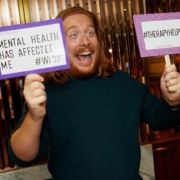
Last week, to coincide with World Mental Health Day, the PRCA and Opinium published research into mental health in our industry. The study found that 89% of PR and comms practitioners have struggled with their mental wellbeing and that overall levels of wellbeing in PR are lower than the UK average.

There are many ways to contribute to better mental health in the workplace, from buddy systems and mental health first aiders to no-evening-email policies and encouraging digital switch offs.

These generally focus on two of the biggest problem areas: not being able to open up, which ultimately leads to more pressure and stress, and the stress of workload creating a bad work/life balance.

The PRCA and Opinium research, Opening the Conversation: Mental Wellbeing in Public Relations, helps to define these main areas with three takeaways for employers to help their employees thrive:

  1. Recognising the impact of workload on mental health and introducing effective workload management techniques
  2. Offer mental wellbeing initiatives that enhance mental wellbeing and encourage their usage
  3. Embrace mental wellbeing throughout the whole organisation

All three foster company cultures that promote positive mental wellbeing and help to create a space where employees and colleagues feel comfortable to talk about their mental health.

What is clear is that more needs to be done to help improve mental health in the industry and give it a bigger focus. Studies like this help to shine a light on issues and provide practical advice but ultimately, it’s up to the agencies and in-house teams to adopt these for the benefit of all.

Victoria Del Rico relevance LA

New York, London, Los Angeles: Relevance International expands its global offering

Relevance International has opened its third office in Los Angeles, California. The new location is the third for the leading real estate, hospitality and luxury goods PR agency, with offices also in New York and London.  

The new office is strategically located between West Hollywood and Beverly Hills and will be led by director Victoria Del Rico. Del Rico is an experienced lifestyle PR specialist whose previous work includes press and social media campaigns for brands such a Piero Lissoni Associati, Acqua di Parma, Verono Homes and The Four Seasons in Florence.

Del Rico is fluent in Spanish and Italian, which brings the agency’s spoken languages up to seven, and specializes in foreign luxury companies looking to enter the US market.

Suzanne Rosnowski, founder and CEO of Relevance International, said: ‘With an undeniable synergy between the New York, London and Los Angeles markets, opening an office on the west coast has been an integral part of the global vision from the start.

‘As our client list has expanded to include projects and companies in the region, being on the ground in LA was a natural next step to further establish Relevance International as a premier global agency spanning reach into even more time zones – because media never sleeps.’

Consistently ranked in the Observer’s PR Power List as one of New York’s Top Specialty PR Agencies, Relevance International has a unique combination of boutique sensibility and international reach. The LA opening also marks the second anniversary of the UK office, which is now headed up by Fiona Harris.

It’s clear Relevance International is looking to continue with its current momentum, Rosnowski said: ‘Next, we’ll be exploring opportunities in the east – perhaps fairly far east.’

PRCA

9 out 10 practitioners struggle with mental wellbeing

The PRCA and Opinium has conducted the industry’s largest piece of research on mental health, which has found that 89% of PR and communications practitioners have struggled with their mental wellbeing.

Launched today, on World Mental Health Day, Opening the Conversation: Mental Wellbeing in Public Relations highlights the pressures facing PR practitioners and that overall levels of wellbeing in PR are lower than the UK average.

The report also reveals that 31% of PR professionals say they find their job very stressful and 59% says this stress is caused by their workload.

The report reflects the findings of this year’s Mental Wellbeing Audit, which gathered the views of more than 400 practitioners. The Audit incorporates The Warwick-Edinburgh Mental Wellbeing Scale, which is recognised as a best practice mechanism for gathering data on mental health and wellbeing.

Francis Ingham, Director General of the PRCA said: ‘The time for our industry to take action on mental health is now. And this is the latest in the PRCA’s concerted effort to do just that. While it’s encouraging to see more practitioners discussing mental health with colleagues, far too many of our colleagues are still suffering. For too long, our industry has tip-toed around this issue but we now have an opportunity to take action and create meaningful change. Attitudes are changing. Conversations are starting. Let’s now enact the recommendations of this report to create tangible change for the future of our workforce.’

If you would like to get involved in the PRCA’s campaigning work on mental health, please contact [email protected].


Marcus Jaye

Men’s fashion spotlight: Marcus Jaye, The Chic Geek

Marcus Jaye is The Chic Geek, cult fashion blogging sensation and author of Fashion W*nkers, a new book celebrating fashion passion. For Marcus, the title is a badge of honour and the book covers the dos and don’ts of making your way in the confusing world of style.

We spoke to Marcus about his book, sustainability in the fashion world and how he likes to work with agencies and brands.

Note: surprisingly, this post contains swear words.

How do you describe what you do to other people?
I’m a men’s style blogger under the guise of my alter ego, The Chic Geek. He’s got red hair and glasses, a bit like me, but is much better looking and funnier.

Can you tell us about your book?
My new book, ‘Fashion Wankers – It Takes One To Know One’, launches at the end of October.

Published by Ammonite, the idea is, in the age of Tom Ford’s ‘Fucking Fabulous’, ‘Eggslut’ and ‘Bollocks To Brexit’, the Fashion Wanker is the new fashionista. The truly stylish are the first to poke fun at themselves. It’s all about confidence and being able to laugh at yourself. It’s also a very British thing and what makes us leaders in fashion.

How did the book come about, did you pitch it or were you approached?
I pitched it. I had a previous book in 2011, but I wanted to write something new. This new book is for both sexes and looks at all the different contemporary Fashion Wankers there are and how you can be a better one. Being a fashion wanker is a good thing; a style badge of honour. I wanted to do something that was great for gifting and would put a smile on people’s faces. The world doesn’t need any more boring books.

Fashion Wankers

What was the best part of bringing the book together?
Trying to squeeze all my silly and funny fashion sayings in and celebrating the ridiculousness of fashion, the reason I love it so much.

How important is social media to modern bloggers?
It’s important because it’s your voice. It’s also your ears and eyes to see what is going on in the world. The only negative is the obsession with numbers and vanity side of it.

How significant is waste and sustainability in the fashion world?
Fashion and sustainability are never going to be fully compatible, but there are many things to be done to reduce waste and close the loop on fashion waste and things that are no longer desired. People, brands and companies are making the right noises, but, like with everything, it will come down to the economics.

Marcus JayeWhat’s your favourite item of clothing?
Ooh, that’s a tough one. I bob along on the fashion ocean and am always open to try new things. COS just gave me a trouser/half kilt combo, and, while I was slightly out of my comfort zone, I liked it.

If you had to give one piece of style advice, what would it be?
Don’t overthink it. Ask somebody who you trust and admire for advice. Sometimes it is about stopping wearing something – looking at you skinny jeans – rather than buying something new.

How do you work with brands and PRs?
I want to hear about everything. I particularly like things that are new and never been done before, especially in grooming. You can’t be rigid in this business. What I like/dislike today will be different this time next year. That’s what makes fashion and style exciting and exhausting…

What’s the best collaboration you’ve worked on with an agency or brand?
I really enjoy being able to come up with original concepts and ideas. The Chic Geek is over 10 years old now and I’ve done many collaborations over that time. The best ones are the ones which challenge you and start with a really strong idea. It helps if it’s fun too.

What other blogs do you read?
The men’s community is very supportive and we all see each other at events and launches. I like the ones who have a point of view and opinion and really say something (even if I disagree with it!).

Reach-the-right-influencers-with-the-Vuelio-media-database

Mirjam Peternek-McCartney

Travel PR Spotlight with Lemongrass Marketing’s Mirjam Peternek-McCartney

Lemongrass Marketing CEO and Founder Mirjam Peternek-McCartney has picked up a few travel trade tools during her 19 years working in comms, which includes time at Mangum Management in Germany, working with US account teams for MMGY Hills Balfour, and launching Lemongrass in Oxford in 2007.

Now counting W Dubai, Lanserhof and Martinhal resorts as clients, Mirjam works with high-end luxury properties and destinations with a ‘360-degree’ approach. We spoke to Mirjam about how she and her team tackle challenges, the advantages of keeping it in-house when it comes to travel and what she makes of hotel towel art…

Having worked in comms for 19 years, what have been the biggest changes you’ve seen in the industry, and what do you see as the next potential challenges for PR?
With the explosion of channels now available to consumers, the biggest challenge for travel brands and luxury hotels is to really understand how each of these impact the customer’s booking journey across all of those touchpoints – and to make sure they are present with messages that reflect the traveller’s intent and helping meet their particular needs.

Many hotels want to increase bookings in low season, and we have developed a proprietary methodology and process to identify potential bookers and capture their attention to achieve just that. A big challenge for the industry has always been how to measure what we do, providing proof of return on investment and how that translates into tangible business outcomes. With mobile and big data we are now, for the first time, able to do that – and that excites me! The shape and meaning of PR is involving and the future poses challenges – but I always think that along with all of those challenges, there will also be plenty of opportunities. As an industry we need to move away from a siloed way of thinking. Hotel PR, sales, marketing and reservations teams all need to collaborate more closely to ensure a seamless dreaming/planning/booking/sharing experience for the end consumer – the traveller.

Lemongrass boasts a ‘360-degree service’, with PR, sales, brand partnerships, and social teams – what are the advantages with having all of this in-house?
It comes back to what I mentioned above. We are luxury hotel marketing experts – this means we need to understand every touchpoint of the vastly changed customer journey in order to help our clients boost low season bookings, find hidden revenue opportunities (often where our clients haven’t looked before) and then translate those business challenges into meaningful campaigns across PR, marketing, social/digital, sales etc. This means we have a core team across all of those disciplines inhouse, and expert associates in super specialised areas that we draft in if we feel it is beneficial to the client. Our integrated way of working means more rounded campaigns, cross pollination of ideas, efficient, flexible and agile working practices, and ultimately heads on beds for our hotel clients, all year round!

Can you give us a few examples of particularly challenging/difficult briefs you’ve worked on in your time in the industry?
We’ve had some challenging briefs – of course! But interestingly, it’s never been the technical stuff. Challenging briefs usually had more to do with the fact that our values and those of the client didn’t align. We are fairly unusual in the travel marketing and PR world in that we speak the language of business and creativity, and always link the brief back to the core business objectives of the client. The clients we work best with really appreciate and understand that, and many have been with us from the very early years of Lemongrass Marketing, over a decade ago.

How does Lemongrass work with influencers and bloggers – despite some negative publicity around bad examples in recent years, how are these sections of the media useful for gaining cut-through for a hotel brand?
Influencers are a hugely important part of the customer journey, especially in the ‘dreaming’ and ‘planning’ stages of their holiday. It’s interesting that only 18% of all travellers are set on a hotel brand or destination when having an ‘I-want-to-get-away’ moment. In those moments, people are exploring destination options and ideas with no firm plans – people are looking for inspiration. That can come from a huge number of sources, including influencers.

However, it’s really important to define what we mean by influencers (they could be micro influencers, for example). Influencers may not even have an online presence; they could be people with a golden contact book of friends aka future hotel guests. We work with these ‘connected clans’ a lot, too. Ultimately, you need to do your research, be clear on the objective and deliverable, and advise your client accordingly. We get an influx of requests from influencers on a daily basis. Having put them through all of our analysis, research tools and database, we then only work with about 2% of them.

Moving to ‘traditional media’ – who are some of your favourite journalists in the travel/hospitality space, and why?
I always, without fail, read Sophy Roberts’ stories and the photography on her Instagram account is inspiring. Jane Anderson has an unparalleled knowledge of family travel, but then there are so many great travel journalists out there: Lisa Grainger, Jane Knight, Claire Irvin, Issy von Simpson, Francisca Kellett and lots of new talented writers coming through, too! I prefer straight talking journalists who know what they want and what they don’t want; it is easier for us to create tailored pitches and share stories that will resonate with them.

Many consumers will no longer stay in Trump-affiliated hotels, and chains owned by Brunei – what would you and Lemongrass do to turn around public opinion towards brands with a bad reputation? Do you think it’s possible to overcome political public opinion in the current climate?
I think public opinion can be a force for positive change. If there is a problem at a hotel that needs rectifying, then you must be transparent with your client. It’s no good brushing it under the carpet, throw PR budget at it and hope it’ll go away. It won’t – not in the days of social media. So, while I feel for all the people working at the Dorchester Collection – those hotels are impeccably run by professional and hardworking teams – I think it’s high time some governments stepped in to review their human rights record.

What are your aims for Lemongrass over the next five years?
As well as continuing on our organic growth trajectory, we are planning to become a B-Corp and are all incredibly excited about it. B-Corp is the Gold standard of socially responsible businesses and about creating a new kind of business that balances purpose and profit. As such, we are the perfect partner for sustainable hotels and hotel groups with a purpose and we would love to work with more of those.

And very important – what’s your take on towels shaped into swans on hotel beds? Do you think they should be in the bathroom?
Haha! I like animals, just not on hotel beds! I am not a fan of hotel towel art in any way, shape or form. But I’d love to see hotel guests reuse their towels more. The cost to the environment of daily towel changes is astronomical.

Find Lemongrass Marketing on Twitter, LinkedIn and Instagram, and connect with top travel influencers and journalists on the Vuelio Media Database.

Online Influence Awards 2019

The Online Influence Awards: judges and host announced

The finalists have been announced, top guests are booking up and the final nominations are coming in thick and fast – the Online Influence Awards are just 46 days away.  

We’re excited to announce that this year the Online Influence Awards will be hosted by critically-acclaimed comedian, Jen Brister, as seen on Live at the Apollo. Brister has recently released her first book The Other Mother and will be touring her latest show, ‘Under Privilege’ around the UK in 2020.

Later this month is the all-important judging day where our panel of experts will spend several hours, and numerous cups of coffee, deciding this year’s winners. The judging process is crucial to what makes the Online Influence Awards unique; we will never ask for public votes or make finalists work for their win, so every victor knows their triumph is truly deserved.

This year’s judges include: Lawrence Gosling, editorial director at Bonhill Media; Liz Wilder, head of financial services at Fleishman; Mike Harris, founder of 89UP; Scott Guthrie, influencer marketing expert; Stephanie Boland, head of digital at Prospect magazine; John Gregory-Smith, chef, author and presenter; Jo Parker, CEO of Chime Specialist Group; James Herring, co-founder of Taylor Herring; Dan Hudson, podcast co-host of A Gay and A NonGay; and Rahul Titus, head of influence at Ogilvy UK.

Nominations
If you think you can impress this panel of influencer experts there’s still time to submit your entry for our four campaign categories: Best B2B Influence Campaign, Best B2C Influence Campaign, Best Cause-Led Influence Campaign and Best Content Agency.

We’ve extended the deadline for entries until Friday 11 October, plus there’s no fee to enter and all shortlisted campaigns will receive a pair of tickets to the big night on Friday 22 November at the Bloomsbury Ballroom.

Tickets
We’ve also extended the deadline for our early bird ticket rate until Friday 11 October, so if you’ve not secured your place at the Online Influence Awards make sure you do it soon!

Best of luck to all our finalists and anyone entering the awards, we can’t wait to see you on the night.

Boris Johnson CPC19

‘Get Brexit Done’: the Conservative Party Conference 2019

The Conservative Conference will probably be judged by party insiders to have been a success. Certainly, the feedback from delegates in the bars and fringe meetings in Manchester was one of optimism and a determination to get Brexit delivered by the end of October.

The stories about Boris Johnson’s private life, either relating to Jennifer Arcuri or allegations by the journalist Charlotte Edwardes that he had squeezed her thigh at a Spectator lunch in 1999, seemed to have very little cut-through with Conservative party members and activists. They queued around the block to hear his first leader’s speech and it was well received in the conference hall, even though there was surprise from the press pack that not a single new policy was actually announced, with journalist Gaby Hinsliff calling it ‘a triumph of rhetoric over reality’.

It is likely that any new policy ideas are being saved for the inevitable General Election campaign or they will be unveiled in the Queen’s Speech on 14 October.

Nonetheless the Prime Minister set out his vision for the UK post-Brexit with his characteristic optimism. His concluded with: ‘This country has long been a pioneer. We inaugurated the steam age, the atomic age, the age of the genome. We led the way in parliamentary democracy, in female emancipation. And when the whole world had succumbed to a different fashion, this country and this party pioneered ideas of free markets and privatisation that spread across the planet.

‘Every one of them was controversial, every one of them was difficult, but we have always had the courage to be original, to do things differently, and now we are about to take another giant step to do something no one thought we could do.

‘To reboot our politics, to relaunch ourselves into the world, and to dedicate ourselves again to that simple proposition that we are here to serve the democratic will of the British people.

‘And if we do that with optimism and confidence then I tell you we will not go wrong. Let’s get on with sensible moderate one nation but tax-cutting Tory government, and figuratively if not literally, let us send Jeremy Corbyn into orbit where he belongs.

‘Let’s get Brexit done. Let’s bring our country together.’

The conference also gave Mr Johnson’s newly appointed cabinet ministers opportunities to speak from the main stage and many were impressed with Sajid Javid’s authentic greeting to his mother, who was in the audience to see his first conference speech as Chancellor.

He spoke briefly in Punjabi as he addressed his mother who was in the audience attending her first ever Conservative conference. He said she had been proud when the first Asians moved into Coronation Street in Manchester 20 years ago, but now his family were the first Asians to move into Downing Street.

Another proud British Asian, Home Secretary Priti Patel also delivered a powerful address during the four-day conference, which made it clear how important restoring a sense of law and order will be to this Government, building on the Prime Minister’s ambition to recruit an additional 20,000 new police officers over the next five years.

The Home Secretary set out her ambition to end the free movement of people once and for all.

She concluded her speech with this rallying cry: ‘This party, our Conservative party, is backing those who put their lives on the line for our national security.

‘So, as we renew our place as the party of law and order in Britain, let the message go out from this hall today: To the British people – we hear you; to the police service – we back you; and to the criminals, I simply say this – we are coming after you.’

Away from the conference hall, Vuelio hosted a panel session with Prospect magazine on how social media is changing the relationships between MPs and the public, where Nicky Morgan admitted to no longer reading her messages or notifications due to online abuse.

In another fringe meeting, the Chancellor hinted that he is prepared to look at scrapping or reforming inheritance tax as he ‘understands the arguments against that tax’. Principally, these are taxing the value of someone’s money, property and possessions upon their death, when they have potentially already paid tax on it during their lifetime.

Also briefly dominating the conference media coverage on Tuesday was the altercation that took place in the International Lounge within the conference centre’s secure zone involving a senior backbench Conservative MP.

Sir Geoffrey Clifton-Brown was asked to leave the conference after he tried to enter a room with a guest without the relevant pass. He described the incident as ‘a minor verbal misunderstanding’.

The fracas resulted in a lockdown of part of the Manchester Central Convention Centre. The MP later apologised unreservedly, and a Conservative party spokesperson said: ‘The incident was totally unacceptable’.

Within hours of the conference concluding, the media discussion was dominated not by the PM’s speech, but by the release of his latest proposals to leave the EU with a deal. We await to see how they proceed and when MPs might get a vote on these proposals, possibly before or more likely after the EU Council meeting with a potential crunch Saturday sitting on 19 October.

While this is also the final day for a formal extension to be made to the EU to ensure the UK doesn’t leave on a no-deal basis, we are very unclear as to how the Government will proceed with this given they repeat that they will comply with the law but also that the Prime Minster has absolutely no intention of asking for such an extension.

The Vuelio team spent the week in Manchester and have put together a Canvas highlighting key speeches, fringe coverage and the top media reaction.

Prospect panel

Is social media changing the relationship between MPs and the public for good or bad?

On Monday, Vuelio co-hosted a panel debate with Prospect magazine at the Conservative Party Conference on how social media is changing the relationship between MPs and the public.

The panel session was chaired by Stephanie Boland, head of digital at Prospect magazine and she was joined by Nicky Morgan MP, secretary of state for Digital, Culture, Media and Sport; Damian Collins MP, chair of Digital, Culture, Media and Sport Select Committee; Matt Warman MP, parliamentary under secretary of state for Digital and Broadband; Marie Le Conte, political freelance journalist; and Vuelio’s Kelly Scott, head of political and stakeholder strategy.

The session followed research that Vuelio commissioned from MPs across the House of Commons to understand the importance of social media in public engagement. The findings showed that 81% of MPs believe that public attitude has changed for the worse because of social media and 76% believe social media has made it difficult for the public to source credible information.

The panel session was wide ranging, with discussion covering abuse on social media and how to regulate this, the need for a global set of standards for social media, how we protect vulnerable people in a digital age and microtargeting.

When asked specifically about microtargeting on social media, Collins said: ‘Our electoral law should be established by parliament not Mark Zuckerberg’. He argued that all political advertising had to be clearly indicated, as this is not always the case with some campaign groups.

Warman pointed out that when it comes to microtargeting, ‘we’ve had [microtargeting] as long as we’ve had advertising’, and that we need to be realistic about what this means.

When it comes to managing and tackling abuse on social media, the panel had a mix of advice. Morgan admitted that she no longer looks at her notifications and messages on Twitter and said that the noisy abusers have drowned out those with genuine right and need to contact her, while Warman admitted that he still responds to pretty much everyone on Facebook and is currently trying to work out how to back out of this arrangement.

Vulnerable people are particularly susceptible to harmful images and as Scott highlighted, ‘there are whole groups of people who can’t use traditional forms of media’, which is why technology has to be the long answer when it comes to protecting these groups and making social media accessible and safe for all.

The panel all agreed that social media is now a fixed part of the political landscape with Le Conte commenting, ‘political discourse used to be tied to what happens in the Commons, now MPs end up arguing with journalists, each other and everyone else about the topic of the day and this never stops’.

Morgan reminded the audience that it is important to remember that ‘the whole of the public is not represented on Twitter or Facebook’, reflecting our research that face to face meetings are still considered the most important way to engage with constituents.

John Roberston

Men’s Lifestyle spotlight: John Robertson, The Everyday Man

John Robertson created The Everyday Man in 2012 and it’s now one of the top men’s lifestyle blogs in the UK. Covering everything from art and culture to fashion and grooming, John has built a loyal audience with his honest and insightful advice for the modern man.

We caught up with John to find out what it means to be recognized as one of the top 10 men’s lifestyle blogs, the future of blogging and social media, and one of his favourite collaborations.

What does it mean for you to be ranked in the top 10 men’s lifestyle blogs?
It’s a really nice feeling to be recognised for something that you love doing.  When I started The Everyday Man, it was my hobby so for it to have grown over the past eight years into what it is now is something that I still find had to believe.

How much of a community is there around men’s lifestyle bloggers?
I think the community is split into different groups dependent on niche and location. There are a few others who I’ve kept in touch with for a very long time and whom I enjoy chatting about projects and ideas with. This can be a quite a solitary job so it’s nice to have others in the same boat you can chat with.

Did we miss anyone?
There’s loads of guys out there doing great stuff but I think you definitely covered all of my favourites.

What’s the best thing about being a professional blogger?
It’s all pretty cool. I guess getting to test and trial products before they hit the market is very cool. I also love to travel and have been very fortunate to get the chance to head off to some rather cool places on work trips.

What’s does the future of blogging look like?
Who knows? I hope that we’ll start moving away from individual influencer social media style blogs and more into magazine format again as I’ve always preferred those.

What’s the best collaboration you’ve worked on with an agency or brand?
There are so many that it is hard to choose. Though I took part in a road trip with Mercedes last year over in Texas and that was a sure highlight. I got to drive an awesome car through some unbelievable landscape; it was extraordinary and I really loved the content that I gathered too.

What advice would you give PRs looking to get in touch?
Email is always best for me. It helped to be clear of your expectations and wishes from any partnership off the bat too. I hate the ping pong back and forth and I hate contact over social media (Instagram DM) even more.

How important are social media channels to your work, will they ever replace the blog?
For me the blog has always been and will always be my primary channel. Social is great too but I love having the space to really tell a story properly and find that easier on the blog itself.

What’s your favourite outfit?
My style is super classic (maybe boring to some). You’ll normally find me in black jeans or chinos, and a white or black t-shirt. I recently picked up a new jacket from Belstaff as part of a collab though and I love it.

What other blogs do you read?
I love Hypebeast as I’m big into my sneakers and they always have the news on the latest drops.

Reach-the-right-influencers-with-the-Vuelio-media-database

Pulsar Access Intelligence

Access Intelligence acquires Pulsar to accelerate social media capability

Access Intelligence, the parent company of Vuelio, has acquired Pulsar, the leading insights and social listening company.

Pulsar uses AI to analyse conversational and behavioural social media data to help brands understand their audiences and create impactful content.

It will join the Access Intelligence portfolio of products that enable businesses to understand, target and engage key opinion leaders according to their brand, product or industry. This includes Vuelio, the platform that helps organisations make their stories matter, and ResponseSource, a network connecting journalists and influencers to the resources they need, fast.

The deal will drive improvements in our capabilities, notably in trend forecasting, social listening, audience segmentation and evaluation including campaign attribution. The combined customer base will now include more than 3,500 global brands, as well as over 200 employees across London and the US.

Joanna Arnold, CEO of Access Intelligence said: ‘Pulsar is the best enterprise social intelligence platform in the market and a great addition to the Access Intelligence Group. This acquisition will enable us to keep our clients ahead in a world where influence shifts in real-time across multiple channels.’

Joining Access Intelligence will allow Pulsar to create a proposition directly connecting insight generation to marketing strategy and activation, while unlocking opportunities to reach new audiences.

Francesco D’orazio, CEO of Pulsar said: ‘Access Intelligence is an ideal new home for Pulsar, and their focus on SaaS makes them a great strategic partner to scale the business and expand our footprint in the PR and communications industry’.

The deal took the form of stock-swap between Access Intelligence and Cello Health, Pulsar’s previous owner. Cello Health will be retaining an interest in Pulsar through Consideration Shares.

7 essential parts of an online newsroom

The job of your online newsroom is to become the go-to resource for journalists and other influencers who want the latest updates and information on your organisation.

That means your newsroom is the first thing journalists see when they interact with your organisation and making a great impression is crucial. To help you set the standard, here are seven things your newsroom must include.

1. Press Releases
Perhaps the most obvious, but it allows you to post all your company news in one place. Your news doesn’t just cover latest announcements but also background details, facts and quotes.

2. Media library
Journalists and bloggers need easy access to high quality images and videos to support their articles. Making this easy will save you both a lot of time.

3. Contacts
List as many members of the PR team as possible including phone numbers and email addresses. The easier it is for a journalist to reach the right person to get the information they need, the better your relationship with them will be.

4. Social media profiles
Including your social media feeds ensures any breaking news and current conversation is visible in your newsroom. Embed or link to your organisation’s twitter account.

5. Company information
Include a section or link to your company about page. Make sure it has an overview of the company, the work you do and your key people.

6. Search
Over time your content builds up into a valuable library of information. You can allow journalists to quickly pick out historical facts, figures and dates for their articles with an easy to use search tool.

7. Analytics
Knowing how successful your posts are can ensure you know what style of release or content is reaching the most people at what times and in which locations. Add your Google Analytics tracking to your newsroom to see where visitors have come from.

If your stats are lower than expected don’t be disheartened. The more important thing is that your story resonates with your intended audience through the coverage gained with journalists and influencers.

By making it as easy as possible for the media to source news, facts, quotes, background and high-res images you’re removing obstacles to getting your brand coverage.

Ready to make a great impression? Easily publish press releases, images and collateral of all kinds to an optimised, customised and integrated Vuelio Online Newsroom.

PRCA Legal Group’s Meet the Legal Editors

What journalists want from PRs

What makes a good story to pitch to legal journalists? It’s not as straightforward as you might think, according to the panel at the PRCA Legal Group’s Meet the Legal Editors event.

Legal Group Chair Gus Sellitto of Byfield Consultancy led a discussion with Rose Walker, news editor at Legal Week; freelance journalist and former barrister Catherine Baksi; Eduardo Reyes, features editor at the Law Society Gazette; and James Booth, a reporter at City A.M. covering legal and insurance topics.

No matter what industry you’re working in, the panel’s advice can be used by PRs to shape their pitch and build meaningful media relationships.  

Like any other area of PR, know your audience and understand what they want 
Catherine Baksi said that as a freelance journalist she needs to know the publication thoroughly in order to sell a story and PR professionals need to do the same – read several issues, know the audience inside out, and be certain that the story you pitch is what you would expect to read in that publication. When she’s writing for the national press, she’s looking for a wider consumer angle or impact 

James Booth also said his readers aren’t focused on legal intricacies. They’re in a hurry and have little specialist knowledge or interest in law firms so they want to hear about City scandals, pay-outs and financial angles, or huge court cases and appeals rather than corporate newsHowever, both Rose Walker and Eduardo Reyes had recently turned down stories around divorce law as their readers focus on corporate law, or are already clued up on family law. 

What makes a good story for the legal press? 
Scandals; firsts like a ruling, case or failure that has happened for the first timeand exclusives, particularly if it offers novelty or controversy. Your story needs to be fresh and not something that’s months old or has been used recently, even in another publication – again this is where being familiar with the outlet you’re targeting will help(Eduardo Reyes said if you can get a picture of dog in the story, that will help…).  

The difficulty with good quotes 
James Booth said that he will often turn to a reliable source he can trust to offer quotes that are colourful, challenging or entertaining as well as accurate – and that this is easier said than done. Eduardo Reyes reminded PRs to brief their law firm clients that while accuracy is crucial, media quotes don’t need as much precision as when offering legal advice. Catherine Baksi also asked for novel, interesting and succinct quotes in plain language, from spokespeople confident about speaking to the media. Both Baksi and Reyes warned against asking to check quotes or headlines – both time and ethics mean this is impossible. Another tip was to remind clients to sound more like a person than a lawyer and avoid starting quotes with bland clichés like “I’m delighted…”.  

One audience member said that it can be difficult to get a client to accept their PR expertise to make a quote interesting and not just accurate. The panel suggested asking further questions can help to get an interviewee to say something in a different way and result in a quote that’s more punchy, non-generic and easy to digest – and ultimately one that’s more headline-worthy. Going back to your client and saying confidently this is what the journalist says they need can help.  

What does exclusive mean to a journalist and when can you offer an exclusive to another journalist? 
This is all about honesty and clarity. The panel agreed that an exclusive doesn’t come with qualifiers – it means it’s something that’s not been covered before, in any sector or outlet, and you’re sharing it with that journalist or publication alone. However, you can give a clear deadline so that if they aren’t interested or can’t use it, you can offer it to another outlet. If you offer an exclusive to a journalist and they accept, you should commit to that or it can damage your relationship with that outlet or journalist in the future. 

This also applies to your own company or client blog. The panel again agreed that you should offer news first to journalists, who don’t have time to monitor individual websites. If a journalist picks up your story (including appointments, reports, or opinion pieces) you’ll reach a wider audience than if you post it on your company blog or website first. 

The mechanics of pitching 
Give plenty of thought to your email subject line – this helps a journalist decide quickly on whether they want to use your story (or find out more). This should contain the sexiest bit and the first line should sum up the story. Catherine Baksi said it’s important for there to be contacts available to answer further questions after you send out a story. If you’re offering a range of spokespeople on a topic, partners can be more confident and quotable than associates who may lack confidence, but fresh and diverse voices are also good for journalists.  

Building a relationship with journalists 
All the panel agreed journalists are increasingly short of time, especially with the 24-hour deadlines culture of online content. Email overload is still a problem and at the same time theyre monitoring social media for trends and stories and facing more scrutiny. However, you can support your journalist contacts by following them and sharing their content on social media (just don’t DM/@ them unless they say that’s their preference – a well-targeted email or phone call remains the best way to contact them).  

Meetings in person need to be brief (coffee rather than lunch), convenient (near to their office) and have a point. Rose Walker said one hour out of the office can mean missed deadlines or losing the opportunity to make several phone calls so it’s important that the journalist gets something concrete out of a meeting – for legal PRs that could mean bringing one of the firm’s partners along.  

Do: 

  • Do read the publication you’re targeting  
  • Do follow the journalists you want to work with on social media (and a retweet doesn’t go amiss) 
  • Do support your client to come up with colourful, succinct quotes  
  • Do ‘treat journalists like human beings and they’ll reciprocate’ 

Don’t: 

  • Don’t ask to check the quotes 
  • Don’t offer an exclusive that’s not exclusive 
  • Don’t use jargon (either PR or legal) 

Vuelio can help you identify the journalists, outlets and influencers relevant to you and your clients. This allows you to quickly target contacts and build new, lasting relationships based on a genuine understanding of what journalists want from you. Find out more


(Image by kind permission of Byfield Consultancy – http://byfieldconsultancy.com) 

Politics of social media

MPs and the public: is social media changing the relationship for good or bad?

Vuelio is hosting a fringe event at Conservative party conference to discuss the very timely question of what impact social media is having on the relationship between voters and politicians.

Given the last three years of UK politics, there can be no doubt we live in uncertain political times, and it is very clear that social media is playing an increasingly central role in politics, at every level.

With an early general election now inevitable, we know that social media will be a key tool during that campaign for all parties, given it dominated the last two elections and the EU referendum.

A growing proportion of voters also rely on it as a source for news and information, as well as a place for them to post their own opinions on stories.

Vuelio wanted to better understand what impact this was having so commissioned a survey of MPs, completed in July, into their perception of the difference social media is making to the political discourse.

The results present a number of surprising headlines:

  • Four in five MPs (81%) believing ‘public attitudes had been changed for the worse’ because of social media.
  • Two in five (42%) MPs believe social media has changed the policy making process for the worse
  • A third (36%) believe it has changed public understanding of policy for the worse.

But it is not all bad news.

In our poll, MPs acknowledge that social media is now one of the most effective ways to reach constituents and gauge their opinions, and social channels make it possible for them to reach a far broader number of voters who won’t engage through print, meetings or traditional campaigning.

The importance of social media in sharing information and gaining insight and opinion is not changing and likely to only become more important in the future.

Technology has a fundamental role to play by providing MPs with the monitoring, evaluation and engagement tools they need to engage more effectively with their voters on social media.

If you are attending the Conservative Party Conference, please come along to our event:


MPs and the public: is social media changing the relationship for good or bad?

Date: Monday 30 September

Time: 12.45 – 2pm

Venue: Central 6, Manchester Central


Speakers include:

  • Nicky Morgan MP – Secretary of State for Digital, Culture, Media and Sport
  • Damian Collins MP – Chair, Digital, Culture, Media and Sport Committee
  • Marie Le Conte – Political Freelance Journalist
  • Matt Warman MP – Parliamentary Under Secretary of State for Digital and Broadband (DCMS)


We will be tweeting throughout the event, follow us @Vuelio_Politics and join in using the hashtag #ClarityinConfusion.

Online Influence Awards 2019

Online Influence Awards nominations deadline extended

The Online Influence Awards are the first UK Awards designed to celebrate the very best in influence, insight and intelligence from across the world of vloggers, bloggers, Instagrammers, podcasters and campaigners.

Alongside subject categories, from lifestyle and fashion to tech and politics, this year we’ll also reward the best online influence campaigns from organisations and agencies. We want to celebrate the hard work of those reshaping public debate using the power of online influencer marketing.

Taking place on 22 November, the Online Influence Awards are the only UK awards for influencer marketing that combines quantitative analysis with peer review and as such becomes a mark of excellence that distinguishes the high quality of winners’ work.

Nominations are open for agencies and in-house teams with no fee for entry. The new deadline for submissions is Friday 11 October, download your nomination forms here.

The categories are:

Best B2B Influence Campaign
Recognising the very best online influence campaign targeting B2B audiences in 2019.

Best B2C Influence Campaign
This category rewards the very best consumer focused influence campaign in 2019 based on creativity and impact.

Best Cause-Led Influence Campaign
This has been created to recognise the most impactful cause-led online influence campaign for 2019.

Best Content Agency
The award for best agency with a specialism in online influencer marketing able to demonstrate sustained excellence in strategy, business development, talent retention and campaign delivery.

For inspiration, check out our top tips for writing award-winning nominations here.

Good luck!

Labour Conference

A deputy leader coup, Brexit position and Supreme Court decision: Labour Party Conference 2019

The Labour conference in Brighton was overshadowed by three factors: an attempted coup on the eve of conference to abolish the post of Deputy Leader; a fraught debate over the party’s Brexit position in the upcoming election; and, most spectacularly, the Supreme Court decision on Tuesday morning that ruled the Government’s prorogation of parliament was void and of no effect.

This unanimous judgement by the 11 Supreme Court Justices had a serious impact on the duration of the Labour conference, as it meant that the leader’s speech was brought forward a day to Tuesday afternoon.

Jeremy Corbyn’s speech began with a call for the Prime Minister to resign following the Supreme Court ruling. He said: ‘Let me send this message to Boris Johnson: if you still lead your party into an election, we know your campaign will be swimming in cash.

‘But we’ve got something you haven’t – people in their hundreds of thousands rooted in all communities and all age groups across Britain and we’ll meet you head on with the biggest people-powered campaign this country has ever seen. And if we win it will be the people who win’.

Corbyn promised a radical programme, not least the nationalisation of mail, rail, national grid and water. He also pledged to make research funding conditional on firms providing cheaper drugs and the establishment of a publicly-run firm to produce generic medicines. This followed a long running campaign to ensure the drug Orkambi is available on the NHS for sufferers of Cystic Fibrosis and other conditions.

Many MPs then left Brighton one day early to ensure they were able to sit in the Commons from 11.30am on Wednesday.

This last minute change to the agenda meant that Deputy Leader Tom Watson waived his deputy leader’s speech slot and even though he was apparently offered a chance to speak on Wednesday, he declined, tweeting: ‘I’ll have to save the speech until the next conference.’

The Momentum-led attempt to abolish Tom Watson’s position as deputy leader, was designed to remove him from post after policy differences with Jeremy Corbyn as well as his position on Brexit. Jeremy Corbyn ensured that this row did not completely dominate the conference and stepped in, personally proposing a review of the role rather than an outright vote on immediate removal of it.

The conference itself gave Labour the opportunity to set out a bold programme for Government including John McDonnell’s pledge that Labour would implement at 32-hour working week within the next decade: ‘It will be a shorter working week with no loss of pay’.

He added that a Working Time Commission would be set up to give people more power over their working lives.

The Shadow Chancellor added that the main challenge for an incoming Labour Government would be to ‘rebuild local democracy, rebuild those local council services decimated by the Conservatives and, yes, the Lib Dems as well when they were in Government.’

He also pledged to fund personal care, free at the point of use in England, to be funded through a fair taxation system.

Shadow Foreign Secretary, Emily Thornberry, used her speech to attack Boris Johnson who she shadowed during his tenure as Foreign Secretary: ‘In my entire time in parliament I have never shadowed anyone so lazy, so incompetent, so deceitful and reckless. So utterly unsuitable for the job of Prime Minister’.

Among other key note speakers, Shadow Business Secretary Rebecca Long Bailey said that an incoming Labour Government would usher in ‘a new era of public luxury’ after decades of deindustrialisation. She promised additional investment in offshore wind farms and electric car production.

Shadow Environment Secretary Sue Hayman’s speech covered food waste, food banks and improving the UK’s animal welfare standards. She said: ‘Today, I am announcing that the next Labour Government will introduce a Right to Food embedded in UK law, underpinned by an over-arching national food strategy. We will introduce a Fair Food Act.’

Much attention was given to a motion passed by conference delegates to commit the party to integrate private schools into the state sector. While this motion wasn’t directly referred to by Jeremy Corbyn in his speech, it is more likely that independent schools would lose their charitable status, other public subsidies and tax privileges, if a Labour Government was elected.

The party’s Brexit position was thrashed out on Monday with a heated debate in the conference hall, and despite senior shadow Cabinet members John McDonnell, Emily Thornberry, Keir Starmer and others saying they would campaign to remain, delegates instead voted in favour of a motion proposing Labour stays neutral on Brexit in the upcoming general election with a special conference to debate the issue after the general election and before a second referendum has taken place. Senior Labour spokespeople and candidates were surprised by this result and many implied it would be difficult to defend and explain on the doorsteps in the general election, which lies ahead.

I suspect the Labour leadership will be pleased that the party can maintain some neutrality on Brexit in a general election campaign and aim to reunite the country once a new referendum has taken place, offering a credible leave option alongside Remain. Whether this compromise is enough to hold together the Labour family of leave voting heartlands in the north, midlands and south Wales as well as its metropolitan and diverse remain leaning seats, is still to be seen. Clearly the party hopes to limit the loss of Labour votes to either the explicitly pro remain Liberal Democrats or to the no-deal supporting Brexit party.

Stuart Lambert Blurred

Does your PR have purpose?

The PRCA National Conference is taking place today with a number of big name industry speakers discussing next generation PR. But while future gazing was very much on the agenda, it was PR purpose that dominated the morning sessions as every speaker made it clear that without purpose, PR is at risk.  

The PR industry continues to struggle with its self-identity crisis, with a need to differentiate itself from marketing, be valued for its strategic input and prove its worth through results. Purpose is an answer to all these points.

Purpose was one of four pillars in a lively keynote from Finsbury’s Roland Rudd. The others, Crisis, Social and Relevance, are also foundations of PR’s unique proposition but it is purpose which will help drive the industry into the future.

That was the view of the Stuart Lambert, founding partner of Blurred, who said it was about deciding what kind of industry you work in and what kind of industry you want to work in. He believes, as many in our industry do, that companies need to fix the world, not deplete it.

Lambert challenged the agencies in the room: ‘Have you asked your clients about the problems they face that we can help with? And if not, why not?’

PR agencies need to solve not just the problems being presented by clients but push them to solve bigger problems all businesses and industries are facing. He argued that we’re in an age of fear but it is PR that is uniquely placed to get us out of that fear.

True purpose pays us all back, and it is PR that can achieve it.

Purpose was in Dove’s global PR director Firdaous El-Honsali’s session under the guide of ‘Brand Do’. She discussed Project #ShowUs, a huge stock library of real women from all backgrounds and lifestyles, that is not a campaign but a commitment to create a resource the media and advertising industry can use again and again.

PRCA National Conference 2019 DOVE

Like Lambert, El-Honsali challenged to room to push their clients and media contacts to use the #ShowUs photo library. Again, PR is uniquely placed to make a difference and a change in the world by leading their companies and clients towards purpose.

The Purpose of PR was the name of Ed Williams, Edelman UK’s CEO’s session. He argued that purpose was inextricably linked to trust, and brands and businesses needed to take bold public positions on the issues that matter. Words are good, but words need to be built on deeds.

Williams linked the absence of trust in modern society to the root cause of many of the world’s problematic political situations. He argued that people had lost trust in government and they now looked to businesses and brands to fill the void and do the right thing.

Trust has many other tangible benefits, from the obvious – 81% of people say trusting a brand to do the right thing is a major purchasing decision making factor for them – to the less measurable; Williams said that trust allows businesses to make mistakes and still bounce back.

Trust and reputation can be built on purpose and it is PR that is most uniquely placed to create purpose and push businesses into the future.

Next generation PR is purpose. So, what’s yours?

PRCA National Conference 2019 DOVE

PRCA Announces 12% Financial Growth

The PRCA has announced 12.1% growth in 2018-19 and welcomed a record 183 new corporate members. Speaking at the National Conference, director general Francis Ingham also set out plans for investment in regional and national services and announced a new agency-client mediation service.

The financial increase takes the PRCA’s revenues up to £3.86m and is the twelfth consecutive year of financial growth for the association.

The PRCA is buoyant in its 50th anniversary year and Ingham highlighted other achievements in 2019 including 124 free-to-attend events since April; nine new Groups, including PRCA Channel Islands last week; 1,483 enrolments onto its CPD programme, which is up 80% year on year; and increasing its training programme offering from 156 courses to 170.

He then went on to set out plans for the future, which include:

  • The launch of a major and long-term piece of work addressing the client-consultancy relationship, and offering an objective mediation service for when things go wrong
  • New investment in Regional and National Groups, with an increase in the PRCA’s conference, free event and training offering in every part of the country, plus National and Regional coordinators to complement existing staff in Belfast, Bristol, Cardiff, Edinburgh, Manchester, and Newcastle.
  • Plans to continue the PRCA’s recent work to merge with, or assume management of, other PR associations in the UK and internationally.

Ingham said: ‘2019 marks 50 years of the PRCA. We are today the world’s largest PR association. Our industry has never been bigger, more influential or more confident, and neither has the PRCA.

‘We take enormous pride in standing up for our industry; in campaigning on its behalf; in making the case for its ethical professionalism. And we have never done so with more strength.

‘Our plan for the next twelve months is more ambitious than ever. We’re going to double down on our investment in services in the regions and nations of the UK. We’re going to turn sustained attention to the client-consultancy relationship, with a new mediation service for the industry. And we’re going to continue our work to consolidate industry representation under the voice and the banner of the PRCA. All with the goal of speaking up for our industry as the ethical, professional force for good we know it to be.’

Carole King

Interiors spotlight: Carole King, Dear Designer’s Blog

Carole King is top interior design blogger behind Dear Designer’s Blog. Sharing her design inspirations, Dear Designer’s Blog has trends and advice for anyone to transform their home. We spoke to Carole about the future of blogging, her style and her open invitation to PRs.  

Carole King 2019 How do you describe what you do to other people?
I tell them that I write about interior design and try to inspire others to create their own beautiful homes.

How much of a community is there around interiors bloggers?
I met some of my best friends through blogging. Interiors bloggers are very supportive of each other. My passion is interiors but as a blogger you have to know a lot about everything – IT, social media, marketing – and most of it I have learned through speaking to other influencers.

What’s the best thing about being a professional blogger?
The freedom to work on the projects that interest me the most. And it may not be for everyone but I like working from home.

What’s does the future of blogging look like?
A very good question. If I’d know 10 years ago, when I started, how much the industry would change in that time, I wouldn’t have believed it!

How do you describe your style?
It’s quite eclectic. I like bold wallpapers, and anything quirky. But I also believe in working with what you have instead of buying new all the time. It results in an interior that is very personal.

What’s your favourite room in the house?
My bedroom. It’s the top floor of a town house so it’s spacious and quite indulgent. I have an en-suite bathroom and dressing area and I’ve painted the bottom half of the walls black.

Carole King 2019How long do you leave a redesign before wanting to do it again?
Almost immediately. It’s an occupational hazard. I can always see room for improvement, but time and budget restraints mean I have to wait a few years.

What’s the best collaboration you’ve worked on with an agency or brand?
There have been lots, but I always love a collaboration that involves interiors and travel. My two passions.

What advice would you give PRs looking to get in touch?
Just do it. I’m always open to ideas.

What other blogs do you read?
My Scandinavian Home, The Style Files, That’s Not My Age, sfgirlbybay and Emily Henderson are my current favourites.

Reach-the-right-influencers-with-the-Vuelio-media-database

PRPays Danske

Are you a trusted adviser?

PR and comms professionals should be trusted advisers to senior management and the board in any organisation. In the CIPR’s latest #PRPays interview, deputy CEO of Danske Bank UK Vicky Davies explains what Northern Ireland’s largest bank looks for from communications.

Davies said: ‘A great PR and comms team is as good at managing your reputation when things don’t go well, as promotion when things do go well’.

Banking is particularly sensitive to the need for good crisis communications when things don’t go well as issues often get noticed immediately. But no comms team is immune to the need for preparation as every business has risk factors.

For Davies, good organisation and having a strategic approach for crisis is one of the three things she looks for in a communications team. The other two are calmness under pressure, and building and nurturing external relationships for the benefit the bank and customers.

The interview for #PRPays, which demonstrates the value of PR to the business community, also covers the importance of PR in the banking industry for branch closures and mergers as well as the essential role it plays for the business.

Jo Swinson Lib Dems

Preparing for Government or a Bournemouth echo chamber?

The Liberal Democrat conference in Bournemouth offered a warm and sunny start to the party conference season for journalists and public affairs folk. Lobby journalists were even spotted heading down to the beach in swimming shorts, while others took part in the traditional Glee Club sing song, which has to be seen to be believed.

For party activists it was brighter still. The party is in good heart with a general election looming, perhaps now only 12 weeks away. Conference was also attended by a record-breaking number of delegates (3,234) and Lib Dem membership now exceeds 120,000.

Jo Swinson, elected as the party’s first ever female leader in July, is already making a serious impact on UK politics. She declared in her speech: ‘There is no limit to my ambition for our party’ and argued that ‘People across Britain deserve a better choice than an entitled Etonian or a 1970s socialist’.

The recent string of MP defections to the party have largely been positively received. Chuka Umunna, Luciana Berger, Sarah Wollaston, Angela Smith and Philip Lee all attended conference and were welcomed by members and their new parliamentary colleagues alike. The widely trailed big name defection announced by Jo Swinson on Saturday at the conference rally was Sam Gyimah, a former minister, PPS to David Cameron and, in the early stages of the Conservative leadership race, a candidate for the highest office in the land.

The party also welcomed Welsh Lib Dem leader Jane Dodds to its House of Commons benches, the first by-election gain from the Conservatives for 19 years, regaining the former Lib Dem seat of Brecon and Radnorshire in August and putting the party on the political map in Wales, having been narrowly wiped off it in 2017.

Conference debates were uncontroversial apart from the main motion on Brexit with the section calling for a Lib Dem majority Government to revoke Article 50 on its first day in office the most unpalatable for some. While the motion passed successfully, several prominent critics, including former MPs Simon Hughes and Andrew George, called it ‘controversial’ and ‘counterproductive and unworkable’. Andrew George is standing in St Ives in Cornwall where he seeks to overturn a Tory majority of 312 votes. He warned that the policy risked a Government run by Dominic Cummings portraying the Lib Dems as ‘undemocratic and illiberal’ and warned from past experience that the Conservatives were ‘past masters at being able to turn things into slogans and throw them back at us’.

None the less, the party is clearly confident that an unequivocal revoke stance in the upcoming election will ensure a substantial number of MPs are elected. As well as former Lib Dem held seats like Cheltenham, Winchester, Yeovil and North Cornwall; the party is eyeing up constituencies it has never held before but where polling points to a strong chance such as: St Albans, Cities of London and Westminster, Wimbledon and Vauxhall. The party is also heavily promoting its London Mayoral candidate Siobhan Benita, who is a former civil servant and fought the 2012 Mayoral election as an independent. Together with Jo Swinson and a large number of female candidates in winnable or held seats at the election, this is very different to the party that as recently as 2016 numbered only eight white male MPs.

So, with 18 MPs in the House of Commons, a record 16 MEPs elected to the party in the European elections in June, 50 Liberal Democrat council leaders or co-leaders now running local authorities, the party may be right to be optimistic ahead of the general election. The leadership is presenting Jo Swinson as the party’s candidate for Prime Minister and her conference speech was relatively light on policy announcements, but promised a wellbeing budget, additional spending for youthwork and mental health services. The only question remains, how a substantial number of Lib Dem MPs would seek to work with either larger party if called upon, given a coalition with either of them has effectively been ruled out already. Only time will tell.