Top PR & Marketing Tips for 2017

This past year we have spoken to many high profile PR and comms practitioners, who have shared their thoughts and insights about the industry. In this article, we have compiled the best predictions given to us by our interviewees that will give you a headstart when it comes to getting ahead of the trends in 2017. Ranging from influencer marketing, the rise in content led campaigns, agency acquisition, the growing importance of reputation management to the integration between SEO and PR, our top tips will give you all of the inside information you need to know for the new year. 

With 2017 predicted as the year of influencer marketing, many PRs are now asking what the future holds for this relatively new phenomenon. In our first masterclass we spoke with Nik Speller, contributor to Buckets and Spades, who gave some great insights about why PRs will need to change their focus when it comes influencer marketing.  
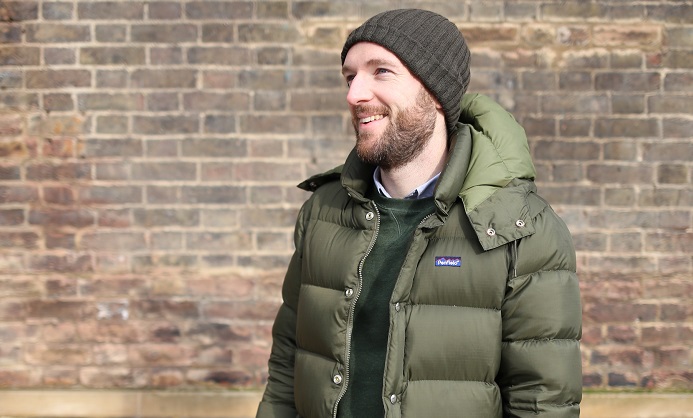
nik-speller-vuelio

“This industry is changing so fast; but I think there’s a few trends bubbling up that will grow and continue into 2017. Firstly, I’ve noticed a few brands pay more interest in content, than in follower numbers. These brands have seen that working with the mega-influencers doesn’t always yield results, as they aren’t always the best fit. Working with smaller, creative influencers, with a specific and highly relevant audience, can be far more effective.

“Ads seem to be on the increase, especially on Instagram. With brands now allocating more budget to influencer marketing and the rise of ad blockers, both brands and their agencies have more cash to invest in influencer ads. I think this will grow, but ultimately fall, as these ads really don’t generate as much value as brands like to think. The more successful content is well-briefed, well-structured projects, that allow influencers to get more creative and deliver content with far greater impact.

“Finally, I do think we’ll see the industry shrink a little – or, at least, begin to specialise. There’s a lot of influencers out there covering the same general topic areas and the attention of the audience has a finite limit. Eventually, some influencers will drop out of the ‘game’, while others will turn their attention to areas of specific interest to them, perhaps having smaller, but more focused and engaged, audiences.”

In a spotlight interview Michael White, PR blogger and digital account director at Lansons predicts that there will be more PR agencies partnering with SEO agencies in 2017.

michaelwhite

“I think a lot of PRs have been slow to understand the close ties between media relations and SEO consultancy, which are absolutely critical. These days clients don’t just want print coverage, they also want to see SEO gains on their website. I also think there will be more digital activities in terms of PR companies being able to track a customer’s entire online journey in 2017. At Lansons we have done that for a number our clients. For instance, we did this for one client and they managed to track their customers right to the point of purchase, which is amazing. There aren’t many organisations where you can track to that extent, but with Lansons you can. I think we’ll see more agencies understand the importance of this and make use of it. I also think they’ll be more PR agencies partnering with SEO agencies.

“Another trend in 2017 will be digital advertising. Digital isn’t just a big umbrella term, it has its individual specialisms and to build up an online specialism alongside say a search engine optimisation specialism is tough, so I’d say that’s another growth area.”

Valentina Kristensen, head of comms at OakNorth, shared her predictions for 2017, stating that there will be a rise in corporate governance and accountability.  
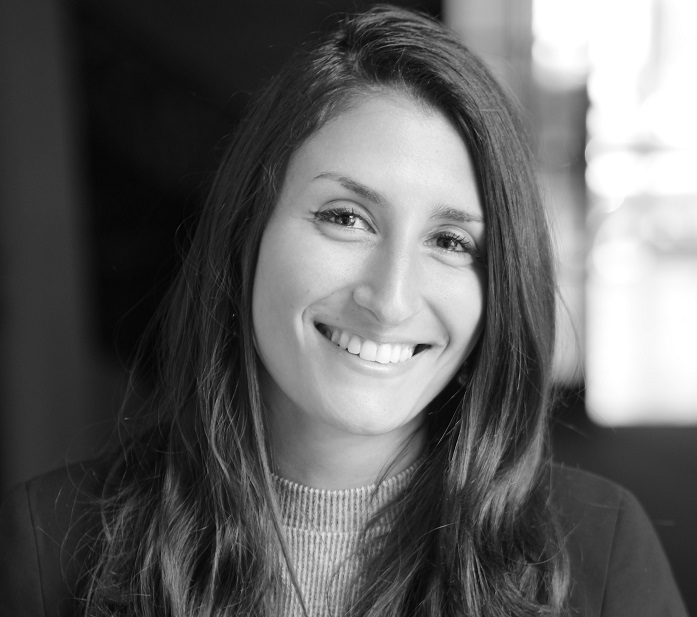
valentina-kristensen-vuelio-spotlight

“When it comes to future trends that will have an impact on PR in the near future I think there will be an increase in smartphone and internet penetration in developing countries (which will open up whole new markets for media professionals to reach and target); changes to legislation such as the Right to be Forgotten; social media, but one that sticks out for me is corporate governance. Recent headlines have thrown corporate governance issues at the likes of BHS, Volkswagen, and Sports Direct into the spotlight. The accountability of senior executives is becoming an increasingly hot topic on the news agenda which means we, as public relations professionals, have our work cut out for us. Ten years ago, the C-suite could have hidden behind their media teams, deflecting questions with “no comment” but today, that won’t fly.

“The rise of social media and public-led content means there’s nowhere left to hide – if you don’t respond, the public will draw you out. I think this trend towards an increased demand for corporate governance, accountability and transparency will continue and as a result, good public relations will become even more vital.”

Following our webinar about how to create a successful blogging career, entrepreneur, digital marketing strategist and publicist Natasha Courtenay-Smith returned to chat to us about her thoughts on the impact blogging will have on PR in 2017.   
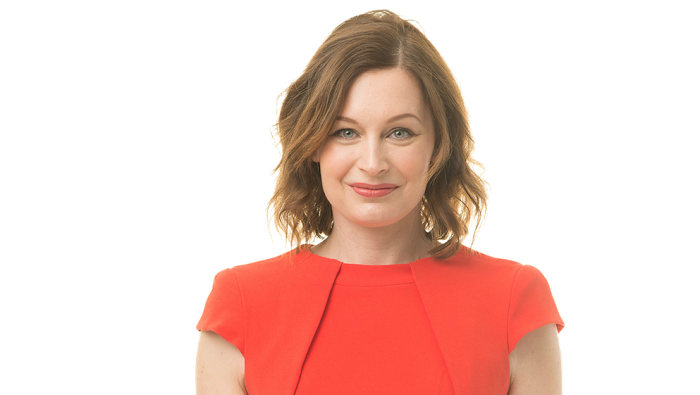
natasha-courtenay-smith-vuelio-spotlight

When I first started doing digital strategy combined with PR for my clients, I was quite concerned about having ‘two hats’ on. But I quickly realised that all of this is the same: whether it’s blogging, social media or publicity, it’s all about PR. And it’s all about getting people better known for what they do. Increasingly, we’ll see PR firms offering that broad spectrum of services covering traditional media and new media in 2017. So yes, you’ll be doing PR for a client, but at the same time, you’ll be running their content strategy. And meanwhile, to grow your own business, you’ll be running your own content strategy. So all round, people will be doing a lot more blogging.”



ed-leake_masterclass_vuelioIn our third masterclass series we spoke to Ed Leake, managing director of Midas Media, who said that when it comes to future trends for 2017, PRs need to talk less about ‘brand awareness’ and more about ‘brand advocacy’.

“Accountability and measurability go hand in hand. If you’re pushing social media as a channel that deserves marketing budget, then talk less about ‘brand awareness’ and more about ‘brand advocacy’.

“Having a process that you can map out step-by-step in detail, is a very healthy approach to any form of marketing. It keeps you on the straight and narrow, and it enables you to get milestones where you can attribute your efforts to results.”

NicolaSnell

Nicola Snell, managing director at Zero2one predicts a rise in the integration between Google analytics and digital measurement in 2017.  

“We are going to see an increasing integration with Google Analytics and digital measurement in 2017. SEO PR is a fascinating topic and something clients are growing to expect.  We are enjoying the process of developing reports and systems to meet these expectations.”


In a spotlight interview Mark Dandy, founder of Parental Influence, said that there will be an increase in influencer talent managers in 2017 as the industry continues to become more lucrative.

mark-dandy

“The biggest trend and probably my biggest worry, is the rise of ‘Influencer Talent Management’. If done correctly, this could be a great thing for some influencers, but I’m sorry to say there does seem to be an element of “there’s money to be made here so let’s get in on it”. I’ve seen fifteen-sixteen-year olds now with talent managers, tied into exclusive contracts with an agency, and with that some creative license has been taken away.

“I had a conversation with an influencer, who was offered the trip of a lifetime, all paid for by a brand, but with no payment: simply you come on the trip and blog about it. The agent asked for a £10k fee and when the brand said no, the trip didn’t happen. As an agent, your duty is to look out for the best interests of your client, and I think there is an element of looking out the best interests of an agencies bottom line, which isn’t right. I wouldn’t want that comment to be a tarnish on this practice as a whole, as I’ve met some wonderful talent managers, and some influencers who truly value them. I just have some reservations as to where this is going, as an agent is simply another barrier to a brand working with influencers.”

RachelMiller

With the growing popularity of Facebook Live and live streaming on Twitter, Rachel Miller, an award-winning blogger and the founder of All Things IC, says that live streaming will become an even bigger trend in 2017. 

“Now live-streaming has appeared on the scene, I think we’re going to see it constantly evolving as brands and bloggers experiment in 2017. I’m interested to see the impact video is having and the reappearance of shorter films. Now live-streaming has appeared on the scene, I think we’re going to see it constantly evolving as brands and bloggers experiment.”

 

Jim Hawker

We also spoke to Jim Hawker, Co Founder of Threepipe, who predicts that creative content and digital marketing will be the future of communication.

“I merged Threepipe with a digital marketing agency in 2012 to bring wider digital knowledge into the business. This expertise alongside our creative ability is the perfect platform to create more content-led campaigns which is the new model for PR. Having a content led approach allows you to distribute branded messaging through multiple platforms – be that media, influencers or paid distribution. It also allows PRs to much more effectively put a ROI against the work because it’s easier to measure.

“In terms of other trends that will impact and change PR in 2017 I think there will be a lot more agency acquisition in 2017 as the bigger groups look to buy scale and bring in creative expertise. More content led campaigns and greater emphasis on influencer marketing as the traditional media titles continue to wane. Greater emphasis of working in social channels to reach an audience not consuming traditional media.”

Sarah Pinch, managing director of Pinch Point Communications, believes PRs should pay closer attention to reputation management in 2017 and increase their efforts to create more diversity.   
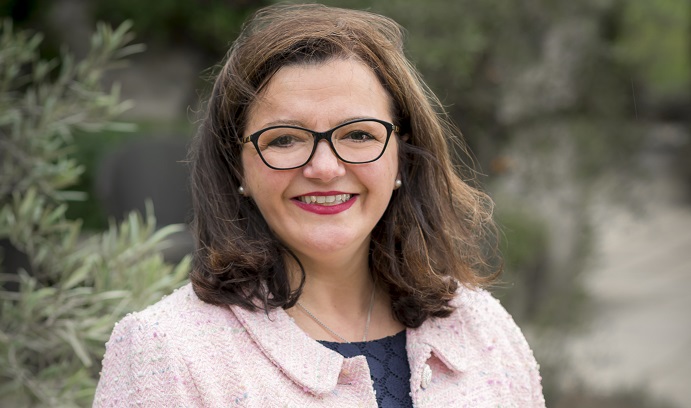
sarahpinchvueliospotlight

“I firmly believe that the industry is growing and we know from different research projects that PR professionals are being asked to get involved in more areas of work. In every job I have had, and now with every client I work with, organisations who get the importance of reputation, of relationships and of having a conversation, work with professional comms and PR people.”

“We must take advantage of the growing interest in the importance of reputation management and make it our own. EY has published guidance for boards, citing the financial significance of an organisation’s reputation. Integrated reporting is a very valuable and still relatively unknown tool.”

“Changes in how we can connect with people is something we all have to watch, be it a positive opportunity or indeed a greater challenge. The fragmentation of populations, and then the establishment of new communities is exciting, but it presents a real challenge for those organisations who are trying to connect with audiences on really important issues.”

“That said, there are some incredibly creative comms professionals, some of the best comunications work I have seen has come from the public sector when engaging with organisations can literally be a matter of life and death.”

“The diversity of our profession is a huge issue. We are still mainly white. I am very excited about the plans of The Taylor Bennett Foundation to improve diversity even further; but I want to see us do more. Plus, we lose women at an alarming rate. We pay them less, promote them less and then they leave. I am determined to keep drawing attention to this, it’s an embarrassment.”

When asked about future predictions for PR in 2017, Sarah Hall, managing director of Sarah Hall Consulting, CIPR President Elect 2017 and editor of #FuturePRoof said PRs need to keep up with the times and be open to changing the way they work. 
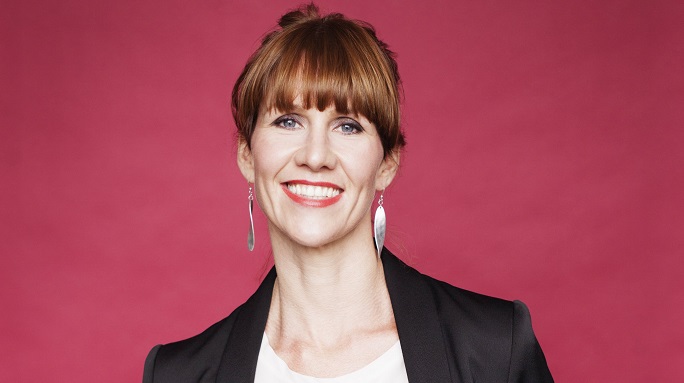
Sarah Hall three quarter

“As long as we evolve and adapt, we’ll be fine. Practitioners who think paid promotion isn’t part of the job need to think again. At Sarah Hall Consulting, we adopt a channel neutral approach. My belief is that’s what all sustainable PR agencies will do in future.”

Unafraid to speak his mind, Chris Hewitt, CEO of public relations company Berkeley said that most press releases are boring and in need of a desperate shake-up. While speaking to us about the future of press releases, Chris said PRs need to be more creative with their approach.
chrishewitt_pr

“[My] point is that traditional press releases are still traditional and it’s time to stop. Often the business wants to get these ‘corporate’ messages out. But there is another way. Let’s breathe life back into press ‘story’ because there is a whole world out there distracted like never before. Let’s inject a little bit of Hollywood into our messages to stand out in a crowd.”

In Conclusion 

Top tips for success in 2017:

  • Be smarter in your outreach – working with ‘smaller’, more focused influencers with an engaged audience can be more effective than targeting high profile influencers
  • Connect and network with new stakeholders – building relationships with influencer talent managers can help open new opportunities and secure work with bloggers and vloggers 
  • Integrate your media relations with SEO –  combining PR and SEO activities in the constantly evolving digital landscape will benefit each other and the business as a whole
  • Focus on content-led campaigns – this approach allows you to distribute and measure the success of branded messaging through multiple platforms – be that media, influencers or paid distribution
  • Take advantage of the growing interest in reputation management – more organisations are seeking help from PRs 
  • Be open to paid promotion – a successful content plan includes a promotion plan to ensure your message is seen by the right audience 
  • Don’t be afraid to jump on new trends – experiment with Twitter live streaming and Facebook Live
  • Step up your efforts to improve diversity within the PR and comms industry

Karen Booth chats to us about winning a #VuelioBlogAward

Last Friday Karen Booth, author of Lavender and Lovage won the coveted best food and drink prize at the #VuelioBlogAwards. Following her victorious win Karen Booth chats to us about why it feels good to be recognised and why she thinks her win will open new doors for her.

karenbooth_vuelioblogawardswinner1

I am delighted and so pleased that all my hard work over the last few years has been recognised by a prestigious company such as Vuelio!

“It was a huge surprise! I’m hoping that finally I’ll be approached by a publisher to offer me a chance to write my own cookbook – I do have a literary agent and have several proposals written and in the pipeline, but it would be nice to be asked to write something that’s unique to my writing and recipe style. I’m constantly asked by my readers and social media followers when my book is coming out. I’m also looking forward to working with more British brands on recipes and writing work.”

“Vuelio is such a prestigious platform, and my win endorses my hard work, creativity and engagement with all of my readers and followers as well as helping me to gain new and exciting projects in the future, hopefully!”

Top Fashion blogger Victoria McGrath opens up about winning a #VuelioBlogAward

On Friday, Victoria McGrath, who regularly features on our blog rankings, won best fashion blog at the #VuelioBlogAwards. Speaking exclusively to Vuelio, Victoria reveals how winning best fashion blog for In the Frow has boosted her confidence.   

“I’m over the moon! It’s an honour to have been nominated and I am so pleased to have won such a great award! It was a huge surprise. I had no idea that I would win against such great nominees. It’s a great confidence boost for myself, to almost feel like the hard work pays off in some ways. And I hope it will maybe introduce some new people to read my blog!

“The awards are a great way to highlight a number of bloggers in the industry who are really working hard to create wonderful content! I’m so thrilled to have won!”

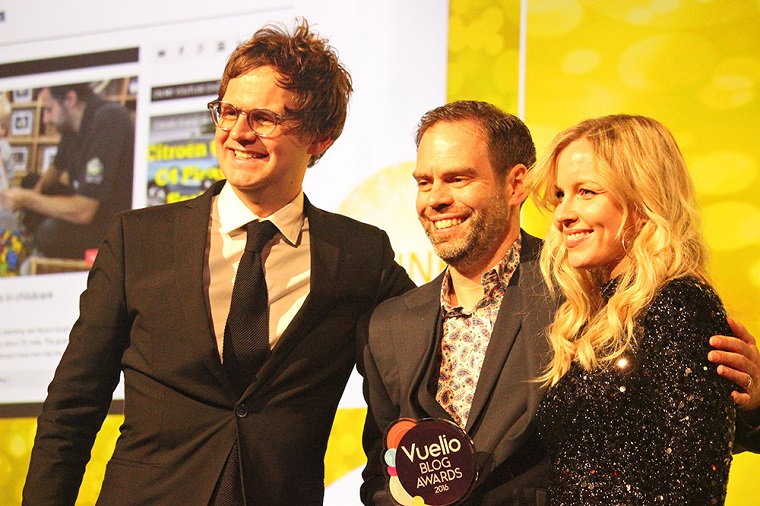
Vuelio Blog Awards 2016 The Brewery London 25.11.16 Photo: Pradip Kotecha ©Fotowales

Photo: Pradip Kotecha
©Fotowales

Daddy blogger John Adams speaks of his win at the #VuelioBlogAwards

Last Friday John Adams, author of Dadbloguk.com walked away with the best daddy blogger prize at the Vuelio Blog Awards. Having recently appeared on our parenting ranking, John shares his thoughts on winning best dad blogger and what it means for his career.      

johnadams_vuelioblogawards

“I was stunned when my name was read out. I was convinced one of the other guys was going to win so it came as a shock, albeit a very pleasant one! It feels fantastic to get recognition in this way from Vuelio. The judging panel was formidable and it means a great deal that they rated my blog so highly.

“Winning will raise the  profile of my blog and YouTube channel. It is great to have recognition in this way from people that understand blogging and marketing. I hope the award will increase my appeal to any brands or organisations that wish to work with a dad blogger or blogger that writes about the subjects I cover (family life, parenting, motoring, photography, men’s grooming and style etc.).

“As an aside, my eldest daughter wrote a note saying ‘Well Done Daddy’. It was pinned to the front door when we got home. The kids were so proud, as was my wife and mum! It’s helped me personally, not just my career.

“Vuelio has made a huge effort to understand bloggers and it is the marketing leading blogging database. It is the only media monitoring company of its size to hold a blogging award ceremony. As a result, the Vuelio Blog Awards are a firmly established fixture, despite only being two years old.

“I also think the method of judging, via a panel, means the awards are not a popularity contest. The panel is made up of bloggers, analysts and marketing specialists. There is a balance between the creative bloggers and those who need to work with them.”

Winner of top #VuelioBlogAwards prize Kate Watson-Smyth talks to us about her triumph win

On Friday Kate Watson-Smyth took centre stage at the Vuelio Blog Awards, winning best UK Blog & best UK Interior Design Blog for Mad About the HouseSpeaking for the first time since the event, Kate shares with us what winning means to her and why the Vuelio Blog Awards is important.

“I was thrilled to win the best interior design blog and completely stunned to win the best UK blog. They say that it’s not the winning but the taking part but I think a win does help your blogging career. The internet’s a big place and having an award can make you stand out from the crowd and bring new opportunities that you might not otherwise have had.”

kate-watson-smyth_vuelioblogawardswinner2

“Blogging is a relatively new industry and there are ever increasing numbers of people doing it. The blog awards is a way of giving readers a starting point to some interesting, well-researched and written blogs. It’s also great for bloggers to have some recognition for what can be a solitary world.”

Luxury magazine brands thrive in difficult print market

Despite magazine readership plummeting in recent years The Guardian reports that more than one million British consumers have stopped buying magazines), a number of “luxury” magazine titles appear to be bucking the trend and be in rude health.

While many mid-market titles have shut-up shop, gone online or pursued a future as freemium titles, Vogue, now in its 100th year, and lifestyle magazine Wallpaper, recently celebrated their biggest ever issues in fabulous, glossy print.

Nicholas Coleridge, international president of Condé Nast (publisher of titles including Vogue, Glamour and Vanity Fair) believes the ongoing success in print of high-end or luxury titles is because digital content served on an iPad does not match the experience offered by a magazine.

Coleridge told journalists: “It is very hard to replicate the physical allure of a luxury magazine on other platforms. [It is] something to do with the sheen of the paper, the way that the ink sits on the page, the smell of money and desire that wafts off the page. Readers move into a different mode when they engage with a glossy. Advertisers understand this.”

Jo Blake, head of publishing at Havas Media Group (a global marketing and communication organisation) agrees and said: “Many people say that press advertising is dead or dying, but glossy magazines are holding their own.”

Blake continued: “For many luxury clients it is first and foremost the prime medium, more so than TV, because they know competitors will all be in there. [High-end] magazines are still number one for those advertisers.”

While digital subscriptions to a magazines are on the rise, much of the growth is coming from news and current affairs titles including the Economist, The Week and Spectator.

Meanwhile print sales in the Luxury fashion and lifestyle niche are booming with Vogue selling on average 200,000 copies per issue, up from 135,000 in 1989 (pre-Internet). Tatler and GQ have seen similar growth spurts.

However, luxury magazine publishers would be foolish to be complacent.

Douglas McCabe, chief executive at Enders Analysis (an organisation providing research into subscription services) said: “We don’t think digital editions of magazines have worked at all, bar one or two exceptions. While these premium brands will continue to play an important role with advertisers and readers, there are risks from [social and digital] media from the rise of bloggers and vloggers.

“Digital has brought down the barriers of entry for [creating and showcasing] content, recommendation and discovery of products. Magazines will have to fight hard to compete with that going forward.”

Influencer Marketing Masterclass: Mark Dandy

Earlier this month we interviewed Mark Dandy, founder of Parental Influence, a new digital marketing agency, which helps to match the right influencers with the right brands. In the second edition of Masterclass, Mark returns to tell you everything you need to know about developing a content strategy when working with influencers, using software like Vuelio to monitor influencer campaigns, the importance of compiling to advertising standards, and how to use influencer marketing to grow your business. 

Research, research, research

researchresearch

“Influencers in some cases are your modern day marketing consultants. They have so much value beyond their audience, and yet many PRs approach them from the wrong angle. Do some research; yes it takes time, but sending a blanket email to a database of bloggers and influencers, and not even including their name, is to some bloggers just lazy, and to others outright offensive. Over and over and over again, the industry professionals will tell you it’s all about building relationships. Take the time to read their blog, would their audience like the product or service you’re promoting? Has the blogger mentioned similar things in the past? What was the response? Get influencers to discuss their previous work, ask them questions showing you value their opinion and feedback, and build some trust. Yes, it takes a while, and yes we live in a world which demands instant results, but if you want to make the most of influencers, take the time to do it properly.”

Don’t be afraid to give control to the influencers

control

“I think it’s important for PRs  to involve the influencers from the beginning. As an influencer Agency we see PRs and brands working with influencers much more often now which is great, but before even opening a blog post or viewing a video, we can often tell it’s sponsored. Selective titles, featured images and hashtags give the game away immediately, and the main reason is a brand or PR demanding things be said or done in a certain way. Don’t be afraid to give control to the influencers. You are hiring them because of the influence they have over their audience, an influence they’ve built through their own content. So let them create your content in their own style, and be part of the ideas phase from the beginning. The results will speak for themselves, trust me.”

Monitor engagement 

monitoring

“Influencer marketing has become very data centric now, with PR and marketing teams looking for the best return on investment and the data to back this up. As with any media buy, you wouldn’t want to be paying influencers that aren’t performing well for your brand, and so being able to track this impact is paramount for brands in this digital age. It’s why tools like the media analysis that Vuelio provides are so useful. You want to be able to track how a brand is perceived. Engagement is one thing, but is that engagement positive or negative? How has that engagement impacted the wider sentiment surrounding the brand? Influencer marketing has the power to spread messages quicker than ever before, so staying on top of these messages and how an audience reacts is so important for PR to manage the reputation of the brand.

Play an active role in your influencer campaign

active

“I’ve seen some great examples of brands and PRs building trust with influencers whilst working over a range of different campaigns. The goals a brand sets when starting an influencer campaign will depend on how they react, but if the goal is to increase audience awareness and to generate interactions, then the brand has to get involved. This can be sharing the influencers content on their own social media platforms, and tagging the influencer, allowing messages to be shared between brand and influencer and an organic conversation to be created from this. Audiences can then track this conversation, get involved, or be targeted by the brand and the influencer. A great example was a recent campaign based around buying gifts for the family over Christmas. An influencer posted on Instagram about a few gift ideas, and the comments from the audience started to flood in. The brand was there ready to discuss the influencer comments, engaging directly with the audience, following the audience, commenting on their posts, and finding relevant synergies between the brand, the audience, and the influencer all in one post. Many brands can leave the influencer to post and then say “How many likes and comments did we get?” Get involved.

Educate yourself about the rules and regulations of influencer marketing     

rulesregulations

“As influencer marketing evolves, new ways of advertising to audiences will become available – and the authorities are always playing catch up and banning certain things. This can create problems as if you’ve created a strategy around something which was legal a week ago, but now isn’t, you have to start from scratch. The Competition and Markets Authority do have clear guidelines on bloggers and influencers, as do the Advertising Standards Agency, and so I think the information is there to be read, but more dialogue needs to take place between the authorities and the industry, as at the moment it seems there is a big divide on this subject when it comes to how we present sponsored content to an audience. There is then the other side of the coin as to what is legal but not strictly moral. With this, I think it’s down to individual PR firms. However, I would say that with millennials being the majority of the influencer market, they have a much higher moral standpoint and awareness these days, so taking the slightly grey route may lead to a few trips along the way.”

Storytelling is at the heart of influencer marketing

storytelling

“I don’t want to delve into the psychology of it all, but when you view influencer content, some of it can be aspirational, some of it can be directly relatable, but either way, there is a story behind that content that is relevant to the audience. The reason influencers are so good at engaging an audience, is they tap into the audience story more than any other form of marketing. Influencers are identifiable and are seen as real people, with a sense of reality, that you don’t get from major celebrities. Therefore, when they create content, they do so easily from an audience point of view, the feedback is instantaneous, and they can judge from an audience’s reaction how that content was perceived and shape future content based on this. At the end of the day though, we all love a good story and if for five minutes at lunch we are taken on a fun ride from our favourite influencers, that’s five minutes well spent.”

Followers do not equal value

followers

“I think when it comes to pricing, we need to be clear about what’s involved. I think it’s down to an influencer to set their price. We can compare it to relevant influencers in their subjects and see how they compare, but ultimately, we all have a price, a sense of our own value; if you offer less, it doesn’t mean an influencer should accept it, just because someone else will. To a large extent is still prevalent, it’s all been about the notion of reach, and so in influencer terms, how many followers do they have? At this point, we’ve put in a basic principal that someone with more followers deserves more money. This is categorically untrue. Followers do not equal value. The value is in the engagement, and the perception of that influencer in their particular field. Return on investment is always going to be the key issue. But we’ve become so data centric, that without clear and incisive data, we seem incapable of making a decision. Influencers are on the borderline of big data. Can we track reach? Can we track engagement? Can we track click-through rates? Ultimately if you provide a link, can we track purchases? Yes to all those questions, but I think sometimes the value in influencer marketing is in what feels right.  That might sound like a bit of a cop-out answer, but With brand perception, it can take months, even years to change a person from brand negative, or brand agnostic, to brand positive. We want people to buy things right now, and so data is always about how many people bought our product a week after an influencer featured it, but sometimes the role of influencers is to plant a seed. I like that person, I like what they stand for, but I don’t like that brand. Ok, I still like that person, what they stand for is something I agree with, and I value that they wouldn’t work with a brand that didn’t align with their values. I’m thinking more about the brand. Sometimes that’s all it takes.”

Video is the future of the internet

vloggermaster

“Video is the future of the internet, with some industry thought leaders suggesting that we will probably see 80% of the internet as video by 2020. I think with the rise of SnapChat, and Instagram now moving towards “stories” we’re seeing a huge shift towards video content and it’s going to carry on growing. This has two sides of it, as video becomes more popular, there will always be a charge to get more video content out, but then are we just contributing to the noise? Competing with more and more video content producers means your brand is just one of many aiming to get a slice of an ever increasing pie. This is when choosing an influencer is more important than ever, and why I truly believe in the power of micro influencers (those with less than 50,000 followers) as their engagement with their audience is much higher. You will also find that the audience is more of a specialist interest, and that the audience follows a micro influencer for a particular reason. Therefore, aligning brands with the correct audience profile is going to be so key. We all talk about going viral, and the biggest viral video at the moment is the #MannequinChallenge. Brands are jumping on it, and yes it might get a few likes and retweets, but who’s going to remember which brand did what in a month? Not a lot of people. But a constant relationship with a set of key influencers, interested in your brand, with an engaged audience, will be more important than ever.”

Securing a return on investment

roi 

“As a PR your responsibility is to your client, and in doing good work for clients, your reputation will grow, you’ll retain more business, and you’ll probably gain a lot of new business off the back of it. Influencers can play a key part in this, as having a great relationship with key influencers in your industry is a unique selling point. At Parental Influence we want to help PRs align themselves with the right people, and nurture relationships to gain the best results for their clients. However, they have to be willing to put in the hard work, the time and the effort to get to know the right influencers and the right matches.  If you look at a job spec for a PR these days, it requires a black book of contacts of journalists and influencers. But just having a database of phone numbers and email addresses isn’t good enough anymore. The biggest investment is time. Yes, influencers need to be paid, and yes marketing campaigns cost money. Put the time in, build the relationships, and you’ll start to find that the return on your time investment will grow.

Blogger Masterclass: Nik Speller

Nik Speller is the founder of influencer marketing consultancy; N.K.B. and contributor to men’s lifestyle blog, Buckets and Spades. With a passion for writing, Nik started his career posting reviews of restaurants on Twitter; soon after he met Matthew Pike, editor of Buckets and Spades who invited him to contribute articles to the blog. Now a regular contributor to the critically-acclaimed site, in addition to working with big brands on high-profile campaigns, and now helping other influencers to do the same, Nik is an expert at influencer marketing. In our first Masterclass series, Nik gives a definitive guide on everything you need to know about working and building relationships with influencers.      

nik-speller-masterclass

Influencer marketing: the Wild West

influencermarketingmasterclass

“Influencer marketing is still a very new industry. People keep describing it as the ‘Wild West’ and, in my experience, only a few brands and marketing/PR agencies really understand it well. As you’d imagine, there’s a lot of mistakes being made; but, I’d say the overwhelming one is the failure of brands and PRs to dedicate the time needed to form strong relationships with influencers.

The most effective influencer marketing comes from a strong connection between the brand and influencer; one where the influencer understands the brand, grasps their message, and wants to actively promote their products and services.

“This only really happens when brands and influencers know, understand, and respect one another.”

Building relationships with influencers

buildingrelationships

“Firing off blanket emails to a whole list of bloggers, saying how much you love their work, and offering them up a product which – most likely – isn’t relevant to them and their audience, and will only end in disappointment.

The best thing PRs and brands can do is take the time to find those influencers best suited to their brand’s look, style, ethos, and message.

“Once they’ve done this, approach the influencers strategically. Don’t expect too much too soon. Try and meet the influencers or chat to them, to get an understanding of how they work, and propose projects that suit the content they regularly produce.”

Have a strategy

strategy

“Like any working relationship, getting to know each other is key. If PRs have read up on an influencer, followed them for a while, regularly seen their content, that as a first step will go a long way to bringing an influencer on board. The PR will have a much better understanding of how the influencer works, the sort of projects they’re interested in, and how best to approach them.”

Creating long-term partnerships

partnerships

“I’d say Bellroy, an Australian wallet brand, are a great example of a brilliant PR/influencer relationship. We featured them on the blog a good few years ago, after I bought one of their wallets. They then contacted us to say thanks and we chatted a bit about blogging, menswear, and the rest.

“A while later, they sent us some of their latest products to test – with no expectation that we would cover them again. We continued to chat and when their products worked well for us, we featured them, and when they didn’t, we didn’t. Simple as that.

“We’ve since worked on a number of projects with them, including them on the blog in quite a few travel features, Instagram shots, product recommendations, and more. For them and for us, it’s a really solid, respectful working relationship, that’s grown over time and generated some great content.”

Engagement

engagment

“Engagement is a difficult thing to measure, really. Clicks, likes, shares, etc, they’re all good, but they often don’t mean much for the brand, ultimately – and, can often just be a factor of how often the content has been posted, what hashtags are used, and the rest.

“The best engagement comes from content that really catches the eye. Influencers have built their audience by knowing what works and what doesn’t.

When brands put faith in influencers to create content as they see fit, then they end up with a genuinely engaging content, that’s of actual interest to their target audience.

Embrace the power of smaller influencers

bloggersmaster

“Brands have become disappointed and disillusioned with  mega-influencers for the wrong reasons, though. Again, the mega-influencers have gained their huge following through creating content that really resonates with their audience. However, a lot brands seem to want to use them simply as an ad platforms, buying one or two posts endorsing their product.

“This, to me, is the least effective form of influencer marketing. For all the likes, shares, and views it’ll get, it’s too obvious and not compelling enough for the audience to take an interest in the brand.

Conversely, when brands work with smaller influencers, they won’t go for an ad – as the follower numbers don’t seem to justify it. Instead, they work on a more creative feature that will, ultimately, interest the influencer’s audience more.

“There’s also the fact that the smaller influencers can often be more focused on a particular subject area that’s more relevant for the brand. This means the brand gets exposure to a far smaller audience, but one that is genuinely interested in the brand and their message; rather than the audience of the mega-influencer, which usually covers a fairly broad spectrum of people.”

Content is king

contentkiing

“Content is always king, but promotion is equally important to get your content noticed and to build an audience. However, even once you’ve gained a significant following, it’s not like you can relax and scale back the quality of your content.

Influencers are only influential if their content is good – and, by that, I mean relevant to their audience and in keeping with their tone, style, and approach.

“To any new influencers starting out, I’d say that focusing on the content, rather than worrying about follower numbers, is the way to go. I know a few guys on Instagram who only started posting in the last 18 months, but have gained a big following, quickly, through producing killer content.”

Make influencers part of your marketing strategy

marketingstrategy

“Be strategic, be respectful, and take your time.

“It’s really important to think about influencer marketing strategically. What are you trying to achieve? And how are you going to achieve it?

Get out there and speak to some influencers and experts in your industry. Find out what content they think works well, what they think doesn’t, and learn from this. Collaborate on briefs, collaborate on projects, and don’t just force a preconceived creative idea on anyone.

“Finally, taking your time is key. Influencer marketing is about building a respectful relationship with influencers; not just using them as some sort of ‘fire and forget’ ad channel.”

Influencer marketing predictions for 2017

trends2017

“It’s hard to say, really. This industry is changing so fast; but, I think there’s a few trends bubbling up that will grow and continue into 2017.
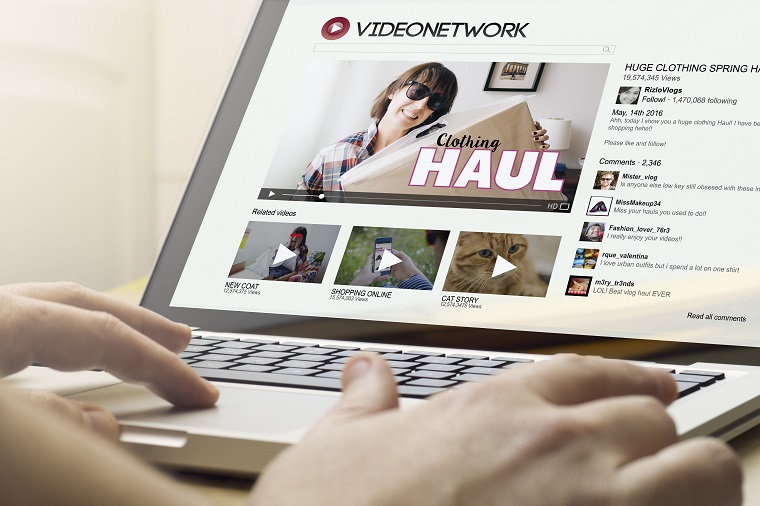
“Firstly, I’ve noticed a few brands taking more interest in content, than in follower numbers. These brands have seen that working with the mega-influencers doesn’t always yield results, as they aren’t always the best fit. Working within smaller, creative influencers, with a specific and highly relevant audience, can be far more effective.

“Ads seem to be on the increase, especially on Instagram. With brands now allocating more budget to influencer marketing and the rise of ad blockers, both brands and their agencies have more cash to invest in influencer ads. I think this will grow, but ultimately fall, as these ads really don’t generate as much value as brands like to think. The more successful content is well-briefed, well-structured projects, that allow influencers to get more creative and deliver content with far greater impact.

“Finally, I do think we’ll see the industry shrink a little – or, at least, begin to specialise. There’s a lot of influencers out there covering the same general topic areas and the attention of the audience has a finite limit. Eventually, some influencers will drop out of the ‘game’, while others will turn their attention to areas of specific interest to them, perhaps having smaller, but more focused and engaged, audiences.”

Moda Living

ParcelHero

Random House

Barbican