PR Tips for Monzo success

4 PR tips for Monzo success

This is a guest post from Katy Bloomfield, Comms Director at TopLine Comms.

Monzo is arguably the UK’s biggest fintech success story to date. Just look around any London underground station and you’ll see hordes of commuters tapping in and out with their bright coral cards. Millennials are mad about Monzo; they make up its biggest market and help to drive its popularity, which continues to spread like wildfire.

In 2018, Monzo welcomed its millionth customer and secured new finance through customer crowdfunding, boosting its value to more than $1bn (£787m). Not bad for a digital bank that first launched in 2016. From its semi-humble beginnings, Monzo has grown into an industry leader. Plenty of start-ups want to emulate its success, and many PR agencies would love to work with them.

There is no doubt that Monzo’s spectacular trajectory is a great story, but it’s important to remember that a number of factors contributed to its rise. Here are four lessons PR firms and professionals can learn from Monzo.

1. Pay attention to timing
When it comes to PR, there is little better than being in the right place at the right time. To maximise this sweet spot, you need to understand your market fully – that includes your target audience as well as your competitors. Pay attention to trends, behaviours and events – this will help you identify the perfect moment to announce yourself.

Monzo, of course, could not have timed its arrival better. The 2008 recession did some serious damage to banks’ reputations, and consumer confidence hit rock bottom. The financial services industry worked hard to rebuild its reputation, but an increasingly tech-savvy customer base wasn’t satisfied with more of the same.

Digital disruptions were upending all sorts of status quos, from hailing a taxi (Uber) to booking accommodation (Airbnb) – and banking was no exception. In 2016, the foundations for a fintech revolution were already in place: 47% of the world, for example, used mobile banking. Monzo was not the first fintech to launch, but it launched during a perfect storm of opportunities and, crucially, launched with a better product than its competitors.

PR lesson: Keep a close eye on the market, and make sure your communication is well-timed.


2. Play the long game
Good timing requires patience, agility and a stockpile of content to release at the right time. It doesn’t pay to publish everything all at once, you’ll simply overwhelm your audience and drown them in messaging. Monzo used incremental communication tactics like focus groups, online surveys and social media teasers, and only then did it launch its first campaign.

Monzo also knows how to whet appetites and seed interest. The company cleverly staggers news, product updates and announcements: and the strategy works well. Founder and CEO Tom Blomfield recently penned a blog post on the company’s planned updates for 2019, introducing an exciting next stage of features that could add some serious value to Monzo’s core offering. The response has been positive, loyal and anticipatory – you can almost ‘hear’ the bated breath.

PR lesson: Keep your powder dry.


3. Know your audience
Monzo knows its target audience inside out. The company is enmeshed in millennial culture; using collaboration to create a democratic business. The Monzo Community Forum is one such example, encouraging customers to become advocates and evangelists known as ‘Monzonauts’. This community is treated to special events and their insights and ideas are fed back into product development for testing in Monzo Labs.

The Monzonauts are such an integral part of the bank that when the company’s original name, Mondo, faced a trademark challenge from another business, they came up with ‘Monzo’. By allowing Monzonauts to guide the company’s development and get involved, Monzo created a product that people want and will recommend. It worked; early referrals accounted for 80% of the company’s early-stage business.

PR lesson: Focus on the customer. They are your biggest asset.


4. Get out there and network
Blomfield has a rather rarefied circle of friends which assisted the company’s ascent. That said, he had to get out there, meet them and convince them of his idea’s viability – which he did. Blomfield cofounded GoCardless, a business aimed at streamlining direct debit collections, with two friends while studying at Oxford. They pitched the start-up to Y Combinator, an innovation incubator in Silicon Valley and in the process, met – among others – Mark Zuckerberg.

In 2014, Blomfield became Chief Technology Officer at Starling Bank. This was one of the UK’s first fintechs to launch after the financial crisis. During this time he met and worked with many top industry people, some of whom now work for Monzo or helped cofound it.

PR lesson: Building a business relies on making good relationships with key people. Make sure your communication efforts are targeted at the brand’s network of contacts – as well as its customers.  


Whether you’re a PR agency, or looking for one, keeping these four tips front and centre at all times will give your marketing efforts more oomph in the highly competitive world of fintech.

sharron and anita pr blind date

PR and Journalist ‘Blind Date’: When Relevance International met The Travel Magazine

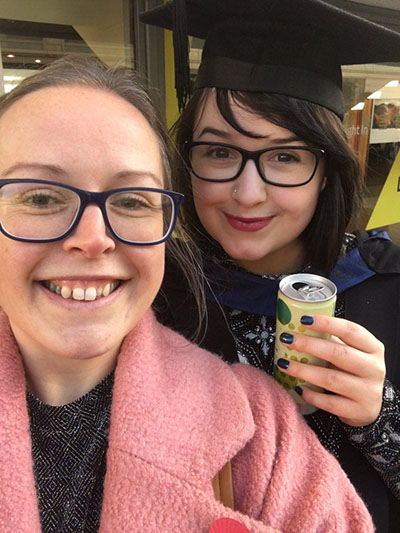
Our third ‘couple’ in the first of our ‘blind date’ series were Anita Gryson, associate director at Relevance International and Sharron Livingston, editor at The Travel MagazineHere’s what happened when they met for their PR and journalist ‘blind date’. 

How was your lunch?
Sharron: It was interesting and fun. Anita was a fabulous lunch date.

Anita: Lunch was enjoyable and informative. It was a great opportunity to catch up with Sharron who I hadn’t seen since before I started working at Relevance International, just over a year ago. The team at Vuelio did a fantastic job at ‘matching’ us seeing as Sharron and I have both been working in the travel and lifestyle sector for over ten years. We met each other at the start of my career when I had just moved to London. We travelled together to a luxury resort I was launching in the Seychelles, and have made sure to arrange regular catch ups since then.

Sharron is passionate about travel and is regularly interviewed on TV, radio and in the press about travel trends and destinations. She updated me on the latest news from The Travel Magazine, a travel portal with highly informative, upbeat and inspirational articles for people who love to travel. We discussed potential stories for some of my clients including The Royal Atlantis Resort and Residences opening in Q2 2020 and The World’s 50 Best Restaurants’ 50 Best Explores travel series.

Did you learn anything new about their role? If so, what?
Sharron: I wasn’t aware of her new role. So, it was great to chat about what she does and who and her clients are.

Anita: It was interesting to hear about the way in which The Travel Magazine works with brands. She explained that the magazine has existed purely as an online publication since 2009 and is focused on brand journalism and cross-platform storytelling. As storytellers, they work with clients to include their brand and product offering as native advertising through highly informative, upbeat and inspirational articles. They also use their substantial social media following to not only promote a brand but also engage their readers with it.

In the past 10 years, The Travel Magazine has worked with hundreds of clients, including airlines, accommodation providers, CVBs, DMOs, visitor attractions, travel accessories, tour operators, OTAs, cruise companies, and many more.

Were you surprised by anything they told you about their job?
Sharron: No

Anita: Sharron and I established that there is definitely a misconception that our jobs are all about travelling, sipping champagne and parties. Ironically, we were discussing this over lunch while sipping a glass of wine.

Naturally, everyone sees the glamour of a career which involves travelling around the world. Due to the valuable time spent away from the office, travel time, layovers and time differences, the role can also involve fact checking at midnight having just landed at Heathrow, or writing a press trip report or article in transit to ensure deadlines are met. To be successful as a travel journalist or PR, it is a must to be passionate about travel and determined to get the job done. Sharron always delivers.

If you could share one top tip from lunch what would it be?
Sharron: Ask lots of questions and listen intently.

Anita: I would advise brands who want to engage with influencers to look further than those who are associated with Instagram. Online platforms can be valuable and have proven to make a difference to a brand’s bottom line.

Do you think this lunch will change how you interact with PRs/journalists in the future?
Sharron: Not really.

Anita: Driving results for clients and forging strong relationships with journalists will always remain at the forefront of my mind. Ultimately, our aim is to get that story published. Taking time to get to know someone’s likes and dislikes helps us build strong working relationships. Being professional, passionate and connected continue to be key work values I live by.

Did you disagree on anything? If so, what?
Sharron: No. It was a conversation and an exchange of ideas and we explained how we work and what we are looking to achieve.

Anita: The conversation cards we were given allowed for an interesting conversation about journalists and PRs, best and worst experiences, what we look for, respectively, when working with journalists and PRs, and common misconceptions. We were very much on the same page.

If you could change one thing about PRs/journalists what would it be and why?
Sharron: Only that I would like to receive only relevant stuff, but with round-robins that is not likely.

Anita: I’d love to swap jobs for a day so that PRs can appreciate the hard work that journalists do as well as what we do for them.

Finally, do you think you’ll stay in touch?
Sharron: Yes. I am sure there are ways to work together.

Anita: Absolutely. It was great to hear how The Travel Magazine has evolved since its launch. I hope to still be working with Sharron in ten years’ time, and again ten years after that, with regular catch ups and lunches. A big thanks to Vuelio for arranging this one!


Sharron and Anita’s ‘blind date’ took place at the Paternoster Chop House aka the First Dates restaurant! If you’re a PR or a journalist and you’d like to be set up on one of Vuelio’s professional ‘blind dates’, please email Rebecca Potts.

Emergency Brexit

Emergency Brexit: Predictions for the Comms Industry

The UK is set to leave the EU on 29 March – that’s only 25 days away. Our next webinar will explore what these final weeks have in store for the comms industry and what’s coming next.

Emergency Brexit takes place at 11am on Tuesday 5 March. You can sign up to join us live, or receive the recording afterwards.

The webinar will hear from leading industry experts including Iain Anderson, executive chairman at full-service communications and market research agency Cicero Group, Matthew Elliott, who was chief executive of the Vote Leave campaign, and our host Lionel Zetter.

Matthew, who is now senior political adviser to Shore Capital, has been described by the Financial Times as ‘one of the most formidable political strategists in Westminster’, by the New Statesman as ‘one of the most successful – and feared – campaigners in British politics’, and by the BBC as ‘one of the most effective lobbyists at Westminster’.

He previously led the successful NOtoAV campaign in the 2011 referendum on changing Britain’s voting system, and he also founded the TaxPayers’ Alliance and Business for Britain.

Iain is an expert in integrated communications, global political risk and public policy. He has over 25 years’ experience in communications, initially as a business journalist and then as a founding shareholder at Incisive Media. He has also worked for a range of politicians, including Kenneth Clarke MP on his leadership bids.

He is co-founder and executive chairman at Cicero Group and focuses on public policy and corporate communications strategy supporting many global FTSE and Fortune 500 blue chip organisations. He provides CEO and Board-level counsel.

Lionel is known across the industry and has written, spoken and taught widely on politics and public affairs. The former CIPR President is an expert in lobbying and will play host to our other esteemed guests.

The webinar will cover the comms aspects of the original Brexit referendum, the effect the result has had on communications and business over the last three years, how to prepare for Brexit and what the likely scenarios are over the next four weeks and beyond.

Everyone who signs up will have a chance to question our guests but if you’re unable to join us live you’ll receive a recording of the whole webinar afterwards.

Sign up here, and prepare for Brexit.

Amanda Coleman

PR Blogger Spotlight: Amanda Coleman

Amanda Coleman is head of corporate communication at Greater Manchester Police and uses her blog to share opinions and expertise on issues across the industry. Amanda’s blog is featured in the Top 10 UK PR Blogs, and we caught up with her to talk about how Brexit and other issues are affecting comms, and why it’s important to love what you do!

What’s in store for the blog in 2019?
I never really make firm plans for the blog I just see what happens and then work from that point. It was set up so I could share some thoughts, views and ideas as long as I can still do that then I will be happy.  

How has PR changed since you first got into the industry?
It has changed almost beyond recognition. There was no social media when I moved into PR and we had one computer that could access the internet for the whole office. At the heart of it though the skills are still similar, it is about people and understanding them as it was when I started. 

How much is Brexit affecting comms in the UK?
I think the uncertainty is what is affecting people the most.  

What’s the biggest issue facing the industry (outside of Brexit)?
The issues remain broadly as they have in recent years. The lack of diversity is a critical issue as is the gender pay gap that still exists. The challenge is also to demonstrate real business benefits and to have the right data and analytics to support what we do.  

Are traditional media outlets losing their importance to the industry?
From my perspective no. Their role is changing but the move for media to rush to break the news digitally means they are moving to be more relevant to modern audiences. The way our society is organised means they are still influential among stakeholders. 

What’s the best campaign of 2019 so far?
I think it has to be the Greggs vegan sausage roll mainly for the interaction that the brand had with Piers Morgan. As a vegan, though, I  am yet to taste one. 

What advice would you give students looking to join the PR industry?
Find the right brand or organisation for your values and interests. You spend a lot of time at work and if you can’t love what you do then you can’t give your best.          

What are your best pitch tips for PRs?
Understand the business and know the data. 

Do you receive pitches from other PRs looking to work with you in your capacity as a blogger?
Very rarely but that is probably because I work in the public sector and people realise I need to be careful about any conflicts of interest.  

What other blogs do you read?
I love finding new blogs or first blogs from people. I am always drawn to communication and PR blogs. I love all those who are on the Top 10 including Sarah Hall, Ella Minty and Stephen Waddington

Reach-the-right-influencers-with-the-Vuelio-media-database

MK and Wadds

Comms School aims to create top bloggers of the future  

Top PR bloggers and Metia colleagues, Stephen Waddington and Marcel Klebba, have joined forces to help students get ahead in their careers through blogging and creating communities. We spoke to them to find out what Comms School is and how it’s going to help progression in the industry. 

What is Comms School?
It’s a community for anyone that’s keen to learn practical communication skills to get ahead in their job. During the initial 12-week course we’ll cover the basic skills you need to land a job and get ahead. We’re running webinars every other week.

Who are you?
Stephen recently landed at Metia, the digital marketing agency, as managing director. Marcel is a new colleague who captured industry attention in 2016 thanks to his relentless approach to blogging and networking while at Westminster University. We’ve both been named top ten industry bloggers by Vuelio for the past few years and Marcel was crowned the UK’s top PR blogger in 2017 [pictured, above, with Stephen celebrating his win].

Why have you set up Comms School?
There’s a gap between what students are taught at college or university and the practical skills needed to get ahead at work. Mentoring, work placements, Twitters chats and initiatives such as Richard Bailey’s #PRstudent blogging community all help. We want to help people that are looking to get ahead in their career as well as create a talent pipeline for Metia.

What will success look like?
We want to help students land jobs by blogging and building networks. It would be great to see our students feature in the Vuelio blog ranking in the future and maybe there will even be an award-winning blogger among our graduates.

What topics will you cover?
The six sessions and online discussions will cover blogging; building a social profile; developing an online community; content creation; and finding a job and getting ahead.

How do I join a session?
We’ve built a virtual classroom on Facebook. Follow the link or search for Comms School. Please come and join the growing community of more than 300 people. Sessions start on 5 March.

School’s in – good luck to everyone taking part in Comms School, we look forward to seeing you in our rankings soon! 

DEFRA

Government comms focuses on influencer outreach

Michael Gove’s announcement that he has appointed 10 ‘green ambassadors’ is the latest sign that the political and influencer worlds are colliding.

Under Gove, the Department for Environment, Food and Rural Affairs (Defra) has embarked on an ambitious programme of work. Some of this is forced – leaving the EU requires major changes to agricultural, fisheries and environmental policies – but much of it seems to stem from Gove’s own desire to make a mark.

Indeed, improving our environment seems to have become something of a personal mission for Gove, who tweeted that footage of the impact of plastic pollution on our oceans in David Attenborough’s Blue Planet II had left him ‘haunted’. Measures he has announced include a ban on plastic straws, stirrers and cotton buds and a deposit return scheme for drinks containers.

When Theresa May launched the 25-Year Environment Plan in January 2018, one of its measures was a commitment to make 2019 the ‘Year of Green Action’, alongside a commitment to scope out ‘an evidence-based behaviour change strategy’. Indeed, one of the most important parts of delivering the environmental change our planet requires is to deliver behavioural change by getting us to appreciate our impact on the environment.

With this in mind, it is hardly surprising that Gove has chosen to work with influencers in order to communicate his department’s environmental message. By moving beyond ‘traditional’ ambassadors – you might expect such a list to contain charity leaders, academics or high-profile businesspeople – Gove will know that his message is reaching a larger, more diverse audience that more conventional figures simply wouldn’t reach.

Indeed, the list of ten ambassadors is wide-ranging. It contains Besma Whayeb, whose blog Curiously Curious was ranked as one the top ten UK green blogs by Vuelio, and Sian Conway, the Green & Eco Influencer of the Year 2018. Alongside these, the list also includes an endurance swimmer, television presenters and an adventurer who sailed across the Pacific in a boat made of 12,500 plastic bottles. And while there is an academic – Professor Tim Jackson – even he has nearly 11,000 Twitter followers.

Gove’s expressed hope is that his strategy will, ‘ensure that this country is recognised as the leading global champion of a greener, healthier, more sustainable future for the next generation’.

The ambassadors were introduced at a reception which also featured the #iwill4nature campaign, encouraging young people to take part in green social action. Among the newly-announced influencers was the student Izzy McLeod, who blogs as The Quirky Queer. It seems clear that by working with younger influencers to spread messages about environmental responsibility to their peers, Defra hopes reaching the next generation and implementing its environmental goals will be much easier.

Scott Guthrie

PR Blogger Spotlight: Scott Guthrie

Scott Guthrie’s blog focuses on informing PRs on everything to do with influencer marketing, alongside content around wider comms topics. Scott Guthrie is one of our Top 10 UK PR Blogs and we caught up with him to talk about influencer marketing issues in 2019, top tips for pitching and why The Body Shop is winning at influencer marketing so far this year. 

What’s in store for the blog in 2019?
More of the same. I wrote 47 articles on influencer marketing for my blog in 2018 plus a dozen or so covering public relations in general. Increasingly my aim is to peer over the brow of the hill at the issues influencer marketing is likely to face in the near and midterm.

Last year I foresaw three major issues for the nascent industry: influencer fraud; lack of transparency in disclosing advertisements; and a media backlash. These issues will rumble on throughout 2019 but we will also look beyond compliance to consider the ethics surrounding influencer marketing. For example, we will consider why it’s not okay to promote gambling sites to young, impressionable audiences, and why ‘merch’ shouldn’t be so oversold. The industry will also start to ask questions about kidfluencers, image manipulation and virtual influencers. I’ll be writing about these issues and how the industry approaches them via regulation and trade body codes of conduct.

How has PR changed since you first got into the industry?
I can still (vaguely) recall foot messengers delivering financial results and press releases by hand to the City editors. While in newsrooms rip and read printers spewed out headlines from the Press Association. Press releases were usually faxed to newsrooms. The importance of a good story told well from a trusted source hasn’t changed. The technology surrounding news acquisition and distribution has. Technology has splintered the entire media landscape.

How much is Brexit affecting comms in the UK?
Brexit is affecting comms in two ways: by seemingly keeping all other news from front page for almost two years; and, by heightening a sense of anxiety. My clients are typically small businesses. Small business accounts for over 99% of all private sector businesses in the UK. Yet, just 6% of small and medium-sized businesses feel the Government is listening to their concerns about Brexit. That is causing them anxiety and preventing them from making any significant business decisions.

What’s the biggest issue facing the industry (outside of Brexit)?
Influencer marketing offers an amazing opportunity to the public relations industry. The discipline can transcend ‘selling stuff’ to embolden positive reputation, communicate an organisation’s purpose, assist in a crisis situation, or scale subject matter expertise heightening employee advocacy in the process. The biggest issue is the risk that these opportunities are passed up by the PR industry. The risk that these opportunities are squandered; handed over to the other creative industries only for us to look back in future years and realise our mistake. The same mistakes of missed opportunity that we saw with failing to shape the future of social media, SEO or content marketing.

Are traditional media outlets losing their importance to the industry?
There is no secret that the media has fragmented from print, to online and social media. In turn influencers have emerged on every media, in every market. This does not mean that traditional media outlets are no longer important. It does mean that, as effective communicators, we need to know which mastheads, broadcasters and individuals are influencing the important people we are seeking to influence on behalf of our clients. Our opportunity is to work with these organisations and influencers and to engage with their networks in the way we have traditionally done solely with journalists.

What’s the best campaign of 2019 so far?
The Body Shop works with influencers in two very separate ways: to sell product; and to affect positive social change. For its Forever Against Testing campaign, the cosmetic company sought to gather eight million signatures in the form of a petition to take to the United Nations. The campaign over achieved its objective in under the time allocated: 8.3m signatures in 3/4 time. The campaign demonstrated a fundamental element of influencer marketing – that influencers can help affect change in behaviour and opinion. And that the change needn’t be confined to a purchase decision. The campaign also highlighted the importance of an integrated communications programme.

What advice would you give students looking to join the PR industry?
Read widely and read deeply. Acquire a firm understanding about how the PR industry is put together and look to specialise in a particular area. Follow relevant hashtags on LinkedIn and Twitter. Start to form your own opinion then codify and collate those opinions into your own blog. Writing about a subject is a wonderful way to better understand that subject. It is great way to showcase your mastery of the subject and mark yourself out from other graduates looking to enter the industry.

What’s your best pitch tip for PRs?
Never pitch blind. Know who you’re pitching to. Know what they’ve written or broadcast recently. Know their point of view. Understand their audience. Attempt to establish a degree of relationship before you need to pitch. That might mean following the journalist on social media, sharing their articles and commenting on them. My best pitch advice is to be useful to the journalist.

What other blogs do you read?
I am a major fan of Richard Bailey’s work at PR Place. He edits the site and his Friday morning round-up posts are a must-read for PR practitioners regardless of whether they are just starting out or well-established in their careers. I also enjoy talkinginfluence.comstedavies.cominfluenceonline.co.uk,orlaghclaire.com, and the Vuelio Blog natch!

Reach-the-right-influencers-with-the-Vuelio-media-database

Magazine rack

ABC releases magazine circulation figures for the second half of 2018

According to the Audit Bureau of Circulations (ABC), many magazines saw a decline in circulation for the second half of last year.

For women’s magazines, Red and Bella grew the most, by 7% and 6% respectively but for a large number of magazines it was a different story. The biggest year-on-year falls were experienced by Now magazine (43% decline) and Cosmopolitan (23% decline).

Mark Winterton, managing director for women’s weeklies and TV at TI Media, told Press Gazette: ‘We are starting to see the benefit of our bold decision to go against the grain and remove our women’s weeklies titles from bigger packs.

‘While the overall ABC results reflect the initial impact of stripping out the bigger packs from our promotional activity, which inflates sales figures, these single copy sales are indicative of the rewards of doing so. Our investment in audience research and editorial redevelopment will continue across all titles in the portfolio.’

Rob Munro-Hall, group managing director at Bauer Magazine Media UK, owner of second highest circulation magazine Bella, said: ‘Our focus on curating the highest quality content continues to drive engagement on all platforms – with print remaining proudly at the heart of what we do.’

For men’s interest magazines, Stuff’s circulation fell 27% year-on-year between July and December 2018. The now-closed free magazine Shortlist recorded the highest circulation, shifting an average 500,000 copies per issue.

For news magazines, The Week’s circulation fell by over 25%, while its sister title The Week Junior grew by as much.

Marina Haydn, managing director of circulation at The Economist, said it has worked with ABC to change how its circulation figures are reported, consolidating its print offerings and separating it from its digital publication figures. Haydn said this reflected The Economist’s “product neutrality” as customers can choose between print and digital’.

This new format shows The Economist with a print circulation drop of 38%, as print figures are being compared to combined print and digital figures from last year.

According to the Economist, like-for-like figures would put its print circulation down by 10% year-on-year and its digital circulation up by 83% year-on-year.

All the ABCs are updated in the Vuelio Media Database, helping you to make informed decisions about which outlets work for you. 

Get Ahead with forward planning

How good is your forward planning?

Forward planning lets you make the most of your time – but how well are you planning ahead? 

Whether you want to fill your calendar with the best events and awards, understand the benefits of setting time aside for training, or make the most of forward features, our latest white paper gives you practical advice to improve your planning in 2019.

Get Ahead with Forward Planning teaches:

  • How to create award-winning campaigns in 2019, with tips from the top
  • Why everyone in PR should have regular training
  • How to use forward features to secure earned media coverage

The white paper presents actionable steps for making the most of your plan this year and can be used a resource for everything from the training sessions you should attend to the award ceremonies you should enter.

Download Get Ahead with Forward Planning – PR awards, training & forward features.

Ella Minty, Power and Influence

PR Blogger Spotlight: Ella Minty, Power & Influence

Ella Minty created the Power & Influence blog and is responsible for the popular #powerandinfluence Twitter chats. The Power & Influence blog is featured in our Top UK PR Blogs and we spoke to Ella about the importance of credibility, learning about human psychology, and ditching PR speak. 

What’s in store for the blog in 2019?
In 2019, following a trend I started in 2018, I’m going to be speaking primarily about ‘PR and business’. If we are a strategic management function, we need to be able to articulate how and why we are impacting organisations, their bottom line and their mid to long-term objectives.  

How has PR changed since you first got into the industry?
I think we are coming out of the shadows now, both literally and figuratively. That aura of mysticism our industry was surrounded by, as well as that general perception that we are mostly spinners, are starting to disappear and be slowly replaced by accountability, responsibility, purpose and social impact.  

How much is Brexit affecting comms in the UK?
Brexit as an outcome won’t have much bearing, in my view, on the comms output of UK agencies and consultants, on the contrary. Brexit as a process, however, has been largely pursued based on image and perception, not on facts and hard figures.  

What’s the biggest issue facing the industry (outside of Brexit)?
That has to be credibility – tactical outputs are important, for sure; however, being able to fit all those tactics, tools and techniques into credible and sustainable business propositions is a different matter altogether.  

Are traditional media outlets losing their importance to the industry?
It depends on which side of the value chain one is. For a local/regional business, the local media bears much more importance than the national. For a listed business, Reuters and Financial Times are their shareholders’ ‘Bible’. For a multinational business, national broadcasters are as important as national ‘influencers’. There is no ‘one size fits all’.   

What’s the best campaign of 2019 so far?
It has to be Gregg’s Vegan Sausage Roll. 

What advice would you give students looking to join the PR industry?
Understand the importance of research and analysis in everything you do, read as much as you can on human psychology and get a business qualification, too.  

What’s your best pitch tips for PRs?
Leave our language at the door of the boardroom; once inside the boardroom, use theirs.  

Do you receive pitches from other PRs looking to work with you in your capacity as a blogger?
I received a couple related to product reviews. I don’t do vacuum cleaner reviews, nor do I write about pottery. I’m happy to work with my peers in positioning and articulating their strategic offering, collaborating on sector-specific thought leadership pieces and market entries etc. I found it very disconcerting that those who got in touch with me didn’t take the time to actually check whether I have any ‘influence’ on the vacuum cleaner market or whether I wrote anything about which ceramic pot works best with an electric hob… 

What other blogs do you read?
Stephen Waddington’s, Stephen Davies’, Scott Guthrie’s, PR Place (edited by Richard Bailey), CIPR Influence’s, Comms2Point0’s and many others. I like reading ‘heavy’ blogs, those blogs that once you read make you (re)consider what you know, what you’ve learnt, what you can do better etc.  

Reach-the-right-influencers-with-the-Vuelio-media-database

Forward planning

5 ways to get the most out of Forward Features

Forward features are a great way to plan your campaigns and content throughout the year. Outlets across the media landscape use forward features to request PR materials and content, so they can provide a simple route to securing earned media coverage.

The Vuelio Media Database already has tens of thousands of forward features for 2019 and more are being added every day. They typically include brief descriptions, submission deadlines and dates of publication.

Our latest white paper, Get Ahead With Forward Planning, covers a range of forward planning activities in comms, including these five simple rules for getting the most out of forward features, saving you research and pitching time and ultimately helping you meet your goals.

1. Be specific
The Vuelio Media Database allows you to find upcoming features by keyword but broad terms, such as ‘IT’ or ‘technology’, can be applicable to a number of different industries. Work out what unique keywords match your aims and identify and remove irrelevant categories from your search.

2. Research the relevance of media outlets
You can further refine your results by taking a closer look at the media outlets each forward feature comes from. Profile information allows you to get a better idea of how a media outlet may be appropriate to your brand and campaign. Only target the outlets that are consistent with your campaign’s objectives.

3. Prioritise the list
You may be surprised at how many relevant opportunities you find, particularly in the B2B sector. By identifying the opportunities that have the most worth to your campaign and making these a priority, you will be able to manage your leads more effectively.

4. Diarise the opportunities
Journalists are often working to strict deadlines. We give the same advice for PRs receiving enquiries through the Journalist Enquiry Service – making sure that you have the right information for the right journalist at the right time can be the difference between getting coverage and missing out. Also be aware that deadline dates could be months before the issue date.

5. Pitch your idea well in advance
Forward features will often have a named contact that is responsible for the editorial. You can increase your chances of coverage by contacting them ahead of time to find out more about the feature and how you can contribute. It also presents you with the opportunity of pitching an idea or viewpoint for the feature they may not have considered.

Ready to access the forward features and opportunities relevant to you? Get a demo of the Vuelio Media Database today.

Connects Agency

Connects agency launches #VerifiedViews video and podcast series

London influencer marketing agency Connects is providing an unadulterated look into the stories of top influencers in its new video and podcast series #VerifiedViews.

Aiming to provide a unique view of what it’s like to be an influencer, through honest and open interviews, #VerifiedViews follows the mantra of ‘No scripts, no agenda, no #Spon’.

Content is available as a shorter form 10 minute IGTV video series, alongside longer-form full podcasts of around 30 minutes.

The first episode features The Mac Twins opening up about life on Love Island, being female DJs in a male-dominated industry and how they are seeking to improve the nation’s gut health. Viewers can expect open, honest, unfiltered views from Lisa and Alana as they discuss how they feel the responsibility to use their influence to drive positive change.

Watch here: #VerifiedViews Ep #1 The Mac Twins on IGTV

Listen here: #VerifiedViews Ep #1 The Mac Twins podcast

The second instalment includes Edd Kimber (The Boy Who Bakes) discussing his experiences of being trolled online, coming out as gay, and what life has been like since winning The Great British Bake Off. Edd ends by offering positive and helpful tips on how to remain true to yourself and build a lasting career in social media.

Watch here: #VerifiedViews Ep #2 Edd Kimber IGTV

Listen here: #VerifiedViews Ed #2 Edd Kimber podcast

Commenting on the launch of #VerifiedViews, Connects founder and managing director Sedge Beswick said: ‘At Connects we’re constantly looking to push the boundaries of influencer marketing, blur the lines between content and real life. Working with some of our friends from our network of social media influencers, we’re excited to bring to light these influencers’ lives with behind-the-scenes access to find out what it’s like to be an influencer and what makes their views verified. We’re hopeful #VerifiedViews will be a platform for sharing these positive and impactful stories for all to hear.’

James Preece blog

Dating Blogger Spotlight: James Preece

James Preece is a leading dating expert and dating coach, and his blog is featured in our Top 10 UK Relationship and Dating Blogs. James has been working in the industry for over a decade and is involved in a wide variety of different areas, such as personal dating coaching, online dating, singles events and consulting for many dating companies. He is a very experienced relationship expert and has helped tens of thousands of men and women find love, build confidence and improve their relationships. We asked James for his dating tips, the recipe to a perfect date and how brands can get involved with the site.

What’s in store for the blog in 2019?
I’ve been working on some big plans for this year.  I’m creating some online courses and have written some new books, so these will be featured on my blog. I’m going to be teaming up with some other leading world-renowned dating coaches to bring joint content. Dating is always evolving so I like to stay on top. This also means much more video content!

What’s the secret to a great date?
Focus on making the other person feel special. That way you won’t have time to worry about what they think of you. People like people who like them, so pay them some compliments and find out what they are passionate about. Oh and don’t be too picky if there’s any chance things might work. Chemistry is often something that develops between dates rather than during them. It’s when you are thinking about what they are up to and looking forward to seeing them again.  You know you’ve had a good date when you are still smiling a few days later.  

What are your dating no-nos?
The language you use gives away so much information. If you use negative language and talk about negative topics (Brexit, your horrible job, bad dating history etc) then you’ll be associated with these things. Instead, focus on only saying positive things. This could be future dreams, ambitions, holidays planned or life achievements. That way you’ll be viewed as a happy, positive person worth getting to know.  

How does Valentine’s Day affect your content?
Valentine’s Day is always a key time for me as a dating expert. Every brand wants to push a Valentine’s story and I’ve been getting feature requests since November! This year I focused on promoting some great singles events by an upcoming brand called My Friend Charlie. I thought they were of great interest to all my single readers. 

What’s your idea of the perfect date?
The perfect date is around 90 minutes long – at least for the first one. That’s long enough to find out if you like each other but also short enough to leave something for next time. Drinks are your best bet rather than dinner as it’s more relaxed. Avoid going to the cinema or theatre for your first meeting. Do you really want to get stuck in the dark with 400 other strangers? End with a peck on the lips as that signals you are into them.  

How has the rise of dating apps changed the dating scene?
They definitely have – and that’s not always a good thing. While dating apps can allow people to get matches very quickly, it’s also made it so much harder to make a real connection. We’ve become fussier than ever and we are making judgements based purely on one photo. My dating coaching clients are coming to me more and more because they are frustrated. I teach people to try a bit of everything – online dating, singles events, approaching people they like. If you focus on what you’d like and take action you’ll soon get it. 

How do you work with brands for the blog?
I often get approached to feature brands on my blog, but I have to be very selective about what will appear.  If it’s not a good fit then I have to say no. For those that would be interesting to my audience, then I work out a detailed promotional plan. I like to give them a good return for their investment.

What’s the best collaboration you’ve worked on?
I worked with a Universal Pictures a little while ago to promote a film they were featuring. I got to advertise a competition on my blog which had a prize of a celebrity dating seminar I was running. I had so much interest and the event was amazing. 

What other blogs do you read?
I absolutely love reading anything from Naomi Narrative and Hey Saturday. Both are very experienced in this industry and are constantly thinking up new ideas and content. They’ve kept going while many other dating bloggers have long gone. 

 
Reach-the-right-influencers-with-the-Vuelio-media-database

Rachel Miller

Blogger Spotlight: Rachel Miller, All Things IC

Rachel Miller is the creator of the award-winning All Things IC blog, specialising in advice for anyone working in internal comms. All Things IC was recently ranked in the Top 10 UK PR Blogs, so we caught up with Rachel to discuss changes to the industry, the importance of research when pitching to bloggers, and why the Greggs vegan sausage roll campaign worked so well. 

What’s in store for the blog in 2019?
My All Things IC blog turns 10-years-old in March 2019. To mark the occasion, I’ll be highlighting some of the forgotten gems that I published years ago, dusting them off and seeing what’s changed since they first appeared. I’ve published 1,250 articles, so there’s a lot to choose from! I’m also working on online masterclasses to bring my blog content and consultancy work to life through a new medium for internal communicators.

How has PR changed since you first got into the industry?
I started my career as a Journalist in 1999 and moved into Internal Communication in 2003. PR and comms has changed a lot in that time. The fundamental principles of good, effective communication haven’t, but the methods and media have. For example, there was only one computer with internet access in the newsroom when I was a journalist and it was incredibly slow. I started my blog in 2009 to help me research how social media could be used for internal communication. There were only two case studies globally I could refer to in my post-graduate diploma in Internal Communication Management dissertation back then. Ten years on, I’d be spoilt for choice!

How much is Brexit affecting comms in the UK?
Many of my clients are spending a lot of time trying to provide clarity and create clear instructions for their employees around Brexit. Looking for certainties when everything seems uncertain and unclear is frustrating. A lot of time, money and effort is being spent trying to plan for every eventuality.   

What’s the biggest issue facing the industry (outside of Brexit)?
The biggest issue facing the industry is keeping up with the pace of change. Although the fundamentals of comms haven’t changed, the pace of technology and speed of communication has. This has resulted in an ‘always-on’ mentality which is having a detrimental effect on the mental health and wellbeing of many comms professionals.  

Are traditional media outlets losing their importance to the industry?
No, I think there will always be a place for traditional media outlets. Importance is relative to status, as long as people value something they will continue to choose it. We have such a rich variety of media to choose from, I think it’s healthy to have a mix of traditional and modern.  

What’s the best campaign of 2019 so far?
The Greggs vegan sausage roll launch. I thought the white boxes sent to Journalists, Apple style, and hype around it was fascinating to observe. I read yesterday that their sales climbed 10% in seven weeks, so they’re clearly on the right tracks.  

What advice would you give students looking to join the PR industry?
Go for it! Build your network and work on being known and communicating your personal brand (who you are and what you’re known for/want to be known for). Start writing using your own blog, create articles on LinkedIn and offer to guest blog on established blogs to build your presence.  

What’s your best pitch tips for PRs?
Make sure you’ve read/heard/watched whatever you are pitching to. It stands out a mile if you haven’t done your homework. Tailor each pitch and demonstrate why you’re a good fit. 

Do you receive pitches from other PRs looking to work with you in your capacity as a blogger?
Yes, daily. The best ones have done some research, they’ve looked at the content I’ve published, spotted a gap and sent me a relevant message. I have guest article guidelines and it’s obvious when they haven’t read them. I prioritise publishing internal communicators sharing their stories, I’ve published around 300 of these articles and that’s what my readers are interested in. I say no to pitches 90% of the time because they are from agencies wanting to use my blog for their own gains, rather than thinking about how they could add value to my readers.  

What other blogs do you read?
So many! I enjoy the weekly round-up from PR Place, edited by Richard Bailey, as it helps me uncover new voices in the PR world. I like to support those who are just starting out by reading and sharing their posts to encourage them.
 
Reach-the-right-influencers-with-the-Vuelio-media-database

MK 2019

PR Blogger Spotlight: Marcel Klebba, MK

Marcel Klebba, or MK to those in the know, is a rising star in the PR industry, with his award-winning blog that has once again been named in the Top 10 UK PR Blogs. A master networker in the industry, MK’s blog features interviews with leading comms voices as well as posts following his career and experience of PR.

We caught up with MK to find out what advice he has for PR students, why he’s launching ‘Comms School’ with Stephen Waddington and what PR blogs are on his reading list.

What’s in store for the blog in 2019?
I’m running a marathon*. Promise I won’t be trying to top your top fitness bloggers list, but there might be a few updates on how my training is going and a few lessons that this journey teaches me. But I’ll be also exploring the fascinating world of communications, building networks and succeeding in careers.

What’s the biggest issue facing the industry (outside of Brexit)?
Fake news. Not a new phenomenon but more amplified than ever. Comms professionals need to be aware of it and act upon it.

Are traditional media outlets losing their importance to the industry?
No. Some of our target audiences will be still reading press and will treat it as the most reliable source of information. Personally, I couldn’t live without having a flick through The Economist each Friday and City AM each morning (both in print, of course!).

What’s the best campaign of 2019 so far?
Aren’t we still in February, though?! I was really impressed with how WWF used the #10YearChallenge trend on social media to raise awareness about plastic pollution and global warming.

What advice would you give students looking to join the PR industry?
Start blogging and create a network. Stephen Waddington and I recently started a community called Comms School, which aims to help students get ahead. Blogging helps you explore a plethora of subjects, makes writing a habit and, most importantly, helps you connect with some brilliant people.

What are your best pitch tips for PRs?
Know the outlet you’re pitching to. Do your research. Make the pitch short and snappy.

What other blogs do you read?
There are a few solid ones in PR community. I’ve always read Stephen Waddington’s blog; work from Ella Minty is always thoughtful and engaging; Scott Guthrie always teaches me something new about influencers, and there’s many more.

I shouldn’t forget those who are still students or only recently graduated, just like me. Jessica Pardoe does amazingly well, and I’ve also started following some other luminaries including Beth Smith, and Ulster PR students who are running their community blog. My Friday mornings wouldn’t be the same without PR Place, edited by Richard Bailey, and its regular roundup ‘This week in PR’.

Metia, where I work, also runs a resourceful blog, full of insights into the world of marketing, that I read regularly, too.


*You can sponsor MK’s marathon run here.
 
Reach-the-right-influencers-with-the-Vuelio-media-database

Sarah Hall, Sarah Hall Consulting

PR Blogger Spotlight: Sarah Hall, Sarah Hall Consulting

Sarah Hall covers a huge range of PR industry subjects on on her Sarah Hall Consulting blog. With a breadth of consultancy experience, and as a former President of the CIPR, Sarah brings unique knowledge and advice for anyone in PR. Sarah Hall Consulting is featured on the Top 10 UK PR Blogs and we spoke to Sarah about changes to the industry, her favourite recent campaign and the biggest issue in the industry at the moment.

What’s in store for the blog in 2019?
There’ll be more management and leadership content as I look at how organisations can articulate their purpose and improve their performance in order to drive profile and profits. Good reputation hinges on good business so I’ll be talking much more about that. 

How has PR changed since you first got into the industry?
PR has radically changed since I started in PR nearly 20 years ago. Much of the entry role has been automated (we’ll see more of this) and the lines between disciplines have blurred. Influencer relations was always a big part of our work but the paid element has grown exponentially and falls under our remit, whereas it might not have done so before.  

How much is Brexit affecting comms in the UK?
Whether we like it or not, Brexit offers a great opportunity for strategic PR professionals. Our role is to help organisations navigate change but to do this you need the appropriate training and qualifications. It’s why I’ve been talking about public relations as a management function via my #FuturePRoof community and latterly via the CIPR to encourage practitioners to upskill accordingly.  

What’s the biggest issue facing the industry (outside of Brexit)?
A huge issue is social mobility in public relations. We talk a lot about diversity and inclusivity but there has been very little change in recent years and the problem is getting increasingly acute. While there are some schemes helping those from more disadvantaged backgrounds to get into PR, there is not much help for those already in employment, which is why I’m setting up a charity called Socially Mobile later this year, which will provide educational grants to help people increase their earning potential. Watch this space! 

Are traditional media outlets losing their importance to the industry?
Traditional media outlets have an important role to play in society (not least in holding power to account) and therefore have an important role for anyone in PR. A healthy eco-system relies on public relations and media working hand-in-hand and I hope together we can find a way to drive a resurgence in regional media, which continues to struggle.  

What’s the best campaign of 2019 so far?
Can I cheat and go back to 2018? I’m still obsessed with the Childish Gambino song, ‘This is America’ which drew global attention to racism and gun crime in the US. Brilliantly creative, it’s a cultural phenomenon. We need more campaigns that cut through in this way. Right now it feels like everything is getting lost in Brexit.  

What advice would you give students looking to join the PR industry?
Start with the Global Alliance Capability Framework. Benchmark yourself against this as you move through your career. Make sure your lecturers and employers are aware of it if they’re not already and remember CPD is a joint responsibility. It’s up to you to focus on your own progression as much as your boss.   

What’s your best pitch tips for PRs?
Always start with what’s in it for them, whether you’re speaking to a prospective employer, client or journalist.  

Do you receive pitches from other PRs looking to work with you in your capacity as a blogger?
Yes, mainly on the #FuturePRoof site. 

What other blogs do you read?
Wadds.co.uk (a relationship break up would ensue if I didn’t); www.stuartbruce.bizwww.paulsutton.cowww.ellaminty.com and www.aura-pr.com. To be honest I pick up and read a wide variety of content as it’s served to me on Twitter so this is only a small reflection.  

 
Reach-the-right-influencers-with-the-Vuelio-media-database

The Economist logo

The Economist releases daily news podcast

The Economist has launched a daily 20-minute global current affairs podcast called ‘The Intelligence’.

The new show has been created by host Jason Palmer, co-editor of Economist Espresso, alongside a team of eight newly hired editors and producers. Each podcast episode will be split into three parts: a news story analysis, an in-depth feature, and a lighter piece.

Tom Standage, head of digital strategy and deputy editor at The Economist said: ‘This is central to what we do and a great way to introduce the nature of our journalism to others. We absolutely believe in the power of audio.’

The new daily news podcast will sit alongside The Economist’s current set of five weekly podcasts, on topics such as tech, finance and science. According to the publisher, these existing audio shows fetched seven million average monthly listens and downloads in 2018.

The podcast will be competing in a market already well-served by the likes of the Guardian’s ‘Today in Focus’, The Financial Times’ ‘FT News’ and the BBC’s ‘Beyond Today’.

Susie Warhurst, global head of content at podcasting platform Acast said: ‘The Economist’s global outlook and tone of voice will set it apart from other daily news podcasts.’

Podcasts have grown in popularity over the last few years in the UK. According to stats from Radio Joint Audience Research (RJAR) 6.9 million adults, 13% of the adult population, listen to a podcast in an average week, up from 5.5 million in 2017.

Keep up-to-date with new podcasts, journalists and opportunities with the Vuelio Media Database

PRcast PRCA podcast

PRCA launches first podcast to “cut through the crap”

As part of its 50th-year celebrations, the PRCA has launched its first ever podcast: PRcast.

PRcast has been created as a way to share insight into the PR and communications industry, with bite-sized news stories and conversations with top practitioners. The podcast has been created in association with markettiers and shows will be hosted by PRCA’s communications and social media manager, Harry Gardiner, alongside groups manager, Isobel Arrowsmith.

Francis Ingham, director general, PRCA, said: ‘PRcast comes at a timely moment for our industry. With more fake news and miscommunication on important topics than ever, the podcast aims to cut through the crap and get to the crux of weighty issues.’

Howard Kosky, CEO and founder, markettiers, said: ‘As the official PRCA Broadcast partner we are excited to be working on this new communications channel, and hearing the insights from many of the industry’s key voices on a variety of interesting matters.’

The first episode of PRcast features guest Jim Donaldson, CEO UK and Middle East at FleishmanHillard. Throughout the show, Donaldson discusses key topics in the industry, such as Brexit, diversity, ethics and mental health. The episode also highlights how tasks in the the PR and communications industry are continually adapting to feature more strategic disciplines alongside creativity and publicity.

The first episode of PRcast is available now on all major podcasting platforms. To listen and subscribe via Spotify, click here.

Breaking News

How long does a news story last?

Research from Google Trends, in partnership with Schema and Axios, has found that the average ‘big’ news story lasts for around seven days before the public moves on to the next crisis.

The study, based in America, used Google Trends to look at a range of news stories throughout 2018 and found that searches for events — the Hawaii false missile alert or Thailand cave rescue, for example — seemed to deteriorate after just seven days.

Axios said: ‘The news cycles for some of the biggest moments of 2018 only lasted for a median of seven days — from the very beginning of higher-than-normal interest until the Google searches fizzled out.’

Research by Cornell University also found that bad news seems to go away faster than good news, with negative news hitting hard at first then disappearing while positive stories continue to ripple over many hours. 

Public searches are not the same as how long outlets report the story for, but one certainly informs the other. We looked at some of the biggest news stories in Google Trends from last year to see how long searches lasted in the UK. 

Seaborne Freight no deal Brexit ferries
First set of searches lasted for 12 days

Brits were shocked when they heard that a company with no ships had won the ferry contract in the case of a no-deal Brexit. From the point the story was first mentioned, searches lasted 12 days as people tried to learn more about this seemingly unknown transport company. A small peak occurred more recently when the topic was back in the news again after the contract was cancelled. 

Seabourne Freight Google Trends graph

Death of journalist Jamal Khashoggi
First set of searches lasted for two months

UK Google searches for Jamal Khashoggi rose when his name hit the headlines after he disappeared at the beginning of October. Rather than coming out all in one go, the story slowly revealed more details, which was mirrored in the searches that continued at a slower rate towards the end of last year. 

Jamal Khashoggi Google Trends graph

Chequers deal
First set of searches lasted for three weeks, the second lasted for 10 weeks

No big surprise that this search team came up a few times since it featured in the political headlines on multiple occasions over the last year. The most searches came when the plan was finalised, and when it was rejected by the EU. 

Chequers deal Google Trends graph

Salisbury poisoning
Searches continued throughout the year with the first drop at around 10 weeks

A story with lots of new developments will reoccur in search terms. For the Salisbury poisoning, searches never really stopped last year, but did peak a number of times as new information and details were shared.

Salisbury poisoning Google Trends graph

Beast from the East
First set of searches lasted for five weeks

If you were anywhere in the UK in February last year it would have been hard to miss the big snow storm nicknamed the ‘Beast from the East’. Although the storm took the country hostage and was trending on Twitter for days, searches for the storm only lasted about five weeks with a little peak again this winter as new bad weather fronts were being compared to the Beast.

Beast from the East Google Trends graph

When it comes to the lifespan of a story, if the media find new developments, then people will continue to search around the story. Things that directly impact people seem to have more searches, as well as anything slightly complicated that the audience wants clarification on.

Public searches are one thing, but what about your news stories in the press? Track your news stories throughout 2019 with Vuelio Media Monitoring.

rosie and kate pr and journo blind date

PR and Journalist ‘Blind Date’: When Taylor Herring met a lifestyle freelance journalist

In the second of our ‘blind date’ series, we introduced freelance journalist, Rosie Mullender to Kate Bailey, senior account manager at Taylor HerringHere’s what happened when they went for, a longer than expected, lunch last week. 

How was your lunch?
Rosie: It was great! We really hit it off, and it was interesting hearing about the PR/journalist relationship from the other side of the fence. I didn’t realise we’d overrun by over an hour until we got to the tube!

Kate: Fab – it was great to chat over the various roles she’s had, from Cosmopolitan to a number of household women’s magazines, Co-Op Food and most recently her experience as a freelancer.

Did you learn anything new about their role? If so, what?
Rosie: I was surprised by the breadth of the clients Kate deals with, from Greggs to The Apprentice. Her role involves a lot of creativity to help clients from a wide range of fields achieve their PR goals, and there’s a huge amount of overlap between PR and journalism.

Kate: Rosie worked in magazines for several years and is now a freelancer. We chatted about the freelancing world, the stories she goes for and the dos and don’ts of PRs pitching to media

Were you surprised by anything they told you about their job?
Rosie: I didn’t realise how intense things get for PRs when they’re selling in big stories (I also learnt that they call it a ‘sell-in’, which I didn’t know!). It obviously involves a lot of leg work, persistence and charm. I was also impressed by the way Taylor Herring promotes a good work-life balance – it sounds like a fun job.

Kate: I was surprised by quite how ruthless the features world could be for consumer magazines. At one point Rosie was asked to find four women who went to work naked, interview and photograph them in one day – and managed it!

If you could share one top tip from lunch what would it be?
Rosie: PRs would rather hear ‘no’ than ‘maybe’ if you’re just trying to let them down gently. It means they can focus on chasing up other leads instead of having to come back to you.

Kate: Try to make the journalist’s job as easy as possible to up your chances of being successful – pitch succinctly, offer up ideas for features, attach one image to sell the story if possible and don’t send big WeTransfers for them to download. Simple stuff but it works.

Did you disagree on anything? If so, what?
Rosie: Not that I recall, but we agreed on a lot of things! Neither PRs not journalists could do their jobs properly without each other, so it’s important to be considerate. We’re all human and trying to do a job, and I think that sometimes gets lost.

Kate: Apart from our love/hate of seafood, I think we were pretty much in agreement on most things.

If you could change one thing about PRs/journalists what would it be and why?
Rosie: I would prefer them not to piggyback onto requests for specific information with irrelevant stuff. I don’t think I’ve ever placed anything that’s only been vaguely related to a specific story I’m looking for. Although as a freelancer, I do respect the need to hustle, and it’s not a huge gripe.

Kate: A simple ‘no’ from a journalist when a story isn’t right for them can go a long way, as it allows PRs to focus attention elsewhere and reducing time spent on following up with people..

Finally, do you think you’ll stay in touch?
Rosie: I hope so! We got on well, and I think with such an interesting range of clients on Taylor Herring’s roster, I’m sure Kate and I could work together in future.

Kate: Definitely. We both work on such a broad range of stories and projects that I’m sure we’ll be able to work together in future. She was a great blind date!


Rosie and Kate’s ‘blind date’ took place at the Paternoster Chop House aka the First Dates restaurant! If you’re a PR or a journalist and you’d like to be set up on one of Vuelio’s professional ‘blind dates’, please email Rebecca Potts.