
guardian oberserver

Guardian on track to break even

The publisher of the Guardian and Observer has announced that it is on track to break even this year – in line with its three-year plan.

Guardian News & Media halved its losses in the last financial year, reporting a £19m loss, which is down from £38m the year before. The publisher is now in the final year of its three-year plan to break even, which started with the company making a loss of £57m.

Better than expected revenue growth and cost reductions of some £20m, which includes the new tabloid-format paper, means the paper is ahead of schedule to break even.

The Guardian is famously a loss-making paper financed by The Scott Trust.

In a joint statement, Katharine Viner – editor-in-chief of the Guardian – and David Pemsel – chief exec of the publisher’s parent company Guardian Media Group (GMG) – said: ‘We are well on track with our three-year strategy to make the Guardian sustainable and break even at operating level by 2018-2019. Thanks to outstanding collaborative work in the UK, US and Australia, we have finished the second year well ahead of our forecast.’

Revenue at the publisher is up by 1% to £216m, but it is the source of income that is changing dramatically. Print ad revenue is down industry wide, but the Guardian has picked up more than its lost in reader revenues, which now exceed its advertising revenues.

The paper has 800,000 ‘supporters’, including 200,000 subscribers, 300,000 members or regular contributors and 300,000 one-off contributors.

Viner and Pemsel’s statement continued: ‘We have achieved very rapid growth in our reader revenues – contributions, membership and subscriptions – across the UK, US, Australia and the rest of the world.’

The Guardian reports that GMG incurs its own additional costs so the overall loss is likely to be between £24m and £25m when the group officially reports its annual results later this year. In the previous financial year, GMG reported a £45m loss.

Filament PR my boys club

How to have an ethical and effective approach to influencer relations

Influencer relations is a hot topic in communications and done well, can be employed strategically as part of a PR programme to achieve campaign objectives. But, as a professional communicator, how do you go about having an ethical and effective approach to influencer relations?

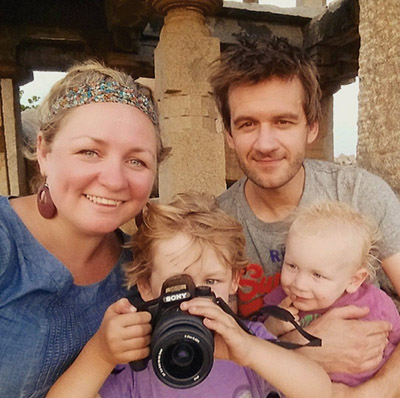
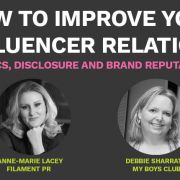
In this guest post, Anne-Marie Lacey [pictured above, left] and Deb Sharratt [pictured above, right] share their top tips.

Approach
You know the saying, ‘If a thing is worth doing, it’s worth doing well’ – it goes without saying that when it comes to identifying influencers to potentially engage with on behalf of the brands you’re representing, it’s worth doing well.

Vuelio lists 11,000 bloggers and vloggers, and across the world, millions of blog posts are written every day. So how do you sort the wheat from the chaff? Ensure that you’re putting your brand in front of the right people, who have the potential to help you reach a highly-engaged audience? And, those who share an affinity with your brand, its purpose and products?

There’s no short answer. You can use a platform to help you whittle down your search, but by no means is it a case of job done. Just like a traditional press list, creating and building an influencer list needs the same time, care and dedication.

Take the time to look up these influencers and make sure you do your homework. Does size matter? Don’t be bedazzled by big follower numbers if the target audience is all wrong and engagement figures are low. Otherwise, it’s just vanity metrics and ultimately won’t help you to achieve your strategic objectives.

First, take the time to get to know the influencer, their style and content. There’s only one way to do this and it’s a case of getting stuck in. Read their posts, watch their vlogs and follow them on social media to be sure that they are the right fit for the brand you’re representing. Look at what they write and talk about. Are they authentic? See how they engage with their audience. Do they only post quality content or are some of the blogs full of low-quality, paid-for follow links?

Ask to see media packs if they’re not clearly visible online, and really interrogate the data and their profile on Vuelio to whittle down your list. Above all, are they an influencer that you want your brand to be associated with?


Pitch
Apply the KISS rule and keep your pitches simple, short and straight to the point. For fear of sounding like The Four Tops, when you ‘reach out’ to your target influencers, remember to answer the W questions in your pitch – who, what, where, when and why.

This is your opportunity to show the influencer that you know their channels, content and editorial style, as well as clearly being able to demonstrate how and why that influencer is the right fit for the brand. Remember, influencers ultimately create content – whether it’s a blog, YouTube video or Instagram post – for their audience. Make it clear in your pitch why their audience would be interested in the brand and in turn, why their channels are the right fit for your brand placement.

One last top tip when pitching is to try to avoid the scatter-gun approach – contacting a long list of influencers and offering them all the same thing. Asking for a product review? There’s nothing more frustrating for an influencer than when they work hard to produce essentially the same content as a handful of other influencers. It’s a competitive market out there for them too, and so they need something unique to engage their audiences with and keep them coming back to their channels for more. Consider exclusives, or different angles for the same product. Think about long-term relationships too – how can the influencer help you to progress the brand’s story and what opportunity is there for follow ups?

Be clear about payment too. Content creators are not the same as traditional media. Many will be expecting to be paid for the collaboration.


Work
Now this is where we need you to listen, and listen carefully… the ASA has announced a review into how paid-for influencer and native advertising is signposted online, saying that misleading posts damage consumer trust in advertising and that filters back to the brands participating in this bad practice. We totally agree.

As professional communicators, we work hard to build relationships between brands and their target audiences, while doing all that we can to protect and preserve brand reputation. So, when working with influencers, it’s not only a legal requirement for you to get it right, ethically it’s in everyone’s best interest to ensure the integrity and trust in the brand you’re representing.

Reach-the-right-influencers-with-the-Vuelio-media-database

Once your influencer has engaged with you following your pitch and you’re working out the finer details of the agreement, you need to clearly outline your expectations – what you expect, deadlines, budgets and so on. This includes following the regulations set out by the ASA, CAP Code, CMA, Google and the different requirements of each and every social media platform this branded content will appear on. Not to mention, if you’re a member of the CIPR or PRCA, you also need to keep in mind the ethics of the respective Codes of Conduct too.

As a starter for ten, any paid-for content should also be clearly marked as an advert, when paid for, or when receiving product or experiences in kind and there has been some kind of editorial control by a brand – even just asking for a post, inclusion of a specific link or website hashtag is a form of editorial control.

It’s no good having this info buried at the bottom of a blog post – the nature of the brand’s relationship should be clearly marked in the title at the top of any piece of content so as not to be misleading to the audience and run the risk of unethically influencing followers, thereby potentially damaging the brand’s reputation. If the influencer is receiving payment or payment in kind by being gifted a product in order to fulfil their end of the contract, all links back to your brand’s website should be ‘no follow’ links. To be totally transparent, this should also be very clear on any social post linking to the article too.

We appreciate that influencer relations is an emerging discipline and can be a minefield to navigate. A handy way of asserting the nature of a piece of content created by an influencer is to remember the PESO model. If the content has been generated by an exchange of money or something of a monetary value, it is paid and therefore needs to be disclosed as such. If an influencer writes about your brand as your approach has brought it to their attention but there has been no value-exchange-transaction, that piece of content is earned, and so can contain follow links according to Google’s rules.

Moral of the story is, to get the most out of your influencer relations efforts, do your homework. From researching the right influencer, tailoring your approach and keeping up-to-date with the latest rules and regulations to setting out your stall and terms of business. As a professional communicator, it’s your job to protect the brands you represent, and the nuances of influencer relations is something we all need to get-up-to-speed with to do our job ethically and effectively!


[testimonial_view id=14]

Trinity and Northern and Shell

Trinity Mirror’s takeover of Express and Star titles in doubt

At the beginning of February, Trinity Mirror agreed a deal worth £126.7m to acquire the publishing assets of Northern & Shell. Assets included the Daily Express, Sunday Express, Daily Star and OK! among other titles. As reported by the Guardian, culture secretary Matt Hancock has now said he is minded to issue a public interest intervention notice for an in-depth inquiry.

The announcement is another blow to Trinity Mirror, after the Competition and Markets Authority opened an initial investigation into the deal and forced the publisher to leave Express Newspapers as a standalone business until that investigation is concluded.

Concern has been raised by Hancock, who said: ‘The first public interest ground is the need for free expression of opinion, and concerns the potential impact the transfer of newspapers would have on editorial decision making.’

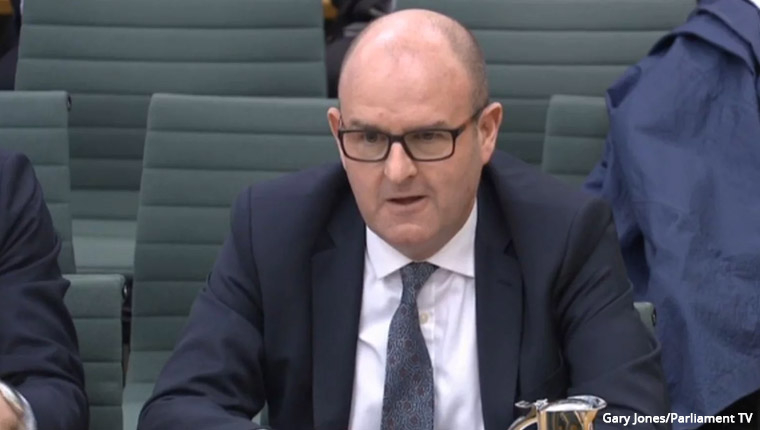
Trinity Mirror’s papers are generally left-wing, whereas Northern & Shell’s papers have been traditionally right wing, and Simon Fox, chief executive of Trinity Mirror, claimed the papers would remain independent. Shortly afterwards, Trinity Mirror appointed Gary Jones, editor of the Sunday Mirror and Sunday People, as editor-in-chief of the Daily Express, among other high-profile changes.

Hancock continued: ‘The second ground is the need for a sufficient plurality of views in newspapers, to the extent that it is reasonable or practicable. The merged entity would own the largest share of national titles within the UK newspaper market, owning nine out of 20 national newspaper titles.’

While it does own a large number of the UK’s national newspapers, Trinity Mirror’s readership numbers are much smaller as a proportion. According to the latest ABCs, it falls far behind News UK and DMG’s papers by over a million copies a day, and even its combined digital output is dwarfed by the Mail’s.

Hancock and the CMA will decide whether a full investigation is need by 7 June – and if they do, they have the powers to amend or even block the deal. Any media plurality investigation will be conducted by Ofcom.

Simon Fox said: ‘This is a part of the process that we were aware was possible following our acquisition of the Northern & Shell publishing assets. We continue to believe there are no plurality or competition issues.’

Vuelio Blog Awards

Why do PRs do influencer marketing?

The rise of bloggers, vloggers and Instagrammers has made influencer marketing a hot topic, but while traditional paid media models have fallen to marketing departments, influencer marketing is very much in the hands of PR.

At Vuelio, we spend a lot of time talking to PRs and bloggers about their mutual relationships – including what does and doesn’t work. On Thursday, we published a guest post from Filament PR’s Anne-Marie Lacey and Deb Sharratt who discussed the importance of building ethical relationships and sticking to the rules.

PRs generally have a good grasp on what’s expected for influencer marketing but some still find the rules around payments and disclosure confusing. It’s not surprising, PRs have traditionally focused on earned media, and many still believe they shouldn’t have to pay for coverage.

Full-time bloggers aren’t the same as journalists though; they don’t have a guaranteed salary to fall back on if they’re not paid for content. So, PRs paying for content has arisen out of a necessity, and influencer marketing seems almost the PR department’s responsibility by default.

How can PRs take advantage of influencer marketing?
On Friday, Vuelio chaired a panel session at PRWeek’s PR360 called ‘Is the micro-influencer bubble about the burst?’ The panel unanimously agreed that influencers are not a bubble at all and are very much here to stay. There’s a great opportunity here and PRs should not be looking at influencer marketing as a burden or be approaching it like a marketeer.

Many professional bloggers still post their own personal content, and some work with brands for free (a limited number of times), because they believe in the product or service, or the company and its ethics.

This is where excellent PRs can get ahead. By building good relationships, and telling strong stories, PRs still have the opportunity to secure earned media with influencers. It may be an expert comment, piece of intelligence, a report or study, or even a clever start-up – fulfilling the need of the influencer and piquing their interest is nothing new, and clever PRs already know that.

Clever PRs also understand the power of a paid-for campaign, and the benefits of a long-term collaboration, embracing the creative storytelling influencer marketing is based upon.

Paid or otherwise, influencer marketing would be nothing without the right relationships in place, which is where the Vuelio Blog Awards come in. The Vuelio Blog Awards are a celebration of influencers and have been designed to give everyone an opportunity to forge new relationships.

By sitting on the right table, sharing a drink with the right person or boogieing into the early hours with the right influencer, the Vuelio Blog Awards give you plenty of opportunity to meet the influencers that can change your future.

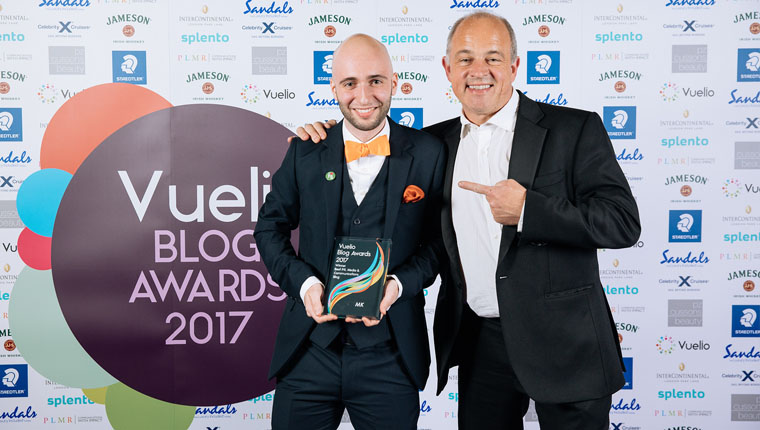
We are delighted to announced that the Vuelio Blog Awards are back for their fourth year, taking place on 30 November at the Bloomsbury Big Top, in London. The sponsorship pack is available to download here, and we are also working with brands and PRs on custom packages to suit their needs and budget.

Last year’s finalists had over 18 million followers on social media, which is more than the combined daily readership of every national newspaper. Influencer marketing was made for PR, and its time you embraced it.

For more information about the Vuelio Blog Awards, contact Jake O’Neill.

beer, facebook, ft, greg clark, the sun

Five Things: Wetherspoons, The Sun’s readers, the FT’s opinions, Agenda Gap and Facebook’s GDPR

This week we’re not mentioning Arsene Wenger leaving Arsenal as it isn’t really a media, marketing or PR story (though it will be when the Arsenal brand inevitably gets scrutinised after their manager of 22 years departs), but we are covering Wetherspoons leaving social media, new readership stats proving tricky, the FT’s new opinions, the MP gender gap and Facebook’s attempt to comply with the GDPR.

1. Wetherspoons calls last orders on social media

Social mediaJD Wetherspoons has removed all its corporate accounts from Twitter, Facebook and Instagram, in a shock announcement that has surprised the marketing world. In a statement, Wetherspoons said: ‘Rather than using social media, we will continue to release news stories and information about forthcoming events on our website (jdwetherspoon.com) and in our printed magazine – Wetherspoon News.’

Rumours of the real reasons behind the social departure range from it has links with the Cambridge Analytica scandal, to it’s just a publicity stunt, but as Marketing Week has pointed out, the real reason might be because it’s just not working for the brand. Marketing Week even goes as far as to suggest social media is designed for people not brands – and that ‘people connecting with brands organically on social media was BS from the beginning’. Let that sink in.

With only 44K followers on Twitter and 100K on Facebook, the channels probably weren’t very useful for Wetherspoons, definitely at least not how they were being used. While many brands re-evaluate their strategy when it is not working, Wetherspoons has decided to focus its marketing efforts elsewhere. Like, if you think they’ve made the right choice, or retweet if you think it’s wrong.

Incidentally, this is being called Wetherspoons’ greatest ever social media interaction, and in no way points to the reason the brand came off the platforms:


2. The Sun rises on new readership statistics

Newspaper

Two news stats were published this week. The newly formed Published Audience Measurement Company (Pamco), which has replaced the National Readership Survey (NRS), released overall readership numbers and ABC published the latest circulation stats.

Pamco describes itself as using ‘world leading methodology’, based on 35,000 face-to-face interviews for print readership and demographic data, and a digital panel of 5,000 participants for online stats. The stats are, in places, surprising and, just as Pamco points out with the failings of the NRS, it is hard to determine how accurate they truly are. The numbers reveal that The Sun has the largest overall readership across print and digital, with 33.3m monthly readers, as well as the largest reach on mobile; the Mail has the largest reach on tablet; and the Guardian has the largest reach on desktop. For print, the Metro has the greatest reach, with 10.5m readership, but with paid-for titles it’s The National, with 10m (a paper with less than 10,000 copies distributed in Scotland is apparently read by twice the population of Scotland).

The stats don’t make it clear how much digital readership each brand has, as there appears to be duplications across the different devices. Even breakdowns within devices provide inconsistencies, for example – The Sun’s total Mobile reach is 26.5m but then it breaks that number down into phone and tablet, but together that breakdown adds up to 29m. There’s also some question over total reach, with Pamco suggesting 46m people read news brands each month – but combined with other stats, that suggests over 70% of news enthusiasts read The Sun.

The other stats are easier the follow; the ABC data for March reveals The Sun has regained its title of most circulated paper, after the Metro last month knocked it off its perch. All papers lost readers in March, the biggest drop was a 21% fall for the Sunday Mirror, while the smallest was a 0.11% fall for City AM.


3. FT changes comments to opinions

comments to opinions

The Financial Times has published a new guide to make it easier for people to submit opinion pieces for possible publication. They take submissions that are up to 800 words, have personal (informed) perspectives and are unpublished elsewhere. As part of the new guide, the FT has also changed the name of its ‘Comment’ section to ‘Opinion’ to: ‘help readers distinguish our carefully selected and edited articles from the online “comments” below stories’.

As part of the changes, the FT has also decided to drop the introductory ‘Sir’ that traditionally started each letter to the editor, as it felt ‘old fashioned’ and should the editor one day be female it will be become inaccurate.

The FT has managed to get out ahead of an embarrassing gender story in future, something a grammar school in Guernsey tried to do this week when it scrapped ‘head boy’ and ‘head girl’ roles to establish gender neutral roles (chair and vice chair) but has ended up with two male student leaders.


4. Mind the Agenda Gap

Greg Clark

Talking of gender imbalance (wouldn’t it be nice to not need to? Still, it’s not like it’s 2018), The Times has revealed an embarrassing statistic for MPs on Twitter this week. The paper says that 99% of MPs follow more men than women on Twitter. While 46% of worldwide Twitter users are female, every Cabinet and Shadow Cabinet member follows more men than women. Only five MPs follow more women than men: Jo Swinson, Lib Dem deputy leader, Jess Phillips (Lab), Susan Elan Jones (Lab), Ruth George (Lab) and Tracy Brabin (Lab).

One of the biggest imbalances is in business secretary Greg Clark’s following, which is 75% male and includes no female cabinet members. Clark [pictured] recently oversaw the publication of gender pay gap information in large companies.

Jo Swinson was disappointed but not surprised, she said: ‘One of the simplest things we can all do to tackle sexism and other bias is to make a conscious choice to follow, listen to and amplify the voices of women, people of colour and others whose perspectives are under-represented in public debate’.


5. Facebook tries to comply with the GDPR

GDPR

Facebook has started to seek explicit consent from users in compliance with the GDPR. Though it has possibly confused the GDPR and PECR, as it should probably already have permission from users to use their information. Part of its permission seeking is for ‘facial recognition’. Some people are suggesting that while Facebook is asking for consent, it is not making opting out easy, which is against the GDPR as opting out should be as easy as opting in, rather than clicking through two additional pages until you find the right section.

There’s another GDPR question around Facebook, published by the Guardian. The paper suggests that Facebook is moving its privacy controls from its Ireland office to the US, so it won’t have to comply with the GDPR outside the EU (something it has said it would do). However, the GDPR only applies to EU citizens (wherever they are in the world) and is not a regulation of where data is held, so it is hard to see what this change will actually do in relation to the GDPR.

We’ve answered some questions about the GDPR here, which might be able to help Facebook out.


Did we miss something? Let us know on Twitter @Vuelio.

Jess Gibson

Authentic luxury experiences: Jess Gibson’s The Travelista

The Travelista was inspired by Jess Gibson’s love of travel and writing, and is now a space for her to share adventures from across the world. Recently ranked in the Top 10 Luxury Travel Blogs, The Travelista features everything from ice skating on frozen lakes in Canada to elephants in Thailand.

We spoke to Jess, who is on Twitter here and Instagram here, about the best destinations for first time travellers, places she still wants to go and working with PRs to diversify her content.

What makes your blog successful?
I think I have a good business head on my shoulders, which is vital for bloggers that want to become full time. Behind the blog posts, tweets and Instagram stories, I am constantly writing proposals, pitching ideas and negotiating projects with brands and PRs. I thrive off the business aspect of running my blog and have enjoyed turning my hobby into my job. In terms of my content, I try to find a good balance between storytelling and sharing informative posts that really help others to plan their own travels. The Travelista isn’t just about sharing my travels, it’s about giving people the inspiration and information they need to make their own travels happen.

What makes luxury travel better than other types?
To me, luxury travel isn’t about sipping champagne in five-star hotels. To me, luxury travel is about those authentic once-in-a-lifetime experiences that really connect you with the places that you visit, and the people in them. Whether it’s doing a hot air balloon safari over the Serengeti or scuba diving for Lobsters in The Caribbean, I think luxury travel is about having epic experiences that are unique to their destinations. This is the type of content I love to share.

What destination would you suggest to first time travellers?
Vietnam would be an incredible place to go for first time travellers (for the food alone!) I would recommend doing a north to south trip starting in Hanoi and ending in Ho Chi Minh City, stopping at places like Ha Long Bay and Hoi An on the way. I wrote a three-week itinerary for Vietnam and it’s still one of my top performing posts.

The Travelista

What about seasoned travellers?
For seasoned travellers, I would recommend Guatemala. I did a tour of Guatemala and absolutely fell in love with the country. From the Mayan ruins to the incredible fusion food, there is so much culture there. My favourite place was the colourful town of Antigua.

Is there anywhere on your bucket list you’ve yet to visit?
There are so many places! I am yet to step foot in South America and would love to visit the likes of Costa Rica and Argentina. I’m also dreaming of visiting Australia and I’d love to discover the Deep South of the USA. There’s just something about that part of the US that I find really intriguing.

If you could only take three items with you when travelling, what would they be?
It would have to be my camera (for photos), my favourite Clarins moisturiser, and an eye mask (great for sleeping on planes and combatting jet lag).

Jessica Gibson

What should PRs know about you?
I’m a full-time travel blogger. I’m 27 and live in Leeds, although I am regularly down in London for events and meetings. I love to work with travel brands but I also work with large consumer brands in a travel context. This year, I am planning to diversify my content to share more lifestyle topics and to blog about experiences that are closer to home in Yorkshire. I also want to create more style and interiors content. I love working with PRs so please do get in touch, even if it’s just to say hi and request a media kit!

What’s the best PR/brand campaign you’ve worked on?
This February, I partnered with Travel Alberta, who are represented by KBC PR. I worked with KBC PR to put together an epic winter road trip through the Canadian Rockies. I loved this campaign because I felt like it was a real collaborative effort between myself and the PR. I considered the clients objectives and pitched a campaign that I felt would meet the objectives and also align perfectly with my audience. The trip was completely tailor made and so although the content was sponsored, it seamlessly fit in with my blog and social channels so my audience responded really well to it. In short, it was a perfect fit.

Reach-the-right-influencers-with-the-Vuelio-media-database

What do you call yourself (blogger/influencer/content creator)?
In my head I will always be a blogger but I am happy to embrace the new term of influencer as I think it is a great umbrella term. With the growth of social media and video, I do offer much more than just my blog now and social media is equally as important these days. I would also define as a content creator as content is essentially the service that my brand and business is selling.

What other blogs do you read?
My go-to blogs include Silverspoon London for travel, Hannah Gale for lifestyle, Apartment No.4 for interiors and Fashion Mumblr for fashion.

The Travelista are both listed, with profiles, on the Vuelio Database, along with thousands of other bloggers, journalists, bloggers, MPs and SpAds.  

Toby & Roo

The Best Parent Blog in the UK: Harriet Shearsmith’s Toby & Roo

What does it take to be the best parenting blog in the UK? Harriet Shearsmith knows; she has the Vuelio Blog Award to prove it. With an honest perspective on parenting, family life and life in general, Toby & Roo has grown a huge following of parents and non-parents alike. We caught up with her to find out about 90-hour weeks(!), the difference between mummy and daddy bloggers, planning content with the kids and working creatively with PRs and brands.

What makes your blog successful?
I think because I treat my blog very much like a business and I work as hard as I possibly can at it, sometimes 90 hrs a week to try and market myself and create the best content I can. I threw everything at this because I needed it to work. I was stuck in a dead-end job and I couldn’t see any out without losing precious time with my kids. It had to be successful.

I also think that, with the best will in the world, if you don’t have content that is authentically ‘you’ then you aren’t going to be truly successful. I hope that my personality shines through in everything that I do and that people can see that when they follow me.

Why did you start your blog?
I remember reading a blog called Babyccino Kids and I adored it, adored what these inspiring women stood for and what they were sharing. I noted that a lot of their blog was about sharing their tips and Internet finds and I thought ‘ohh I know how to do that too. Why don’t I share my tips, my finds and what I’ve discovered about parenting?’ It evolved from there really.

How are mummy blogs different from dad blogs?
Oh, they are! My husband had just set up an Instagram account called TobyandRooDad and later on in the year we have plans for a blog for him. The community, the way that these awesome dads come together to create a supportive community for each other, is epic. I’ve always been a big believer in trying to make my own brand for ‘parents’ and not just mums but the truth is that there is a real niche in blogging for dads – men still do not communicate their feelings well verbally and it’s a huge societal flaw that we ALL need to challenge so to see these men doing that is really awesome.

What’s it like to be part of the mummy blogging community?
There are some absolutely brilliant women in this community that really inspire me and encourage me to question the way I’ve looked at political issues, women’s issues and so much more. The parenting blogging community, be it on Instagram or via blogs etc, can be a really supportive place and a place where we can lift one another up and learn from one another.

How do you plan content with the kids?
Ha, with Peppa Pig, bribery and prayers. Honestly? I try to involve the kids as much as possible. There is very little that doesn’t involve my children so that makes it a touch easier. As for writing and working, I do that while they are at school and after they are in bed. Weekends we go out and film, we take photos and, although they are aware that is what we’re doing, they don’t see it as anything different to normal because all parents are taking pictures of their families; I just happen to edit and use those photos for work once they have trotted off to play or to bed!

How do you feel about your kids growing up and reading the blog? (Are there any posts you DON’T want them reading?)
No, I would let them read everything – the sex, the tears, the anger and the love. I want my children to grow up realising that as people we have a vast array of emotions and this is our lives that I’m documenting – not just theirs but mine and their dads too.

What’s your favourite collaboration with a brand or PR?
I have had so many that I have truly loved. I worked with Birds Eye last year and I think that will always have a special place in my heart because it was my first bigger campaign and as a whole (I was a part but not exclusive) it has also won awards and been accredited as ‘campaign of the month’ for March 2018 with Campaign Live.

I’ve also really enjoyed working with Tesco and Iceland who have had some fab creatives!

Reach-the-right-influencers-with-the-Vuelio-media-database

What should PRs know when contacting you?
You know what, I love a PR that chats to me. I love getting to know the people behind the screen – that’s one of the things I really enjoy about the creative industry, it’s SO friendly. People meet each other and greet with a hug, we go for coffee, we chat and we bounce creative content off each other. I really love getting a new brief through that has someone else’s creative outline and they are asking me to fill in the blanks. Just chat to me – I’m actually pretty friendly and not scary at all!

What do you call yourself (blogger/content creator/influencer)?
Oh geez, the debates I’ve seen on this. In contracts I’m referred to as an influencer or talent (talent always gives me a giggle). I’m not sure ‘blogger’ covers it as I do just as much, if not more, on Instagram than my blog and content creator would probably be my favourite but for some reason I never really use it…

What other blogs do you read?
I’ve stopped reading a lot of blogs lately, I used to be much better but I’ve stepped back a bit now. I really enjoy Nomipalony.com for her feminist posts but I predominantly loiter around Instagram reading people’s mini blogs on there!

Harriet and Toby & Roo are both listed, with profiles, on the Vuelio Database, along with thousands of other bloggers, journalists, bloggers, MPs and SpAds.  

The GDPR: Your questions answered, Part 1

Vuelio was thrilled to be joined by Rowenna Fielding, senior data protection lead at the data protection consultancy Protecture, for our recent webinar: GDPR for Comms – Expert Advice to Get It Right. Unsurprisingly, we had dozens of questions to get through and couldn’t manage to answer them all on the webinar itself.

We split these questions into two parts: general questions about the GDPR and those specifically about using Vuelio in relation to the GDPR. Rowenna has very kindly answered the general questions below, the second part focusing on Vuelio is available here.

How active does consent have to be? For example, if someone was to add their email to a list knowing they will be updated with an email (“Add your email to stay updated”) would they still need to opt in?
Adding their name to the list would be the opt-in in that case. However, if you collected the email for another purpose (such as sending a meeting invitation) then you’d need to get consent separately for marketing. ‘Bundling’ consent (eg, ‘by consenting to x, you also consent to y’) is not allowed as it is not specific and unambiguous. Similarly, inferring consent (eg ‘by visiting this website you consent to your data being processed’) is also not valid, as consent it is not specific, unambiguous or freely-given. The outcomes you’re looking for are:

  • The person giving consent should never be surprised to find that they’ve agreed to something
  • The person should never be surprised to realise what they have agreed to
  • You can show some evidence that they took some positive action to agree to a specific type of processing of their own free will, having been given enough information to make an informed choice


If we remove all information about someone from our database (based on their right to be forgotten and removed), can we store any information on them in order to ensure they are not added back (e.g email in a blacklist)?
Chances are that although they have asked to be forgotten, what they really wanted was to object to your processing – not quite the same thing. If the outcome they are seeking is not to hear from you any more, then you must keep their info for suppression purposes. I advise explaining to them that you need to keep the info to prevent future comms being sent to them but that you won’t use the data in any other way. However, if they insist on erasure then you’d need to look at the legal basis for processing to determine whether that right even applies. Someone who has asked to be erased shouldn’t turn up on the database again unless they explicitly opt-in anyway, unless you’re buying in email contact lists which is a very risky practice, compliance-wise.


If we email our contacts asking for their consent, can we still keep sending them stuff if they don’t reply at all?
If you don’t already have their consent (or soft opt-in) for email marketing, then it is unlawful to email them to ask for it. If you ask and don’t get an answer, that’s the same as a ‘no’ – only a positive action to indicate agreement can be consent. If you carry on emailing them without consent, you run a much greater risk that complaints will result and trigger an ICO investigation.

GDPR

If a client asks for our media list with journalists on, would we need to tell each we are passing the information on?
Depends on where the information came from, how, what you’ve already told the journalist about how you’ll use their information, whether the information could be obtained anyway from public sources, what the client is going to do with the information… If handing out the journos’ contact info is something you do often then that’s the sort of thing you do need to put into a privacy notice and call the journalists’ attention to.


Would a footer on your email sign off stating that you hold data be sufficiently clear?
It’s one way to communicate privacy info, but since no one actually reads email footers, you might have a difficult time demonstrating that it is an effective approach. Linking to more detailed privacy info in an email footer certainly doesn’t hurt and gives wider exposure but if it is a standard footer then the information given would either need to be large in volume, or so generic that it doesn’t actually meet the GDPR Article 13 and 14 requirements.


Are opt-in checkboxes on landing pages and websites enough for compliance for digital marketing campaigns (i.e. downloads, subscriptions)?
Opt-in mechanisms are one aspect, suitable privacy information, unsubscribe links in each message, an accurate up-to-date suppression list and audit trails of consent given are all required. Then, the personal data has to be processed in compliance with all of the principles.

NB: Yes/No sliders or radio buttons are better than tick boxes, as tick boxes create ambiguity about intention where someone who has previously ticked fails to do so a second time.


What are the rules within the historical archiving? When do exemptions apply?
If the processing is necessary for historical archiving, then that’s an acceptable legal basis (ie no consent needed, some rights including erasure and subject access are limited, no need to go back and tell data subjects that’s what you’re going to do), but a risk assessment of the potential impacts to the data subjects’ rights and freedoms is required and steps need to be taken to manage those risks. Depending on the processing and the types of data involved, this could vary from not publishing the data for at least 100 years, to redacting names or other identifiers, to only using aggregated statistical information (those are just hypothetical examples, not a checklist!).


How long are we able to keep records for?
It depends on the purpose of the record-keeping, any legal obligations for record-keeping, business/operational needs for the data to be preserved and a balance against rights and freedoms of the data subjects. That one is impossible to answer generically, it needs digging into ‘what records and why would you want to keep them’?

GDPR says you can keep them as long as you need them but it’s up to you to justify how long that is and you have to be able to prove that you really need them, and you’re not just keeping them hanging around in case they turn out to be useful later.


If we have thousands of emails going back to 2005 from press and clients, do we have to delete them all? The problem is we have sometimes had to refer back to some of them so to delete them all would clear all records of any agreement?
You need to review them to determine which to keep and which to delete – that will depend on the purpose of processing the personal data in the first place, and the legal basis. You could just delete them all – that would be much easier than going through them! However, you can’t just keep them all either in case there is useful info tucked in there. You need to define what you want to keep and why (such as, records of transactions, agreements, complaints) and get rid of anything that doesn’t fall into that critieria.


If you gather emails through a third-party email platform, is there anything additional you need to do?
If the third-party is just a Processor then you need to have done some diligence on their data protection compliance, you need contract clauses addressing data protection to be in place and you should be doing some kind of checking or monitoring that they are doing the things you’ve told them to (and not doing anything you haven’t told them to).

Some US-based services are problematic because they are not just Data Processors. They use the personal data that travels across their services for their own commercial purposes, such as profiling for targeted advertising, selling insights or access to data for marketing purposes to other parties, and sending their own marketing comms. You need to read the Ts&Cs and privacy info very carefully – in general, it’s lower-risk to use an EU-based provider, for reputational protection if nothing else.


We use an American email service, will it be contravening GDPR because the data goes via a server in the US?
It’s not the US transfer that’s the problem., it’s the processing that the platform may do as a Data Controller (profiling, marketing, cross-customer data-matching, augmenting data from third party sources) which you could be exposing your subscribers to without an appropriate legal basis or transparency info.


What is the best way to get informed consent when people are signing up (e.g. to a mailing list) using a paper form? Is it necessary to show them a printed copy of your entire privacy notice?
There’s no ‘best’ way, really. The only privacy info they need to be given at the time of consenting is the stuff that’s relevant to what they are consenting to. So, if you are asking for consent to send email marketing, you’d need to tell them about any embedded tracking, data augmentation using third party sources, and what sort of content they can expect to receive (the purpose of the processing). If your privacy notice is one huge document that tries to cover everything, then you’re doing it wrong! You also don’t have to supply the information in hard copy. See the ICO’s Privacy Notice Code of Practice for more detailed guidance.


What consent is required for taking a photo for a news release or social media feed and then storing it and reusing in a publication? Must they tick every box, for example: ‘you can use my photo on: website, social media, corporate publications etc. Or can it be a catch all paragraph giving permission to store and use on any comms channel and just give examples within that paragraph?
It depends on the purpose that the photo will be used for. Journalistic (ie informing the public rather than marketing) uses have a large exemption so consent would not be needed (although a model release for image copyright purposes may be advisable – but that’s a totally different thing for a different law). Consent must be specific to the purpose and the types of processing associated with that purpose – so just listing channels wouldn’t be suitable unless the photo would be used on all of those channels for exactly the same purpose. Catch-all/blanket consent for any possible future use is never valid. In every case, you need to look at the purposes of taking and using the pictures, determine the legal basis for that, provide suitable privacy info, inform people of their rights, have processes in place for objections (where those apply) and good record management to support subject access or erasure requests later.


What words would we need in a contract in terms of providing a service to clients?
Depends on the service you’re providing! Impossible to answer that without more info; that’s the sort of advice you’d need to hire a data consultancy for.


What is changing with the GDPR in Open Source Communities that use ‘Open access’ Database?
The GDPR doesn’t change much in principles and obligations, so if everyone using that resource is doing so in compliance with the Data Protection Act 1998 then all they need to do is some additional record-keeping and a review of any consent that may be needed. However, if data protection has not been designed into the structure and uses of the database, then there may be a lot of work to do. That one’s impossible to answer without much more specific information on who the Data Controllers are and the purposes of processing!


If you’d like to make sure your comms is compliant with the GDPR in time for 25 May, then get in touch and we will help you out. 

Data funnel

The GDPR: Your questions answered, Part 2

Vuelio was thrilled to be joined by Rowenna Fielding, senior data protection lead at the data protection consultancy Protecture, for our recent webinar: GDPR for Comms – Expert Advice to Get It Right. Unsurprisingly, we had dozens of questions to get through and couldn’t manage to answer them all on the webinar itself.

We split these questions into two parts: those about the GDPR in general and those specifically about using Vuelio in relation to the GDPR. Here are the answers about using Vuelio in relation to the GDPR, Rowenna has very kindly answered the general questions here.

If we obtain information from Vuelio such as media lists, do we still need to tell people they’re on our database?
You are a Data Controller in this scenario so you need to have your own lawful basis for processing people’s data and make this clearly available to those you’re contacting. If you’re using consent, you need to have a positive opt-in from the individual before you contact them. That means if you have not previously gained contacts’ consent to be emailed, you are not able to ask their permission as part of a consent model. Also, if you choose a consent model then you have to get an affirmative opt-in in order to use that person’s data. If they say ‘no’ or do not reply to your consent request, you can no longer contact that individual – even if they’re on the Vuelio database due to our legitimate interest.

If you have a legitimate interest, you’re not seeking permission to use the data but rather making it clear why you’re using it in compliance with the GDPR. A legitimate interest needs to make it clear why you have their data, what you’re using it for and prove you have considered your interest against their rights and freedoms in something called a balance test. This can be available in a link to a privacy policy web page or in the email you send them, but it should be specific to the situation and not generalised.

Whatever your basis, you need to have a clear means to opt out and you need to keep a record of the fact you’ve informed them of your lawful basis, in whatever manner, as this is part of the audit trail.


Can we maintain and update notes and information on individuals (ie journalists) without their consent, and do we need to share these notes with that individual if they request to see the data we hold on them?
It depends what your lawful basis for processing data is. If you are not using consent as your lawful basis for processing personal data and are instead using legitimate interest, you would not need to seek consent for keeping notes but would need to make it clear what type of notes you’re keeping and the purpose you have for keeping them, considered against the journalist’s rights and freedoms. This balance test cannot be a catch all if you are keeping different types of notes for different reasons for different journalists. The legitimate interest should be clearly laid out and made available to the journalists so they are informed of your lawful basis.

If a contact wants to know what information you hold on them, you have just 30 days to send it to them. It includes all information in spreadsheets, emails, different folders or presentations – and does include private notes you keep on them. We recommend that our clients keep everything in Vuelio, so that information is available in just one place, which makes it easy to report to the contact.


If liaising with a journalist through a third-party media database, would that need to be updated or would the responsibility be on the database company to uphold the GDPR?
You are processing their data and you are therefore a Data Controller. That means you must have clearly outlined your lawful basis for processing their data and make it available to individual you’re contacting. Vuelio has its own lawful basis in legitimate interest, which we are communicating with everyone whose data we process in compliance with the GDPR.

GDPR guide

Our database is an excel document stored on our network (accessed only by the in-house PR team) – it contains journalist, blogger, editors etc. information. What do we do about this? How do we move forward?
Storing personal data in Excel spreadsheets makes the security of that data more fragile as it may not be comprehensively stored (is your system safe against hacks? Do all of your colleagues have access to it? Do they need to? Is there a risk someone could lose a laptop and the spreadsheet be accessible to an outsider?). There’s also a risk that if a journalist makes a subject access request – asking for every piece of data you hold on them – you’ll miss something from one of your spreadsheets as you’re relying on a manual process.

We would always recommend keeping every stage of the process inside Vuelio, so we’re able to ensure maximum software security for the data. If you’re not sure if your database is compliant, fill in this form and one of the team will be in touch.


What’s the situation for pre-existing data in the database service? That data won’t have been obtained by the client, so how is a legal basis/legitimate interest established or consent managed?
Vuelio is able to build and maintain our Database due to our legitimate interests. You need to establish your own lawful basis for your legitimate interest, which will include private contacts you’ve uploaded, and you should only hold information about them which is necessary to maintaining a good working relationship.

We can only guarantee the data we’ve uploaded in the system is GDPR compliant and would recommend you seek legal advice if you think your private or personal data that you’ve uploaded into Vuelio does not comply with the GDPR’s legitimate interests.


Is it important to centralise all data into one place, for example a CRM system or a crude Google Sheet?
We recommend keeping everything inside Vuelio, so we’re able to ensure maximum software security for the data and so you can manage subject access requests without manually searching through various programmes and documents. You do not have to keep everything in one place, but the more places you keep it, the more risk you are exposing yourself to, both in the security of the system (and a potential data breach) and a risk you will not be able to easily gather information for subject access requests if the required information is in multiple locations.


How does the GDPR impact exporting groups from Vuelio? Are there limits to what can be done with those exported contacts?
There are no limits (within legal reason) but under the GDPR it is a more complex burden. The security of the data becomes your responsibility, as does its deletion if a journalist wants to be removed from your mailing list. Excel spreadsheets and Outlook (including your sent items and inbox) become part of the GDPR chain. So, you’ve gone from one system – Vuelio – which is compliant, to at least three – Vuelio, Excel and Outlook.

If a contact wants to know what information you hold on them, you have just 30 days to send it to them. That may sound like a lot of time, but it includes any information in spreadsheets, emails, different folders or presentations. If you keep everything in Vuelio, that information is available in just one place and easy to report to the contact.

If you export information from Vuelio and then the data is accidentally lost, stolen or removed from your computer, this is a breach. All breaches must be reported to Vuelio and the ICO, and you will be responsible for the consequences of that breach. Vuelio takes its security very seriously to limit the chance of breaches and keeps its data in compliance with GDPR.

GDPR

Can you give an example of a Data Processor?
A Data Processor is a company that is contractually obliged to process data on behalf of a Data Controller. There must be a contract in place explaining what the Data Controller requires and limiting the Processor’s actions to meet these requirements. A Processor is not allowed to decide how data is collected or what it should be used for, and should not use it for any other reason than those stated by the contract with the Data Controller.

Vuelio is both a Data Controller and a Data Processor. When we create our Database, we decide how that information is being collected, why, how it is stored and the process for its deletion. When our customers use the Database, they become the Controller as they are deciding which data to use, how, why and are responsible for its deletion if it is requested, and Vuelio is the Processor – contractually obliged to process the data in line with the expansive capabilities of our software.


If the client doesn’t add private contacts on the Database but requests that Vuelio adds them, who is then Processor and Controller?
If the client has supplied the contacts to be uploaded and they are being uploaded only to the client’s Database, then the client is the Controller (they’ve decided what, how and why the data was collected) and Vuelio is the Processor (contractually obliged to upload them in accordance with the Controller’s request).

If you make a request for contacts to be added to the Database and they become available for everyone, then both Vuelio and the client is a Controller.


Nerve agent

Ofcom launches seven RT investigations

Ofcom has launched seven investigations into programmes on RT, relating to content broadcast in the wake of the Salisbury poisoning. The regulator is deciding if the programmes, broadcast between 17 March and 16 April, have breached the Broadcasting Code.

RT is operated by TV Novosti, which holds three UK broadcasting licences, two for RT and one for RT Europe. RT has an average UK audience of 3,400 viewers at any given point and an average weekly reach of 1% of adults.

Before the Salisbury poisoning on 12 March, TV Novosti’s compliance record had not been ‘materially out of line with other broadcasters’, and there are only 15 recorded breaches of the Broadcast Code since 2012, which is comparable to other broadcasters of a similar size.

However, its broadcasts since the Salisbury poisoning, which the UK Government has blamed on Russia but Russia strongly denies, has led to the investigations. RT is run by the Russian Federation, and therefore ‘toes the party line’, something which Ofcom is particularly considerate of when assessing breaches of impartiality and accuracy.

The regulator is now determining whether TV Novosti (and therefore RT) is fit and proper to hold their licences. If not, Ofcom has the power to revoke the licence, stopping the channel broadcasting again until the offending behaviours are remedied.

Other state funded broadcasters that operate in the UK include Al Jazeera, which is funded by Qatar, PBS, which is funded by USA and the BBC, which is funded by licence fee and the British Government. Ofcom points out that many foreign state broadcasters may broadcast material that is not in line with British values but this is not a consideration when it is investigating whether a channel is fit and proper to hold a broadcast licence.

Ofcom hasn’t detailed which comments or content has caused the investigation but has said: ‘On the material we have, it is not possible or appropriate for us to seek to reach an independent determination on the events in Salisbury. In this particular case, in our view, the most appropriate way to consider whether TV Novosti is likely to act in a fit and proper way is to consider its broadcasting conduct and on this, we are concerned about a number of potential breaches of the Broadcasting Code.’

RT has yet to comment on the announcement.

HelsBels

Honesty and running: Helen Tamblyn’s HelsBels

Helen Tamblyn is the top running blogger behind HelsBels. Recently ranked in the top 10 UK running blogs, Helen covers marathon training, health and fitness (with a side of cake and beer). Helen told us about her honesty policy, the blogs she loves to read and working with brands in the way she wants.

What makes your blog successful?
Define successful! I don’t have as big a reach as many running bloggers, but I think I have an audience who have stuck with me over the years and it’s been nice to see my Facebook page grow over the last year or so. I think it’s because I will talk about anything related to running and fitness and I try to be honest with what I say. It has got me into trouble with brands once or twice when I have given negative reviews, but I try to make a point of being honest and saying what I want to say, as opposed to what other people might want me to say. It seems to be working out well!

How do you plan your blog content around your runs?
I don’t. I know most bloggers tend to have a content schedule they stick to, but I tend to write when I feel like it. If I have several evergreen post ideas in mind, then I’ll try to spread them out to create an even flow of content, but generally I write as ideas pop into my head, or if I’ve had a run I want to write about, or if I’ve just completed a race.

What’s the best place to run in the UK?
I moved out of London last year and I absolutely love it as a place to run. There are so many different routes you can take and one of my favourite routes was running along the river from Putney down to Richmond. Impossible to get lost, peaceful by the water and lots of friendly runners and cyclists. It’s also great fun running through the city, taking in the landmarks before turning into one of the parks for a change of pace. It’s never boring running in London!

What advice would you give to new runners?
Believe that you can do it and you will. Running is definitely as much mental as physical for me and going in with the mindset that you CAN do it is really important. Of course, we all have bad runs and bad races, but I also believe that if you can learn from the experience, then was it really all bad?

How important is the right equipment/outfits for successful runs?
Very! Make sure you get a gait analysis to find the best pair of shoes for you – it could well prevent injuries later on. And if you’re female, make sure you have a good sports bra. For me, this is the most important piece of kit and it’s not something that you should try to ‘make do’ with. Get fitted properly, jump around, shop around, just make sure you get the right bra. There is something out there for everyone.

What’s the best race you’ve competed in?
The Spitfire Scramble in 2017. It’s the only 24 race in London and I’ve taken part in it three times now. I did it in 2015 and 2016 with a team of bloggers from the UK Fitness Bloggers network I established, and then in 2017, I did it as a doubles pair with my friend Corey from The Hinz Adventures. This was really her shining moment as I’d come down with pneumonia when in Malta a few weeks before and I wasn’t allowed to run, but my doctor said I could walk a lap. Corey ran nearly 50 miles and I jogged/walked 12 which saw us take second place in the ladies pairs. The atmosphere at this event is second to none, the route in Hornchurch Country Park is beautiful and it’s very special seeing the sun rise at the top of the hill in the morning, if you are out on a lap. I was also so proud to support Corey!

What one thing should PRs know about you?
I am honest and although I am constructive, if I don’t like a product or experience, I will say so. I will always try to be balanced and offer the right to respond, but I will not edit a review or be dishonest through fear of upsetting a brand relationship.

Reach-the-right-influencers-with-the-Vuelio-media-database

What’s the best campaign you’ve collaborated on?
I’ve recently just worked on a great campaign with Red Letter Days where they sent me on a bungee jump! It’s not something that I would ever have done otherwise and when they got in touch, I had to say yes because I knew I would regret it if not. It was exhilarating, terrifying and liberating all at once and it has given me a story to tell – for that reason, I have to say that was the best campaign I’ve collaborated on.

Away from working with brands, I partnered up with a friend of mine Stephen from How Many Miles last year on a campaign we called #EndGreatRunHerbalife after Herbalife were announced as the nutritional partners of the Great Run Series. Between us, we wrote a series of posts, set up a petition and rallied runners on social media, which ultimately led to the partnership being pulled. That felt like influencing, although it feels a bit like I’ve been on the naughty step since where working with brands is concerned. But I don’t regret it – it felt like the right thing to do.

What do you call yourself (blogger/influencer/content creator etc)?
Blogger. I enjoy social media and I offer management and content creation on a freelance basis, but I would class myself as a blogger. I don’t have a set social media strategy for my blog and I don’t beat myself up scheduling content.

What other blogs do you read?
Too many to mention, but I particularly make a point of keeping up with A Healthier Moo, How Many Miles, The PHD Runner, Jog on Mum, Paddle Pedal Pace, The Fat Girls’ Guide To Running, Learning Patience, keep it simpElle, JogBlog, and although he doesn’t blog much on his website anymore, Gavin Wren is a beautiful and articulate writer.

Emma Neachell

Don’t compare yourself to other runners: Emma Neachell, The PHD Runner

Emma Neachell writes The PHD Runner, which was recently ranked in the top 10 UK running blogs. Emma is a hydrologist by trade but uses the blog to share her running adventures (and misadventures!). We caught up with Emma to talk about the joy of running, how simple it is to start and what’s she’s looking for from PR collaborations.

What makes your blog successful?
I personally don’t think my blog is very successful. However, people who read my blog on a regular basis have said they appreciate my honesty and my willingness to share my unflattering running photos.

How do you plan your blog content around your runs?
When I’m training for a target event, for example the Cambridge Half, this is relatively easy as I’ll produce weekly training updates. I also really enjoy writing race reviews as every race is unique. As a runner, I find race reviews really useful, so I try to include as much information as possible. I’m unfortunately injured at the moment so, although I can’t run, I’ll be able to write about how I deal with being injured.

What’s the best place to run in the UK?
Sutton Park in Sutton Coldfield. It’s one of the largest urban parks in the UK and has some amazing trails.

What advice would you give to new runners?
Running is quite hard to start with but it does get easier. Don’t compare yourself to other runners and most importantly, have fun!

How important is the right equipment/outfits for successful runs?
One of the reasons I love running is the fact you don’t have to invest in a lot of running kit when you start out. All you need to start with is a pair of running shoes, some decent socks and a sports bra. If you find you enjoy running, invest in more equipment and running kit. The expensive GPS watch can wait. In my opinion, comfortable, correctly-fitting kit can make or break a run. I’ve actually had to cut training runs short due to kit related issues.

What’s the best race you’ve competed in?
I feel that I should say one of the three London Marathons I’ve completed, but I won’t. The best race I’ve competed in was the Cathedral to Castle 10 mile run. The course was quite challenging but I loved every second of the run. I’ve already entered next year’s event!

What one thing should PRs know about you?
That I exist and love writing! I haven’t had many blogging opportunities this year.

Reach-the-right-influencers-with-the-Vuelio-media-database

What’s the best campaign you’ve collaborated on?
This is actually quite a tricky question to answer! I was thrilled to be asked to join the Decathlon Bloggers Community and can’t wait to get involved in some exciting campaigns later this year. I think it’s a case of watch this space.

What do you call yourself?
I don’t think I’m an influencer. I’ll always call myself a running blogger.

What other blogs do you read?
I don’t have as much time as I’d like to read blogs but my favourites include: AnnaTheApple, HelsBels, A Healthier Moo, Maria Runs and Deutscher Wanderwolf.


The PHD Runner is listed on the Vuelio Database, along with thousands of other bloggers, journalists, bloggers, MPs and SpAds.  

WPP

Martin Sorrell quits WPP

Sir Martin Sorrell, the 73-year-old founder of the world’s largest ad agency, WPP, has quit his role of chief executive before the results of a misconduct investigation.

Sorrell had denied all allegations against him, but accepted that the investigation needed to take place. After almost two weeks, and just before the independent (and confidential) findings were to be presented to the WPP board, Sorrell has stepped down, effectively retiring.

WPP has come a long way since Sorrell took over the Wire and Plastic Products shopping basket manufacturer in 1985; it is now recognised as the largest-by-revenue agency of its kind, with over 200,000 employees across 400 businesses with 3,000 offices in 112 countries.

Sorrell has been a contentious leader, not least because he is one of the highest paid executives in the world and has now left the company with some questioning how clear the succession plan is. His exit, which is being considered a retirement by WPP, comes with a potential £20m pay off and the option to set up a competitive company as he doesn’t have a non-compete clause in his contract.

Setting up a competitor is considered unlikely though, due to Sorrell’s advanced years and the fact he owns nearly 2% of WPP (worth hundreds of millions). The group’s share price reacted to Sorrell’s departure by falling, at one point, by 5%.

The chief executive said: ‘For the past 33 years, I have spent every single day thinking about the future of WPP. We have had a succession plan in place for some time. We have weathered difficult storms in the past. And our highly talented people have always won through, always. As some of you know, my family has expanded recently, WPP will always be my baby too.’

He has been replaced, for the time being, by Mark Read, chief executive of WPP Digital, and Andrew Scott, chief operating officer for Europe. Sorrell will reportedly be available during the transition period. The FT reports that the long-term replacement is likely to be an external candidate naming Jeremy Darroch, chief executive of Sky, and Andrew Robertson, chief of BBDO, as possibilities.

While his successor will eventually be big news, the bigger news may be the future of the company. Multiple reports suggest it was only Sorrell’s unique leadership that was able to hold together the sprawling business, and now WPP will be split up in order to provide the most value to shareholders.

PRWeek has reported on analysts’ predictions that WPP will sell its market research unit and possibly its PR businesses, but will try to keep the rest of the group whole. The PR business includes Hill + Knowlton, Finsbury, Ogilvy PR and Burson Cohn & Wolfe. Whether they are sold as one unit or individually, the PR industry is in for a rocky time.

WPP also owns huge stakes in Vice Media, Chime Communications and App Nexus – there are very few media companies that will be unaffected by Sorrell’s departure. Which is, probably, just the way he wants it.

Five Things: Zuck, Apu, Puma, National Lottery and Mike Bushell

This week’s Five Things You Shouldn’t Have Missed includes Mark Zuckerberg’s time on Capitol Hill, The Simpsons’ offensive stereotype, Puma’s apology, National Lottery on the move and Mike Bushell’s fall.

1. Zuckerberg’s hearing

Mark Zuckerberg

We’re struggling to remember a Five Things that didn’t feature Facebook. This week, Mark Zuckerberg went to Congress to sit through two hearings. He was questioned for hours, with the focus split between data privacy concerns and Russian interference in the US election.

Zuckerberg apologised, which drew criticism from those that pointed out he has been apologising since he created Facemash. He was questioned by what are effectively old people, whose grasp of social media was also criticised. A couple of senators landed some stinging accusations but generally very few revelations came out of the hearings, beyond the meme-worthiness of Mark Zuckerberg. One piece of good news for the company – Facebook’s share price recovered slightly from its dip after the Cambridge Analytica scandal. Looks like Zuck is on their side.

Some of the most popular Zuckerberg-as-a-meme tweets:

2. Apu Nahasapeemapetilon

The SimpsonsThe Simpsons has inexplicably doubled down on an offensive stereotype, upsetting fans with its tone-deaf approach to modern times. Long-time character Apu was previously featured in a documentary by Hari Kondabolu called ‘The Problem With Apu’. That documentary explores the ways in which Apu is an offensive portrayal, including the fact he is voiced by a white actor doing a bad impression of what the Guardian describes as, ‘Peter Sellers doing an Indian accent’.

The Simpsons hit back this week in an episode, with the least morally repugnant character Lisa saying: ‘Something that started decades ago and was applauded and inoffensive is now politically incorrect. What can you do?’

Fans are upset Lisa voices the words and that The Simpsons are effectively telling people to get over it. There are many things that could be done, with people making suggestions on Twitter, including this remarkable example from Warner Brothers.


3. What are Puma smoking?

Puma

Puma has apologised this week after a campaign misstep. The fashion brand organised an event based around drug dealing culture – with invites on ‘burner phones’ being sent out in puma shoe boxes full of fake money. Once the phone was turned on a message appeared that read: ‘Yo G what u sayin today? Pass tru the House of Hustle’. As reported by WWD, the event location was designed to resemble a ‘trap house’ (a place to buy, sell and produce drugs) with graffiti on the walls, dirty mattresses on the floor, and blacked-out windows.

The campaign faced heavy criticism, especially in light of the recent violent crime surge in the capital. Puma released a statement, which said: ‘We want to make clear that Puma in no way endorses or intends to glamorize drug culture. We never intended associations with drug usage, drug culture or drug dealing in any way and we regret any misunderstandings in this respect. We apologise for any upset or offense caused in the usage of this language.’


4. National Lottery moves to ITV

The National Lottery has moved to ITV, after more than 23 years with the BBC. The results will be aired as a 90-second segment fronted by Stephen Mulhern during the advert break of Britain’s Got Talent on Saturday. The results have been confined to BBC iPlayer since 2017.

Camelot, which operates the Lottery, has said a range of well-known ITV personalities would join Mulhern in future editions. The actual draw won’t be aired live but will be available on the National Lottery’s YouTube channel.

Mulhern said: ‘I feel privileged to be bringing those lucky numbers to the nation but also being able to show players how the money they’ve helped raise has made a difference to communities across the UK’.


5. In at the deep end

BBC reporter Mike Bushell had a nasty surprise while interviewing Commonwealth athletes this week – which is hilarious:


The LDN Diaries

From London to St Lucia: The LDN Diaries with Paula Holmes

Paula Holmes is the author of The LDN Diaries, which recently ranked in the Top 10 UK London Lifestyle Blogs. Covering everything awesome about London, Paula writes the blog with her partner Danny and gives her audience top tips for things to do and places to eat. We spoke to Paula about the best places in London, having a successful blog and working with PRs and brands.

What makes your blog successful?
Over the six years of The LDN Diaries, I haven’t been afraid to take risks with my content, however, I also know what works well and what my readers want to see. I would also credit my high standards of the content I produce and being proud of ensuring my audience would want to see, read and engage with it.

I am always looking for ways to constantly improve, whether it’s photography or a new series on the blog. It’s good to have a mix of consistent posts but something fresh too to keep people coming back and I am confident that is what makes it successful.

I’ve also developed great PR and brand relationships over the years, which has enabled me to work with some amazing brands and keep growing.

Paula Holmes What’s the long-term aim of your blogging?
To continue doing what I love! I don’t think a day goes past where I don’t think of the blog. I’m constantly planning content, social media and collaborations. To be honest, each day of blogging changes, one minute I could be at home typing up my next article, the next I’m in Saint Lucia. I’d love to continue to have amazing opportunities with brands that I love.

Long term I would like to develop out my brand and create my own product that people really love.

Where is the best place in London?
Hard to choose, but I do love Sky Garden and I recommend everyone visiting London to go. I just love the view over London and it’s free to enter.

Where is the best place to eat in London?
There are so many great places to eat in London, but my personal favourite is Hakkasan because the food and service is always outstanding.

What’s the best attraction?
As a tourist I would recommend Buckingham Palace, Big Ben and the London Eye, but I do love the Natural History Museum. It is so grand and there is so much to see, I could easily spend a whole day here. I also have done a helicopter tour over London, which was amazing.

If not London, where would you like to live?
New York! I just love the vibe of the city, it’s very like London but more fast paced. In complete contrast I also loved LA, it was very chilled and I could definitely see myself enjoying the sunshine every day.

How do you work with PRs and brands?
I enjoy building good relationships with PRs and brands directly, it’s great to be able to share more of your personality with someone so they get a better understanding of what brands or products would fit better. I enjoy working on campaigns and I love when I can put my own input and spin on the collaboration, to make it work better for both parties and create something great for our audiences.

Reach-the-right-influencers-with-the-Vuelio-media-database

What campaigns have you worked on that you loved?
I loved working with Sandals at the end of last year. They flew myself and Danny to Saint Lucia to create content for social media and their microsite. We had an amazing time and the campaign was very well organised and put together.

What do you call yourself (blogger/influencer/content creator/writer etc)?
All of the above! I started out as a blogger but as the industry has grown, I would definitely see myself as a content creator and an influencer.

What other blogs do you read?
I love getting travel inspiration from blogs, some favourites are The Londoner, The Travelista and Clutch & Carry.


Paula and The LDN Diaries are both listed on the Vuelio Database, along with thousands of other bloggers, journalists, bloggers, MPs and SpAds.  

A Luxury Travel Blog

The number one in Luxury Travel: Paul Johnson, A Luxury Travel Blog

Dr Paul Johnson is the man behind the hugely popular A Luxury Travel Blog – which recently retained its top position in the Top 10 UK Luxury Travel Blogs. With a huge pool of travel writers providing quality content, A Luxury Travel Blog has become a valuable resource for all things luxe. After being named number one in the ranking, we spoke to Paul about the joy of South Africa, what PRs need to know about full-time bloggers and the word ‘influencer’.

What makes your blog successful?
It was the very first blog of its kind and has amassed over 500 expert contributors since its inception. In the early days of travel blogging, focusing on the luxury side of travel was not something that others were doing so I’m sure I benefited from being an early adopter. That aside, our success comes down to the quality of the content and our strong online marketing focus.

A luxury travel blog What makes luxury travel better than other types?
I wouldn’t say any form of travel is better than another. It comes down to personal preference. But what sets true luxury travel apart from other forms of travel, I believe, is the staff and quality of service associated with your travel experience.

What destination would you suggest to first time travellers?
South Africa. It has such a great mix to offer, whether it is a city break in Cape Town, exploring the garden route, or taking a once-in-a-lifetime safari.

What about seasoned travellers?
For seasoned travellers, I would suggest destinations that are different to anywhere you’ve been before. By exploring new places and going outside of our comfort zones, we discover so much more about the world, different cultures and even ourselves.

Is there anywhere on your bucket list you’ve yet to visit?
I have yet to make it to Iceland and New Zealand – two places I would love to visit soon.

If you could only take three items with you when travelling, what would they be?
My wife and our two sons!

What should PRs know about you?
PRs should know that A Luxury Travel Blog is my full-time job and that I don’t work for free.

Reach-the-right-influencers-with-the-Vuelio-media-database

What’s the best PR/brand campaign you’ve worked on?
I worked on a fantastic campaign with Land Rover, where we spent 10 days driving right across Nepal and into India. It was part of a wider expedition and an official test of the capabilities of a new hybrid Range Rover that was about to go into production.

What do you call yourself (blogger/influencer/content creator)?
If people I meet ask what I do, I usually just tell them I’m a travel blogger. If they quiz me further, I might tell them that I specialise in luxury travel, but I usually ‘play down’ the size of its following and level of influence. I prefer to be modest about the site’s success and, despite winning the award of ‘Best Travel Influencer’ from WIRED magazine, I don’t tend to describe myself as an influencer – I think past clients should be the judge of whether you are influential or not, rather than it being a term that’s self-proclaimed by the blogger. Plus, I think it’s an over-used term – I come across lots of people who call themselves ‘influencers’ who are really just starting out.

What other blogs do you read?
In all honesty, I rarely read other blogs – I’m too busy running and managing my own!  It’s a full-time job and so much more…

A Luxury Travel Blog is listed on the Vuelio Database, along with thousands of other bloggers, journalists, bloggers, MPs and SpAds.  

Globalmouse Travels

Family wanderlust with Nichola West’s Globalmouse Travels

Nichola West is a top family travel blogger and journalist, who writes for a range of national press titles alongside her blog, Globalmouse Travels. We spoke to Nichola about the importance of social media, planning trips with the kids and ongoing relationships with leading PRs.

What makes your blog unique?
We always say we love to get off the beaten track and not be tourists. That’s not to say we don’t do some of the obvious stuff too but we’ll visit a witch’s weigh house in the Netherlands, a chocolate museum in Havana or go on a night time search for Colugo in Langkawi, Malaysia. We’re always trying to find fun, different things to do.

What’s the best place you’ve ever been too?
Oh gosh that’s so difficult, I absolutely loved the Cook Islands and I’m desperate to get back there, so maybe there. As a family our trip to Oman was something special though, it had everything from beaches, to interesting food and wonderful wildlife and just the friendliest people so it’s up there with the best trips.

Which destination haven’t you visited that you want to?
There are so many – Indonesia, Japan, Costa Rica, Argentina, Texas and more of Russia. I could go on but I’ll stop myself there.

How do you plan your content with the kids (do they help?)?
I love that my kids are getting strong ideas of where they want to visit, my six-year-old’s current dream is to get to New York. We try and build a good mix in all our trips with museums and art galleries together with water parks and playgrounds. We do sit down before going on trips to read a bit about the country, look at photos and get excited about it together. I love that wanderlust seems to already be in their blood.

Globalmouse Travels

What’s the best day out as a family?
The best day out is one that has something for all of us to enjoy – a large dose of fun, learning without realising it, watching my children’s eyes turn wide with delight and everyone dropping in to bed exhausted at the end of a jam-packed day.

How do you use video content?
We love making videos, both for brands and destinations and I also love watching them back and remembering all the happy times we’ve had. We embed them in to our blog posts and also share them on social media.

We’ve discovered that for many bloggers, social media has become the new comments section. How important is social media to your blog?
Social media is integral to my blog. I adore photography and so Instagram is a platform I particularly love and I post daily when I’m on a trip. It’s a great way to keep in touch with my readers and acts almost like a second blog; a preview of everything we’re up to. It really is a great place for a conversation too.

Reach-the-right-influencers-with-the-Vuelio-media-database

What are the best PR/brand collaborations you’ve worked on?
I adore working with Crystal Ski as they have some amazing destinations that fit in to our love of somewhere a bit different and they’re always great at reciprocal sharing. I also love working with Universal Studios in Florida (our happy place) and also P&O Cruises. I really like building up relationships with brands and PRs that go further than a work exchange that ends there. Recently, we worked with Four Seasons Fairways in the Algarve which was wonderful, they helped us get the best out of the region with some quirky festivals they thought we’d be interested in (we loved them) and some restaurants and experiences we would never have found.

What do you call yourself (Blogger/influencer/content creator)?
I write for the national press too, for The Telegraph, Wanderlust and The Guardian amongst others, so usually I say I’m a travel writer.

What other blogs do you read?
I love Tigerlillyquinn, Mums do Travel and Five Adventurers amongst many others.

Suze Renner

Travelling with the Luxury Columnist

Suze Renner is one half of the Luxury Columnist, a top 10 luxury travel blog that also features Suze’s husband Paul. Created to document the couple’s experience of luxury travel, the blog has grown a huge following online and provides regular reviews of destinations, restaurants and hotels. Suze gave us some travel tips, suggested some amazing places to visit and told us how she likes to work with PRs and brands (including country tourism boards!).

What makes your blog successful?
When someone says they’ve found our tips helpful and tried somewhere new thanks to our recommendations, we feel successful. We’re continually learning from others and we try to integrate that on the blog. Insider knowledge is priceless and we get great suggestions from our readers and followers. We’re also members of the Travel Bloggers Influencer Network, with a collective reach of over 6.5 million followers.

the luxury columnistWhat makes luxury travel better than other types?
I wouldn’t say it’s necessarily better but for me, luxury travel is synonymous with quality and being unique. That could mean a behind the scenes tour of an attraction or a stay in a stylish boutique hotel serving produce from their herb garden. Attention to detail and personalisation are key factors.

What destination would you suggest to first time travellers?
For a city break, Amsterdam is a good choice. It’s fairly compact so you’re unlikely to get lost, you can walk almost everywhere and most locals speak English. In terms of countries, Switzerland stands out for its amazing scenery, safety and language skills of the Swiss people.

What about seasoned travellers?
Tanzania is an incredible country for the charm of its people and its amazing wildlife. It is suitable for first time travellers as long as they’re fairly organised. You need to choose carefully what you pack as many of the safari camps are reached by small planes where luggage is limited. However, once you arrive, you’ll be rewarded with completely unspoiled landscapes.

Is there anywhere on your bucket list you’ve yet to visit?
So many places! Costa Rica for eco-luxury, Galapagos for the wildlife and Australia to see friends who have moved there.

If you could only take three items with you when travelling, what would they be?
My camera, my mobile phone and sunglasses.

What should PRs know about you?
I do quite a bit of background research on the places that we visit. We find that people want to read about the destination as well as the hotels that we stay in. I often travel with my husband who’s a dab hand at vlogs and drone photography, so it’s great when PRs incorporate him into the mix!

Reach-the-right-influencers-with-the-Vuelio-media-database

What’s the best PR/brand campaign you’ve worked on?
We’ve got a soft spot for Florida as we have an ongoing relationship with the PR and the region. They really tailor each visit to our readers’ interests and build in time to edit photos. We also did a campaign for a Swiss hotel and restaurant group who told us that several people had mentioned us when booking, so that was nice to hear.

What do you call yourself (blogger/influencer/content creator)?
Content creator for sure, as influence is all relative and blogger doesn’t cover the videography aspect of our work.

What other blogs do you read?
Some of my favourite UK-based blogs are London Kitchen Diaries for delicious recipes and London tips, Fitness on Toast for healthy inspiration and Miss Gunner for style suggestions.


The Luxury Columnist and its writers are both listings on the Vuelio Database, along with thousands of other influencers including journalists, bloggers, MPs and SpAds.  

Ana Silva O'Reilly

I just call it travel: Mrs. O Around the World

Ana Silva O’Reilly is the author of top Luxury Travel Blog, Mrs. O Around the World. With a belief that luxury is attainable in some unexpected places, Ana has a loyal readership that check in for tips and travel advice for the most beautiful destinations in the world. We spoke to Mrs. O about where new travellers should visit, the accessibility of the Orient Express and how she likes to work with PRs.

What makes your blog successful?
A very interesting question – namely after I had a challenging year on a personal level. The blog is part of my life; I set a percentage 5 or 6 years ago, and that stayed true until now – the blog is 30-40% of my time and of the income it generates.

I have worked very hard for the last 17 years to be where I am in my professional career (as a marketing consultant) and I am not prepared to give it up. I love my blog but I love it more because I know my life doesn’t depend on it to be what it is. I am incredibly respectful of those who are able to make this a full-time profession, because I am not. It would make me make some questionable choices (I say no to about 90% of invites and paid campaigns because I don’t think I will add any value to them) and, more importantly, will mean nothing to my readers, who I really really value.

And my readers know I work three days a week, have a whole household to run and have some sort of presence on social media, which more often than not, reflects real life, and not everything is dreamy and pink and perfect.

I haven’t written once a week for the past six months and no one has complained. The world hasn’t ended. And it is OK not to be online every day and find something to say. They all understand that. And so do brands.

What makes luxury travel better than other types?
I don’t necessarily call it luxury travel – I just call it travel. We can all go to the same places and then, depending on budget, we can get there in a different way and stay in a different place. Everyone is doing the best that they can, according to their budget.

I think travelling is very aspirational and I always like to put prices on things (which not many bloggers do). It is important to know what things cost and in some cases, there can be some very interesting surprises. An example I always use is the Venice Simplon Orient Express train – the traditional London-Venice trip costs under £2,000, which is less than a business class flight between London and New York. I get that flight probably five times a year (and pay for it a lot more sometimes) – yet we all think that the ‘Orient Express is a once in a lifetime thing’. I cannot tell you how many readers have been and send me photos.

Mrs O Around the World

What destination would you suggest to first time travellers?
Where from? The world is getting so much smaller and people who read the blog are from everywhere. I am a great fan of London – and that is a city that needs quite a few days to explore and you will never ever see more than a quarter of it. I recently wrote a guide to W1 alone, which covers a lot of ‘touristic spots’ and has been really successful.

And if you are going to the USA, explore California. We go every year (for the last 12) and can’t get enough of it.

What about seasoned travellers?
If you have done all the main cities, you may want to try Lisbon, Portugal – my hometown and a city that has been getting a lot of press lately. I personally think it is lovely and has a lot to offer to luxury travellers. Also, I think the Middle East has a lot to offer. We have been going two to three times a year recently (and not setting foot in Dubai except for the airport, as it is a place that I really do not get. I think I am the only person in world in that position, and I have accepted it).

Is there anywhere on your bucket list you’ve yet to visit?
I ticked Vancouver off my list last year, but I wasn’t there long enough, so I have to go back. Oman is absolutely on the list – we love Abu Dhabi and think we will love Oman even more.

If you could only take three items with you when travelling, what would they be?
My phone, my contact lens solution and a cashmere scarf, which I seem to need all the time.

What should PRs know about you?
I have been travelling ‘this way’ my whole life and press trips or sponsored projects are only 50% of my trips – I go where I want to go and will very happily pay for it. I work with very select brands and destinations (more and more recently) who really see value in what I do and understand what I charge for (which many others do for free, and that is absolutely fine by me). And I only travel with my husband or a very close friend and I like to put in the time co-organising my itinerary (which is never too heavy). This makes me a dream to work with for some PRs who really get me (and a handful work with me over and over again) and ‘difficult’ to others. Like anything in life!

Reach-the-right-influencers-with-the-Vuelio-media-database

What’s the best PR/brand campaign you’ve worked on?
I really like working with Sovereign. We are on year four now and they are a delight to work with – we are both on the same side and work very well together. The head of the PR team has moved on recently, and despite that, they still want to work with me.

What do you call yourself (blogger/influencer/content creator)?
I am a blogger because I have a blog

What other blogs do you read?
I have what I call my leading ladies of luxury travel, from Luxury Travel Mom with whom I co-host #LuxTravelChat each week to Luxe Travel Family. But I also read what the boys write too: I read One Mile at a Time and God Save the Points.

Ana Silva O’Reilly and her blog Mrs. O Around the World are both listings on the Vuelio Database, along with thousands of other influencers including journalists, bloggers, MPs and SpAds.  

Radio 1

Radio 1 switches to a four-day week

BBC Radio 1 has announced a major overhaul of its schedule, with weekend programming now starting on Friday.

The new Friday line-up starts with Radio 1’s Weekend Breakfast at 6.30am on Friday morning, hosted by Dev and Alice Levine; followed by Radio 1’s Greatest Hits with Maya Jama; then Mollie King (of The Saturdays) and Matt Edmondson filling the early afternoon slot 1-4pm; finishing with Scott Mills, who will ‘fulfil a lifelong dream’ by presenting The Official Chart 4-7pm.

The existing Saturday and Sunday schedule is unchanged.

Ben Cooper, controller, BBC Radio 1, 1Xtra and Asian Network, said: ‘The weekend will start here at Radio 1 on a Friday morning, giving our young audience that feel good factor a day early. It’s our job at Radio 1 to reinvent the way young people listen to the radio, to disrupt traditional thinking and to look for new ways in which to grow audiences.’

The knock-on effect is that weekday presenters, including Nick Grimshaw, Clara Amfo and Greg James, will now only present on four days. As the BBC reports, this is the first time Radio 1 has scheduled a four-day week despite Chris Evans famously making a request to have Fridays off when he presented the weekday breakfast show.

This new schedule cements Mollie King’s position as a permeant presenter, after her recent stint as a guest presenter with Matt Edmondson. She said: ‘The only person more excited than me is my mum, who is delighted I finally have a proper job. I’ve had so much fun working with Matt over the past few weeks, and I’m so glad I’m no longer just “Mollie from The Saturdays” but “Mollie from the Fridays, Saturdays and Sundays”.’

It is unclear what effect these changes will have on any of the presenters’ salaries, though presumably the weekday presenters will take a hit and the weekend presenters will get a rise.

The new schedule comes into effect in June.

All shows are kept up to date in the Vuelio Media Database – along with presenters, staff and contacts.