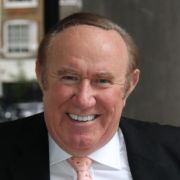
Andrew P Sykes

Cycling adventures with leading cycling blogger Andrew P. Sykes

Andrew P. Sykes created CyclingEurope.org, the blog that was recently ranked in the Top 10 UK Cycling Blogs. Sharing his adventures as he cycles around the UK and Europe. We caught up with Andrew to talk about what makes the cycling community different, the next big thing in cycling and how he likes to work with PRs.

What makes your blog unique?
2018 marks the 10th birthday of the blog so I suppose that in a world of websites that come and go, CyclingEurope.org does at least have longevity. Over the last 10 years I’ve probably written about most aspects of cycling in nearly 3,000 posts so it has become a useful source of reference for people wishing to find out about travelling with a bike, especially within Europe.

What’s the cycling blogging community like to be part of?
Very much like the cycling community. People who cycle have a take on life, which is subtly different to those who don’t; a combination of adventure and free-spirit but above all friendly. They don’t take themselves too seriously either.

What’s the best bike you’ve ever ridden?
My Ridgeback Panorama, Reggie, of course… He’s been the star of three books so how could I say anything but!

How many bikes do you own?
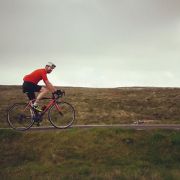
Just the two; Reggie is currently ‘resting’, so at the moment most of my time is spent sitting on a Cannondale CAADX 105 cross bike called (what else?), Dale… He’s not as forgiving as Reggie on the steep Pennine hills of Yorkshire however.

What’s the best cycle route in the world?
The next one you plan on taking, especially if it’s got a good view from the top.

What will be the next big thing in cycling?
When I started the blog in 2008, disc brakes were sneered upon as a fad for mountain bikers. Now they are fitted as standard on most bikes, even touring bikes. I’m hoping that the next big shift will be away from derailleurs and towards hub gears and carbon belt ‘chains’. Time will tell.

What one thing should PRs know about you?
Don’t send me an email that has clearly been sent to a thousand other people as well simply consign it to the trash. If you want my attention, call me Andrew (rather than my email address!) and give me a clue that you’ve spent at least a few minutes looking at the website to discover whether it really is a suitable one for your client to be associated with.

Reach-the-right-influencers-with-the-Vuelio-media-database

What are the best campaigns you’ve collaborated on?
I recently worked with two organisations in the travel industry relating to train and ferry travel. The nice thing about the collaboration was that some really useful information was made available to readers about combining cycling with taking the train or ferry.

Do bloggers need their own industry association?
Probably not; bloggers are no longer the new kids on the block. We know our stuff and are increasingly savvy about the ways of the PR world. Respect us for that and we can have a fruitful relationship without needing a governing body to regulate things

What other blogs do you read?
How long is a piece of string?? It changes every week. Currently, I’m planning my next long ride along the entire length of Japan in 2020 so anything connected to that is attracting my attention.

Andrew and CyclingEurope.org are both listed on the Vuelio Influencer Database along with thousands of other bloggers, vloggers, journalists and opportunities.

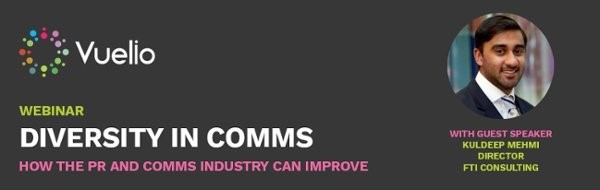
Diversity in Comms – How the PR and comms industry can improve

The PR and comms industry is not diverse enough, but the Taylor Bennett Foundation is trying to change that. Taylor Bennett Foundation alumnus Kuldeep Mehmi tells his own inside story of diversity in the industry and what we can all do to improve it.

Listen to the recording to hear how Kuldeep has worked his way to the top and learn:

  • How diverse our industry truly is and why diversity matters
  • What the Taylor Bennett Foundation is doing to promote diversity and how you can help
  • How we can change attitudes to improve the PR and comms industry

Diversity in comms webinar

you shouldn't have missed

Five Things: Google fine, BuzzFeedNews, Trump, Top 50 and DJ D-Sol

This week’s Five Things You Should Have Missed – sorry I meant to write ‘Shouldn’t’, rather than ‘Should’ – includes Google’s record fine, the new BuzzFeed News, Trump’s bizarre approach to communication, the Top 50 Blogs and DJ D-Sol.

1. Google’s Fine

Google fineLast week’s Five Things included a story on the fine Facebook had incurred from the ICO for breaching data rules. The £500,000 fee was just a drop in the ocean of Facebook’s earnings as it applied to offences committed before the GDPR came into force. This week Google has made the news for violating EU antitrust laws, which has led to a significantly higher fine of €4.34bn (£3.8bn or about 5% of revenue). As reported by the Guardian, the EU claims Google has carried out ‘serious illegal behaviour’ to secure the dominance of its search engine on mobile phones. Google search is the default on Android phones and the EU believes this doesn’t give people serious choice.

Margrethe Vestager, the EU’s competition commissioner, said consumers ‘pay with their data. Or to slightly paraphrase what [US free market economist] Milton Friedman has said: “there ain’t no such thing as a free search”.’

Google plans to appeal as it believes ‘Android has created more choice for everyone, not less’. However, if Google doesn’t end its ‘illegal conduct’ within 90 days, it could face fines of 5% of its daily revenue (in excess of $15m) every day it is late.

President Trump has now waded into the argument, on Twitter (of course):


2. BuzzFeed News

Buzzfeed

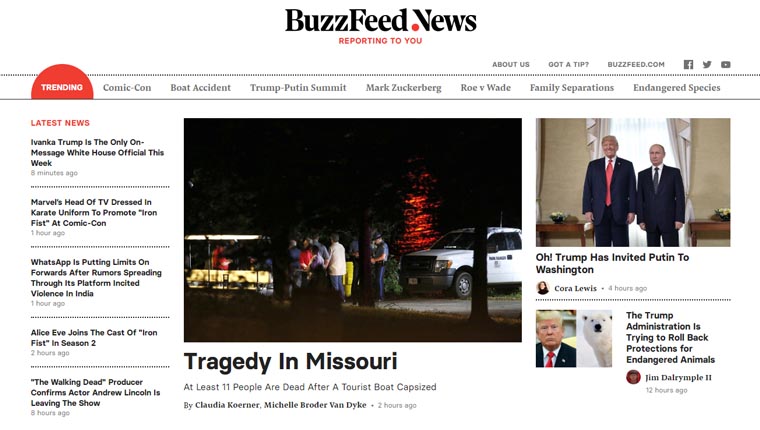
BuzzFeed has created a new standalone website to house its serious journalism: BuzzFeed News. This new brand not only showcases its impressive journalistic content (it has been nominated for and won a number of international awards) but also makes it stand out from the content BuzzFeed is famous for, namely listicles and quizzes.

As reported by TechCrunch, Buzzfeed senior product manager Kate Zasada said the company’s own research has found that some readers ‘don’t completely understand’ that while BuzzFeed is famous for GIF-filled lists, it also produced ‘deeply researched and fact-checked’ journalism. The BuzzFeed main site will still host news content and BuzzFeed News will still link to the main site, but the entities are intended to be distinct.

BuzzFeed News’ design means content is not separated into traditional news topics, instead it is focused on trending and top stories as selected by the BuzzFeed News editorial team. The site will also eschew traditional sponsored posts that appear frequently on BuzzFeed. Currently the site is based in the US and covers US news – if successful it is likely to roll out to other BuzzFeed markets including the UK.


3. Trump Derangement Syndrome

President

President Trump has had a tricky week. While we could say this of most weeks of his Presidency, this week Trump has uncharacteristically backtracked, sort of.

After Trump met Putin in Helsinki, the pair gave a joint press conference during which Trump said he saw ‘no reason it would be’ Russia who had meddled in the US election. This flew in the face of intelligence from several American agencies and led to Trump being branded by some as a ‘traitor’.

Perhaps realising he had created a potentially career-ending remark, Trump made an incredible correction. Back on home soil, Trump said: ‘In a key sentence in my remarks, I said the word “would” instead of “wouldn’t”’. That means he meant to say he saw ‘no reason it wouldn’t be Russia’.  Though this doesn’t make much sense the context of the speech, it is very typical of Trump’s approach to comms, telling his own narrative and sticking to it.

His opinion on Russia since is very mixed, with some tweets suggesting the meeting was excellent and people hated that he got on with Putin because they had ‘Trump derangement syndrome’, and others suggesting he believes Russia meddled in the election. This week it was announced that he has invited Putin to the Whitehouse.

Adding more pressure to Trump’s bad week, Barack Obama gave a speech that was seen to target Trump even though he wasn’t named. Obama said politicians today lie, which isn’t new, but when they’re caught out, they keep lying. He also explained that it’s very difficult to engage with people who refuse to agree on basic fundamental truths. Watch Obama’s speech below:


4. Top 50 Blogs

The biggest ranking Vuelio publishes each year has once again found Guido Fawkes to be the number on blog in the UK. The political giant, whose posts literally have the power to shape Government, is enjoying a boom time as Brexit makes politics a daily news factory. This is reflected by the other political bloggers in the list: ConservativeHome (7), Wings Over Scotland (12), Politicalbetting.com (14), LabourList (15), Bella Caledonia (21), Left Foot Forward (24) and Slugger O’Toole (30).

As always, football and automotive blogs have done very well, the former no doubt boosted by this year’s World Cup. Outside of these dominant categories, the Top 50 shows great variety with bloggers covering everything from fashion and beauty to crafts and photography.

Find out how Vuelio decides its rankings here.


5. Wicked, Wicked, Goldman is Massive

Goldman Sachs

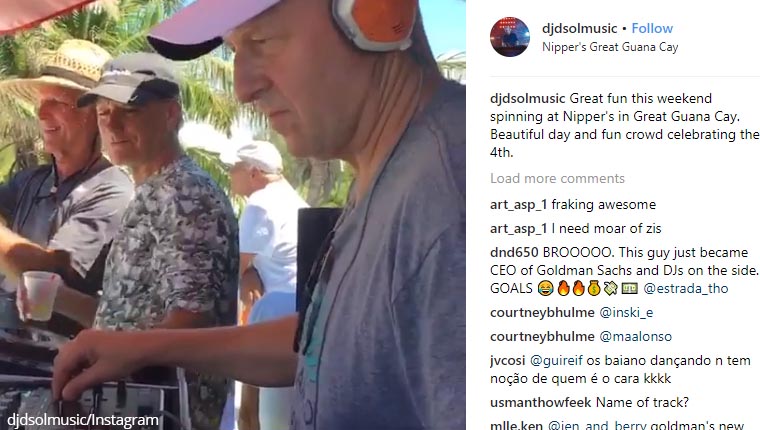
A surprising bit of news from Goldman Sachs has been a boon for its PR this week. While most new CEO announcements are dry affairs, Goldman Sachs’ appointment of David Solomon has brought an added bonus. The new boss, who will take over the top job in October, is also a DJ, who goes by the stage name DJ D-Sol. No, really. Check him out on Instagram or Spotify.

This has made the corporate giant seem that bit more human, young and interesting this week – something Goldamn Sachs perhaps didn’t need but has certainly gained it an incredible amount of additional press.


Did we miss anything? Let us know on Twitter @Vuelio

How does Vuelio decide its top 10 blog rankings

How does Vuelio decide its Top 10 Blog Rankings?

How does Vuelio decide its Top 10 blog rankings – and Top 20s – is a question we’re often asked; it comes from bloggers hoping to make the list (or disappointed because they didn’t), PRs looking to work with the UK’s best bloggers, and the media covering bloggers in every industry.

This post is designed to address some frequently asked questions, and misunderstandings, about the processes behind the blog rankings and explain why they are so important to the blogging sector. 

What are top 10 blogs?

Vuelio lists top 10 blog rankings (and occasionally a top 20) of the most influential blogs across a variety of markets, topics and interests – from fashion to PR. We started publishing blog rankings in 2008 and the method we use has evolved massively to keep pace with the industry.

How does it work? 

Vuelio uses a proprietary algorithm to rank all the media in our database. For the rankings, we (usually) put the ten most influential blogs in order after the automated results have been carefully reviewed by our team of in-house researchers. The methodology takes into consideration a vast number of factors including social sharing, topic-related content, post frequency, engagement, social media influence, traffic and interactivity. Unfortunately we cannot reveal the exact process, for obvious reasons!

How often are the rankings updated? 

The Vuelio Media Database is constantly updating, as it draws on real-time information about media properties and the influencers responsible for them. We publish a ranking for a particular sector or area of interest around once a month, and will try to refresh current rankings at least once a year.

How does Vuelio decide topics for the rankings?

We plan our ranking schedule on a yearly basis, and try to keep things topical, working around popular events, shows, festivals and holidays in the UK, while also acknowledging the popularity of individual rankings and focusing on particular sectors that are important to our overall business strategy.

How does it benefit bloggers? 

The rankings recognise and list the most influential bloggers from the topic and category their blogs fall into. It can be used by bloggers to their advantage in demonstrating how their blog ranks against others in their sector, and gives them publicity, both within the PR and marketing community and among the wider public. It’s not a guarantee to make you rich and famous, but you never know…

How does it benefit Vuelio?

The rankings allow Vuelio to demonstrate the power, strength and reach of its Media Database and research facilities while also strengthening our relationship with bloggers. The popularity of the rankings and the traffic they generate for our website have made them key elements of our overall marketing approach.

Our rankings also helps set a benchmark for the blogging industry and serve as a resource to our clients who are primarily in the PR and communications sector.

How can I sign my blog up? 

All blogs in our Media Database are considered for the rankings. To submit your blog to the database email [email protected].

This post was updated on 5 May 2025 to ensure it remains current and up-to-date. 

BBC

Two sides to the story: is the BBC biased?

A recent article from journalist Nick Cohen: ‘How the BBC Lost the Plot on Brexit’ for The New York Review of Books (NYR), accuses the BBC of ‘journalistic cowardice’ in regards to its coverage of Brexit. Accusations of bias at the BBC are not new, but it has taken the unusual move of responding, from its official media centre, with a letter from James Stephenson, news editor at BBC News and Current Affairs.

Here are both sides of the argument.

Biased
Cohen’s article lays out Brexit as he sees it – ‘There is no plan, and there never was a plan’. He criticises Nick Robinson, who said: ‘The day we broadcasters have to ‘broadly balance’ the views of the two sides is at an end. Why? Because there are no longer two sides.’

He points out the current distrust in the media, being driven by the likes of Trump and Putin, and how journalists need to oppose their agendas.

In an acerbic attack, Cohen writes: ‘The BBC’s reporting of the scandals around the Brexit referendum is not biased or unbalanced: it barely exists.’ He suggests that massive stories such as the Facebook/Cambridge Analytica scandal, the Brexit campaign funding scandal and the exposure of Russian interference in British politics scandal were covered with ‘only the most perfunctory of reports’.

He writes that his colleague at the Observer, Carole Cadwalladr – a huge force in uncovering and reporting on the data scandals this year – offered BBC Panorama the chance to interview Cambridge Analytica whistleblower Christopher Wylie, but the current affairs show turned it down as there was no ‘smoking gun’.

Cohen ends his article, suggesting the BBC may change its approach to Brexit as public opinion changes, but that ‘No one should praise journalists who speak out when, and only when, they are certain that public opinion is with them.’

Not biased
James Stephenson is more succinct in his reply, which is directed at the editor of the NYR. He claims that Cohen has ‘ignored a number of inconvenient facts’ and points out that when the Facebook/Cambridge Analytica scandal broke, the BBC covered it on major news bulletins for 11 days in a row. Its business, economics, media and North America editors, as well as the technology correspondent, all reported on aspects of the story.

The BBC also interviewed the whistleblowers on multiple programmes.

He also explains the Panorama issue: ‘For Panorama to make a programme, it needed to be confident of the underlying evidence behind the whistleblowers’ claims. Panorama asked for access to all the evidence, but that was not forthcoming. Limitations were placed on the BBC’s own investigation of the allegations and constraints on who we could approach. In short, we did not have the scope to make a programme which met our standards of robust independent investigation in the time available.’

He goes on to write: ‘We do not expect our journalists to “say what they believe”, as Nick advocates. We ask them to report accurately, offer informed professional judgements and go wherever the evidence takes them.’

He finishes: ‘There can be few times in the BBC’s history when its journalism has mattered more. This is not an organisation frightened of journalism, but committed to it.’

So, is the BBC biased?
The BBC is in a unique position; funded by the public it must remain impartial – and when you attempt to report everything from all sides, you’re often seen as taking sides. We’ve presented both sides of this story, so you can decide if the BBC is biased yourself.

Queer Little Family

Exploring the LGBTQ blogging community with Bread Skalka

Bread Skalka is behind Queer Little Family, the blog that was recently ranked in the Top 10 UK LGBT+ Blogs in the UK. Writing about life as a parent as well as other topics spanning LGBT+ and mental health. We caught up with Bread to talk about the LGBTQ blogging community, the LGBT Action Plan and working on campaigns she believes in.

What makes your blog unique?
We believe in stories over stuff so there aren’t many reviews or product placement. We don’t do a lot of brand stuff. We prefer real life and can be painfully honest at times and I think that makes us a little different. I’m an old school blogger in an influencers world, which can be a little difficult but I make it work. I want to inform and entertain, which is always a hard line to walk, but I think I manage it.

What’s the LGBT+ blogging community like to be part of?
It’s small and we tend to make up parts of other communities, like parenting blog communities or writing groups, and find each other that way. I work hard to include as many LGBTQ bloggers and writers on my blog and social media as possible. I want to highlight my peers as well as myself.

What’s the biggest issue facing the LGBT+ community today?
Getting past tolerance and into true equality. At least in the UK. In many places, we’re tolerated but that’s not enough. You tolerate things that annoy you, and we’re not an annoyance. The recent Stonewall survey conducted last year (which I definitely took part in) really shows how far we still have to go to get the equality we deserve. I think we really need to work on the suicide and self-harm risk to our LGBTQ youth. I used to self-harm and have attempted suicide and I actually have been pretty privileged in terms of family acceptance and suffering, from microaggressions to blatant homophobia.

Where is the best Pride event?
My favourite was Pride on The Prom in Aberystwyth a few years ago, which I’m hoping will come back in the future. Cardiff Pride is pretty good. Because of my anxiety and social phobia, I tend to avoid large crowds but as my mental health improves I hope to attend more in the future with my family.

What do you make of Theresa May’s LGBT Action Plan?
I’ll believe it when I see it. Theresa May doesn’t have the best history when it comes to LGBTQ issues and neither do the Conservatives. If she makes conversion therapy illegal that would be a good start because I couldn’t believe how many LGBTQ people had been offered it and had to go through it. An action plan is nice but we need the action now.

What one thing should PRs know about you?
I’m not your typical blogger. I like working with smaller business, Welsh and LGBTQ ones in particular, and charities too. I’m also interested in things my son can experience as he is my main driving force for the blog and for my life.

Reach-the-right-influencers-with-the-Vuelio-media-database

What are the best campaigns or collaborations you’ve been part of?
I do some posts for the Woodland Trust that I enjoy because it’s something I really believe and definitely want to do more charity work/collaborations in the future.

Do bloggers need their own industry association?
I think so. Something that encompasses freelance blogging and influence marketing possibly. There are a lot of brands/PRs who will pay a pittance but get a great return. An association that could advocate for bloggers would be beneficial and stop things like influencers and business owners going viral for disagreeing over rates or reviews.

What other blogs do you read?
I read a few (a lot). A Moment With Franca, LesBeMums, Meet The Wildes (they have amazing pictures). Daddy and Dad is a great blog and Lydia Schoch is a wonderful writer. I also like Babi a Fi. I could go on and on. I’m not big on visual content but I read a lot. Also, Mombian is a great resource for LGBTQ families.

Bread and Queer Little Family are both listed on the Vuelio Influencer Database along with thousands of other bloggers, vloggers, journalists and opportunities.

Five Things: BBC Pay, Facebook’s fine, Sky bids, Twitter purge an Build-A-Bear

This week’s Five Things You Shouldn’t Have Missed includes BBC star pay, Facebook’s fine, the billion-pound tussle for Sky, the Twitter-follower purge and the Build-A-Bear promotion.

1. BBC salaries

BBC star pay

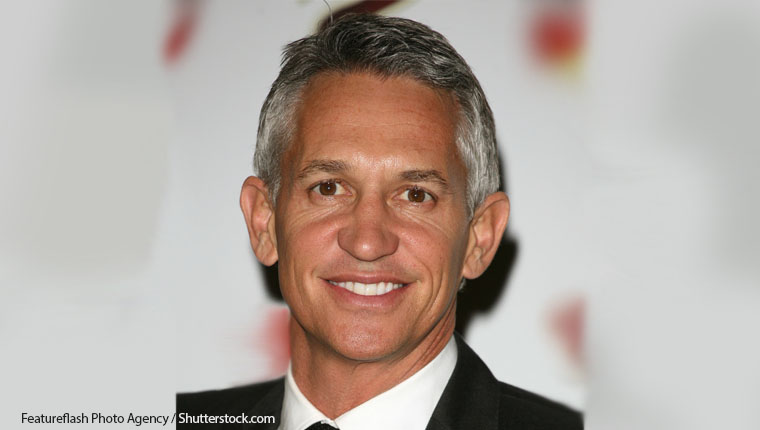
The BBC has released its annual list of star salaries, which is once again topped by white men. The top 12 on the list, all earning at least £400K, are now led by Gary Lineker who earns between £1.75m and £1.76m. Last year’s number one, Chris Evans, has seen his salary fall by nearly £600K as he longer presents Top Gear.

Claudia Winkleman is still the top woman, earning between £370,000 and £379,999. While a number of male presenters have seen their pay fall, including Graham Norton, Jeremy Vine and John Humphreys, Winkleman has fallen from 8th to 13th on the list due to the production arm, BBC Studios, being reclassified as a commercial entity. BBC Studios is responsible for most of the BBC’s entertainment, factual and drama programmes and doesn’t have to declare star pay.

There’s also an obvious lack of ethnic diversity on the list, though the BBC says the number of BAME stars is rising.

Director general Tony Hall said the BBC was ‘making progress’ but that ‘these things take time. Jane Garvey, who is one of eight women to join the list, said: ‘There needs to be a proper conversation about why in 2018 we are still fighting the same old battle on equal pay and why the work of women just isn’t valued in the same way as the work of men.’


2. Facebook’s fine

ICO fine

Facebook has been fined £500,000 for data breaches in the Cambridge Analytica scandal. This is the maximum allowable fine from the ICO, as the offences were committed before the GDPR came into force; if it had been after 25 May, the fine could have been billions. The fine is for two breaches of the Data Protection Act – Facebook failed to safeguard its users’ information and it failed to be transparent about how data was harvested by others.

Elizabeth Denham, the information commissioner, said: ‘Fines and prosecutions punish the bad actors, but my real goal is to effect change and restore trust and confidence in our democratic system.’

As reported by The Guardian, Facebook takes £500,000 in revenue every five and a half minutes.


3. The Sky’s the limit

Rupert Murdoch

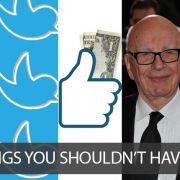
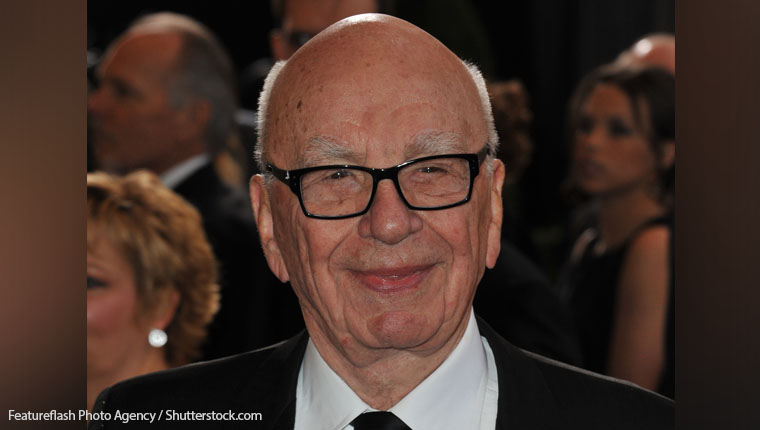
Murdoch and Comcast both upped the stakes for the Sky takeover this week. Murdoch revised his offer for the remaining portion of Sky he doesn’t already own, bidding £24.5bn. This was approved by Sky’s independent committee, which recommended the deal to shareholders. However, just hours after Murdoch’s bid, Comcast increased their offer to £26bn – this was then approved by Sky’s independent committee who have recommended it to shareholders ahead of Murdoch’s bid.

In addition to all the bidding, the UK Government has given Murdoch clearance to take over Sky, removing a hurdle that has been in place for some 19 months. The announcement was made by new Culture Secretary, Jeremy Wright, who said he was just confirming undertakings his predecessor Matt Hancock had put in place.

If Murdoch wishes to continue his takeover of Sky, it is now only price that stands in his way.


4. Twitter purge

Twitter birds

Twitter has made changes to users’ follower counts, with ‘locked accounts’ no longer counting towards your follower numbers.

Twitter locks accounts when it detects changes in account behaviour – for example, tweeting a large volume of unsolicited replies or mentions, tweeting misleading links, or having large number of users block the account. Once Twitter locks an account, it emails the original user who can easily unlock it by following a few simple steps. There is some debate about how many of these locked accounts represent ‘fake’ accounts and how much are just old or abandoned accounts.

Locked accounts were already unable to tweet, retweet or like posts but until now they still showed in follower numbers. Since the purge, several high-profile accounts lost millions of followers, including Obama (down about three million), Rihanna (down over two million) and Trump (down by about 340,000).

The Kardashian/Jenner clan all lost a vast number of followers, though this doesn’t seem to have affected Kylie Jenner’s chances of becoming the world’s youngest ‘self-made’ billionaire.

Even Twitter itself lost 7.7million from its official @Twitter account.

The purge is an ongoing process; when Twitter is finished it expects to have removed about 6% of total follower counts. While this may bruise some egos, it will increase the transparency of individuals’ ‘influence’ on Twitter – an issue every platform is currently trying to tackle.


5. Build-A-Bear

Build-A-Bear

Wimbledon, Ed Sheeran, Nigeria’s World Cup kit at Nike and now Build-A-Bear. What do they have in common? Unprecedented demand.

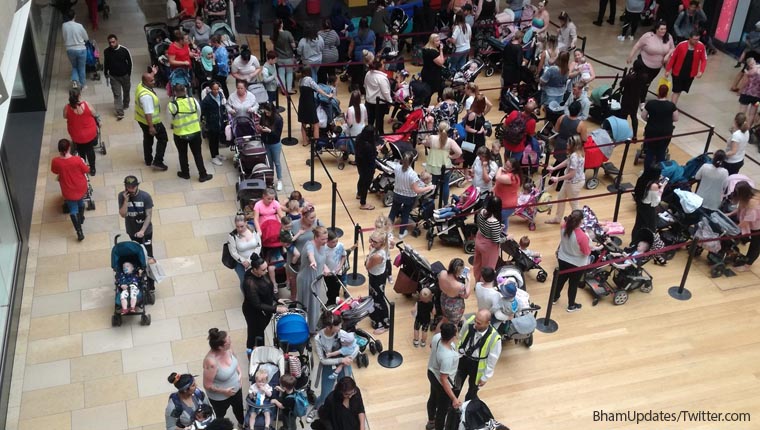
This week, the make-your-own-stuffed-teddy-bear shop held a promotion: ‘Pay your age’. The idea is simple, bears that cost between £12 and £50 would, for one day only, be available to anyone for the price of their age. Unfortunately, it seems like Build-A-Bear underestimated its own popularity with queues stretching miles – actually miles – as parents attempted to take advantage of the offer.

One customer told the BBC she queued from 09:10 until 12:40 to get into the shop and then spent another two hours in store due to ‘stuffing counter queues’. Police and security across the country struggled to control the crowds, with images of queues snaking around shopping centres, a common sight on Twitter.

Build-A-Bear eventually abandoned the promotion, and gave out vouchers to its members who were affected. Incidentally, members are already entitled to the promotion if their child is under 14 and it is their birth month, so needn’t have queued in the first place.


Did we miss something? Let us know on Twitter @Vuelio.

Daily Politics

Goodbye Daily Politics – changes to BBC political programming

The BBC has announced a raft of changes to its political programming, including a new daily political programme to replace Daily Politics.

The new 45-minute programme is titled Politics Live and will be presented by Jo Coburn four days a week. These shorter episodes aim to provide viewers with a ‘fast-moving conversational show’ and include content that’s can be shared digitally – a method that has worked very well in recent years for talk-radio station, LBC.

Jo Coburn said: ‘With a conversational, unstuffy approach, we will keep viewers up to speed in fast-changing times and entertain them along the way.’

A special extended edition of Politics Live will run on Wednesdays and include PMQs. This will be presented by Andrew Neil, who said: ‘I’m excited by the programme’s ambition to engage younger and more diverse audiences – as well as our commitment to rigorous journalism and holding those in power to account. I’m looking forward to presenting the show on Wednesdays when PMQs will be centre-stage.’

It has also been announced that due to budget constraints, Sunday Politics will no longer be a UK-wide broadcast; it will be replaced by half hour stand-alone episodes for each of the nations and English regions. The final episode of the full UK programme will be 29 July.

Other changes announced by the BBC include a new team, to drive digital and social coverage of politics and parliament for younger audiences who get their news online. This will include podcasts.

Katy Searle, head of BBC Westminster, said: ‘The way people get their news is changing, and the nature of politics is changing as well – this is why we’re boosting what we do digitally to bring trusted political information to people, wherever they’re getting their news.’

In a separate cost-cutting measure, BBC Parliament will no longer make bespoke programmes nor broadcast during recess or at any other time the UK’s parliaments are not sitting. It will continue to show live streams and repeated content at all other times.

White paper

How to have good Media Relations in 2018

Relationships and trust are at the heart of everything we do in PR and communications. Without the right relations with the media, PR and comms would not be able to function, and vice versa.

Before the internet and digital media, media relations seemed more straight forward – long ‘business’ lunches with the right people, a press release in a journalist’s hands and an understanding that coverage was secured.

Now journalists are under resourced, and have more work for more channels, 24-hours a day. That’s quite an ask, and it means long meetings are now out of the question.

Social media has also changed the way everyone communicates, including how we approach and stay in touch with journalists on a daily basis, from following our contacts on Twitter, connecting with them on LinkedIn or contacting them on WhatsApp.

And it’s not even just journalists any more, anyone with an internet connection can create a news site or blog and start accepting press materials. ‘Influencers’, though itself a term derided by many bloggers, vloggers and Instagrammers, are now recognised outlets for comms to use whether that’s leaking a news story or promoting a fashion item.

Our latest white paper – Media Relations in 2018 – explores all of these phenomena to help you better manage your media relations in 2018 and even includes a section on the GDPR so you know your relationships are Regulation compliant.

We spoke to journalists, bloggers and leading PR professionals: including top parenting blogger Jo Middleton of Slummy Single Mummy fame, Ben Titchmarsh, head of media and marketing at Propeller Group, and Anne-Marie Lacey, managing director of Filament PR, who both shared the secrets of their success and gave their top tips for improving media relations in 2018.

You can download the white paper here.


Find out more about our Media Database, which lists contact details for thousands of journalists, editors, bloggers, vloggers and ‘grammers waiting to build relationships with you.

Channel 5 News

People power the best broadcast pitches says Jack Leather at Channel 5 News

Channel 5 News wants people at the heart of all of its stories says Jack Leather, digital editor, when asked what makes a good story and a good pitch to broadcasters.

He added, talking specifically about digital content, that he wanted people to feel an emotion – whether it was joy or anger, say – when watching a Channel 5 News video online.

Leather was talking at Good Broadcast’s event this morning about reaching ‘younger audiences’ with broadcast content and his colleague Jess Bulman, deputy editor of Channel 5 News said both people and case studies helped tell the story.

Bulman added that the key to success with a pitch was understanding the detail of your story: ‘No matter what your story is, understand what you are pitching. The detail of the story is important when pitching to us.’

Unfortunately, PRs pitching in to the Channel 5 team don’t always know the details of the story or are able to answer follow-up questions, she explained.

Chris Smith, presenter, BBC Radio 1 Newsbeat, joined them on the Good Broadcast panel and said the way to get your message across to younger listeners was simple: ‘You just have to be authentic!’ Younger listeners have a ‘very keen nose’ for anything that doesn’t ring true, he added.

His advice for pitching to journalists was for PRs to do their homework and know who they want to pitch to. ‘Know who you are picking up the phone and asking for when you call.’

Phil Caplin, director of Good Broadcast, stressed at the start of the event that the key to broadcast success was to focus on quality not quantity in terms of content and reach in campaigns.


For more on what constitutes good media relations, check out our white paper: Media Relations in 2018

CEO Vuelio

AI will be a key ally for PRs and communicators says Joanna Arnold CEO of Access Intelligence

We know one of the greatest challenges for PRs and communicators is getting an up-to-date and informed 360 degree view and perception of the brands they work on. Artificial Intelligence (AI) will help with this, but it will also do so much more for communicators, writes Joanna Arnold, CEO of Access Intelligence, the parent company of Vuelio.

How do you cope with all the external and internal information available to build this picture? In real time?

You need as much relevant data as possible but too much unfiltered, or uncontextualised, information hinders good – and timely – decision making. Particularly when you are at the centre of a media storm.

Imagine being at the centre of the turmoil surrounding TSB at the moment. A severe IT failure – and ongoing problems – has angered UK consumers and investors, and left TSB CEO Paul Pester facing some difficult questions. How can he and his advisers manage the bank’s reputation, and his own, by keeping on top of the latest news as the story continues to unfold?

This is not just a consumer story, of course. What are the 8,500 or so UK staff at TSB thinking and feeling, let alone saying, on social media? There are the views of regulators and the Government to consider too.

To plan for, react to and predict the right way to deal with stories like this, you need to know which influencers are receptive to your messaging and content. And those who are hostile. Or likely to be. And are those influencers capable of affecting your, or your client’s, reputation with your key audiences and stakeholders?

You also need to filter out the wrong information – from irrelevant stories to fake news – and all of this should be available as quickly as possible through a single accessible platform.

Ultimately, you need actionable intelligence to be effective.

And this is where AI comes in. AI sits at the heart of the solution as a powerful way of contextualising and filtering excessive unstructured data.

It can help you react fast to existing issues, find key stakeholders aligning with strategic topics quickly and can help you identify emerging topics and future opportunities and challenges through correlating events and patterns.

Media monitoring is a great example of this. It’s a crucial tool in the communicator’s armoury requiring the consumption, analysis and contextualisation of information from virtually everywhere – not just the media. At Vuelio, monitoring covers all the activity from the UK Parliaments, Government departments and the wider stakeholder community. AI has a massive role to play here – what’s more, it is only just starting to fulfil its potential.

But, of course, AI can help further. It will take on the burden of contact management – whether you are talking about stakeholders, journalists or clients – and boost relationship management in almost every dimension.

Just think about the benefits of true integration, as profiles are enriched by information and feedback from the rest of the platform, your ongoing activity and its impact on key audiences. All of this will give communicators actionable, real-time intelligence based on a filter of the world’s millions of news sources and publications.

In short, AI – particularly machine learning – will help us not only react to what has just happened, or been published, Tweeted or Instagrammed, it will help us plan what we should be doing next.

Ultimately, this should enable more effective strategic decision-making and gives us the potential to create truly predictive PR and stakeholder strategies.

It’s all about intelligence, and not just the artificial kind. If your relationship management platform is hyper-targeted and contextualised, you will start to get real-time global intelligence at scale and enhance your role. Think of the power and opportunity you will then have at your fingertips.

If we don’t allow the exciting possibilities of AI to help us – as communicators – keep on top of a rapidly changing world, how will we ever keep up with the present, let alone enter the future with confidence?

The CIPR is doing a great job presenting the power of the possibilities new technology offers, but, to realise them fully, more of us need to learn to love AI.


Joanna Arnold is the CEO of Access Intelligence, which owns Vuelio, the leading provider of software for communications, public affairs and stakeholder engagement, and owner of the annual Vuelio Blog Awards, which takes place on November 30 2018. Joanna joined Access Intelligence in December 2008 and has completed three acquisitions and two funding rounds with the business.

This is an edited version of Joanna’s blog post on AI and PR which was first published on Steve Waddington’s blog.


You Could Travel

Interview with You Could Travel’s Cory Varga

Cory and Gergely Varga are the married couple behind You Could Travel, the travel blog that was recently ranked in the Top 10 UK Travel Blogs for the first time. Specialising in soft adventure, You Could Travel presents travels for everyone, no matter what your background or means. We caught up with Cory who told us about the travel blogging communities, adventures around the world and working as marketers with PRs.

What makes your blog unique?
You Could Travel is a soft adventure travel website aimed at couples. We know and understand that not everyone can travel all the time, so we want to help others tailor their travel itinerary to ensure their holiday is perfect. We make mistakes so our audience doesn’t have to. We are honest and transparent and we love recommending ways to help our audience become more eco-friendly.

How has travel blogging changed since you started?
We started blogging two years ago. Blogging hasn’t change much if I’m perfectly honest. Perhaps what happened is, with time, we became more aware of our competition and over time we understood what it is like to have your blog as a business. When we started, there were very few people focusing on our niche, but now, everyone talks about ‘off the beaten track’, for example. As with every industry, it’s important to make the right predictions and stay well ahead.

Reach-the-right-influencers-with-the-Vuelio-media-database

What’s the community of travel blogs like to be part of?
It depends as with every industry. We are part of some seriously tight blogging communities where we all help each other. We made so many friends all around the world who we continue to meet during our travels. Of course, there are other communities that are driven by rivalry. We prefer to exit those as quickly as possible as we believe there is enough room for everyone in the blogging sphere.

What’s the best travel experience in the world?
Spending a few months in Japan. Our time in Japan changed our lives and drove us to become bloggers. That country is unique and beautiful. We can’t imagine anything better than living in Tokyo and enjoying a never-ending travelling adventure.

What’s the best mode of transport you’ve ever experienced?
We flew, of course, we took the ferry, the bus, the train…I think so far, we love driving the most. It’s easy and convenient and a little more eco-friendly than flying (it might sound unbelievable, but it’s true!). Our dream is to buy a Tesla and travel the world by electric car.

What’s your scariest experience while travelling?
Luckily, we don’t have many scary experiences while travelling. We tend to be overly cautious if anything. I guess the scariest thing was when we got lost in the mountains in Tenerife and we almost missed our last bus back to the city. We had no food or water with us so we weren’t exactly prepared to camp under the stars. Looking back, it was an adventure of a lifetime.

What should PRs know about you?
We take our time to craft the perfect marketing campaign to fit their client. We always deliver the highest quality marketing material on time, no exceptions.

We have a 100% satisfaction rate and positive feedback from all our clients. We are not just bloggers, we are marketers. We worked in the digital industry as creative and technical directors for over ten years. Together, we worked with hundreds of companies in over 20 countries, so we really do know the ins and outs of the industry.

Varga

What are the best campaigns you’ve worked on?
We love working with tourism boards as the sky is the limit. Together, we usually come up with some explosive marketing ideas that actually work, especially because we understand how to properly target the right audience. In the past, we loved working with Beauty of Japan, a Japan-based company that specialises in activities for foreigners. It was the time we dressed up as an Oiran and Samurai for a day and it was incredible.

Do bloggers need their own industry association?
We’ve been talking about it for so long. I think it would be great if the industry would be better regulated. I would say yes, we do need an industry association.


You Could Travel, as well as Cory and Gergely, is listed on the Vuelio Influencer Database along with thousands of other bloggers, vloggers, journalists and opportunities.
Five Things: MPs and the media, Eddie Mair, Pride, Copyright and It’s Coming Home…

This week’s Five Things includes a top story from ComRes about where MPs get their news, Eddie Mair leaving the BBC for LBC, Pride in London, Copyright law rejected in the EU (for now) and football, which is, I believe the saying goes, coming home.

1. Where do MPs get their news?

PollsterComRes has asked 151 MPs for their favourite news sources to see where our leaders are getting their news. The BBC News Channel is the most popular news ‘programme’, followed by BBC Radio 4 and BBC 6 O’Clock News/BBC News at Ten. For Labour MPs, BBC News is the most popular but for Conservatives it is Sky News.

The Evening Standard is the most popular daily print newspaper, read at least twice a week by 45% of MPs, followed by The Times (36%), The Daily Telegraph (27%), Daily Mail (22%) and The Guardian (21%).

Online it’s a different story, The Times is the most popular site, followed by The Guardian, Mail Online and The Daily Telegraph.

In terms of blogs, it will perhaps come as no surprise that Guido Fawkes is the most popular political blogger – read by 28% of all MPs. It is far more popular among Conservatives – 50% read it – than Labour – only 5%. HuffPost is the second most popular ‘blog’, but only read by 7% of MPs (11% of Labour but no Conservatives). The rest of the list breaks down along party lines as you’d expect.

For favourite broadcast journalists – Andrew Neil is the most popular, listed by 21% of MPs as a favourite (though again, party lines means that’s 36% of Conservatives and only 5% of Labour). BBC’s Laura Kuenssberg is second on 17%, and the rest (from Peston through to Crick) all manage less than 4%.

And finally, for favourite print journalists, there’s less of a distinction among favourites; Quentin Letts tops the list being chosen by 5% of MPs, then Matthew Parris, Daniel Finkelstein and Fraser Nelson on 4%. Party lines split as you’d imagine.


2. Eddie Mair leaves the BBC

LBC

It’s the end of an era, you might say. Eddie Mair, long-time presenter of Radio 4’s PM programme, has announced he is leaving the BBC after 30 years. In a statement, Mair said: ‘I thought this was the appropriate moment to step out and give someone else a chance, before I’m so old my sentences make no lasagne.’

Shortly after the announcement, LBC confirmed Mair would be joining the station to host a new show from September. The talk-radio broadcaster continues to grow in popularity, with its highest ever listening figures recorded in May.

Despite suggestions to the contrary, Mair has explained the decision is not motivated by money, or anything to do with the BBC’s ongoing pay issues. The veteran presenter had even offered, in writing, to take a pay cut from his salary of £300,000-£350,000 a year.


3. Everybody Say Love

Pride

Tomorrow is Pride in London and to celebrate, Vuelio has published the Top 10 LGBT+ Ranking. We also spoke to a number of leading bloggers, including top spot Justin Myers, of the Guyliner, Kate Everall, one half of LesBeMums, and Jamie Beaglehole, one half of Daddy & Dad.

Also, this week, Theresa May announced an LGBT Action Plan to ‘end anti-LGBT hatred’. While it goes some way to tackle issues facing the LGBT+ community, our bloggers feel it leaves a little to be desired – Kate said: ‘It doesn’t take much research to see Theresa May’s voting history when it comes to LGBT+ rights’, and Justin said: ‘Some of these action points are just previous pledges rehashed’.

Pride was also celebrated this week with the first LGBT STEM Day, an international day celebrating LGBTQ+ people in Science, Technology, Engineering and Mathematics.

London magazine Shortlist has this week published its Pride issue, which required every advertiser to support Pride and have their adverts framed by a rainbow border. Other brands to get involved include for Pride include the RSPB, the Royal Mail, Senate House, Lloyds Bank, Crufts, Great Western Rail, Southbank, Lorraine and Skittles (by no means an exhaustive list).

And one final mention for DublinBus and its tear-jerker Proud Dads campaign:


4. Copyright law rejected

YouTuber

EU lawmakers have voted to reject changes to copyright law that would have meant tech companies had to share more of their revenues, and memes may have become extinct. The vote was 318 against and 278 for, so the battle for ‘internet freedom’ is by no means over, with a second vote due in September.

There are a number of articles in the law that have caused concern, including a ‘link tax’ where the likes of Google and Facebook would have to pay for showing extracts and snippets of publishers’ content in search results and on feeds; and the ‘meme law’ where platforms would be liable for content uploaded by users that infringed on copyright. The second one was seen, among other things, as the potential death of memes, which are often made from copyright protected material. There are a number of notable names on both sides of this argument, so expect September’s vote to start it all up again.

In a second piece of copyright-law-online news this week, YouTuber Paul Davids has been called out for breaching copyright on YouTube. Bizarrely, it’s his own content that he’s infringed, and someone else who stole his music is seen as the original creator. Paul has very magnanimously allowed the other musician to continue using his track – and thanks to this BBC article – everyone now knows the truth.


5. It’s coming home

It's coming home

In the UK, 23.6 million people watched England’s penalty shootout against Colombia (spoiler: England won – the first time it has won a World Cup shootout ever), making it the most-watched five minutes of television since the Olympics.

Whether you believe goalkeeper Jordan Pickford had all six infinity stones in his glove, or were just there for Gareth Southgate being a decent human being (check out #GarethSouthgateWould), one thing has been inescapable this week.

It’s coming home.

Did we miss something? Let us know on Twitter @Vuelio.

Kate and Sharon and T

Spotlight with Top LGBT blog LesBeMums

LesBeMums was created in 2012 by Kate Everall and her wife Sharon when they started their journey to become parents. Recently ranked second in the Top 10 UK LGBT+ Blogs, LesBeMums now posts about family life with young T, and reviews days out and family activities. We spoke to Kate about the LGBT+ community (and why the bloggers are so supportive), politics and working with PRs who understand the value in bloggers.

What makes your blog unique?
Not only are we a same sex family, but we are two mums raising a son. In a male dominated world, we have the challenging task of making sure we raise a decent man, while also making sure he is not automatically hated for his gender. We talk a lot about tackling outdated stereotypes, raising a feminist, and hitting prejudice in the backside.

T

What’s the LGBT+ blogging community like to be part of?
When we first started blogging, and reading blogs prior to writing one, the LGBT+ blogging community was almost non-existent, especially in the UK. Most of the blogs we read were in Australia and the US. Because of this, we decided to start our own blog and build on that community, to make families feel less isolated and to find others just like us.

Over the years the community has grown, and I am proud to see a number of families online and being visible; from adoptive two-dad families to single gay-mum families. It’s a wonderful community to be a part of – I don’t know anything quite as supportive.

What’s the biggest issue facing the LGBT+ community today?
While the UK is moving forward when it comes to LGBT+ rights, it seems the rest of the world (especially the US) is moving backwards. One of the biggest issues I see for the LGBT+ community at the moment is religious freedom. While I respect those that believe in religion, I see no purpose for it in modern society if it means members of the LGBT community – humans – are being denied the same rights and services as heterosexual people.

Where is the best Pride event?
I’m biased when I say Brighton, but what more could you want from a Pride event? Sun, sea, and (stone) beaches. It’s a wonderful place to be during the Pride weekend, with an amazing atmosphere, and while I’d love to visit other Pride’s across the world, Brighton will always have my heart.

What do you make of Theresa May’s LGBT Action Plan?
While it is a step in the right direction, it doesn’t take much research to see Theresa May’s voting history when it comes to LGBT+ rights, and as a member of the LGBT+ community I will never forgive the implementation of Section 28 in the 1980s. Therefore, I am always apprehensive when it comes to new Tory legislation. Nevertheless, I am pleased to see that the Government has listened to so many voices and I welcome any work that changes the way schools can address homophobic bullying as well as how Police can tackle hate crimes, but I want to see results (and real funding!) before I start dishing out the praise and high fives.

What one thing should PRs know about you?
Being a two-mum family, we’re open to something that bit different. Not THAT you filthy animals(!), but something that may challenge gender stereotypes and norms, or even challenge what ‘family’ looks like. We would love PRs to think outside the box and be more inclusive when choosing families to be a part of a campaign. If I don’t feel represented it puts me off a product. I want to see a variety of families taking part in campaigns.

Reach-the-right-influencers-with-the-Vuelio-media-database

What are the best campaigns or collaborations you’ve been part of?
Being a part-time blogger, I don’t often have the time to take part in massive campaigns. We’re often overlooked because our stats are a lot lower that others, but one of the biggest campaigns (for us, anyway!) to date, is collaborating with Camp Bestival. We’re still pinching ourselves to this day that they invited us to work alongside loads of other wonderful travel and family bloggers. The festival really represents us as a family, and considering we had only been once the previous year it really gave me a confidence boost that I was doing something right as a blogger. It proved to me that stats weren’t the priority or that important, but instead the interaction and engagement we got from our loyal audience during the festival was much more valuable.

Do bloggers need their own industry association?
Absolutely! Blogging as a business is hard work (which is why I still work full-time in a difference sector!) and it’s made even harder when either the media make a mockery of bloggers and ‘influencers’, or when PRs are still offering peanuts (and expecting a lot) for the work we produce. It’s hard to fight back when we don’t know where we stand or what our rights are.

There needs to be clear guidelines and rules like any other job role in another industry. Bloggers clearly have a purpose and a role to play, otherwise why else would 66% of marketers in 2017 use blogs as their social media content? Not to mention the money that’s now being invested into bloggers (we’re talking thousands for some).

What other blogs do you read?
Other rainbow families are always going to be at the top of our list, families like Tom & Daniel from The Unlikely Dad, Amy and Laura from MamaEdenandMe, or Kirsty and Clara from My Two Mums, but we also like reading lots of other blogs, like Nyomi from Nomi Palony and Lauren from Scrapbook Blog who each tick different boxes for me, which I love. We’ve been reading blogs a lot longer than we’ve been writing them. We love finding new blogs to read!


LesBeMums, Kate and Sharon are listed on the Vuelio Influencer Database along with thousands of other bloggers, vloggers, journalists and opportunities.

The Guyliner

The number one LGBT+ blogger in the UK – Justin Myers

Justin Myers writes The Guyliner, the number one LGBT+ blog in the UK. Blogger, writer, columnist and novelist, Justin uses the Guyliner to write about everything from dating advice to LGBT+ issues – and, of course, his famous Guardian Blind Dates reviews. Justin told us about the uphill battle that LGBTQ people face to be accepted in society, the joy of Pride and what it means to have a space to just be you, and why PRs need to be relevant.

The GuylinerWhat makes your blog unique?
This is a very good question but I’m not sure I’m the best person to answer it – you’d have to ask my readers. I suppose I have built up a loyal following over the years by being consistent. I speak honestly about issues and am not interested in being controversial just for a second under the spotlight.

The issues I write about resonate with people but I also vary my tone – I am lucky in that I can write about very emotive or serious subjects, and also write comic or satirical pieces, and can find an audience for both. I can’t speak for anybody else, or to a particular uniqueness, but light and shade can be hard to pull off, especially in the world we live in right now, which is one of extremes.

What’s the LGBT+ blogging community like to be part of?
I’m proud to be recognised as an LGBTQ blogger and journalist, and there are some fantastic writers and commentators out there. I like to think we are generally supportive. Journalism can be filled with people pulling the ladder up after them but I prefer to pay it forward – I know lots of others are the same.

What’s the biggest issue facing the LGBT+ community today?
We are still oppressed. Homophobia and transphobia are still rife; it hasn’t just fallen away thanks to marriage equality. Trans people are taking a battering from the press and this is a concern, as we all know this kind of resentment filters down.

Racism toward LGBTQ people is a problem, both within and outside the LGBTQ community. Intersectionality is often dismissed by those on the outside but the fact is, being an LGBTQ person in the UK today is never just about being ‘gay’ or ‘trans’ – there are other factors affecting your life too, and most of these are about changing others’ perceptions of you, which can be fruitless and exhausting.

Youth homelessness, too: the Albert Kennedy Trust says 22% of young homeless people identify as LGBTQ and an astonishing 77 percent of them found themselves in that situation because of coming out to their parents. Again, this is about changing how other people treat us for just being, not something we have actually done wrong. The battle is all uphill but we can’t stop.

Where is the best Pride event?
I went to Stockholm Pride once and that was fun. Obviously, I live in London and that is a huge event, as is Manchester. But I think I’d like to give a shout out to the smaller UK cities who don’t have huge corporate sponsors and have a community with more diverse needs and less of a ‘scene’: Pride in Hull seems to be doing some great work, as does Edinburgh, Leeds and Bradford.

Pride can seem like a huge party in some cities – and that’s no bad thing – but in smaller towns and cities with less access to LGBTQ services, venues and general support, they can be a huge lifeline, a chance to truly be! But I couldn’t really pick between any of them – they’re all generally a force for good.

The Guyliner

What do you make of Theresa May’s LGBT Action Plan?
Any publicity for LGBTQ issues is obviously a good thing, but some of these action points are just previous pledges rehashed. The proposed ban on ‘gay conversion’ therapy made a lot of headlines, but what about the more insidious forms of conversion therapy, through religion, peer or parental pressure, or even societal norms? Society as a whole must see that all forms of coercion and conversion are unacceptable if we are to live free, happy lives.

What one thing should PRs know about you?
I only talk or write about issues that I feel my readers would generally be interested in, are relevant to my or their experience, and would make sense to them. The last thing I want someone to say is, ‘Why the hell is Justin talking about this?!’ I say no to much more than I say yes. I want to talk about things that matter, or entertain, or that people will love.

Reach-the-right-influencers-with-the-Vuelio-media-database

Jamie Beaglehole

Interview with leading LGBT+ blog Daddy & Dad

Jamie Beaglehole and his partner Tom write Daddy & Dad, which was recently ranked in the UK’s Top 10 LGBT+ Blogs. Covering life as a two-dad family, with adopted boys Lyall and Richard, Daddy & Dad features everything from the adoption process and the realities of parenthood to days out with the kids. We caught up with Jamie to find out more about the LGBT+ blogging community, why Leicester has the best Pride and how the blog works with PRs.

What makes your blog unique?
I started producing the Daddy & Dad blog back in 2014 when Tom and I adopted our boys, Lyall and Richard. Back then, there was very little first-hand information from same-sex adopters online.

I set out to plug the gap with stories about the reality of adoption with an honest, unfiltered approach. There are already hundreds of ‘Pinteresty’, pastel-coloured parent blogs which omit the difficult bits, so I include all the ‘bad’ bits too – sibling rivalry, soft play centres, school run tantrums, supermarket squabbles but, equally, the cuddles, fun and games we have together.

The blog’s unique because Tom, the kids and I all get involved in Daddy & Dad features and collaborations; it’s a team effort!

What’s the LGBT+ blogging community like to be part of?
I’ve been lucky enough to meet several like-minded bloggers through events and awards ceremonies, not least The Dad Network (of which I’m an active member) and their network of lovely dads. I’m also a member of a regional blogging group who meet up at PR events in the local area.

Thinking about the LGBT+ blogging community, the LGBT+ parenting niche is still fairly small so I tend to find myself rubbing shoulders with the wider blogging crowd. That said, we do get involved with the local LGBT+ community through trips to pride and the gay pub in town – the locals absolutely love Lyall and Rich!

Reach-the-right-influencers-with-the-Vuelio-media-database

What’s the biggest issue facing the LGBT+ community today?
There is a prevailing masculine culture that tells children that boys and girls are supposed to behave in a particular way. It leads to LGBT+ children hiding their true feelings from their friends and families. It ultimately contributes to mental health problems and suicide among LGBT+ kids.

As a gay little boy back in the 1980s myself (a dark time for gay people), I’ve experienced how insidious homophobia creeps into the classroom, usually unchallenged by teachers. Lyall and Rich are eight and nine and neither of them are aware of a single LGBT+ pupil in their whole school of 400 kids. For me, alarm bells are ringing. Why are LGBT+ kids still hiding in plain sight in 2018 when they can look forward to a happy life of marriage and kids of their own? It’s very worrying.

Where is the best Pride event?
We love local Pride events. Our favourite Pride is Leicester Pride. We take the boys along every year. Lyall and Rich love the rainbow flags, the fairground rides and the colourful people. We sing and dance to the pop groups and drag queens on the big stage and wave our flags around all afternoon.

Leicester Pride’s grown from quite a humble event into an enormous festival; this year we’re expecting around 3,000 people in the parade and over 10,000 at the festival in Victoria Park. It’s on 1 September – fingers crossed for sunshine!

What do you make of Theresa May’s LGBT Action Plan? 
When Tom and I watched Justin Trudeau’s tearful apology for the wrong-doings by Canada towards its LGBTQ2 community, we wanted to swap him for Theresa May immediately. But, to be fair, she has

spoken on behalf of LGBT+ people in this action plan. So-called gay cure therapy should have been outlawed years ago – it’s torture – to be honest I’m always stunned that it exists. The PM needs to push this through quickly and enforce legal action against anybody who continues to try to cure gay people.

Tackling bullying in school? Blimey. Mrs May is going to need a lot of help. This is an issue for society as a whole. It requires full cooperation and no ambiguity, with a loud, clear, public message from politicians, influential celebrities, the media, school teachers, faith school leaders, religious leaders, parents, local councillors, everybody. I honestly don’t know how she’ll manage it, but I’ll be watching closely and doing everything I can to help.

What one thing should PRs know about you?
One thing? Oh crikey. We’re established, we have an engaged audience and we’re ready to work with you!

As a family, we throw ourselves into PR and brand collaborations enthusiastically (literally if it’s a new waterpark). The whole family gets involved – our boys had a very turbulent start to their little lives so we like to make up for lost time by enjoying all these amazing new experiences together.

What are the best campaigns or collaborations you’ve been part of?
We’ve been very lucky to attract the attention of some prestigious household brands.

Daddy and Dad

So far this year, we played ‘Never have I ever’ with Pizza Express dough-balls in an unscripted TV advert – that was fantastic fun although we were more than a little nervous about what the boys might say on camera! Tom and I also appeared in the 2018 Birds Eye #Solidaritea film alongside some of the UK’s favourite parenting influencers.

We reviewed a monthly board game for Asmodee, promoted a ‘Hobbit Hole’ holiday for Campsites.co.uk in a Lake District travel feature, launched a new Lazer Quest toy, starred in our own My Magic Story books and last weekend we reviewed a beautiful penthouse apartment in Canary Wharf. And that’s just the highlights!

Do bloggers need their own industry association?
I don’t know much about this, to be honest. But, I do have experience with PR work and blogging as a business. The blogging industry is unregulated and compensation for similar jobs can fluctuate drastically. I know some people expect fledgling bloggers to work for free or for the promise of exposure. I can’t think of any other industry where that kind of transaction could legally work.

As a copywriter, I tend to apply my writing rates to blogging work. Generally speaking, every collaboration or sponsored feature can be broken down into chargeable segments. Like any other business, a blogger should at least charge for the parts and labour (travel expenses, time and effort).

If everyone collectively said no to free work, or work in lieu of exposure, businesses would sit up and listen.

What other blogs do you read?
My favourite blogs tend to be relatively small and beautifully written. I love travel blog Birkenstocks and Backpacks, aspiring writer Rachel Horne’s blog Let’s Get Real, freelancing blog Michelle Abrahall, and Mush & Bean Daddies, which follows young couple Joe & Craig in the early stages of their adoption process – they’re just starting out on their own Daddy & Dad adventure!


Daddy & Dad is listed on the Vuelio Influencer Database along with thousands of other bloggers, vloggers, journalists and opportunities.

Crisis Comms – Lessons from Greater Manchester Police

What if a crisis is a matter of when, not if? What if it’s both unpredictable and inevitable? What can you do to make sure you expect the unexpected?

Amanda Coleman is one person who knows how to stay cool in a crisis.

As head of corporate communications at Greater Manchester Police, Amanda has been through some challenging times, including last year’s Manchester Arena terrorist attack and the August 2011 riots.

Amanda has learned valuable lessons from every crisis she’s been through and will share all of them with you on an exclusive Vuelio webinar.

Crisis Comms webinar

Chris Player

Vuelio podcast with Chris Player of Playerbakes

Chris Player is the genius sourdough baker behind start-up Playerbakes. With fresh bread deliveries, a weekly menu and baking classes, Playerbakes is going from strength to strength as Chris looks to grow his business organically (much like his sourdough starter). 

We caught up with Chris to talk about the trials and tribulations of starting your own business from scratch and how best to use digital media – including his blog and popular Instagram account – to promote yourself online. Unsurprisingly, we also talked a lot about bread, including the health benefits of sourdough!

Check out the podcast below:

Let us know if you like the podcast on Twitter, and get in touch if you’d like to take part in a future podcast. 

Emily Andrew

Travel story telling with top travel blog Along Dusty Roads

Along Dusty Roads is a brand-new entry in the Top 10 UK Travel Blogs. Written by Andrew Sim and Emily Gough, Along Dusty Roads celebrates slow travel and focuses on savouring the country you’re in. We caught up with the self-confessed tea addicts, who told us how travel blogging has changed, the joy of chicken buses and working on positive PR collaborations.  

What makes your blog unique?
Aside from our unrivalled ability to drink lots of tea, we think there’s a few things that make Along Dusty Roads a little different.

Our photography and travel story-telling style, with a strong design aesthetic, helps us to stand out in a crowded space and seems to genuinely grab people’s attention. Our readers really value our in-depth and experience-based advice on destinations to help them plan their own adventures and make their own travel memories; the number of messages we receive each month about how people have relied solely on our posts for short and long-term trips is quite remarkable! In the age of instant and constant social media, having content that looks at things a little differently, a little more in-depth, and in a way which feels like a conversation between like-minded travellers, most certainly still has a place and powerful voice.

We know how we like to travel, and everything we do is to really help people to travel more and travel better – we think that resonates with people once they find us.

How has travel blogging changed since you started?
The growth of Instagram and YouTube has certainly changed the expectations of what some travel content should be and look like, while also increasing the overall numbers of sources that people go to for travel advice and inspiration. This has meant that travel bloggers have had to diversify their product and focus on several different platforms. When we started, Instagram took up none of our time – now it takes up an awful lot.

However, our main platform is our blog and we’re immensely proud of that. Despite the growth of various other channels, we’ve found that established blogs remain extremely valued, trusted, and respected by travellers looking for inspiration, advice and guidance.

Andrew Sim Emily Gough

What’s the community of travel blogs like to be part of?
When we moved back to London after two-and-a-half years on the road, it meant that we had a ready-made network to plug in to. That made such a difference for us and we’ve made life-long friends out of it. Starting the blog, we had absolutely no idea about the existence of such a community, and everyone is incredibly supportive to help the travel blogging sector improve its professionalism, reach, and output.

What’s the best travel experience in the world?
Hopefully something we haven’t done yet! For us, it will usually involve a road trip, a hike, and a moment that feels utterly unique. Ranking experiences in travel is something that’s difficult to do as well – so often something which could be very simple and forgettable to someone else, may actually make your entire trip!

What’s the best mode of transport you’ve ever experienced?
Public buses in Guatemala (usually referred to as ‘chicken buses’) are mostly colourful refurbished American school buses. Usually jam-packed, usually bumpy, they are always an experience; much more fun than a tourist shuttle with air-con.

What was your scariest experience while travelling?
Honestly, we’ve both been incredibly fortunate in our time travelling (both individually and as Along Dusty Roads) – up until now nothing, touch wood, has gone majorly wrong. A big part of that will be luck, but we also like to think that we’re overall quite sensible when on the road and very much aware of our surroundings.

What should PRs know about you?
Our partners often tell us that our professionalism and business-like approach is refreshing within the blogging industry. We also work bloody hard because we want our partners AND our readers to be happy.

Essentially, if they like what we do at Along Dusty Roads and partner with us, they can rest assured that all the content we create will be as thoughtful, meaningful and unique as everything that made them want to work with us in the first place.

Reach-the-right-influencers-with-the-Vuelio-media-database

What are the best campaigns you’ve worked on?
All the campaigns have been overall positive experiences for everyone involved, but the very best have been those that have really allowed us the time and space to deliver a true ‘Along Dusty Roads’ experience somewhere. A degree of flexibility on both sides of the table is so important in the initial stages when devising what will work best for our partner’s aims, and our audience.

We’re currently GWanderers (brand ambassadors) for G Adventures, a global adventure travel company, and it’s great to have a partner that values our ideas and approach to content creation so that we can deliver something beautiful, different, and engaging.

Do bloggers need their own industry association?
Any body that supports standards, shares best practice and creates clearer guidelines for both bloggers and their potential partners is always a step in the right direction.

What other blogs do you read?
We don’t tend to read any blogs on a regular basis, but when we’re seeking information or inspiration on a new destination, they are our go-to resource.

Andrew, Emily and Along Dusty Roads are listed on the Vuelio Influencer Database along with thousands of other bloggers, vloggers, journalists and opportunities.

Jasmine Stewart

Talking beauty with top beauty blogger Jasmine Stewart

Jasmine Stewart writes Jasmine Talks Beauty, the beauty blog that was recently ranked in the Top 10. Covering beauty for all budgets, Jasmine Talks Beauty is not a tutorial site but an outlet for Jasmine to share her love of all things beauty.

Jasmine told us about Instagram’s influence on beauty trends, the development of her blog and working in the right way with PRs for long term success.

What makes your blog unique?

I’m not sure that there’s such a thing as uniqueness in a blog any more, but that doesn’t bother me as such, I just try to give my honest, in-depth thoughts on the products I’ve tried in a chatty and engaging way. If that connects with people then amazing!

How has your blog changed from when you first started to now?
When I started, my design and photography definitely wasn’t good! These are both things I’ve really invested in, both in terms of getting better equipment and in terms of time to hone my skills. Content-wise I still think I do a mixture of single-product reviews and more general posts. I’m just lucky enough to receive products to review now, meaning I can create more content that people are interested in.

Jasmine Stewart

What is the biggest trend in the beauty world right now?
Instagram makeup is huge at the moment: the bold brows, overlight nude lips, lots of highlighter and flawless full coverage base.

What will the next big thing in beauty be?
You also have the response to the Instagram look with brands like Milk Makeup and Glossier, which have a very minimalist makeup vibe; that is definitely more my sort of thing. I see more and more brands bringing out natural, fresh makeup-skincare hybrid products.

What’s your favourite beauty brand?
I really love ColourPop at the moment – they bring out such exciting, high-quality, low-cost products. I’m also loving independent makeup brands.

What should PRs know about you?
I often think PRs don’t realise just how many products bloggers receive! We physically can’t review every single one but, unless the product was sent without asking, I will always let my contact know if I liked something, if I didn’t and what content I’ve made on it or if I’ve decided not to feature it.

I know some are willing to post ‘reviews’ after short periods of time, however I really test out a product and share my honest thoughts on them. Most do appreciate it, though there are a few out there who either get annoyed if you don’t sing a product’s praises or chase you for reviews.

My aim here is to: a) try the product properly and b) include it on my blog in a way I think people will enjoy. The vast majority can appreciate this and these are the people I develop long-term relationships with, but if PRs are funny about me not liking one product in a box of five, just send out blanket press release emails or hassle me a lot about something I’ve literally just received, then I just don’t think that’s compatible with how I work, so I don’t choose to work with them again.

Reach-the-right-influencers-with-the-Vuelio-media-database

What are the best campaigns you’ve been part of?
I’m pretty selective about the campaigns I’ve been included in so all of the work I’ve done has resonated with me and I’ve been excited to create and post the content. I really enjoy doing campaigns where I get to talk more about my personal experiences – I recently did one for a classic summer product so got to talk about some of my holiday memories and earlier in the year I was part of a skincare campaign, so got to discuss my skin journey over the years and the routine I’ve found that works for me.

What other blogs do you read?
There are so many! I love the photography and aesthetic of Pint Sized Beauty, Beauty By Kelsey and Gemma Louise. I read pretty much every post on Beauty Drama Queen, Laurzrah and LPage Beauty because they’re always posting on topics and products I’m interested in.

Jasmine and her blog are listed on the Vuelio Influencer Database along with thousands of other bloggers, vloggers, journalists and opportunities.