WPP

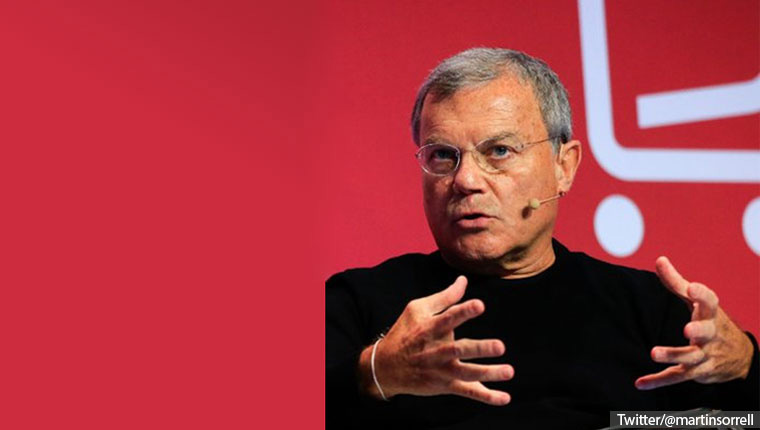
Martin Sorrell quits WPP

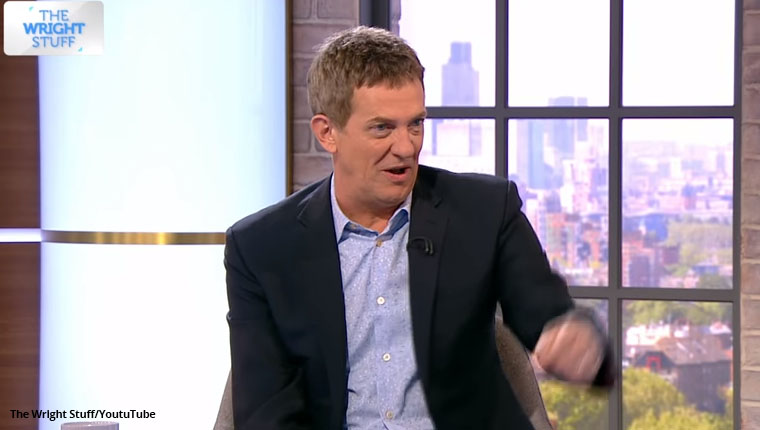
Sir Martin Sorrell, the 73-year-old founder of the world’s largest ad agency, WPP, has quit his role of chief executive before the results of a misconduct investigation.

Sorrell had denied all allegations against him, but accepted that the investigation needed to take place. After almost two weeks, and just before the independent (and confidential) findings were to be presented to the WPP board, Sorrell has stepped down, effectively retiring.

WPP has come a long way since Sorrell took over the Wire and Plastic Products shopping basket manufacturer in 1985; it is now recognised as the largest-by-revenue agency of its kind, with over 200,000 employees across 400 businesses with 3,000 offices in 112 countries.

Sorrell has been a contentious leader, not least because he is one of the highest paid executives in the world and has now left the company with some questioning how clear the succession plan is. His exit, which is being considered a retirement by WPP, comes with a potential £20m pay off and the option to set up a competitive company as he doesn’t have a non-compete clause in his contract.

Setting up a competitor is considered unlikely though, due to Sorrell’s advanced years and the fact he owns nearly 2% of WPP (worth hundreds of millions). The group’s share price reacted to Sorrell’s departure by falling, at one point, by 5%.

The chief executive said: ‘For the past 33 years, I have spent every single day thinking about the future of WPP. We have had a succession plan in place for some time. We have weathered difficult storms in the past. And our highly talented people have always won through, always. As some of you know, my family has expanded recently, WPP will always be my baby too.’

He has been replaced, for the time being, by Mark Read, chief executive of WPP Digital, and Andrew Scott, chief operating officer for Europe. Sorrell will reportedly be available during the transition period. The FT reports that the long-term replacement is likely to be an external candidate naming Jeremy Darroch, chief executive of Sky, and Andrew Robertson, chief of BBDO, as possibilities.

While his successor will eventually be big news, the bigger news may be the future of the company. Multiple reports suggest it was only Sorrell’s unique leadership that was able to hold together the sprawling business, and now WPP will be split up in order to provide the most value to shareholders.

PRWeek has reported on analysts’ predictions that WPP will sell its market research unit and possibly its PR businesses, but will try to keep the rest of the group whole. The PR business includes Hill + Knowlton, Finsbury, Ogilvy PR and Burson Cohn & Wolfe. Whether they are sold as one unit or individually, the PR industry is in for a rocky time.

WPP also owns huge stakes in Vice Media, Chime Communications and App Nexus – there are very few media companies that will be unaffected by Sorrell’s departure. Which is, probably, just the way he wants it.

Children on tablet

YouTube accused of illegally collecting data on children

Google is under fire from a coalition of child advocacy, consumer and privacy groups in the US. The collection of 23 campaigners, including the Campaign for a Commercial-Free Childhood and the Center for Digital Democracy, has filed a complaint with the US Federal Trade Commission (FTC) alleging that Google is violating child protection laws by collecting data and selling advertising to under 13s.

As The Guardian reports, the group claims that YouTube is the most popular online platform for children in the US, with 80% of those aged six to 12 using it. YouTube’s Ts&Cs specify that the site is not for under 13s but the group says Google knows children use the site and it sells advertising specifically aimed at them.

The group also claims YouTube records location, device identifiers, phone numbers and tracks children across different websites and services without gaining parental consent, which is required by the US Children’s Online Privacy Protection Act (Coppa). Children’s data also has special rules under the GDPR, which comes into force in the EU on 25 May.

YouTube has a ‘child friendly’ service, YouTube Kids, which was released in 2015 specifically to suit the needs of children, with appropriate content and ads. The group doesn’t think this is sufficient, as it still sells child-focused advertising on the main YouTube platform.

As evidence that YouTube ‘knows’ children are using the service, the group points to some of the most popular channels aimed at children, including ChuChuTV Nursery Rhymes & Kids Songs (15.9m subscribers) and LittleBabyBum (14.6m subscribers).

Jeff Chester from the Center for Digital Democracy said: ‘Google has acted duplicitously by falsely claiming in its terms of service that YouTube is only for those who are age 13 or older, while it deliberately lured young people into an ad-filled digital playground.

‘Just like Facebook, Google has focused its huge resources on generating profits instead of protecting privacy.’

Katie McInnis, policy counsel for the Consumers Union, said: ‘YouTube knows children are watching content on their site, and has created content channels specifically aimed at them, but does not appear to obtain the required parental consent before collecting information about them.

‘Google has the responsibility to be Coppa-compliant and ensure that children can safely watch the programs designed and promoted for kids. These practices present serious concerns that warrant the FTC’s attention.’

The full complaint runs to 59 pages but apparently hasn’t been seen by YouTube. A spokesperson for the platform said: ‘Protecting kids and families has always been a top priority for us. We will read the complaint thoroughly and evaluate if there are things we can do to improve. Because YouTube is not for children, we’ve invested significantly in the creation of the YouTube Kids app to offer an alternative specifically designed for children.’

The complaint once again raises the question of who is responsible for content – the creator or the host. With examples such as the Logan Paul debacle, the argument is something of a grey area. But if it can be proved that YouTube is knowingly cultivating an audience of under-13s, and profiting from it, this case may be more cut and dry.

Five things

Five Things: Facebook, WPP, Disney and Sky News, Stranger Things and Marc Jacobs

This week’s five things includes the weekly Facebook update, Sir Martin Sorrell investigation, Disney’s Sky News offer, Stranger Things lawsuit and Marc Jacob’s public proposal.

1. Facebook’s tricky teenage years

Facebook

It’s difficult to know where to start with this story. Facebook continues to be on the wrong end of the Cambridge Analytica data scandal, which means the spotlight is on the company searching for any and all issues. Yesterday we tried to break down the scandal so far, including that it’s now 87m accounts that were possibly targeted (this has been disputed by Cambridge Analytica), Zuckerberg’s position being under fire and that the chief would appear before congress but not the UK’s digital select committee.

Even as we were publishing the story, more information was released. A common search function on Facebook – the ability to find a profile by the person’s mobile number – seems to have been used by data scrapers and Facebook has said if you had the right (or wrong) settings, you can assume your data has been harvested. There’s also a story from CNBC that Facebook tried to gather data on ‘vulnerable patients’, and one from the TechCrunch about Facebook removing executive’s messages from users’ inboxes.

Facebook turned 14 in February, and not since Adrian Mole have those difficult teenage years been this public. Expect this one to rumble on.


2. Sir Martin Sorrell investigation

Sire Martin Sorrell

Sir Martin Sorrell, one of the UK’s highest paid executives and long-time chief of the world’s largest advertising agency WPP, is being investigated by his company. Details are few and far between but an email from Project Associates, which acts for Sorrell in his personal capacity, has been reported by Campaign as quoting Sorrell with: ‘Reports in the media have stated that WPP is investigating an allegation of financial impropriety by me, specifically as to the use of company funds. This allegation is being investigated by a law firm. I reject the allegation unreservedly but recognize that the Company has to investigate it.’

WPP has said: ‘The allegations do not involve amounts which are material to WPP’, which for a company with a £15bn revenue that pays Sorrell tens of millions of pounds a year, is fairly vague. The fact that no details of the investigation have emerged has left the press wguessing who could succeed Sorrell, should this be his downfall. The WPP succession plan is known to be a thorny issue, with various reports of how clearly it is laid out should the 73-year-old chief exit the business.


3. Disney offers to buy Sky News

Sky News

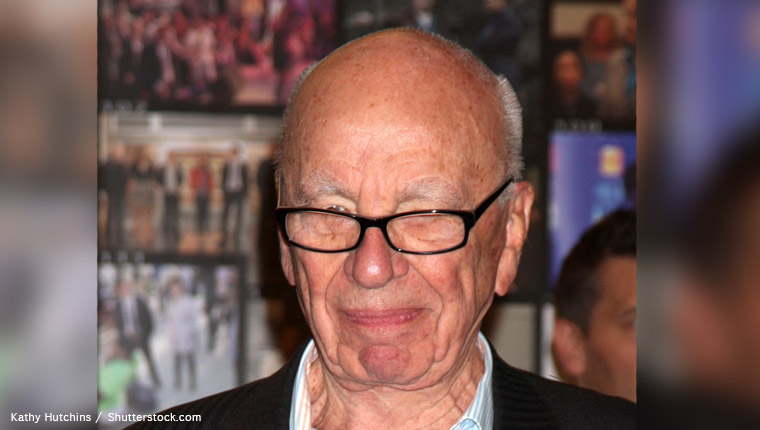
21st Century Fox is attempting to buy the 61% of Sky it does not already own. The acquisition has been in stasis since the company first made its move in 2016, due to government regulations and CMA investigations. The CMA has expressed that it is not in the public interest for the Murdoch family empire to own more of the British news industry.

To help with the matter, Sky has outlined plans to make Sky News a separate entity from the rest of Sky and Fox has proposed funding for the service for at least 15 years (up from its previous offer of 10).

But possibly making the whole problem go away is Disney, who this week offered to buy Sky News outright, and remove the issues of media plurality. This would, in theory, allow Fox to continue its takeover of Sky (and eventually Disney’s takeover of Fox). The story has not yet developed beyond the initial offer, but a huge shift in the (traditional) UK media landscape looks to be on the cards.


4. Stranger Things lawsuit

Cast

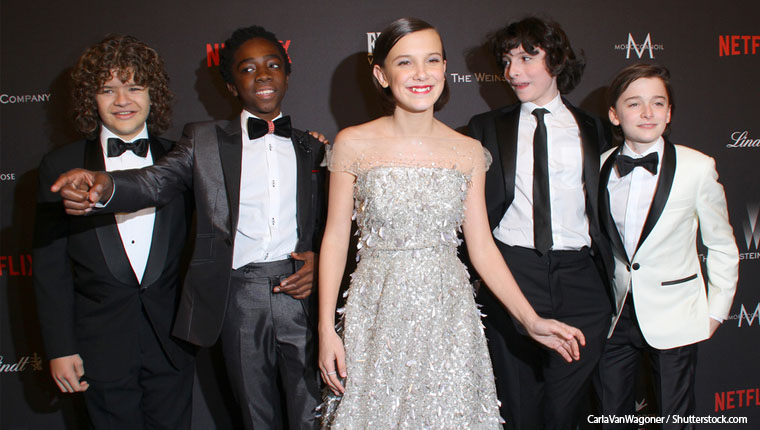
The creators of Stranger Things, the Duffer Brothers, are being sued by director Charlie Kessler, who claims they lifted ideas for their hit show from his 2012 short film. Kessler has worked on a number of Netflix series including Daredevil and Luke Cage. The Guardian reports he is claiming to have screened his short, titled Montauk, to Matt and Ross Duffer in 2014. The lawsuit says Montauk’s storyline features a number of elements similar to the cult phenomenon Stranger Things, including children with enhanced thoughts and abilities, a military facility that carries out experiments and a monstrous creature from another dimension. Stranger Things was also given the working title ‘The Montauk Project’.

It is unclear why the suit is only being filed after the second series has been produced, but there are potentially unreported talks that have not led to a resolution. The road ahead is likely to be long, with plagiarism cases known for being particularly complex, as they can, at times, be based on subjective viewpoints and evidence.

It is not the only plagiarism case from the week, Tulisa has apparently won a challenge to be named as a songwriter and receive 10% of royalties from will.i.am and Britney Spears’ smash hit Scream and Shout.


5. Marc Jacobs’ public proposal

An unexpected piece of good news and incredible brand exposure for Marc Jacobs. The fashion designer organised a flash mob to dance to Prince’s Kiss before dropping to one knee and proposing to his boyfriend Char Defrancesco. In a branch of Chipotle.


The video has had 148K views on Instagram with overwhelmingly positive comments and coverage in the global press (how couldn’t it, it’s super cute), making this a win for Marc Jacobs and Chipotle, the latter benefitting from being the surprise destination of such a big moment in the fashion designer’s life. Rumours Jacobs planned the venue to secure free burritos for life are completely unsubstantiated.


Did you see something we shouldn’t have missed? let us know on Twitter @Vuelio

Facebook

87 million Facebook users affected

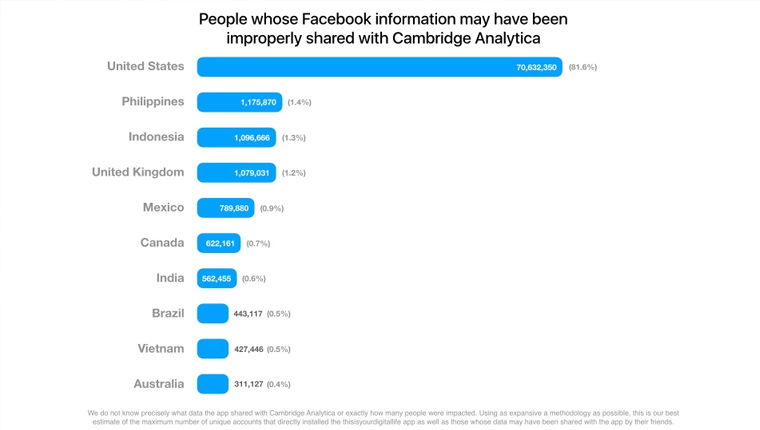
It seems like an almost daily occurrence at the moment, but Facebook is one again facing a wave of negative press. Following the Cambridge Analytica scandal, it was believed that 50m users had their data scrapped – which was then allegedly sold and used by political entities. Now, Facebook has revealed that the number is 87m, including 1.1m in the UK.

The figure was published in a blog post by Mike Schroepfer, chief technology officer, a post that largely focused on plans to ‘restrict data access on Facebook’. Near the end of the post is the statement: ‘In total, we believe the Facebook information of up to 87 million people — mostly in the US — may have been improperly shared with Cambridge Analytica’, accompanied by the following graph:

cambridge analytica

The small print at the bottom says: ‘We do not know precisely what data the app shared with Cambridge Analytica or exactly how many people were impacted. Using as expansive a methodology as possible, this is our best estimate of the maximum number of unique accounts that directly installed the thisisyourdigitallife app as well as those whose data may have been shared with the app by their friends.’

Mark Zuckerberg, the chief who took days to respond to the initial crisis that wiped billions off the company’s share price, is now everywhere, and, for the most part, apologising.

As reported by the BBC, he said in a press conference that he previously assumed that if Facebook gave people tools, it was largely their responsibility to decide how to use them. He then added it was ‘wrong in retrospect’ to have had such a limited view.

The lack of official regulation (forcing data control), and relative infancy of the company, is possibly the source of the naivety. The company is now making many moves to correct this position, which is particularly timely considering the upcoming GDPR. This week, Zuckerberg U-turned on an original decision to only comply with the GDPR in Europe, now saying Facebook will make GDPR-compliant changes worldwide. In regards to the GDPR, it’s lucky Facebook is learning before 25 May, but all these lessons are coming at a personal cost for Zuckerberg, who is having to defend his position as the head of Facebook.

As Dave Lee says, the idea that Zuckerberg’s leadership would be in question could not have been predicted even as recently as a month ago. But this latest snowballing issue led to him being asked if his position has been discussed – he replied: ‘Not that I know of’.

One investor, Scott Stringer – New York City’s comptroller, responsible for the city’s pension fund – is calling for changes to the board (which Zuckerberg is also chair of). With close to $1bn investment in the company, the fund may be a relatively small investor but it’s still a big voice demanding change.

The social giant is now in full crisis mode and is accepting responsibility, which is a development considering it previously threatened The Guardian over the original Cambridge Analytica story. The FT reports that Zuckerberg said: ‘I’m not looking to throw anyone else under the bus for the mistakes we’ve made here’.

He has refused to appear before the UK’s digital, culture, media and sport select committee, instead opting to send either Schroepfer or Chris Cox, Facebook’s chief product officer. But Zuckerberg will appear before congress in the US, on 10 April and 11 April at two separate hearings.

Only time will tell if what we’re seeing is a car crash in slow motion or a bump in the road. Zuckerberg believes it will take a ‘multiyear effort’ to resolve the issues – suggesting the end of this turmoil is not yet in sight.

Disney offers to buy Sky News

Sky News will be sold to Disney or ring-fenced to allow 21st Century Fox to buy the 61% of Sky it does not already own. This follows concerns from the Competition and Markets Authority that the takeover is not in ‘the public interest’.

The BBC reports that the Murdoch family’s news outlets are ‘currently consumed by nearly a third of the UK’s population’, across TV, radio, online and print. Given the huge influence it has over the British media landscape, Fox’s proposed takeover has been under scrutiny by the CMA since it was originally announced in 2016. It has also, to some extent, been used as a political football, particularly in relation to media plurality and political relationships.

The latest announcement from Disney would not only help Fox purchase the rest of Sky but would also allow its own $66bn takeover of Fox. The Guardian reports that Disney is concerned over US rival Comcast’s attempt to buy Sky from under them, and is therefore hoping to move quickly on the acquisition of Sky News.

Backing this up, a statement from Fox makes it clear that Disney’s interest in Sky News does not depend on their takeover of Fox going through.

On top of Disney’s announced offer, Fox has outlined plans to make Sky News separate from the rest of the empire, making it independent within the larger Sky organisation. It is looking to legally separate Sky News from Sky, using the same structure as BT and Openreach – a move which would appease the media regulator Ofcom.

Fox has also said it would fund Sky News for at least 15 years, which is up five years on its previous proposal.

The Fox Statement points out that neither Fox nor the Murdochs ‘have ever ‘sought to influence the editorial direction of Sky News’. The BBC reports that critics of this, including politicians such as Ed Miliband, Vince Cable and Kenneth Clarke, have said the head of Sky News would still be appointed by the head of 21st Century Fox and so could be influenced by the Murdochs.

Fox said this was ‘unsupported and fanciful’.

With the news of Disney’s offer, shares in Sky rose, with some investors now predicting a bidding war between Fox and Comcast when CMA regulation is no longer a concern.

Facebook

Is this the end of Facebook, or just a comms disaster?

On a long enough timeline, the life expectancy of all social media sites drops to zero. Facebook is suffering, but is this the beginning of the end or just another bump in the road?

The Cambridge Analytica story is known to most people now. The large data company bought 50 million data entries from an academic, who had harvested it off Facebook for the purposes of ‘research’. It then used this data to some, as yet, unclear extent (against Facebook’s rules) to help political movements around the world including, according to its own claims, a contribution to President Trump’s victory.

After months of investigative research by The Observer, an undercover reporter from Channel 4 was able to film CEO Alexander Nix making bold claims that the company led politicians around the world into honey traps and bribing officials. He has since been suspended.

For Facebook, the news was damning. After the report was broadcast, and following work from the Observer and the New York Times, some $50bn was wiped from Facebook’s stock market value.

It has since recovered slightly but at one point was 10% down.

Facebook then made a series of seemingly rookie moves in terms of crisis comms: the company suspended whistleblower Chris Wylie’s Facebook and Instagram accounts; its chief of security Alex Stamos is reportedly leaving the company but nothing has officially acknowledged this; Facebook went into the offices of Cambridge Analytica to ‘investigate’ on the evening of the report, a day before the ICO were able to apply for a warrant; and, perhaps most damaging, Mark Zuckerberg was kept from making a comment until days later.

When a listed company takes a dive on the stock market, with investors and clients threatening to sue, advertisers pulling their ad spend, and governments around the world discussing heavy regulation, a CEO needs to respond swiftly to show someone is in control and the situation is being handled.

Instead, we waited four days for a Facebook post to appear, in which Zuckerberg acknowledged Facebook has ‘a responsibility to protect your data’, and ‘if we can’t then we don’t deserve to serve you’. He explained a timeline of events that led to the crisis, and says that it was a ‘breach of trust between Facebook and the people who share their data with us and expect us to protect it’.

Is this too little, too late though?

This article from MarketWatch certainly thinks so. It quotes Davia Temin, a management consultant who said, ‘This is a totally insufficient response, both operationally and emotionally. Yes, it is prescriptive, yet strangely hollow, limited, unemotional, and lacking any form of apology.’ Temin says that the company should be responding to such a crisis in 15 minutes, because on social media, 15 minutes is an age.

Deleting your Facebook account is now in vogue, thanks in no small part to some big names including the co-founder of WhatsApp, Brian Acton, who tweeted: ‘It is time. #deletefacebook’. WhatsApp, of course, was sold to Facebook in 2014 for $19bn. This issue is damning for the social giant, but as people are pointing out (mostly on Twitter), all the big social companies collect personal data and sell it to advertisers and third parties.

So, if Facebook now fails (and presumably the likes of Twitter, Google and Amazon remain healthy), it will be largely because it didn’t handle its comms correctly to get itself out of this hole.

Obviously, the state of social media, the collection of data and third party access is going to become VERY exciting after the GDPR comes into force. If, for example, the ICO decided Facebook had allowed the data breach through negligence and it was after 25 May – the fine would have been up to $500m.

Imagine.


If you’re unsure about GDPR, and not sure how it’s affecting the comms industry, download out our comprehensive guide

Five Things You Shouldn’t Have Missed – 9 March 2018

This week’s five things includes PRWeek’s Power Book, NME’s demise, demands for Leveson, International Women’s Day and three stories that could give you nightmares.


1. PR Week Power Book

2018

The who’s who of PR and communications has been released by PRWeek. The Power Book 2018 lists 404 leading players in the industry, and is far too comprehensive for Five Things to list here. Needless to say, if you can think of a leader in PR, they’ve probably made the list. Part of the listing includes a brief interview, with questions ranging from PR campaign of the year (government and charities are particularly praised) to what you’d wish for from a genie (revealing a shocking number of football-related wishes). The publication also includes top 10 lists by sector, an interview with Rachel Friend at Weber Shandwick and Francis Ingham’s take on diversity in PR.
Talking of diversity, and just one day after International Women’s Day, the list is a disappointing 36% female. We’ve been talking about the issues women face in PR with a number of leading individuals for IWD 2018 (many of whom did make the Power Book), and sadly these numbers are not surprising. The fact the list is 96% white may be a harder pill for the PR industry to swallow.


2. New Musical Ex-Press

NME

Today marks the release of the final print edition of NME, the iconic music magazine. Publisher Time Inc. UK has announced it is making the title digital-only, intending to expand NME’s online audience. Paul Cheal, MD of music at Time Inc. UK said: ‘We have faced increasing production costs and a very tough print advertising market. Unfortunately, we have now reached a point where the free weekly magazine is no longer financially viable. It is in the digital space where effort and investment will focus to secure a strong future for this famous brand.’

As part of the digital expansion, NME will now include NME Audio, with two digital radio stations, as well as a host of new regular features on NME.com.

Fans were quick to mourn the loss of the print magazine, #RIPNME quickly trended on Twitter following the announcements. Opinions range from whether it actually died years ago or even if it was a decent music mag in the first place, but there is still a sense of loss in the music community:


3. Labour demand Leveson inquiry reopens over blagging

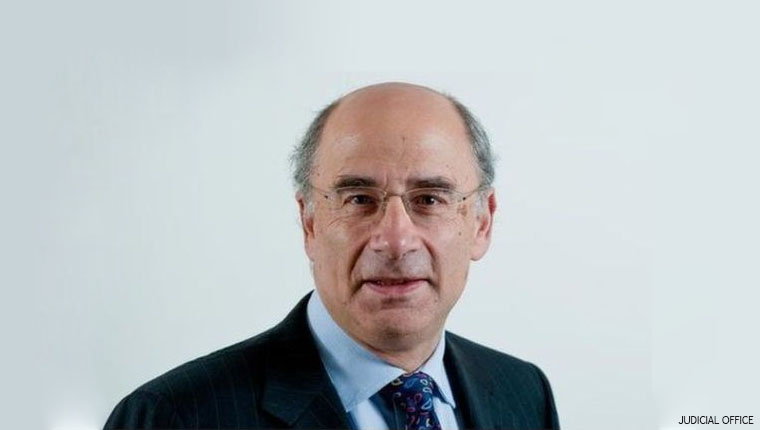
Judicial Office

Notorious blagger John Ford gave an explosive interview with the Guardian this week, in which he made allegations about the work he took part in on behalf of the Sunday Times. Ford, who described himself as a ‘common thief’, obtained bank and phone records by deception as part of his work. News UK has said it never sanctioned or encouraged anyone to break the law or carry out illegal activity.

Tom Watson, Labour’s deputy leader, has called for the Leveson inquiry to be reopened, claiming Ford’s actions demonstrated a need for further inquiry. Matt Hancock, who last week officially closed the inquiry, said it was a matter for the police to follow up any evidence of ‘criminal wrongdoing’. He also suggested Labour was trying to undermine the free press, as both parties continue to draw lines over how they want to press to behave.


4. International Women’s Day

IWD


International Women’s Day was celebrated this week, with a number of marketing stunts from brands making headline news. Adweek rounded up some of the most prominent, from Barbie’s women heroes, to Johnnie Walker’s alternative mascot and McDonald’s upside down arches (it’s a W, for women).

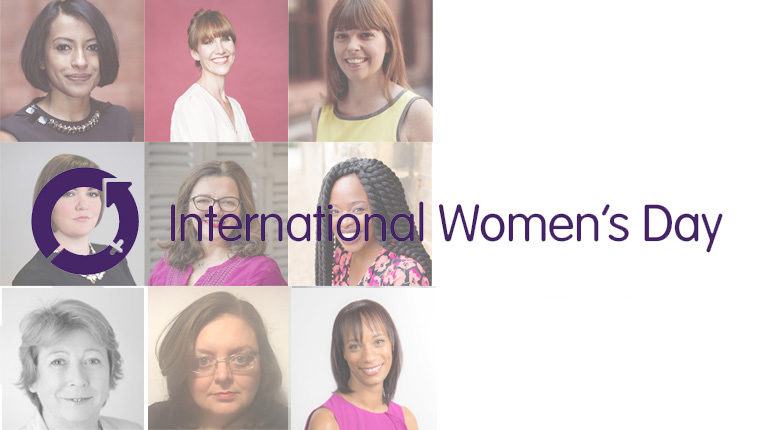
Elsewhere, Vuelio was delighted to talk to nine female leaders in the PR industry, asking what it’s like to work in our industry, how they’d use PR to promote IWD and what advice they had for women just starting their PR careers. You can read part one, part two and part three. We also interviewed our CEO, Joanna Arnold, who, as a female technology leader, is somewhat something of a rarity.

One of the most striking images from IWD 2018, were the staff gathered outside the BBC demanding equal pay. As Five Things readers will know, the BBC has had a difficult 2018 in relation to equal gender pay and the issue refuses to go away.


5. Isn’t Halloween in October? A treehouse of horrors this week

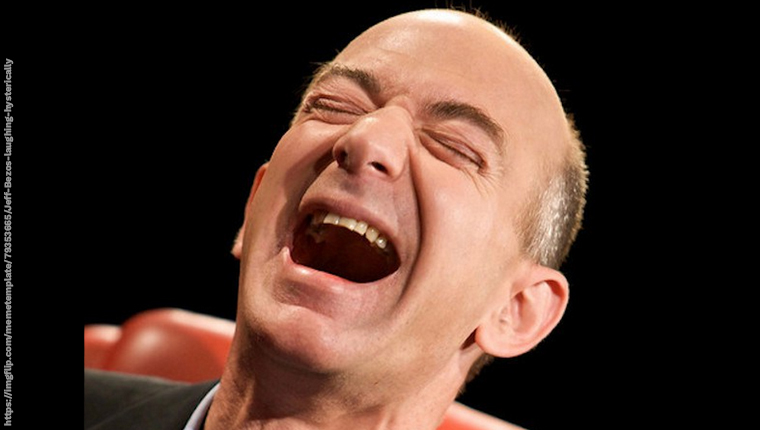
Jeff Bezos laughing

Three mini stories that have made us question if Halloween is coming early this year.

1. Amazon Alexa’s creepy laugh

If Terminator taught us anything, it’s that the rise of the machines was inevitable. But who knew it would start with Alexa (yes, you can all put your hands down, thank you). The Amazon ‘smart’ device has been freaking out its customers by laughing, seemingly unprompted. Amazon says the devices think people are asking them to laugh – which seems reasonable (run, run now). Make your own mind up:

2. Frankenstein in The Sun

The Sun published a story this week (lifted straight from The Times), accusing students of being snowflakes for thinking we should pity the monster in Mary Shelley’s classic. People were quick to point out that was the whole point of the story. The Sun then went on the defensive, and suggested they knew what they were doing all along. Here’s the statement:

3. Jeremy Clarkson will present a new series of Who Wants To Be A Millionaire.

AI robot

Artificial Intelligence making PR smarter

The CIPR artificial intelligence (AI) panel has published an initial list of 95 tools that are helping to make PRs work smarter. Is anything missing?

The AI panel was founded in February to explore the impact of AI on public relations and the wider business community. Stephen Waddington, chief engagement office at Ketchum, is on the panel and said: ‘The conversation around the impact of #AIinPR on culture and society is getting louder. The new CIPR panel will aim to characterise its impact on public relations practice, workforce and conversation in the public sphere.’

The full AI panel is made up of 12 leading PR experts from a variety of backgrounds and is tasked with three projects in 2018:

  1. A crowdsourcing exercise to characterise technology and tools that are helping public relations practitioners work smarter and more efficiently
  2. A skills framework that will seek to estimate the likely impact of artificial intelligence on the public relations workforce. It will aim to produce a paper for the World PR Forum in April
  3. A literature and content review to explore the impact of artificial intelligence on the public sphere. This project will aim to produce a discussion paper for practitioners

The first project has created the initial list of 95 tools, but the CIPR believes there are plenty missing and is calling for submissions to be made through the website.

If you can think of a digital tool that can help PRs work smarter, take a minute to complete the short form here

The list is broken down into 22 broad categories, including those that Vuelio clients will be familiar with – media monitoring, media distribution, campaign management, stakeholder identification and management, and media relations workflow platforms – as well as platforms that manage audio content, written content and utilities like WeTransfer and Open Library.

The full list is likely to reveal new resources for even the most tech-savvy PRs, and includes hidden gems like PNG Mart, a library of images with transparent backgrounds; Readable.io, which helps make writing more readable; and GoAnimate, which allows anyone to create professional animated videos.

The AI panel is aiming to complete a full list of 150 tools for all PR professionals to easily access by April.

The next step will be benchmarking these tools against the skills and competences for public relations set out in the Global Alliance competency framework. Waddington said: ‘The overall goal is to start a meaningful conversation about the impact of tech on practice’.

For more information about the project, visit the CIPR website.

Shouldn't have missed

5 Things You Shouldn’t Have Missed – 2 March 2018

This week’s five things includes the sexual harassment survey from PRWeek, the cancellation of Leveson II, Max Mosley’s bad week, Comcast’s attempt to oust the Murdochs and TWO national newspaper editors departing.

And there’s a sneaky sixth for all you PR fans out there.

1. Time’s Up

Time's Up

A survey from PRWeek, the PRCA and Women in PR has made for grim reading this week, after it was revealed that a quarter of women in the industry had faced harassment in the last year and one in six had been sexually assaulted. The shocking report also revealed that in nearly 45% of sexual harassment cases, it was a line manager or senior person within the organisation that carried out the offending behaviour, and in over two thirds of all incidents, the organisation took no action.

Bibi Hilton, president of Women in PR said: ‘We need employers to review policies and ensure there is a clear course of action for cases of sexual harassment: to train and empower men and women across their organisations in how to report and respond to cases, and to put in place clear codes of conduct for relationships between PROs, clients, journalists and influencers. Above all we need to drive real behaviour change. Failing to act is not acceptable.’


2. Leveson II cancelled

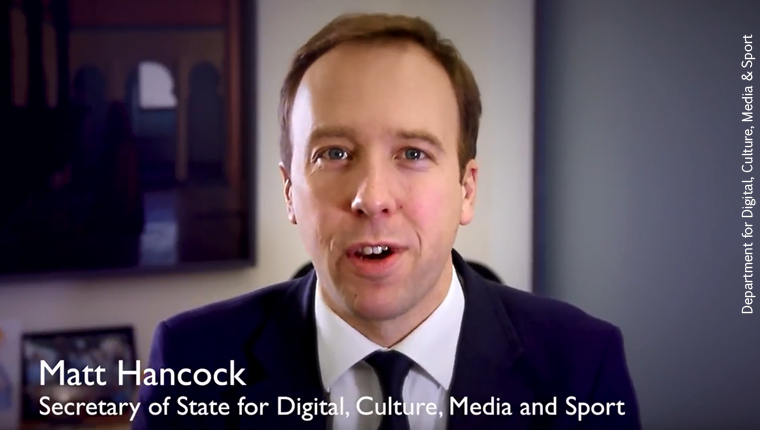
Matt Hancock

Matt Hancock, the secretary of state for digital, culture, media and sport has officially closed the Leveson inquiry, quashing the hopes of some that the second part would be enacted. Hancock, speaking for the Government, believes the first part of the Inquiry was sufficient in bringing criminal convictions against wrongdoers and creating change within the newspaper industry due to the creation of IPSO (and to a lesser extent IMPRESS).

This a huge win for the press, as the Government has effectively endorsed the none state-backed regulator IPSO, and Hancock even revealed he is going to repeal Section 40 – a controversial piece of legislation that would have seen publishers pay legal fees for accusers in court cases, win or lose. For those that feel they have been victims of press intrusion and corruption, this is disappointing – but with the Government currently waging a publicity war over Brexit, having good relations with the press is a must.


3. Max Mosley’s bad week

Only partially related to the above, Max Mosley is having a bad week as he continues his war against the press, and they continue their war against him. Evidence of a racist leaflet Mosley published on behalf of Walter Hesketh (who was running in a by-election for Mosley’s father Oswald Mosley’s Union Movement) was found by the Daily Mail in archives in Manchester. The disputed leaflet reads ‘colour immigration threatens your children’s health’. The story led to this excruciating interview with Channel 4’s Cathy Newman:

Over the rest of the week, the Mail continued its attack on Mosley, discussing right wing links he allegedly had in the past – inadvertently drawing attention to the paper’s own right-wing links from the past.

The row is ongoing, with some members of IMPRESS – which is funded indirectly by Mosley through two charities – saying the revelations have made them reconsider their membership, as the Press Gazette reports.


4. Comcast aims to ruin Murdoch family fun

21st Century Fox

Completely unrelated to any of the above, the Murdoch family’s control over their share of the UK media landscape came under threat this week. Giant US corporation Comcast, stomped all over 21st Century Fox’s bid to take over the entirety of Sky, with their own, significantly higher, bid. The Murdochs have been attempting to secure Sky since 2016, but have hit multiple snags including the CMA’s uneasiness at the level of control over the UK media it would give them and the recent takeover of Fox by Disney.

Comcast’s bid may be favourable to the regulators, and a UK Government keen to be seen as open for business post-Brexit, but the Murdoch tradition in UK media is strong so it really could go either way.


5. Two National Newspaper editors quit

Express and Star

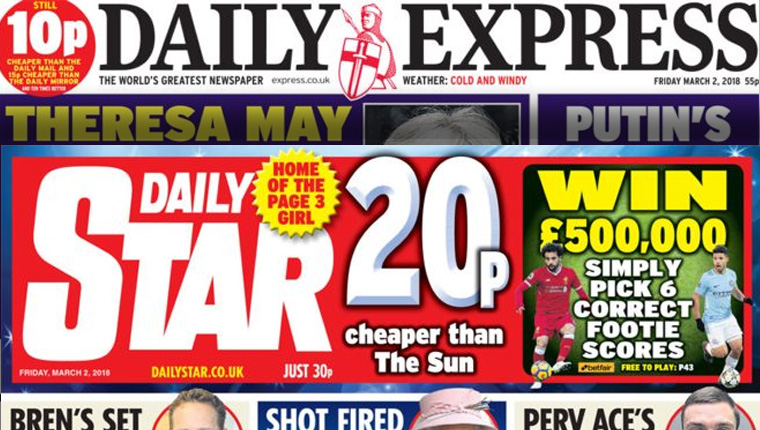
In a shock announcement, two national newspaper editors quit their roles this week, after their papers were acquired by Trinity Mirror. Dawn Neesom, the longest-serving female national newspaper editor (after 15 years in charge) has left her role of editor of the Daily Star to pursue a career as a freelance writer and broadcaster. Hugh Whittow has also left his role of editor of the Daily Express.

The moves led to a raft of changes at the papers, with senior Mirror staff now at the helm of each paper. How this will affect the political independence of each paper remains to be seen, but Mirror CEO Simon Fox remains adamant that his papers will stay on their respective political paths.


6. A sneaky sixth – Top 10 PR Blogs

Where do you go to read the best PR and communications content (other than Vuelio, of course)? If you don’t read them already, check out these leading blogs.

agency competition

Influence at Creative Shootout

We are delighted to be supporting this year’s Creative Shootout and providing finalists with an ‘Influencer Hotline’ during their creative process.

The Creative Shootout is an annual competition that presents a charity brief to the finalists, who then have four hours create a ten-minute pitch. The ‘Live’ Final is just that, with the audience voting on each pitch to decide the top three, including a winner whose pitch will be supported by £250,000 media prize fund from 1XL, and £30,000 worth of agency fees from this year’s Charity FareShare.
Vuelio is known for its influencer relations, from the world-famous blog rankings to the Vuelio Awards – ‘the Oscars of the blogging world’. And we also publish a range of surveys and reports with unique insight into all types of influencers and their relationships with PR and brands. The Vuelio Influencer Database lists thousands of both new and traditional influencers from newspaper editors and politicians to the hottest Instagram stars.

Our in-house research team spend hundreds of hours identifying these influencers, understanding how they work and discussing what topics they like to cover. We create profiles and write biographies so our clients know the best ways to engage with each influencer on an individual level. Good influencer outreach is about identifying the people that can reach your audience and getting to know them, inside out.

We’ll be using our in-house expertise for the Creative Shootout with our dedicated ‘Influencer Hotline’. Our unique intelligence service will be just a phone call away for all the finalists when planning their pitches.

Whether it’s identifying the influencers that can unlock campaign success or revealing which social platforms are best for engagement, our team will be on hand for all the finalists’ influencer needs.

And if the finalists need to know anything about media outreach, monitoring or analysis – well we can help with that too. In fact, Vuelio prides itself on its diverse offering and is always happy to help people looking to engage their audience, whether it’s the public, media or government. Our integrated software can help you build and maintain relationships with, quite literally, anyone.
Hawaii missile

Hawaii missile alert due to drop-down menu

The Emergency Alert that was accidentally sent to Hawaiians on Saturday was caused by two options on a drop-down menu being too close.
As part of the morning routine at Hawaii Emergency Management Agency (HEMA), staff test the Emergency Alert system. As the Washington post reports, last Saturday’s error was caused by a staff member selecting ‘Missile alert’ from the computer programme’s drop down, rather than ‘Test missile alert’.

We’ve all clicked the wrong things at work and even sent emails in error, but this mistake was catastrophic. An alert went out to citizens and tourists, which said: ‘BALLISTIC MISSILE THREAT INBOUND TO HAWAII. SEEK IMMEDIATE SHELTER. THIS IS NOT A DRILL.’

Panic ensued, as thousands attempted to seek shelter and see loved ones. It wasn’t until 38 minutes later that the error was corrected (President Trump should have managed three holes on the course in that time).

Investigations into the error are ongoing. The Post reports a statement from Federal Communications Commission Chairman Ajit Pai, who said: ‘Based on the information we have collected so far, it appears that the government of Hawaii did not have reasonable safeguards or process controls in place to prevent the transmission of a false alert.’

There are now new safeguards in place to correct and avoid similar blunders in future, including a cancellation option that can be triggered within seconds of a mistake. HEMA has also suspended internal drills until the investigation is over, and put a ‘two-person activation/verification rule’ for tests and real alerts.

Any system that allows a simple mistake to have such a devastating – and public – impact, is clearly one that needs fixing. Communications professionals know the importance of checking, and double checking, comms before they go out but this is a timely reminder to check the whole system’s set-up, something that can often be overlooked.

Of course, if HEMA had been using Vuelio, they could manage who in the team had permissions to send alerts and know, before any communications were sent, who was due to receive what.

Whether you work with the public or media professionals, find out how you can avoid system errors by using Vuelio.

12 January

Five Things You Shouldn’t Have Missed – 12 January 2018

This week’s Five Things You Shouldn’t Have Missed from the world of media, PR and comms includes YouTube’s response to Logan Paul, Facebook’s news feed changing, Steve Bannon, the Daily Mail and Virgin Trains argument, and Carrie Gracie’s BBC pay row. 


1. YouTube and Logan Paul

YouTube has apologised for taking so long to officially respond to the Logan Paul controversy of last week. The video-sharing platform posted an explanation on Twitter, claiming it was upset with the video Logan Paul had posted. It finished the thread with:


The ‘further consequences’ were later revealed, when YouTube announced it had cut some business ties with the viral star. This includes removing Logan Paul from its Google Preferred programme, the platform that allows brands to sell ads to the top 5% of content creators – which is likely to severely damage Logan Paul’s sizeable income. They’ve also put original projects with Logan Paul, including a proposed film, on hold.

Further details about the steps YouTube is taking to ensure ‘videos like this’ never circulate again are yet to materialise, but the YouTube community will be keeping a close eye on any policy or algorithm changes.


2. Facebook to change news feed

Facebook news feed changes

Mark Zuckerberg has announced the news feed algorithm is to change, with more focus on friends and family posts and less on those from businesses, brands and media. This is after feedback that the latter group is ‘crowding out the personal moments that leads us to connect more with each other’.

In Zuckerberg’s lengthy post on the decision, he says: ‘We feel a responsibility to make sure our services aren’t just fun to use, but also good for people’s well-being. So we’ve studied this trend carefully by looking at the academic research and doing our own research with leading experts at universities. The research shows that when we use social media to connect with people we care about, it can be good for our well-being.’

The move from ‘focusing on helping you find relevant content’, to ‘helping you have more meaningful social interactions’ is very much going back to Facebook’s roots. The social platform was, for many years, primarily focused on posts from people you knew rather than promoting itself as one of the biggest content delivery platforms in the world. This change is likely to hit thousands of publishers very hard, as for many sites, Facebook is the biggest single source of traffic. The announcement has led to a drop in Facebook’s share price when markets opened. If the plan is properly followed through, expect corporate backlash, businesses closing down and huge changes to the media landscape.


3. Sloppy Steve

Perhaps it’s a rite of passage for all of Trump’s ‘enemies’ – once they get a nickname, they know they’ve really riled him. Trump’s former White House Chief Strategist, “Sloppy” Steve Bannon, was this week fired from his role at the helm of Breitbart News. It is the latest part of his tumultuous relationship with Trump and his supporters, from genius insider to detractor and traitor. After his comments about Donald Trump Jnr’s ‘treasonous’ meeting with Russian contacts appeared in Michael Wolff’s explosive book, Bannon’s departure from Breitbart seemed inevitable. Trump was quick to distance himself from his former ally, before laying into him:


4. Daily Mail attacks Virgin

Daily mail row

It was revealed this week that Virgin Trains has stopped selling the Daily Mail due to its incompatibility with the Virgin Trains brand. The company stopped carrying the paper back in November, but at the time it told the Daily Mail it was ‘saving space’ by selling only three papers: the Mirror, FT and Times.

Drew McMillan, head of colleague communication and engagement at Virgin, sent internal staff a memo that said: ‘Thousands of people choose to read the Daily Mail every day. But they will no longer be reading it courtesy of VT. There’s been considerable concern raised by colleagues about the Mail’s editorial position on issues such as immigration, LGBT rights and unemployment.

‘We’ve decided that this paper is not compatible with the VT brand and our beliefs.’

The Daily Mail struck back; a spokesman said: ‘It is disgraceful that, at a time of massive customer dissatisfaction over ever-increasing rail fares, and after the taxpayer was forced to bail out Virgin’s East Coast mainline franchise, a decision strongly criticised by the Mail, that Virgin Trains should now announce that for political reasons it is censoring the choice of newspapers it offers to passengers.

‘It is equally rich that Virgin chose to launch this attack on free speech in the Aslef trade union journal. For the record Virgin used to sell only 70 Daily Mails a day.’

They then made the issue about Brexit, as the spokesman continued with: ‘They informed us last November that to save space, they were restricting sales to just three newspapers: the Mirror, FT and Times. They gave no other reason, but it may be no coincidence that all those titles, like Virgin owner Sir Richard Branson, are pro-Remain.’

Critics of Virgin’s move suggest the company is censoring ‘free press’ whereas supporters believe the company is well within its rights to choose which publications it sells to its customers.


5. Carrie Gracie and the BBC pay row

BBC

Carrie Gracie stepped down from her role as China editor at the BBC this week, after accusing the public broadcaster of ‘breaking equality law’ and ‘resisting pressure for a fair and transparent pay structure’. She highlights an ongoing struggle to be paid equally to the other international editors, particularly John Sopel, US editor, and Jeremy Bowen, Middle East editor. Her struggles proved fruitless so she’s quit her post and will return to the UK newsroom.

Gracie made the announcement hours before she was due to host the Today programme, which she has done all week. In a plot worthy of W1A, Gracie was unable to talk about her own news story, due to impartiality rules, and so couldn’t cover the biggest story of the day. Other journalists who had expressed support for Gracie were also banned from discussing the issue on air.

In a further twist, it has now been revealed that John Humphreys and John Sopel were recorded discussing the story off air, and Humphreys made several derogatory remarks including: ‘I could save you the trouble as I could volunteer that I’ve handed over already more than you f***ing earn but I’m still left with more than anybody else and that seems to me to be entirely just – something like that would do it?’

This might not be the last time we see Mr Humphreys in Five Things You Shouldn’t Have Missed.

BBC

BBC’s China Editor steps down due to pay inequality

Carrie Gracie has stepped down from her role as China editor at the BBC after accusing the public broadcaster of ‘breaking equality law’ and ‘resisting pressure for a fair and transparent pay structure’.

In an open letter to the ‘BBC Audience’, published on her blog, Gracie says:

‘In thirty years at the BBC, I have never sought to make myself the story and never publicly criticised the organisation I love. I am not asking for more money. I believe I am very well paid already – especially as someone working for a publicly funded organisation. I simply want the BBC to abide by the law and value men and women equally.

‘On pay, the BBC is not living up to its stated values of trust, honesty and accountability. Salary disclosures the BBC was forced to make six months ago revealed not only unacceptably high pay for top presenters and managers but also an indefensible pay gap between men and women doing equal work. These revelations damaged the trust of BBC staff. For the first time, women saw hard evidence of what they’d long suspected, that they are not being valued equally.

‘Many have since sought pay equality through internal negotiation but managers still deny there is a problem. This bunker mentality is likely to end in a disastrous legal defeat for the BBC and an exodus of female talent at every level.’

Gracie goes on to describe how she took her dream role on the understanding that she was to be paid equally with her male peers. When the BBC released details of top-earning ‘stars’, Gracie discovered the two male international editors – US editor John Sopel and Middle East editor Jeremy Bowen – earned at least 50% more.

After learning of the pay disparity, Gracie asked her bosses to make all the international editors’ pay equal. She was, instead, offered a pay rise that, ‘remained far short of equality’. Gracie therefore quit her role and will be returning to her former post in the newsroom where she ‘expects to be paid equally’.

The story has made waves online, not least because Gracie was a presenter on the Today programme this morning. Due to BBC rules on impartiality, she was unable to discuss the story herself so it was covered in the news bulletins and, as PRWeek calls it, ‘a slightly ill-tempered interview between Humphrys and Mariella Frostrup’.

There has been support from all sections of the press, as well as MPs from multiple parties. On Twitter, the hashtag #IstandwithCarrie trended this morning, and was dominated by BBC staff:

A BBC spokeswoman said: ‘A significant number of organisations have now published their gender pay figures showing that we are performing considerably better than many and are well below the national average.

‘Alongside that, we have already conducted a independent judge led audit of pay for rank and file staff which showed “no systemic discrimination against women”.

‘A separate report for on air staff will be published in the not too distant future.’

As the BBC’s own story points out, director general Tony Hall has pledged to close the gender pay gap by 2020, saying the BBC should be ‘a n exemplar of what can be achieved when it comes to pay, fairness, gender and representation’.

Poundland

Five Things You Shouldn’t Have Missed – 5 January 2018

Happy New Year! This is the first Five Things of 2018, covering all the biggest stories you shouldn’t have missed from PR, media and comms. This week including Logan Paul, Elf Behaving Badly, Philip Morris quitting smoking, PRWeek and BME PR Pros’ new initiative and the evacuation of the ITV News at 10 [VIDEO].

1. Logan Paul

Top American YouTuber, Logan Paul, caused outrage this week when he released a video showing a dead body at a suicide hotspot in Japan. Not only were the images of the deceased considered inappropriate (especially considering the young age of much of his audience), but concern was also raised that Logan and his friends were seen to be making jokes about the situation.

After fellow YouTubers, celebrities and the general public denounced his behaviour, Logan removed the video and replaced it with an apology. This video’s claim he was ‘attempting to raise awareness’ of suicide and mental health has been called a poor excuse, causing further problems for the star. Logan Paul hasn’t posted a video since the apology two days ago, but his subscriber numbers have remained steady at over 15 million.


2. Lewd Elf boosts sales

Elf behaving badly

Poundland’s now infamous ‘Elf Behaving Badly’ campaign – including an image that led Twinings to complain – boosted sales by driving ‘significant numbers of shoppers’ into stores in the week before Christmas. As reported in PRWeek, more than 200,000 ‘bad elves’ were sold, alongside over one million elf accessories – contributing to £59m sales, up 20 per cent on the same period in 2016.

The ASA is investigating the campaign after receiving around 80 complaints about the Twitter posts, claiming the ads are offensive, too sexualised or unsuitable as they could be seen by children. Poundland released a statement saying the complaints: ‘contrasted with thousands of people who said they loved our naughty elf pictures – not least because it reminded them that Britain is famous for the saucy postcard and panto’.


3. Philip Morris wants to give up cigarettes

quit smoking

One of the world’s largest cigarette companies has made a New Year’s Resolution to ‘give up cigarettes’. Philip Morris launched an advertising campaign with the claim, ‘Our ambition is to stop selling cigarettes in the UK’. The full advert, visible here in The Drum, explains the company is launching a campaign website to help smokers quit or adopt alternative options (like vaping); supporting local authority cessation services where smoking rates are highest; seeking government approval to insert information into packs on quitting or switching; and expanding its range of alternative products in the UK.

The campaign is focused on the UK, though the global Philip Morris brand also believes in a ‘smoke-free future’.


4. PRWeek’s BME mentoring scheme

BME PR and PRWeek

PR Week UK and BME PR Pros have launched a new mentorship scheme to support the advancement of individuals from minority backgrounds. BME professionals in comms and public affairs can apply to be a mentee, where they will be mentored by one of 15 top industry experts.  Elizabeth Bananuka, founder of BME PR Pros, said: ‘The BME PR Pros/PRWeek Mentoring Scheme is about BME leaders and rising stars joining forces to promote diversity and support the careers of talented BME professionals keen to progress to the next stage of their careers – be it from account manager to account director, agency to in-house, MD to agency owner.’

Applications to become a mentee close at 5pm on Friday, 16 February. More information is available here.


ITV News at Ten evacuated (sound the alarm)

ITV News at Ten was cut short this week when a fire alarm evacuation caused the programme to end early. While the alarm could be heard for some time before the programme was taken off air, the presenter, Tom Bradby, seemed unsure of the best course of action. See the full clip below:

7 PR New Year’s Resolutions

Morning too dark? Feeling bloated? Groggy head? Welcome to 2018! Today is the first day back in the office for a lot of the country so now is the perfect time to make your professional New Year’s resolutions. And because it’s your first day back, we’ve done all the hard work for you.

7 New Year’s Resolutions for the public relations professional:

1. Make new friends…
2018 is a brand new year and you’ve got the chance to make new friends and find new ways of reaching your audience. If you’re stuck in a cycle of the same old influencers for your outreach, now is the time to reach newbies – there’s always more relevant influencers than you think. And if you’re struggling to find those people, you obviously aren’t using the Vuelio Influencer Database.

2. …and stay in touch with old friends
Making new friends doesn’t mean you have to forgot your old friends. Good relationships need nurturing, give your influencers a little bit of TLC in 2018 – wish those journalists, broadcasters and bloggers ‘Happy New Year’ and make it clear you’re available when they need you.

3. Adopt a healthy balanced diet
Instagram is great! It’s a great way to reach millennials and spread brand awareness. But is it great for links and tangible ROI? That’s fine, it’s what we use Twitter for! But is your entire target market on Twitter? That’s why we use magazines, most of your audience read them – but your client asked you to do something new and innovative… so an experiential event is in order!

Don’t use one channel to reach your audience, take advantage of all the routes that now exist in a healthy, balanced way.

4. Lose the flab
You’re a professional storyteller, not a salesperson. You don’t need to communicate your product or service by describing it as the most amazing, incredible idea since sliced bread! Be innovative and use your creativity – that’s why you went into PR in the first place.

5. Be more organised
Not sure who is talking to which stakeholder? How’s that line of enquiry going? Did someone get back to that member of the public? No one likes to be caught out and a little organisation can go a long way. Vuelio Stakeholder Management can track what’s happening with all stakeholder interactions in your organisation so you know what’s been said, when.

6. Stop being boring
Another PowerPoint? Is that really the best way to tell your company, colleagues and the board how awesome you are? Investors don’t want to sit through endless slides of static clippings, and let’s be honest – neither do you! 2018 is the year that visually attractive, interactive displays are used to share content and media coverage – check out this Canvas from the Vuelio Blog Awards to see what we mean, then find out how to make your own Canvas here.

7. Don’t be lazy
It can’t be said enough in these Resolutions. You’re here because you’re creative – so be creative! The year of 2017 is over, leave the concepts and ideas that made it great behind you, and focus on 2018. It may take some time to find the next big thing, but the UK PR industry is incredible – so that next idea could come from anyone, including you.

Beyonce Instagram

2017 – the year of Instagram

Instagram has cemented its place at the heart of visual media. It’s now possible to be a star on Instagram and nowhere else; brands and companies will pay good money for influential posts; and some people will buy fraudulent followers in order to get to the top. Instagram has also been accused of dragging bloggers away from their blogs, as new forms of media ‘entertainment’ develop every day.

2017 truly has been the year of Instagram.

But what are the top hashtags, most-liked posts and most-followed celebrities? Instagram has trawled its data to put together the list of lists and deliver all the 2017 info you need about Instagram. And, who knows, maybe 2018 will see you become an Instagram star.

Most-liked posts

Beyoncé, Cristiano Ronaldo and Selena Gomez dominate the top 10. In fact, no one else managed to make the list (which may be sad news for Ariana Grande, who has more followers than Beyoncé). All three of the top posts were related, Beyoncé and Ronaldo connected by birth, and Ronaldo and Gomez related by hospital:

1. Beyonce

2. Cristiano Ronaldo

3. Selena Gomez

I’m very aware some of my fans had noticed I was laying low for part of the summer and questioning why I wasn’t promoting my new music, which I was extremely proud of. So I found out I needed to get a kidney transplant due to my Lupus and was recovering. It was what I needed to do for my overall health. I honestly look forward to sharing with you, soon my journey through these past several months as I have always wanted to do with you. Until then I want to publicly thank my family and incredible team of doctors for everything they have done for me prior to and post-surgery. And finally, there aren’t words to describe how I can possibly thank my beautiful friend Francia Raisa. She gave me the ultimate gift and sacrifice by donating her kidney to me. I am incredibly blessed. I love you so much sis. Lupus continues to be very misunderstood but progress is being made. For more information regarding Lupus please go to the Lupus Research Alliance website: www.lupusresearch.org/ -by grace through faith

A post shared by Selena Gomez (@selenagomez) on

Ronaldo and Gomez also performed well when it came to most-liked celebrity videos of the year, but Beyoncé didn’t make the cut. Instead, the footballer and singer are joined by Leo messi and Emilia Clarke – though the latter only managed tenth place.

1. Cristiano Ronaldo

New animal in the building Bugatti Chiron ???✌️?✈️

A post shared by Cristiano Ronaldo (@cristiano) on

2. Leo Messi

3. Selena Gomez

The top hashtags of 2017 were dominated by visual or positive words, though how people managed to use them without falling foul of the shadow ban remains a mystery:

  1. #love
  2. #fashion
  3. #photooftheday
  4. #photography
  5. #art
  6. #beautiful
  7. #travel
  8. #happy
  9. #nature
  10. #picoftheday

And a list that’s making headlines is the most Instagrammed cities. While you’d expect Western metropolises to dominate, the list has some surprises. Feel free to insert your own ‘Russian bot joke’ for number two:

  1. New York, New York
  2. Moscow, Russia
  3. London, United Kingdom
  4. Sao Paulo, Brazil
  5. Paris, France
  6. Los Angeles, California
  7. Saint Petersburg, Russia
  8. Jakarta, Indonesia
  9. Istanbul, Turkey
  10. Barcelona, Spain

Keep your eyes out for more Instagram data coming to the Vuelio blog soon.


If you’d like to monitor Instagram and find success on the social platform, get in touch to find out more about our social media monitoring.

Santa TV

The media news

In the week that time forgot, the media headlines may be few and far between but there are still gems in this festive period. From Christmas viewing figures to Prince Harry’s Today programme, here are the biggest media stories of the week.

Christmas viewing figures
While the Queen’s Speech was enjoyed by 7.8 million viewers on Christmas day, these numbers were shared by BBC One (5.9m) and ITV (1.9m). For the biggest viewing figures for any one programme, the Mrs Brown’s Boys Christmas special ran away with 6.8 million viewers, or 32.6% of the television-watching public. The top 10 was, as ever, dominated by the BBC but overall the viewers were down on 2016. Last year the average for the whole top 10 was 5.97m but this year it managed only 5.58m.

This decline could be attributed to the rise of on demand streaming services, but this cannot be backed up with data as no stats or figures come from those giants. To help beat the slump, broadcasters have this year released boxsets of fan-favourite shows – as reported in the Guardian.

Prince Harry takes over Today
The man whose engagement and wedding is currently making daily headlines, Prince Harry this morning guest edited Radio 4’s Today programme.  Including interviews with his father Prince Charles and former US President Barack Obama, Prince Harry’s edition focused on the armed forces, mental health, youth crime and climate change.

Showing his lighter side, which has given Prince Harry an ‘accessible’ angle over the years, he delivered quickfire questions to Obama including: ‘Harry or William?’ (‘William at the moment’), ‘The Good Wife or Suits?’ [the latter being the programme his fiancé Meghan Markle stars in] (‘Suits, obviously’), and ‘Queen or The Queen?’ (‘The Queen’).

Amazon introducing advertising products
The Drum reports that, in an effort to take on Facebook and Google, Amazon will launch new advertising beyond Amazon sites and products. The tech giant is also working with Kargo to pair advertising on television and mobile screens. This is in an effort to tackle the 63.1% US digital ad investment in Google and Facebook.

Too early to call the death of magazines
The Guardian has reported on the slump in advertising revenue in the UK magazine market with an 11% year-on-year fall marking the biggest fall since 2009. It also notes that one million fewer consumers purchased print magazines or gave up their subscriptions. All that said, Group M, which buys $75bn of advertising space on behalf of clients around the world, believes the UK consumer magazine market has been seriously undervalued.

Adam Smith, directed at Group M said: ‘It is too early to call the death of magazines. The decline in ad investment is disproportionate to the loss of magazine circulation. This is regrettable and probably not based on the evidence. The single biggest factor [in magazine ad decline] is probably the growth of Facebook. Google and Facebook both continue to grow strongly, and Facebook has been remarkable and is affecting every medium.’

Children’s annuals in decline
The BBC has reported that the sales of Christmas annuals have declined since 2009 with a 58% drop in revenue and a 45% drop in number of copies sold. In real terms, this means that in 2016 2.3m books made £7.8m in revenue where as in 2008 the figures were 4.6m annuals bringing in £18.7m. Annuals are still seen as a good choice for Christmas presents but are thought to be suffering due to the rise in digital media and smartphones.


How can Vuelio help you with your media outreach? Find out here

Tweeting

Twitter suspends Britain First

Twitter revised its hate speech rules, which then led to the suspension of the official Britain First account and the accounts of its leaders: Paul Golding and Jayda Fransen.

The new rules have been brought in to ‘reduce hateful conduct’ and ‘abusive behavior’. Twitter has broken down its new policies into two sections:

New rules on violence and physical harm:

‘Accounts that affiliate with organizations that use or promote violence against civilians to further their causes. Groups included in this policy will be those that identify as such or engage in activity — both on and off the platform — that promotes violence. This policy does not apply to military or government entities and we will consider exceptions for groups that are currently engaging in (or have engaged in) peaceful resolution.

‘Content that glorifies violence or the perpetrators of a violent act. This includes celebrating any violent act in a manner that may inspire others to replicate it or any violence where people were targeted because of their membership in a protected group. We will require offending Tweets to be removed and repeated violations will result in permanent suspension.’

Expanding the rules to include related content:

‘Any account that abuses or threatens others through their profile information, including their username, display name, or profile bio. If an account’s profile information includes a violent threat or multiple slurs, epithets, racist or sexist tropes, incites fear, or reduces someone to less than human, it will be permanently suspended. We plan to develop internal tools to help us identify violating accounts to supplement user reports.

‘Hateful imagery will now be considered sensitive media under our media policy. We consider hateful imagery to be logos, symbols, or images whose purpose is to promote hostility and malice against others based on their race, religion, disability, sexual orientation, or ethnicity/national origin. If this type of content appears in header or profile images, we will now accept profile-level reports and require account owners to remove any violating media.’

Twitter aims to be ‘more aggressive’ in its enforcement of these new policies as it attempts to battle the perceived hate flooding the platform. It acknowledges that it ‘may make some mistakes’, and is working to create a ‘robust appeals process’.

That the platform has moved forward to remove extremist Britain First accounts before creating this appeals process is testament to the problem Twitter is facing. That said, new accounts for Britain First and Jayda Fransen are now on the platform, the latter having joined yesterday. It’s unclear if these are genuine or how they’ll be treated by Twitter’s policies.

Other accounts that could be argued to breach policies remain active – from Katie Hopkins, whose tweets this morning suggest she fears being suspended (no links, feel free to check out her tweets), to President Donald Trump, who has previously retweeted controversial Jayda Fransen videos.

Twitter founder and CEO Jack Dorsey has previously said Donald Trump’s tweets are important as they allow him to be held accountable. They’re also ‘newsworthy’ and so allowed to remain as part of the discussion.

The problem with these new policies is drawing certain lines of acceptability for users, which only seem to apply to some. It’s not clear if Twitter genuinely believes Trump’s policy-breaching behaviour is actually important news or if they’re protecting their business by staying relevant. It could be argued that the more influential and higher status the individual, the more damaging their hate and violence-filled speech is.

Expect this story to build momentum as further accounts are suspended and, perhaps more significantly, others are allowed to remain.

PR master

7 tips to become a PR Jedi Master

Sick of hearing that public relations is the ‘dark side’? Chances are you’re already a PR Jedi but we’re here to guide you to the next level so you can become a Master of the light side. 

*And don’t worry, no ‘The Last Jedi’ spoilers.*

A Jedi is selfless, doesn’t show emotion and stays in control for the good of others. A Jedi never uses their lightsaber to attack.

The dark side is about emotion over control, reacting with your heart rather than your head and attacking for your own needs. Which may sound like some industries, but not the PR industry.

It’s difficult to see in what way a PR pro isn’t already a Jedi; they manage reputations on behalf of others, always attempting to stay calm in order to maintain control in any situation. Their output is not determined by emotional responses but carefully considered to remain professional. And if the pen is mightier than the lightsaber, a PR uses theirs in defence of the business or brand they represent – and never to attack others.

Congratulations young Padawan – you’ve already attained Jedi status. But now it’s time to go one step further; become a Master with these simple tips:

1. Be patient
It takes time and hard work to become a Master, no one gets there overnight. It may feel like you’re brimming with incredible ideas that senior staff – the Masters – don’t understand the significance of. Be patient, they have the full picture and the final say; keep working hard and understand your current place in the order, and you’ll get there.

2. Control your emotion
A PR pro knows they need to remain clearheaded to be an effective communicator, and while ‘there’s no such thing as bad publicity’ may work for some, it’s better not to get into petty squabbles with irate customers or cheeky competitors. Keep your cool to emerge victorious.

3. Gather all the facts
If an emotional reaction is instinctive and immediate, the opposite is considered and in possession of all the facts. Sometimes, not taking action seems like a mistake but caution is a PR’s ally when the story is generally told by others (your influencers).

4. Learn how to defend yourself
Jedi do not attack others but they definitely defend themselves. Firefighting is a bigger or smaller part of a PR pro’s job depending on the nature of the business being represented, but the need to defence can arise for any PR at any time. If something unexpected happens you need to know how to manage it, using all your Jedi powers.

5. Complete the story
A dark lord acts and moves on, not stopping to consider the outcome of their actions (or whether the rebel alliance are now forming a counter attack). A Jedi Master takes time to assess what’s been before and tells that story to the Jedi Council so they can plan what’s next. Use Vuelio Monitoring, Reporting and Canvas to make sure you can see the full picture of your work and easily deliver it to your own Jedi Council (the board).

6. Do or do not. There is no try.
Don’t spend forever planning and thinking about something. Maybe you’ve got the perfect campaign pitch, you’re desperate to start using video or you want to build relationships with the biggest bloggers in the business. A PR Master follows through on their plans, and doesn’t let the fear of failure take over. After all, as our friend Yoda says: ‘Fear is the path to the dark side…fear leads to anger…anger leads to hate…hate leads to suffering.’

7. Use the force
Obviously.


Good luck young Padawan.

Public relations santa

Are you on PR Santa’s Naughty or Nice list?

As we approach the end of the year, have you been a good PR professional or will Father Christmas be filling your social media stocking with emoji coal?

There are certain PR bad habits that are easy to fall into, and now is the perfect time to identify whether you’re guilty of anything from the naughty list. After all, Christmas is just around the corner and it’s better to get into good habits now, before they have to become New Year’s resolutions.

PR Santa’s Naughty List:

  1. Mr Mass Emails
    Mr Mass Emails doesn’t have time to build relationships and he knows if he blasts enough contacts someone might run his story. This is lazy PR and only contributes to the bad reputation the industry can have among journalists. There’s a reason the Vuelio Media Database lists detailed biographies of influencers and what they’re actually after – use them.
  2. Mrs Follow Up
    There’s nothing wrong with talking to a journalist about a story or campaign you’re working on, but wait until they’ve reacted to your initial press release. Mrs Follow Up is straight on the phone to check her email has been received while attempting to push the journalist to publish. Of course, if the right relationships were in place, this wouldn’t be necessary.
  3. Miss Single Metric
    How are you measuring your, or your client’s, success? Miss Single Metric only choose one thing, sometimes it’s ‘reach’ and sometimes it’s AVE – either way she doesn’t give anyone the full picture because she believes that if the big numbers look good, then all the stakeholders will be happy. Vuelio Media Analysis allows you to present a multitude of measurements so you can prove your success how it matters most; to the people that care.
  4. Miss But Other Bloggers Work For Free
    Bloggers and social media influencers aren’t like journalists; for the professionals, this is their livelihood and they don’t get paid unless you pay them. Sure, some will work for free, but if you’re trying to work with the best, expect to pay. And don’t argue if they suggest you cough up – these guys are trying to make a living and deserve to be recompensed.
  5. Mr I Missed That Crisis
    If your monitoring isn’t up to scratch, across all channels, how are you supposed to manage crises and fire fight before the story gets out of control? Mr I Missed That Crisis is old school and only monitors print. As he doesn’t have a social media monitoring plan, he didn’t realise his brand was fast approaching headline news for all the wrong reasons.

PR Santa’s Nice List:

  1. Mrs I Make Time For You
    Journalists, editors, bloggers, clients and management are all made to feel just a little bit special by Mrs I Make Time For You. She knows that relationships, both internal and external, take time to build but she also knows that every second is worth it.
  2. Mr Deadline
    PR is busy, fast-paced and soon is never soon enough. Mr Deadline knows how to prioritise the deadlines of all his stakeholders using Vuelio Stakeholder Management. So, if it’s a media enquiry about a big story or a member of the public needing to be contacted, Mr Deadline knows which member of the team is dealing with it and when – all in one place.
  3. Miss Collaboration
    Miss Collaboration works with influencers. She knows which ones are best able to reach her audience and she even has budget to get them on board. But she doesn’t stop there – Miss Collaboration gets creative ideas from the influencers to ensure each iteration of the campaign is unique. She also pushes the bloggers to work hard and provide analytical data, which she can use to prove the campaign’s success.
  4. Miss Presentation
    Miss Presentation used to put PowerPoint presentations together after a campaign, and sometimes managed to fit more than four tweets on each slide. These were the dark days. Now, Miss Presentation uses Vuelio Canvas to gather all the relevant tweets, Facebook posts, Instagram pics, news stories, graphs and charts, so she can present everything beautifully – on one page and with one, shareable link.
  5. Mrs Shares
    Mrs Shares loves reading the PR Club post on the Vuelio Blog, and shares it on Twitter.


What bad habits are you going to drop this year, and what do you think PR pros should champion for 2018? Let us know in the comments below.