Northamptonshire County Council and Greater Manchester Police were among the winners at the UK Public Sector Communications Awards (PSCA) last night (Wednesday June 20).
Northamptonshire County Council won the Integrated Communications Campaign of the Year award, which was sponsored by Vuelio, for its One Thousand Shoes initiative, which uses footwear as a theme showing the high number of children in care in the county.
According to the PSCA judging panel, One Thousand Shoes was ‘a great concept which demonstrated originality and was highly interesting. It was creative and simply brilliant, striking an emotive yet important tone.’
Greater Manchester Police (GMP) won Communications Team of the Year at the event which the organisers say celebrate and reward excellent communication strategies and campaigns, teams and individuals in local and national government, emergency services and not-for-profit bodies from across the UK. We’re delighted that the award-winning Amanda Coleman, who is head of corporate communications at GMP, is joining Vuelio for a webinar to discuss crisis comms, on Tuesday 26 June.
Derbyshire Constabulary (Give them a Christmas to remember… for the right reasons) and Portsmouth City Council (Nightmare rental) carried off the Social Media Campaign of the Year and the Social Media Marketing of the Year at the awards, respectively.
Other winners at the event, which featured 22 separate categories and was held at the Montcalm hotel in London’s Marble Arch, included Tameside Council Communications Team (Local Communications Team of the Year) and Ecorys UK (Public Spirited Agency of the Year).
https://www.vuelio.com/uk/wp-content/uploads/2018/06/Opening-Vuelio-fortune-cookies-at-PSCA-2018.jpg430760Phoebe-Jane Boyd/uk/wp-content/uploads/2024/05/Vuelio-PR-Comms-Public-Affairs-Logo.pngPhoebe-Jane Boyd2018-06-21 12:38:242018-06-21 12:40:58Northamptonshire County Council and Greater Manchester Police take home awards at PSCA 2018
Jane Cunningham is behind one of the UK’s most popular and successful beauty blogs (ever!). British Beauty Blogger has always been consistently ranked as one of the UK’s top beauty blogs, and Jane’s knowledge and expertise when it comes to products, is hard to match.
We spoke to Jane about the future of the beauty industry, PR trips, working with brands and the importance of having a point of view.
What makes your blog unique?
It’s a reader-first blog, so I’m writing as a resource for people who read it rather than writing for brands. It’s also not really about me, but about the products. I tell the truth as I see it about beauty products – the good, the bad and the absolutely dreadful!
How has your blog changed from when you first started to now?
Apart from physical changes to keep the style contemporary, it hasn’t changed that much. It’s stayed as it started – a beauty product review site with industry insider insights.
What is the biggest trend in the beauty world right now?
Glossier! That whole ‘less is more’ trend is starting to gain momentum – it’s a pared back, basic approach that’s really appealing hard to a certain demographic who’d rather not clutter their apartments with piles of ‘stuff’ or have lengthy routines that use up precious time.
What will the next big thing in beauty be?
‘Clean’ beauty is gathering apace – a more holistic, natural approach rather than high-tech and complicated. Consumers also want to see brands giving back to the environment and communities so the more ‘good’ brands do outside of their immediate remit, the more they’ll be perceived as good players in the environmental global community. A lot of brands are focusing on ‘waterless’ to minimize using water – i.e. dry shampoo, soap bars, bar conditioners and shampoos for the near future.
How do you split content between text/video/audio?
My main channels are my site, Facebook, Instagram and Twitter. I occasionally knock out a Facebook Live but I completely favour text now; I don’t feel any pressure to start a podcast!
What’s your favourite beauty brand?
I don’t have an absolute favourite because I see so many, but brands that always grab my attention are Chanel, BioEffect, Lanolips, Urban Decay, Shiseido and Marc Jacobs. Probably more, but maybe you can see why it’s hard to have one single favourite!
How important are PR trips to your blog?
Not in the least important. They can be lovely to do but you never quite know the agenda before you get there so they can really go either way in terms of being heaven or hell!
Do bloggers need their own association like other industries have?
I don’t see how it’s possible to implement. Blogging is just a part of the bigger social media picture now and I can’t see what the benefit could be when we’ve managed without for so long. Bloggers have to be self-regulating to a certain degree and it’s easy to spot those who aren’t, which leaves it up to brands to decide how they engage with that.
What should PRs know about you?
That I hate emails that begin ‘Hello Lovely’ and also that I’m not prepared to collude with an anti-ageing message. I’m pro-age; beauty isn’t one thing, it’s many things.
What are the best campaigns you’ve been part of?
L’Oreal True Match I think – it was great to be included in a diverse campaign where my age wasn’t relevant, my skin tone was.
What other blogs do you read?
That’s difficult to answer because I’m a big link clicker from other channels such as Twitter or Instagram, so I can find myself on some really obscure blogs. I veer away from the ones that don’t give any real opinion or always love everything… they’re just not that useful or authoritative without a point of view.
https://www.vuelio.com/uk/wp-content/uploads/2018/06/Jane-Cunningham.jpg430760Holly Hodges/uk/wp-content/uploads/2024/05/Vuelio-PR-Comms-Public-Affairs-Logo.pngHolly Hodges2018-06-20 11:00:082018-06-20 12:58:35Interview with British Beauty Blogger, Jane Cunningham
Hayley Hall, the artist formerly known as London Beauty Queen, has been once again ranked as one of the top beauty bloggers in the UK. A leading member of the beauty blogging world for many years now, Hayley has twice won Best Beauty Blog at the Vuelio Blog Awards. Having relaunched her blog, including its now eponymous title, to reflect the change in her content, Hayley is going from strength to strength and remains a key figure in the industry.
We spoke to Hayley about being unique, the next big trends in beauty and working with PRs on long-term objectives.
What makes your blog unique?
My tone of voice and the topics I cover; I try to be a ‘friend’ to my readers and talk to them just as I would in real life, giving them recommendations but also discussing the same topics that you probably would with your mates over a glass of wine. I’m not afraid of tackling taboo subjects and I like to be able to celebrate women that don’t fit into a societal size ‘normal’ too – people are very much sick of seeing carbon copies, so I hope to be able to offer a refreshing outlook and approach.
How has your blog changed from when you first started to now?
It’s changed completely. When I started it was all about what was new and what I was trying, whereas now it’s a wholehearted overview of everything in my life – the products I’m loving, what I’m wearing, where I’m going and what I’m thinking. Not only is my content a lot sleeker, but there’s a lot more of ‘me’.
What is the biggest trend in the beauty world right now?
Personalisation – consumers want products to address their specific and changing needs, rather than being told they have to fit into three or four boxes.
What will the next big thing in beauty be?
New skincare textures; we’ve been seeing a move away from creams for a long time, but I think we’ll start seeing more water-like textures and lightweight products that deliver big.
How do you split content between text/video/audio?
It’s 99% text and imagery. I’m not huge on video, although I do have a podcast which is fun to manage.
What’s your favourite beauty brand?
It changes all the time – I wouldn’t be a good blogger if I had one I was biased towards!
How important are PR trips to your blog?
They’re great, but not essential, and they have to be relevant. It’s often fab to be able to fully immerse yourself in a brand or launch and get to really know it to ensure a long-term relationship, but they don’t guarantee anything. They should always be well executed and the objective long-term.
Do bloggers need their own association like other industries have?
I think it would be incredibly helpful, but a nightmare to manage. As it increases I do think some kind of regulatory body would be great, or some place to get all the advice and support you need.
What should PRs know about you?
That I need to feel important, ha! I need to know that you value my time and energy and that you’re interested in nurturing a long-term relationship, not out to just land as much coverage as you can. It’s transparent and, in a lot of cases, disrespectful of the skill we offer as content creators.
What are the best campaigns you’ve been part of?
The ones that have offered me freedom to execute the objectives how I see fit, and the ones that offer more than just a single piece of content; brands I’ve loved working with have included Boots, Simply Be, Palmers, Philips and Aveeno.
What other blogs do you read?
Tons, but I’m always on the look out for new talent to follow. The interesting thing about blogging is that it’s never the end – it’s only just the beginning.
Hayley Hall and her blog, Hayley Hall, are both listings on the Vuelio Influencer Database along with thousands of other bloggers, vloggers, journalists and opportunities.
https://www.vuelio.com/uk/wp-content/uploads/2018/06/Hayley-Hall-telephone-booth.jpg430760Holly Hodges/uk/wp-content/uploads/2024/05/Vuelio-PR-Comms-Public-Affairs-Logo.pngHolly Hodges2018-06-20 10:30:072018-06-20 12:58:13Beauty blogging with the award-winning Hayley Hall
Global PR firm, Relevance International, has launched a new digital arm to meet its global clients’ needs. Focusing on creating ‘industry buzz’ with captivating strategies across social platforms, including social media management, online reputation and other digital services, Relevance Digital will be headed up by Liz Chambers.
Chambers has worked in digital PR and social media for nearly 10 years and has been the digital strategist behind a number of luxury and consumer brands including Laura Mercier, Frédéric Fekkai and Shiseido Cosmetics. Relevance International famously caters for high-end luxury clients, whether that’s in real estate, luxury goods, hospitality or corporations.
Suzanne Rosnowski, CEO and founder of Relevance International, said: ‘A compelling digital strategy is crucial for every brand, no matter the industry. Creating a digital division was a natural extension of our existing capabilities. We built Relevance by marrying strategic media relations with brand strategy, and, in today’s world, the digital component is crucial to helping our clients differentiate in the increasingly competitive marketplace.’
Rosnowski has previously spoken to Vuelio about the rise of digital media, and making traditional and social media relations go hand in hand.
Chambers has specialized in account management, community management and social strategy for leading global brands and has a keen knowledge of the ever-growing influencer space. She said: ‘Relevance has established itself as a powerhouse in public relations, and now it’s time to add key digital services and deliver truly holistic approaches. A strong online footprint has solidified its place as a must-have for all brands, and I firmly believe clients get the most effective service when their digital and traditional PR teams are working in tandem under one roof.’
Relevance International recently opened its London office and shows no sign of stopping on its path to becoming the leading global indepent PR firm. Relevance Digital will be based in the New York office but work across all accounts, including The Royal Atlantis Residences Dubai, which the UK office recently helped win.
https://www.vuelio.com/uk/wp-content/uploads/2018/06/Liz-Chambers.jpg430760Phoebe-Jane Boyd/uk/wp-content/uploads/2024/05/Vuelio-PR-Comms-Public-Affairs-Logo.pngPhoebe-Jane Boyd2018-06-19 10:00:572018-06-18 17:42:16Relevance International Launches Relevance Digital
Elliott Rae is the founder of MusicFootballFatherhood, which recently joined the Top 10 Daddy Blogs ranking for the first time. With a diverse team of authors covering their own experiences of fatherhood, MusicFootballFatherhood has grown rapidly since it was started in 2016.
We caught up with Elliott to find out how the team finds time to write content, issues facing fathers in the UK, the appeal of a blogging association and how the blog works with PRs.
What makes your blog unique? We are unique as we are a collaborative platform of different bloggers. We have a team of 14 diverse bloggers who write openly and honestly about their fatherhood journey while also providing a nice mix of football and music content.
What’s the best thing about being a dad? Oh, there are so many great things about being a dad! Seeing my daughter learn new things is always a highlight. The unconditional love is special and she most definitely keeps us entertained with the funny things she does!
How are daddy and mummy blogs different? Hmm, good question. I’m not sure if they are too different at all, except the obvious gender difference. I think both mummy and daddy bloggers are parents trying to figure out this parenthood thing and seeking comfort and fun in sharing their journey with others.
How would you describe the daddy blogging community? It’s great actually! All the dad bloggers are very supportive of each other, we celebrate each other’s successes and share around opportunities. It’s really nice to be part of a supportive network which is very much in contrast to the dog eat dog world we live in!
When do you create most of your content? Our content is created by our team of contributors as well as myself. For me personally, I usually create content when I’ve got some time to myself (which is usually while I’m travelling on the tube!) and when I’m really compelled to share an experience or reflection. I’m also getting more into documenting stuff on Instagram stories, which I’m finding to be a really fun and spontaneous platform.
What are the biggest issues facing dads in the UK today? I think work life balance is a big one. Most dads want to have thriving careers while being involved parents. It’s hard to get the balance but there are ways to make it happen. Through our website and podcast we try to provide some inspiration and practical tips for people to reflect on. I think mental health is probably the other major issue at the moment.
Do bloggers need their own association or industry institute (and why)? It would be nice to have an association or institute, somewhere to go for legal advice, community and training. As a blogger, you can feel a bit lost sometimes so it would be nice to know there’s somewhere you can go for community and help with issues, like the recent GDPR where no one was quite sure what to do! This is a great idea, maybe Vuelio could lead the way!
What one thing should PRs/brands know about you? We are the coolest and most exciting platform for dads in the country! We have a unique and engaged audience so if you are looking to reach a diverse range of dads, come and see us.
What are your favourite collaborations you’ve worked on? We recently worked with Arsenal and their Junior Gunners which was a highlight and great fun. Other favourites would include the Emirates cable car experience and Memory Makers. These were all collaborations where we really enjoyed the experience and it was a pleasure to work with the respective PR teams.
What other blogs do you read? Between family, the blog, work and all the other things I do, I don’t have much time to read other blogs! I will usually click on a link on Twitter if an article looks interesting but I wish I had more time to follow other platforms!
Elliott, his team and the blog are all listings on the Vuelio Influencer Database along with thousands of other bloggers, vloggers, journalists and opportunities.
https://www.vuelio.com/uk/wp-content/uploads/2018/06/Elliot-Rae-musicfootballfatherhood.jpg430760Merryn Williams/uk/wp-content/uploads/2024/05/Vuelio-PR-Comms-Public-Affairs-Logo.pngMerryn Williams2018-06-18 14:05:342018-06-18 15:17:14The Mumsnet for dads: spotlight on top daddy blog MusicFootballFatherhood
Facebook is changing. We already know that teenagers are leaving the platform in droves, but now a study has revealed that fewer people are getting their news from social media, which is the first time these numbers have declined since records began seven years ago. Trust in the news media has been cited as a major cause, but what does that mean for you?
The rise of Instagram and Snapchat could explain Facebook’s lack of popularity among teenagers. Clearly the next generation’s love affair with social media is by no means over. But the Reuters Institute Digital News Report 2018 has revealed that individuals are getting less news from social media, which is not surprising considering the typical content on visual platforms.
The report found the decline is nearly all down to ‘the discovery, posting, and sharing of news in Facebook’. So, as Facebook changes its algorithms to prioritise posts from friends and family, news – and the industry behind it – is losing out. The report did highlight marginal gains in people getting their news on Twitter, YouTube and Snapchat, but compared to Facebook, these are still insignificant as news platforms.
One of the biggest issues with online news is trust. More people are concerned about the rise of fake news and three quarters (75%) believe publishers have the biggest responsibility to fix the issue. Facebook is attempting to tackle this while also suggesting it is a publisher problem. The network is adjusting what content users see from third-parties in favour of ‘trusted sources’.
According the report, the UK’s most trusted news brands are, in order:
BBC News
ITV News
Channel 4 News
Regional or local newspaper
The Times
Sky News
The Guardian
Independent/i100
The Daily Telegraph
HuffPost
Daily Mirror
The Canary
Daily Mail/Mail Online
Buzzfeed News
The Sun
So, should you adjust your strategy to target the most trustworthy brands? Well, yes and no. As ever with comms, it really depends on what you’re trying to achieve and why. If your story, or your client’s story, is a great fit for The Sun but not Channel 4 News, then your pitch probably won’t change. However, if you want to reach a big audience across all forms of media and be perceived in a certain light, then consider the newsbrands’ trustworthiness.
Perhaps the biggest lesson is you shouldn’t ever rely on one source, no matter how successful it has been in the past. It’s the same as any business risk – putting all your eggs in one basket is a high-risk comms strategy.
If you need a system that considers every platform and outlet, and helps you to integrate your communications strategy, you need Vuelio.
https://www.vuelio.com/uk/wp-content/uploads/2018/06/Facebook-fake-news.jpg430760Phoebe-Jane Boyd/uk/wp-content/uploads/2024/05/Vuelio-PR-Comms-Public-Affairs-Logo.pngPhoebe-Jane Boyd2018-06-18 11:54:122018-06-18 11:54:12Does Facebook trust your comms strategy?
This week, Five Things You Shouldn’t Have Missed does not include the World Cup, despite Robbie Williams sticking his middle finger up to the world, because it’s going on for a month. We might mention the final (if England win). We are covering Trump meeting Kim, Jeremy Vine’s new show, SNP MPs pulling a stunt in the House of Commons, McDonald’s joining the anti-plastic-straw brigade and two massive mergers and acquisitions.
1. Trump Kim
Donald Trump had a whirlwind week – the man who turned 72 yesterday, insulted his allies at the G7 Summit, offended Canada and met North Korea’s Kim Jong-Un. While the last of these was an historic occasion, Trump being the first sitting President to meet a North Korean leader, many have pointed out that Trump has signed an agreement with North Korea promising economic support (among other things), while all North Korea has agreed to is a plan to denuclearise. Which they’ve promised before. Twelve times. If you’re after some explanation about what’s going on and why it’s good or bad (seems to be mostly the latter), check out #BBCdadRobert E Kelly’s Twitter feed.
2. Through the GrapeVine?
Matthew Wright said his goodbyes this week after 18 years presenting his Channel 5 show, The Wright Stuff. All in all, it was an emotional affair. But fans of current affairs programming on weekday mornings fear not, for a new host has been revealed. Jeremy Vine, king of playing devil’s advocate on BBC Radio 2, Egghead host and election night cowboy, will take up the role from September. More details, including the title, are yet to be announced, but it has been confirmed that Vine will continue to present his lunchtime show on BBC Radio 2 (which means fans will be able to catch him for a couple of hours in the morning on Channel 5, listen to him over lunch on Radio 2 and then tune in early evening to Eggheads for their full daily Vine fix).
3. SNP MPs pull PR stunt at PMQs
SNP MPs this week brought Wednesday’s PMQs to more people’s attention than usual, by staging a walk out. After some disagreement with John ‘ORDER, ORDER, ORDER, ORDER, ORDER’ Bercow, Ian Blackford, the party’s Westminster leader, got kicked out (some have suggested on purpose) and was then followed by his cohort, who mockingly waved goodbye. There was a mixed reaction on Twitter as to whether it was a shrewd move (‘if you’re ignoring the Scottish people, we’ll not take part in the charade’) or a desperate act of attention seeking. Either way, as a stunt, it gave PMQs a lot of attention and the SNP MPs a voice to explain why they did what they did. Whether it makes a difference to anything, remains to be seen.
4. McDonald’s kills off plastic straws
McDonald’s has announced it will replace plastic straws with paper ones in all of its UK and Ireland restaurants from September. The move, which is a huge victory for Blue Planet II (and latterly Daily Mail campaigning and Michael Gove making his mark as Environment Secretary), sees the end of McDonald’s’ serious single-use plastic habit that is currently burning through 1.8m straws a day. That’s every day and only in the UK and Ireland. Paul Pomroy, chief executive of McDonald’s UK and Ireland said: ‘The Government’s ambitious plans, combined with strong customer opinion, has helped to accelerate the move away from plastic and I’m proud that we’ve been able to play our part’.
5. Mergers and Acquisitions
American supergiant, AT&T, has had its $85.4bn takeover of American supergiant, Time Warner, approved by a judge. This is seen as a blow to Trump, whose administration is against the deal. It’s also considered a watershed moment, with the floodgates possibly about to open on giant M&As in the States.
You wait all Five Things for a mergers story and then two come along at once.
Comcast has launched its official bid for Fox, in an attempt to scupper Disney’s own efforts. It has offered $65bn, which is significantly higher than Disney’s $52.4bn offer. This will be a long, drawn-out process, which will end without a clear winner being discernible. But for now, it’s mind blowing numbers and the future of the media landscape that, one way or another, is going to change forever.
Did we miss anything? Let us know on Twitter @Vuelio.
https://www.vuelio.com/uk/wp-content/uploads/2018/06/Five-Things-15-June.jpg430760Phoebe-Jane Boyd/uk/wp-content/uploads/2024/05/Vuelio-PR-Comms-Public-Affairs-Logo.pngPhoebe-Jane Boyd2018-06-15 16:12:592018-06-15 16:12:59Five Things – Trump, Vine, SNP, McDonald’s and M&As
#CommsConf18 took place on Tuesday, kicking off the NHS Confederation’s annual conference and exhibition. The very best of internal and external communicators came together in Manchester to listen to, learn and share the latest thoughts on health comms and best practice for the future. Vuelio was delighted to join the Communications Conference 2018, and hear from some of the leading experts in health comms.
Host Helen Reynolds, from Social For The People and of Comms Cartoons fame, presented The Comms Unicorn, which ‘poos insights’, ‘flies over chaos’, ‘sweats engaging content’ and delights the NHS comms crowd.
She also created cartoons for each speaker, including the This Girl Can campaign lead Kate Dale, comms2point0’s Dan Slee and CIPR president Sarah Hall.
The This Girl Can campaign is known for its inspirational tv spots and advertising, but Kate was able to lift the curtain to give a behind-the-scenes look at how the campaign was put together, the challenges they faced and the difference they’ve made to women’s sports participation.
Dan Slee is always a favourite among comms audiences, and #CommsConf18 was no different. Using a variety of examples, Dan was refreshingly honest about digital comms: only use it when it’s appropriate and genuinely the best option, don’t just focus on Twitter and make sure you’re engaging with your audience, not just broadcasting.
He also highlighted this incredible thread from Rochdale Council responding to a ‘dig’ at the town.
CIPR President, Sarah Hall, has just released #FuturePRoof edition three, titled ‘The NHS at 70 with Lessons for the Wider PR Community’, making her an obvious choice for #CommsConf18. As ever, Sarah advocated best practice and the need for comms at all levels for the NHS to thrive. With 25 experts backing her up, it’s hard to disagree that comms is vital for the health service’s future.
As you’d expect, there was a lot of chat across social media for #CommsConf18, which we’ve gathered together in this Vuelio Canvas. To see the full Canvas, click here or on the image below.
If you’d like to make your won Canvas, and show off your coverage, share visual link or replace boring slides, get in touch.
https://www.vuelio.com/uk/wp-content/uploads/2018/06/The-Comms-Unicorn.jpg430760Phoebe-Jane Boyd/uk/wp-content/uploads/2024/05/Vuelio-PR-Comms-Public-Affairs-Logo.pngPhoebe-Jane Boyd2018-06-14 14:37:302018-06-14 14:54:27Vuelio at the Communications Conference 2018
John Adams is a leading daddy blogger who writes the award-winning Dad Blog UK. Winner of the Best Dad Blog at the Vuelio Blog Awards 2016, John has consistently been ranked in the Top 10 UK Daddy Blogs. With Father’s Day just around the corner, we caught up with John to talk all things daddy blogging, from spending time with the kids and finding time to post, to working with brands and being part of the incredible dad blog community.
What makes your blog unique? What makes my blog unique is that I am a man living the equality dream. It’s my wife who works full time and provides materially for the family whereas it’s me who is in the playground twice a day doing school drop off and collection.
My blog has transitioned. A lot of dad bloggers are very focused on the earliest years of childhood but I’m now focused on the school years.
I remain the stay-at-home parent, but with both kids at school I dedicate more time to blogging. This is quite a common pattern for mum bloggers but not so with dads who are usually the ones working full time.
What’s the best thing about being a dad? There are so many it’s hard to pick one. There is nothing quite like putting your phone away and simply spending time kicking a ball around a park or reading to your child. Spending one-on-one time with your kids is simply priceless.
Alas, we’re in the midst of a house move. This has totally dominated the past five months of my life. I’ve not spent the quality time I would have liked with the kids. I’m looking forward to correcting that balance over the summer holidays when we’re all moved in.
How are daddy and mummy blogs different? This is a very good question. I think the big difference is that most dad bloggers are holding down full-time jobs so for the majority, it is a hobby with the occasional perk. For many mums, blogging is their main source of income or a way to promote some other business interest.
Needless to say, mums also excel at sharing their birth stories. I’m not too sure what us dads can do to rival mums at this game.
How would you describe the daddy blogging community? The dad blogging community is generally very supportive. As you might expect it’s very diverse, taking in stay-at-home dads, working dads, same sex couples and so on.
There’s no question the dad blogging community is much larger than it once was and I see there is more competition than ever before. There’s also been a trend towards dads who put the majority of their content on Instagram.
The campaigns guys are working on and brands they’re working with are much bigger than they once were. It’s a further sign the dad blogging world has matured.
When do you create most of your content?
Things have changed for me over recent months. I became my kids’ main carer seven years ago, so my wife could focus on her career.
My youngest daughter, Izzy, is now at school so I can dedicate more time to blogging and producing content. Whereas I used to write mostly before the kids got up between 5am and 7am, these days I produce most of my content during school hours.
I still do 5am starts once or twice a week but it doesn’t happen every day. Sometimes I wish there were more hours in the day and days in the week!
What are the biggest issues facing dads in the UK today? I think a lack of paternity pay is one of the biggest men’s rights issues of this era. Many men, as they’re the main earners in their families, simply cannot afford to take paternity leave and yet it’s one of the most crucial times in forming a healthy and lasting relationship with your child.
There’s also the ongoing issue with shared parental leave (SPL). We introduced a very weak form of SPL in the UK and it’s bitten us on the behind because, surprise surprise, men think they’ll harm their careers if they ask employers for time off to be with a newborn child. If you want detail, see this blog post I wrote a few months ago.
Dads also face many of the issues mums do. Discrimination at work, what to do about screen time, how to monitor tech your kids are using and so on. It’s not easy being a parent!
Do bloggers need their own association or industry institute (and why)? Oh my word, yes, yes and yes again. Blogging is no longer ‘new media’. It is an established form of media and a significant amount of marketing spend makes its way to the blogging community.
This cuts both ways. We should have a trade association to ensure we are not taken advantage of by unscrupulous agencies and businesses. Likewise, if we had an association and had to abide by a code of conduct, it would give the PR world some reassurance they were dealing with credible, responsible bloggers.
We don’t have an authoritative voice to offer advice on issues like the GDPR or what we should do regarding disclosure of paid-for content and that kind of thing. We also have no one representing bloggers at a government or policy level. Considering how much money is invested in the creative industries, that’s a ridiculous situation.
I wrote about this for the Vuelio blog a little while ago, as did my blogging chum Tim of Slouching Towards Thatcham. It’s a discussion us bloggers need to have.
What one thing should PRs/brands know about you? I have experience of working in PR so I can think like a PR rep and have a good idea of what agencies and their clients are trying to achieve. I am also a very experienced blogger and I think I can get away with saying that I have a high media profile. I regularly make print and broadcast media appearances commenting on parenting and lifestyle issues.
I am also flexible and thoroughly enjoy what I do. Don’t be shy, get in touch with me!
What are your favourite collaborations? I worked on a superb campaign last year with Goodyear Tyres. A group of us went out to Luxembourg and were let loose on a test track to try out its Vector All Seasons tyre.
I also enjoyed working with Graco, which produces car seats, travel cots and the like. I tested a lot of products and we still use one of the Graco car seats I reviewed at the time. The campaign also involved working with agony aunt Suzi Hayman, who is just lovely.
Another great campaign was one I worked on for a small electric car rental company called EVR Go Electric. I tried out five different electric cars in five days. It was a very busy week but I learned a lot about electric vehicles.
What other blogs do you read? Diary of the Dad written by Tom Briggs is one I come back to very frequently. Jo Middleton’s Slummy Single Mummy is a perennial.
I’m doing more and more on Instagram so thoroughly enjoying what @tobyandroo and @london_dad do.
Can I get away with putting a podcast on this list? I’m a huge fan of a US podcast called This American Life. I love its in-depth reports about life on the other side of the Atlantic.
John Adams and his award-winning blog are both listed on the Vuelio Influencer Database along with thousands of other bloggers, vloggers, journalists and opportunities.
https://www.vuelio.com/uk/wp-content/uploads/2018/06/John-Adams.jpg430760Phoebe-Jane Boyd/uk/wp-content/uploads/2024/05/Vuelio-PR-Comms-Public-Affairs-Logo.pngPhoebe-Jane Boyd2018-06-13 10:30:352018-06-13 13:07:48Spotlight with top daddy blogger John Adams of Dad Blog UK
Slouching Towards Thatcham has steadily climbed its way up the daddy blog ranking and most recently reached the third spot. Written by Tim Liew, Slouching Towards Thatcham reports from the ‘frontline of fatherhood’ and features tales of Tim and his three kids. A popular figure among daddy bloggers, Tim is also well-known for his hilarious musical parodies. Tim told us about the daddy blogging community, how he likes to work with brands (including the fact he’s cheap!) and the many other blogs he likes to read.
What makes your blog unique?
For starters, I’m a dad, I work full-time and I’m Asian, which makes me a rarity in the parenting category. I also focus a lot on audio content. I hosted parenting podcasts for two-and-a-half years (although I’m currently taking a break) and, despite my less than stellar ability to hold a tune, I regularly write and perform parody songs about my experiences as a parent.
What’s the best thing about being a dad? Just being there to watch the kids develop and grow. Our three are all so different: Isaac takes after his mum, Toby is basically my mini-me and Kara has a personality that is all her own. It’s incredibly rewarding to see them take some of the best bits of both their parents, while building their own unique skills and experiences. I think the best part is seeing them become more than just the sum of their mum and dad.
How are daddy and mummy blogs different? I’m not sure they really are that different, insofar that I don’t believe there’s any such thing as a typical mum blog or a typical dad blog. 99% of the time we write about the same things. Okay, the male perspective on childbirth or period pains is never going to be the same as a woman’s. But even so, I think the biggest differences arise as a result of environment rather than chromosomes.
The blog of a mum in a traditional nuclear family is going to be very different from a single mother or one half of a lesbian couple. Similarly, my experiences as a 40-something working dad of three aren’t going to be the same as a 20-something stay-at-home father with a Down’s syndrome child. Fundamentally, we’re all parents with our own takes on this parenting life.
How would you describe the daddy blogging community? Small but perfectly formed – and under-utilised. There are some fantastic dads with lots to offer in terms of their diverse parenting experiences and creativity, covering the LGBT, adoption, stay-at-home and autism communities among others. Brands are starting to appreciate the value of working with dads. We’ve come a long way in the past few years – but there’s still a wealth of untapped opportunity (and talent) out there.
When do you create most of your content? I’m a night-owl so I do a lot of my writing late at night and at weekends. But I’m also constantly jotting down notes and taking and editing photos in spare moments during the day. Blogging is 24/7 – there’s no such thing as a 9-to-5 day.
What are the biggest issues facing dads in the UK today? It’s a real challenge for modern dads to establish their place in a world that hasn’t always moved with the times. Many of us are deeply involved in all aspects of our children’s lives; in some cases as the primary carer. And yet, there is still a huge gap in societal attitudes towards dads, from the old ‘dad as babysitter’ jokes to baby-changing facilities and the low adoption of shared parental leave. That’s not to say that mums don’t face many issues of their own – of course they do – but too often dads are the forgotten half of the parenting equation.
Do bloggers need their own association or industry institute (and why)?
Yes! The blogging industry is getting bigger and more complex, faster than ever, with the rise of influencer marketing and the arrival of GDPR, among other things. I think a blogging association is desperately needed to help raise standards among bloggers and PRs, and to give brands the confidence that bloggers they work with are credible and professional. I wrote a piece outlining my thoughts on this topic for the Vuelio blog.
What one thing should PRs/brands know about you?
That I’m very selective about who I work with, simply because I don’t really focus on monetising my blog. I work only with brands I’m genuinely interested in, so any content I produce comes from a place where I’m passionate about the brand or what it stands for. (Also, I’m cheap!)
What are your favourite collaborations you’ve worked on?
I’ve worked on some fantastic projects over the years, but my personal favourite was the year I collaborated with Gadget Show Live because it meant giving the boys a fantastic experience too. They loved the show but they were particularly thrilled about something as simple as having press passes, which made them feel like VIPs. We even produced a podcast review of the show together afterwards. Those kinds of experiences are worth more than payment or product for me.
What other blogs do you read?
In the parenting niche there are too many to mention but my favourites include John at Dad Blog UK, Matt from Man vs. Baby and the incomparable Sarah of The Unmumsy Mum fame. As a long-suffering Arsenal fan, I also read Arseblog every day. And, as a former TV reviewer, I religiously read many of the major pop culture blogs/websites, although The A. V. Club is probably my go-to.
Tim and Slouching Towards Thatcham are both listed on the Vuelio Influencer Database along with thousands of other bloggers, vloggers, journalists and opportunities.
https://www.vuelio.com/uk/wp-content/uploads/2018/06/Slouching-Towards-Thatcham.png430760Phoebe-Jane Boyd/uk/wp-content/uploads/2024/05/Vuelio-PR-Comms-Public-Affairs-Logo.pngPhoebe-Jane Boyd2018-06-13 10:00:242018-06-13 13:10:39Leading daddy blogger Tim Liew on family, brands and community
What if a crisis is a matter of when, not if? What if it’s unpredictable but inevitable? What can you do to make sure you expect the unexpected?
Amanda Coleman is one person who knows how to stay calm in a crisis. As head of corporate communications at Greater Manchester Police, Amanda has been through some challenging times, including last year’s Manchester Arena terrorist attack, the murder of police officers in 2012, the August 2011 riots and the death of a former chief constable.
From unexpected events that resonate around the world to local matters that affect ordinary people, Amanda has a wealth of experience in crisis comms and has learned valuable lessons from every crisis she’s been through. We’re delighted to say that Amanda will share these lessons with you on an exclusive webinar on Tuesday, 26 June.
How you can prepare so your organisation is never caught out
Amanda has over 25 years’ experience across journalism and communications, with the last 18 years spent in senior comms roles within the police service. She recently spoke about ‘communicating in an age of terror’ at the World Public Relations Forum and is keen to promote best practice for the entire comms industry.
If you work in PR or communications and have to deal with crises, or perhaps a crisis is yet to strike, then this is the perfect webinar for you – helping you prepare for the unexpected.
https://www.vuelio.com/uk/wp-content/uploads/2018/06/Crisis-comms-for-web.png430760Phoebe-Jane Boyd/uk/wp-content/uploads/2024/05/Vuelio-PR-Comms-Public-Affairs-Logo.pngPhoebe-Jane Boyd2018-06-12 14:41:422018-06-12 14:41:42Crisis Comms: lessons from Greater Manchester Police
Taylor Herring is a multi-award-winning agency, known for disrupting the news cycle and getting its creative campaigns onto the front pages. Whether its Greggs’ Gregory and Gregory or Samsung’s QuickDrive, Taylor Herring’s work pushes boundaries and the agency is reaping the rewards.
Here, co-founder James Herring tells us what it takes to win awards including PR Week’s Agency of the Year and Campaign of the Year, and the Drum’s Best PR Strategy.
Taylor Herring has won a lot of awards (49 since 2014!), what’s behind the success? Creativity. Creating a work culture that thrives on bold and brave ideas to solve client problems. With no risk, there’s no reward. This only comes by having client partners that are prepared to do things differently and take a few calculated risks.
For example, last year Greggs came to us and said, ‘We’ve had a balanced choice range for the last three years but no one knows about it because ultimately our steak bakes and sausage rolls are so famous they drown out the conversation about the rest of the range.’
We needed to find a radical idea to get the balance choice range front and centre, so we pitched Greggs the idea of putting four people on a Greggs-only diet, for one month, eating just from the balance choice range (but with a sausage roll and doughnut treat once a week). It was a reverse Morgan Spurlock Super Size Me idea, and, to their credit, Greggs took very little persuading. Recently we took Greggs undercover at a gourmet food festival, under the name Gregory and Gregory, to promote their salad range and in the immediate aftermath, sales of the featured product line rose by 200%.
I’m also really proud of the work we have done for Samsung. They take an ‘agency neutral’ approach to where ideas come from and, as such, alongside our PR work we are now making TV ads, cinema spots and designing billboards. Last year, we pulled off the UK’s longest-ever TV commercial. It featured a locked-off shot of a washing machine drum in a homage to slow TV. The follow up was to commission Hollywood pianist Michael Nyman to compose a 72-minute score for a wash cycle – and then stage a West End premier of ‘Washing Machine The Movie.’
The same with Pimm’s. We run an efficient press office but as their lead creative agency we also produce all the content for their social media channels and their digital outdoor.
Another example is easyJet, who wanted to raise their family-friendly credentials. We did a piece of research that revealed the number of children reading books on holiday was at an all-time low. So, we turned an entire fleet of planes into ‘flybraries’ by putting 7,000 children’s book onto planes – turning them into holiday lending libraries. A purposeful campaign loved by flyers and the media, which has helped drive brand love and sales to that distinct audience.
Campaigns that come from the heart rather the head are the ones that win awards.
Campaigns that come from the heart rather the head are the ones that win awards. It’s a question of finding the right clients to go on that journey with you.
Do you ever turn clients down? Yes, all the time.
We did a big piece of work last year into who our sweet spot client was. I think most agencies can relate to the fact that you waste a lot of time on pitches you should never have got involved with in the first place. Cash-grabbing short termism is a distraction.
We looked back at the pitches we didn’t win from the previous 12 months and the types of client they were and saw a pattern. The sweet spot for a Taylor Herring client is a ‘bold, enlightened challenger’. They need to have that same fire in their belly that you’d expect to see from a start-up. They want to stand out within their category and to do things differently. When gauging if the client is the right fit, we’re looking for evidence of a disruptive passion that runs right through the business from the CEO down. Sometimes the PR department are desperate to shake things up – but there might be some conservative voices in the c-suite who just don’t get the value and power of earned of media.
Is PR doing more work for brands than before?
Yes – I think we’re living in a golden age of PR. The advertising industry is under so much pressure from technology that’s cutting out ads; 90% of people fast forward through TV commercials, 25% of us have an ad blocker on their phones. It’s becoming harder to reach people with interruptive advertising.
Also, the emperor’s new clothes of the paid influencer, which lasted all of 18 months, is over, thank god. People have realised that lobbing £30K at a YouTuber to say, ‘wow I love this lipstick’ just doesn’t cut it any more. It’s bad for consumers and bad for the brand. The news media will always be the most valuable of influencers because they apply the all-important credibility filter to brand communications. If you’re going to work with social media stars – they need to be fully immersed in the campaign and 100% credible. Otherwise, save your money.
I suspect the ad industry will raise their game and get better at PR because they have to. I read an opinion piece in Campaign magazine from a top ad exec saying: ‘what’s the point of doing a campaign if it doesn’t cut through the news cycle?’ That’s what the PR industry has been telling the marketing industry for the last hundred years! We’ve always been the best story-tellers. If you can make it entertaining and interesting, put a smile on people’s face or open their eyes to seeing the brand in a different light, it delivers.
There are two great expressions I’ve heard from features departments that sum it up. The Sun’s features department says when they’re deciding if a story is good enough to run, it needs to pass the ‘F*ck me Doris’ test. It’s based on two archetypal Sun readers, Mr and Mrs Smith let’s call them, and Mr Smith is reading a feature in the paper and says, ‘F*ck me, Doris, have you seen this?’. I love that.
The Daily Telegraph features department calls that their ‘marmalade dropper’ moment, which feels quite appropriate for the stereotypical Daily Telegraph reader; the vicar or headmaster splutters reading a story while their toast and marmalade goes all down their front.
Is that the approach that makes Taylor Herring successful?
Very much so. Our challenge is to deliver a story that makes a news editor, features editor or special correspondent say, ‘people are definitely going to share that’ or, ‘that’s going to drive online conversation and comments’. And we’re definitely getting better at it.
If you do a campaign that does well, the phone rings off the hook for the next week because people will want to reach the people who did it.
Good work delivers more clients.
We haven’t ever cold called for clients in the history of Taylor Herring because doing good work brings success.
https://www.vuelio.com/uk/wp-content/uploads/2018/06/Taylor-Herring-Awards.jpg430760Phoebe-Jane Boyd/uk/wp-content/uploads/2024/05/Vuelio-PR-Comms-Public-Affairs-Logo.pngPhoebe-Jane Boyd2018-06-11 10:51:102018-06-11 10:59:54How to win PR awards, with Taylor Herring
Taylor Herring, which won three awards, Kier Group, which managed two, and Loughborough University, which also won two were big winners at last night’s CIPR Excellence Awards. And for fans of Vuelio webinars, Battersea Dogs & Cats Home: Five Year Sentences For Animal Cruelty will be a familiar campaign, which last night picked up the Public Affairs Campaign award – an inevitable decision for outstanding work. JamJar PR and Cwm Taf University Health Board won the Best Use of Digital, sponsored by Vuelio, for their #JoinCwmTaf campaign to solve the health board’s staffing crisis.
The biggest winner of the night was surely the PR industry, which proved its diversity and strength with 31 awards presented to an outstanding selection of comms experts.
CIPR President Sarah Hall kicked off the event, praising the PR industry for its important role in society and those before her for always striving towards best practice. With a crowd of 700-strong, the Awards is a clear sign that the PR industry is in rude health and is as relevant and necessary as ever.
In the public sector, there was recognition for the London Met Police for their crisis response to the terror attacks and Borough Market for its own response following the tragic events of 2017.
In terms of the ‘big’ awards, Large Public Relations Consultancy went to Instinctif Partners, Mid-Sized to Manifest and Small to Talker Tailor Trouble Maker – all three picked out by the judges for their USPs and commitment to their own individual styles of PR practice.
English Heritage won In-House Public Relations Team and Bridget Aherne from Bridget Aherne Communications received the Independent Practitioner award.
The full list of winners is available on the CIPR Excellence Awards website, including each winner’s entry to the competition and judges’ remarks.
Obviously, the most hotly contested part of the night was the Vuelio caption competition. Using custom Instagram frames, guests posed and snapped throughout the evening for a chance to win a bottle of Champagne. Unfortunately, we could only have one winner – congratulations to Amy Hegarty from BT, who pouted her way to first place.
We’ve created a full Vuelio Canvas of our favourite entries to our competition, click here or on the picture below to see who made the cut.
Want to make your own Canvas? Our unique presentation tool is great for pressbooks, lookbooks, newsletters and newsrooms. Make a Canvas.
https://www.vuelio.com/uk/wp-content/uploads/2018/06/CIPRExcel-1.jpg430760Phoebe-Jane Boyd/uk/wp-content/uploads/2024/05/Vuelio-PR-Comms-Public-Affairs-Logo.pngPhoebe-Jane Boyd2018-06-07 14:58:072018-06-07 14:58:57Taylor Herring and Kier Group win big at #CIPREXCEL
Paul Dacre has announced he is to step down from his role of editor of the Daily Mail, after 26 years in charge. The media giant will become chairman and editor in chief of Associated Newspapers (which changed its name to DMG Media), but this move still marks the end of an era in British news.
It’s difficult to know where to begin when talking about Dacre, his success as an editor is unquestionable but his role in society has often been contentious and many are celebrating the news of his departure.
Dacre used his announcement to staff to talk about the success of the Mail under his editorship, the paper’s victories – from the famous Stephen Lawrence front page to the recent anti-plastics campaign – and the whole team’s effort in the ‘battle for freedom of expression against those who seek to impose statutory regulation of the press’.
Lord Rothermere, who owns the publisher but has always given Dacre editorial freedom, said, ‘Paul is, quite simply, the greatest Fleet Street Editor of his generation’.
The BBC’s media editor, Amol Rajan, who seemingly broke the story last night, said, ‘Paul Dacre was the last of his kind’.
On Twitter the reaction was more mixed.
Paul Dacre is stepping down as Daily Mail editor. End of an era for Fleet Street and the country. pic.twitter.com/80PbTAhUz8
Paul Dacre has run a newspaper that has demonised, stigmatised, and bullied lesbian, gay, bisexual and transgender people for decades. His legacy is one of division, bigotry and fear-mongering. Britain – and the media – will be a better place without him.
— Have I Got News For You (@haveigotnews) June 6, 2018
Thing is, people, when he got it right, Paul Dacre was a bloody genius. And he got it right more often than most of you would like. My 2p. *plans to spend the next 24 hours off Twitter*
His support of the current Conservative Government and its leader Theresa May has also been highlighted by many, including Matt Chorley in his hugely influential Red Box email. Chorley wrote: ‘Theresa May reads The Times because she likes the Sudoku. She reads the Daily Mail because she likes to know what Britain thinks. Well, her idea of Britain. And really it’s about what Paul Dacre, her loudest cheerleader, thinks.’
Chorley also quotes an unnamed government source who text him saying ‘Bad news for Theresa. Dacre’s the last person in the country who thought she was any good’. Ouch.
As for Dacre’s replacement, there are many contenders being touted by the press, from The Sun’s Tony Gallagher and the Telegraph’s Chris Evans to the Mail on Sunday’s Georgie Greig:
Please sign my Change dot org petition: “Instate Geordie Greig as Daily Mail editor to piss off Paul Dacre”. It’s an important issue close to my heart.
What hasn’t been overlooked is one particular outside choice. Before Paul Dacre became editor of the Mail, he had a brief stint editing the Evening Standard. Someone else who is currently a short period into his editorship of the Evening Standard is George Osborne. Though suggestions he wanted the job were quickly denied by the man himself:
Grey Fox is the ‘mature search for style’, written by David Evans. The blog recently ranked in the Top 10 UK Men’s Fashion Blogs and has been a stalwart of the male fashion blogging scene for years. With fashion and menswear content for all men, Grey Fox has built a loyal following and provides a unique perspective in the blogosphere.
We spoke to David about the origins of men’s style, how shoes can make or break an outfit and the amazing campaigns he’s collaborated on.
What makes your blog unique?
I’m a men’s style blogger aged 63. The blog started as my search for style as an older man. There are few enough men’s style blogs and even fewer that cater for the man over forty (in fact I only know a very small handful). However, while my main readership is over 40 on the blog, on Instagram it’s aged between 25 and 35! I describe a fairly classic menswear style and, at the moment, that appeals to all ages.
Will Men’s Fashion ever catch up with Women’s Fashion?
I suspect that men’s fashion has already overtaken women’s in terms of amounts being spent. Some studies show that men spend monthly more than women and it’s certainly the case that the men’s clothing market is growing twice as fast as women’s. Interest in menswear is huge; I see this on my blog and social media.
Who is your favourite ever designer?
I don’t really have one as I like to find inspiration from many directions. Having said that, I love what New & Lingwood and Oliver Spencer are doing and there are many small menswear businesses here in the UK that deserve our attention, such as SEH Kelly, Marwood, Lamler and others.
What up-and-coming designers will be tomorrow’s stars?
Again, I can’t really say. The world of men’s style is different from the more volcanic fashion world where names come and (usually) go, and are quickly forgotten. My interest is in the durability of classic styles inspired by Savile Row and Jermyn Street but which includes many newer and younger brands.
What’s the best fashion show for men?
Oliver Spencer always do a great show at London Fashion Week Men’s, but looking more widely at the world of menswear, Pitti Uomo in Florence is, for me at the moment, the greatest display of men’s fashions and style. While it is largely Italian, there are some 100 plus British brands there this June and it’s a great place to see the best-dressed men in the world. I’d love to see something similar in London where there is so much creativity and, arguably, the whole concept of men’s style originated.
Shoes or watch?
Shoes can make or break a look. Poor ones can ruin the best outfit, while good shoes can lift a mundane look. I do like a good watch though – a vintage example adds a real touch of style.
Beards: in or out?
Men should wear what they like – it’s a question of style, not fashion.
What one thing should PRs/brands know about you?
I represent a demographic that is growing fast. Over fifties are wanting to spend time and money on style, holidays and consumer goods. They are responsible for nearly half of consumer spending and brands ignore them at their peril.
What are the best campaigns/collaborations you’ve worked on?
Driving a Maserati in Northern Ireland recently for Maserati UK. Designing a summer collection with Alexandra Wood. Driving a Range Rover Velar in Norway. Having hats made by Taylor Red Millinery – there are so many which have been great fun.
What other blogs do you read?
It probably sounds terrible, but I don’t. Time is precious and I prefer to follow on Instagram where I follow all the main menswear Instagrammers. One blog I do like to follow is That’s Not My Age in which Alyson Walsh talks about style for older women.
https://www.vuelio.com/uk/wp-content/uploads/2018/06/David-Evans-grey-Fox.png430760Holly Hodges/uk/wp-content/uploads/2024/05/Vuelio-PR-Comms-Public-Affairs-Logo.pngHolly Hodges2018-06-07 11:09:382018-06-13 13:11:46Top Men’s Fashion Blog: Grey Fox
We spoke to Craig about his favourite designers, working collaboratively on experiential PR campaigns and why he no longer reads the competition.
What makes your blog unique?
MenswearStyle is unique because it brings an informative but light-hearted voice to the menswear industry, covering not just the high street and high designers but start-ups and crowdfunded brands too. We bring an authentic and honest outlook to current trends as well as bringing focus to important movements such as sustainable fashion. The blog isn’t the only way of consuming our publication as we also have a Podcast and Street Style gallery, as well as a shop which lists thousands of products from online retailers.
Will Men’s Fashion ever catch up with Women’s Fashion?
I don’t think men will ever consume fashion in the same way women do. The average woman is more inclined to buy for the season and dispose of prior season’s garments, whereas the average man is looking to buy higher quality items with an interesting story that is expertly manufactured and will last years to come. The number of designers, collaborations and developments within the industry is certainly gaining traction though.
Who is your favourite ever designer?
Oliver Spencer is my favourite. The style of clothing he makes basically sums up my taste in clothing. It’s relaxed, understated and everyday comfortable wearable pieces that fit really well. I always look forward to his fashion shows each season in London too. I like how he uses non-model guys (usually his friends) mixed in with the usual runway models too.
What up-and-coming designers will be tomorrow’s stars?
That’s a tough one, If I knew this I’d be in a different job but I’ve recently interview Genevieve Sweeney for MenswearStyle and I really like her British-made knitwear. Her designs are so interesting, yet not too overbearing or trend-led. Definitely a brand to watch for the coming AW18 season.
What’s the best fashion show for men?
I always prefer catwalk shows where the garments are wearable. Some designers go for the theatrical element to a show and that’s ok, but I personally don’t like it. I love menswear for what it is and I like to see it being worn in the way it is intended to be in normal life. In fact, when I think back to my favourite ever runway show, it was back when LFWM was LCM and Hackett put on a show with a live orchestra and it gave me goose bumps. It made me proud to be working within the British menswear industry.
Shoes or watch?
I really like to wear a good watch and I find them a bit trickier to buy compared to shoes. With shoes I’d always suggest a British made Brogue or Oxford as an essential, but watches are completely evolving. I really like what Shinola and Uniform Wares are doing at the moment.
Beards: in or out?
They’re still in and show no signs of going anywhere just yet. Even in high-summer you should expect to still see them. However, they will be trimmed down with reduced thickness to avoid being itchy and uncomfortable.
What one thing should PRs/brands know about you?
I run the UK’s best blog according to Vuelio and I’m also a CIM qualified marketeer. Not only do I love menswear but I like interiors and homeware too.
What are the best campaigns/collaborations you’ve worked on?
Over the six years of running MenswearStyle there have been many, but a few recent standouts are Gore-Tex where I headed out to Berlin to see their most recent developments in garment technology, Volvo where I test-drove their new XC40 car in Barcelona and Slaters where I styled two partywear inspired outfits for a London photoshoot and was interviewed for their in-store magazine.
What other blogs do you read?
I’m actually trying a new thing at the moment where I don’t look at my competition. I had read that if you pay too much attention to the competition you start to replicate them and you lose your creativity and all-important unique angle that gives you your difference and sets you apart from the crowd. I seem much happier for doing it and an unnecessary pressure has been lifted as a result.
Craig and his award-winning blog are both listed on the Vuelio Influencer Database along with thousands of other bloggers, vloggers, journalists and opportunities.
https://www.vuelio.com/uk/wp-content/uploads/2018/06/Craig-Landale-18-3.jpg430760Holly Hodges/uk/wp-content/uploads/2024/05/Vuelio-PR-Comms-Public-Affairs-Logo.pngHolly Hodges2018-06-06 10:30:062018-06-13 13:03:06Craig Landale – the number one men’s fashion blogger
Influencer relations is a vital skill for the modern PR professional. Influencers are often thought of as ‘new media’ – bloggers, vloggers and Instagrammers, but they can also be journalists, editors and broadcasters – anyone we work with who influences their audience is an ‘influencer’.
What traditional influencers have, though, is an industry and organisation behind them and their work. With established practices, and rules and codes to follow, collaborations with traditional influencers are generally straightforward. The rise of bloggers has brought new methods of collaboration to the industry and with it, uncertainty over what rules should be followed.
How to Improve Your Influencer Relations was our recent webinar that aimed to make these rules simple. With guest presenters Anne-Marie Lacey, managing director of Filament PR and Debbie Sharratt, independent PR practitioner and blogger at My Boys Club, we looked at the different rules that exist for new ‘influencers’ (from the CAP Code to Google SEO), and how to easily follow them for both bloggers AND PRs.
The webinar recording is now online, check it out here, to find out:
How to use the ASA guidelines, CAP code, Google rules and social media secrets
What paid-for content really means and when you need to disclose
How ethical relationships can boost your brand’s reputation and ROI
What to do if your influencers break the rules
https://www.vuelio.com/uk/wp-content/uploads/2018/06/How-to-improve-your-influencer-relations-V3.png430760Phoebe-Jane Boyd/uk/wp-content/uploads/2024/05/Vuelio-PR-Comms-Public-Affairs-Logo.pngPhoebe-Jane Boyd2018-06-05 09:30:002018-06-06 13:12:50How to improve your influencer relations
Public relations has never been an industry that relies on one skill set or a single speciality. As the PRCA’s recent census showed, PR and communications covers a vast array of disciplines from reputation management and strategy planning to writing articles, SEO and sales promotion.
Your role is increasingly diverse, so the last thing you need is lots of different platforms when you want to manage everything in one place. That’s why Vuelio is fully integrated software to cater for all your needs, whether it’s finding new influencers to build relationships with, monitoring your coverage (and automatically linking it to your distribution), creating reports and proving how awesome you are or managing relationships with the press, clients and public.
True integration takes the hard work out of PR. But don’t take our word for it – Juliette Maxam, media manager at Greater Anglia, told us how Vuelio’s integrated platform has made their PR ‘seamless’.
The problem
Before Vuelio, we were collating press coverage manually, reading everything individually and producing our own analysis – it was a hugely time-consuming process. Now, Vuelio has freed up our time so we can focus on the PR we want to do.
The solution
Vuelio has given us to ability to do a number of things on one platform.
We distribute press releases, which makes things much easier to send out, and the monitoring allows us to track our coverage back to the releases – it’s seamless. The distribution is also great for sending out pictures and video, and allows us to see who is opening and not opening releases, so we can better manage our follow up.
One of the best features is the media analysis and reporting – it is so flexible and allows us to drill down into so many different topic areas and analyse enquiries. Also, the charts are presented clearly in the graphic dashboard and we can customise different parts. So, with things like sentiment, we can tweak individual articles, which is much quicker than having to do each one manually (like we did before).
The reporting function is useful for a number of reasons, from when we’re internally asked how well a particular release or campaign has done, for example the new range of trains, to creating regular reports for different teams. And, because we can tag all our coverage, it allows us to easily report on different areas, like competitors.
We also use Vuelio to log press enquiries, giving us a record of what we did in the past. The media team finds it particularly useful as they can easily see what (and when) previous enquiries were made.
And we use Canvas, which we really like – it allows us to quickly and easily send a single link out with all our coverage in one place.
Joining Vuelio
With Vuelio, everything is all in one place, and everything is connected. We can see how much coverage we’re getting and for what releases, which will ultimately make planning future campaigns more successful.
The whole process of joining Vuelio, from our first point of contact, was really good. The Vuelio team worked really hard, especially as I feel like we were really demanding with what we wanted, including good value for money. The set up was also great; one of our requirements has been face-to-face customer support and that’s what’s happened – which is really important for us.
Vuelio is a really useful, efficient and smart way of distributing press releases, tracking enquiries and analysing our coverage.
Ready for integrated software? Fill in this form and we’ll be in touch.
This week’s Five Things includes the journalist who did(n’t) die, the world wide web, Madeley vs Williamson, accusations against the Evening Standard and the end of Roseanne.
1. Arkady Babchenko
Arkady Babchenko is the Russian dissident journalist based in Kiev, who was in the news on Tuesday following his ‘assassination’. Less than 24 hours later, Babchenko made a shock appearance on a live TV press conference, to reveal the whole ‘murder’ had been a ruse to ‘foil a Russian assassination plot’. He was particularly apologetic to his wife, who was not in on the ploy and had believed he was dead after finding his bloodied body.
The cold war antics have jarred with modern day practices and Ukraine has been widely condemned for its part in spreading ‘fake news’. Harlem Desir, a representative from the Organization for Security and Co-operation in Europe, said: ‘I deplore the decision to spread false information on the life of a journalist. It is the duty of the state to provide correct information to the public.’
Christophe Deloire, head of Reporters Without Borders, said: ‘Reporters Without Borders expresses its sharp indignation on learning of the Ukrainian secret service’s manipulation carried out as part of an information war’.
The good news is that Babchenko is still alive, Ukraine are claiming a victory having made an arrest and the journalist will now live under the country’s protection. The bad news is the continuing spread of misinformation has never been perceived as so damaging to society and this has only made that situation worse.
2. Half the world’s online
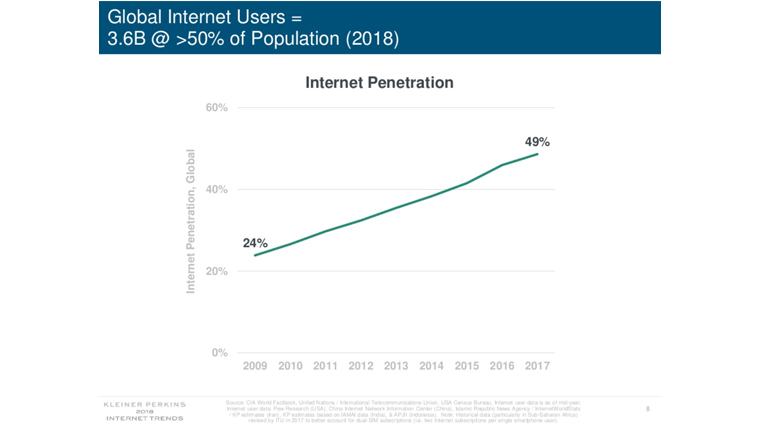
Mary Meeker, partner at Kleiner Perkins Caufield & Byers has released her annual report of internet trends. The presentation, made at the Recode conference, covers a vast array of internet-related stats from smartphone prices (down on average), to the importance of immigration to US tech companies. There are 294 slides to the presentation, but one of the biggest stats is that there are now more than 3.6bn internet users; for the first time ever, over half the world’s population is now online. Meeker noted that this may be a problem for internet service companies – ‘growth is harder to find after hitting 50% market penetration’ – but the graph is still showing a steady rise, with no signs of the ominous plateau.
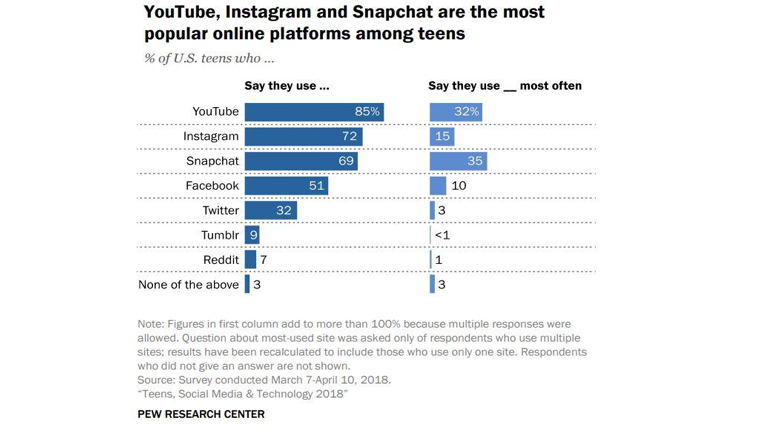
And what are all these people doing online? Well, if it’s in the US and they’re a teenager, they’re probably on YouTube. A new survey from the Pew Research Center suggests 85% of teens use YouTube, whereas only 51% use Facebook. This huge decline in Facebook use (down from 71% in 2015), will be painful for the company although it is offset by the rise in popularity of Facebook-owned Instagram, which is used by 72% of teens, up from 52% in 2015.
The biggest problem for Facebook is probably the rise of Snapchat: it is now used by 69% of teens (up from 41% in 2015), and, perhaps more significantly, 35% of teens say they use Snapchat most often (compared with just 10% who use Facebook most often).
3. Gavin Williamson is shut up and sent away
Richard Madeley was applauded this week for getting fed up with Gavin Williamson, defence secretary, for not answering his question. Madeley, who was pressing Williamson on his ‘Russia should go away, it should shut up’ remarks, eventually cut Williamson off as the latter made no attempt to acknowledge the question. The next day, Madeley wrote a piece for The Guardian, ‘Cutting short Gavin Williamson was the most popular thing I’ve ever done’, which is hard to argue with.
Check out the full exchange below, and watch to the end for the elephant’s comic timing.
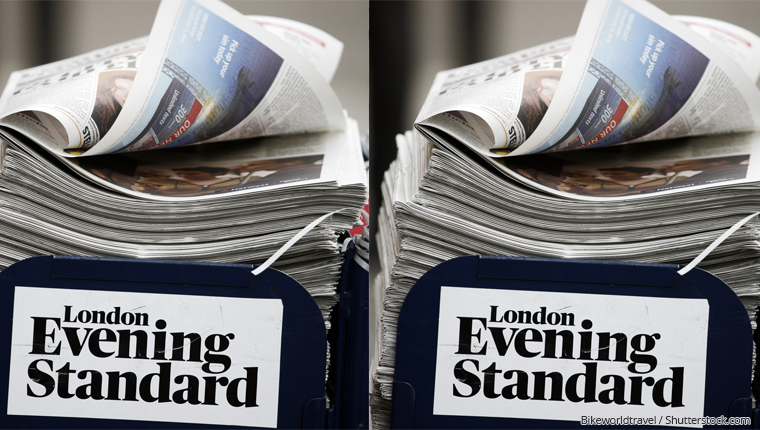
4. London Evening Standard accused of selling editorial
The Evening Standard has been accused by Open Democracy of selling positive editorial to a range of companies including Google and Uber. It is allegedly part of the Evening Standard’s London 2020 project, a means to bring in more money via sponsored content and events. Open Democracy says the project has gone one step further and is offering, ‘“favourable” news coverage of the firms involved, with readers unable to differentiate between “news” that is paid-for and other commercially-branded content.’
It also quotes an unnamed senior Starbucks executive who said: ‘Buying positive news coverage is PR death…something you might do in Saudi Arabia, but not here. This wasn’t right for us. We do engage in advertorial but that’s just marketing. We don’t need to buy our reputation.’
If true, this would seriously undermine the Evening Standard’s journalists’ authority and respectability.
The Evening Standard has denied the story. In a statement to The Drum, Jon O’Donnell, managing director at ESI commercial, said the idea ES was ‘selling news’ was ‘grossly inaccurate and a wildly misunderstood interpretation of the London 2020 project.’
He continued: ‘This will, as with all commercial content, be clearly identifiable as such. Under no circumstances have these clients been guaranteed news coverage for their own ends, nor would they ever be. Properly signposted commercial content within an editorial product is an accepted part of the news industry and is nothing new for publishers.’
Few publishers have run with the story and it seems like there’s little real evidence it’s true. Though eagle eyed readers will, of course, now be checking every Uber and Google story in the Evening Standard over the next few weeks to see if they’re fairly, or unfairly, praised.
5. Goodbye Roseanne
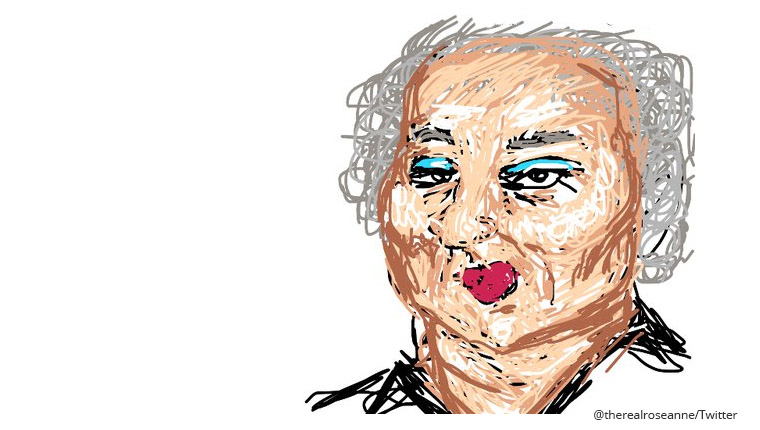
Roseanne Barr hit the news this week after a racist tweet, which she then seemed to defend, led to her hit sitcom ‘Roseanne’ to be cancelled. The star had made a racist comment about Valerie Jarrett, former advisor to Obama. In a victory for decisive crisis comms, ABC, the channel on which Roseanne is broadcast, announced it would not renew a second series as the tweet was ‘repugnant and inconsistent with our values’.
Roseanne, who blamed the racism on sleeping pills (no, really), begged for her job back, both on and off Twitter, but the decision stands. In her defence, the White House accused the entertainment industry of ‘hypocrisy’, suggesting ‘liberal TV stars’ suffered no consequences for saying ‘the most horrible things’ about President Trump. Roseanne is a high-profile Trump supporter and her character on the show also supported Trump.
Unfortunately, suggestions that the show could continue with a replacement for Roseanne are unfounded.
James Smythe is the man behind the independent tech blog, Mighty Gadget. Recently named in the Top 10 UK Tech Blogs, Mighty Gadget covers everything from TVs to phones and holds exclusive competitions for top tech prizes. We spoke to James about the latest trends in tech, his favourite gadgets and working with excellent PR agencies.
What makes your blog unique? Mighty Gadget is an independent blog, probably 80%+ of the content is mine. I cover all aspects of tech, but due to being limited to just one writer I tend to cover things that interest me personally. I love the normal stuff like mobile and audio visual, but I also cover as much fitness related technology as possible. I love gadgets that can track all my fitness and health stats!
What’s the best gadget/tech you own? There are too many to choose from! My current favourite is my Ring doorbell; I get so many review samples delivered and picked up it is very frustrating when I miss the door, so this has helped loads. Apart from that, from a pure use perspective it’s my main PC, I spend all day doing my work on it and I am also a keen PC gamer.
What trends should we expect to see in tech in the near future? Home Automation appears to be going mainstream now thanks to Alexa and Hue. So, I think we will see these devices becoming commonplace within the home.
From a fitness perspective, I think there is a good chance that Android Wear devices will start to eat into the traditional sports watch market. You already have Garmin, Fitbit, and Suunto integrating smartwatch type features into their watches. Current Android watches have okay fitness tracking, but it is nowhere near the level of Garmin, so I wouldn’t be surprised if we see an Android OS watch in the next year or so that is much more focused on sports with options to pair with all the sensors many athletes use.
Which tech companies are the giants of the future? I can’t think of any specific company but EVs and automated vehicles appear to be the next big tech revolution that is well underway and we all know the names involved in that industry. Beyond that, I may be biased due to my interest in health, but I think the longevity industry will take off in the next few years. We have already seen a growing trend of people being more conscious about their health; the supplements industry is worth $37 billion-a-year in the US, so I think the next logical step is the trend towards prolonging your life as much as possible. There are already quite a few companies that claim to be able to lengthen telomeres, which are a key component in ageing.
What phone do you have? Huawei Mate 10 – it is not the latest and greatest, but the camera is superb, and the battery lasts all day, so it is perfect for working on the go.
What’s the best tech invention EVER? So much to choose from! I would say the Internet; it’s an obvious choice but it’s a technological revolution that has affected everyone in such a large way.
How do you like to work with PRs? They can be frustrating at times, but I appreciate it is difficult dealing with hundreds of bloggers all pestering you for review samples or event details. I wouldn’t be able to cover as much content as I do without their help.
What’s the best campaign/collaboration you’ve worked on? I have worked with Acer multiple times over the years at first with Otto Comms & PR, and now with Agent 42. They have always been great to deal with, responsive to all emails, easy deliveries and pickup and well-organised events. This year I had a great time with Qualcomm at MWC which was organised by Hotwire Global; it was a great event, all the PR team that looked after us made things run smoothly with a laid-back schedule that allowed us to explore MWC in our own time.
What one thing should PRs know about you?
I live in Blackpool! So, unless you are paying for the train journey, it is unlikely I will be able to attend a press event. It isn’t the best place to live when you are a tech blogger!
What other blogs do you read? I sometimes stalk rival blogs such as Gadgety News to see if they are reviewing anything I might be able to blag. I am a fan of DC Rainmaker, the same as everyone in the fitness industry; he offers an unrivalled level of detail in his fitness tech reviews. Automated Home is great for home automation stuff. Then OC3D and bit-tech for PC-related news.
James Smythe and Mighty Gadget are both listed on the Vuelio Influencer Database along with thousands of other bloggers, vloggers, journalists and opportunities.
https://www.vuelio.com/uk/wp-content/uploads/2018/06/James-Smythe.jpg430760Merryn Williams/uk/wp-content/uploads/2024/05/Vuelio-PR-Comms-Public-Affairs-Logo.pngMerryn Williams2018-06-01 10:30:332018-06-01 10:47:33Interview with top tech blog Mighty Gadget
Try it for yourself
See what Vuelio can do for you with a free demo. Request a call back using the short form below


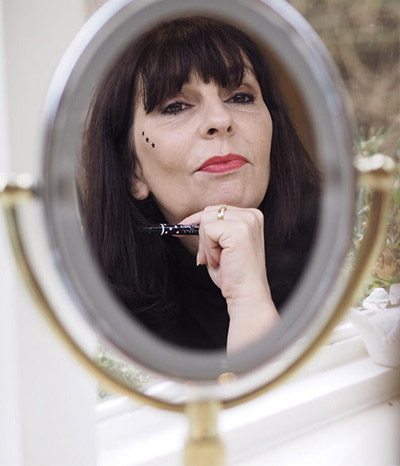 How has your blog changed from when you first started to now?

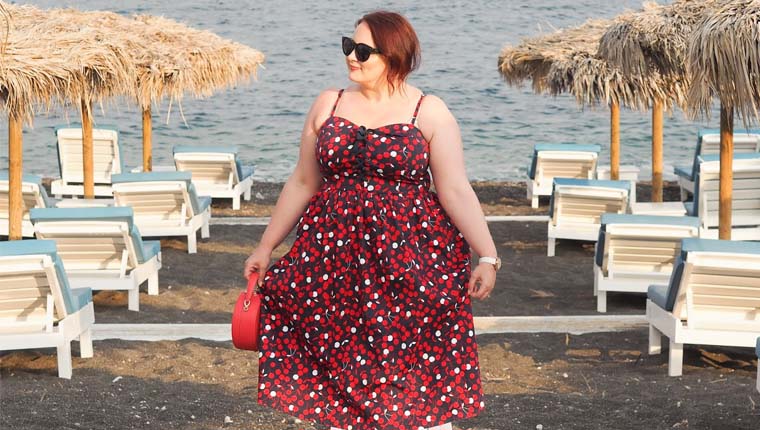


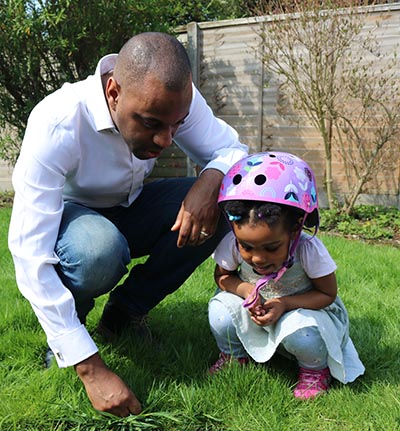




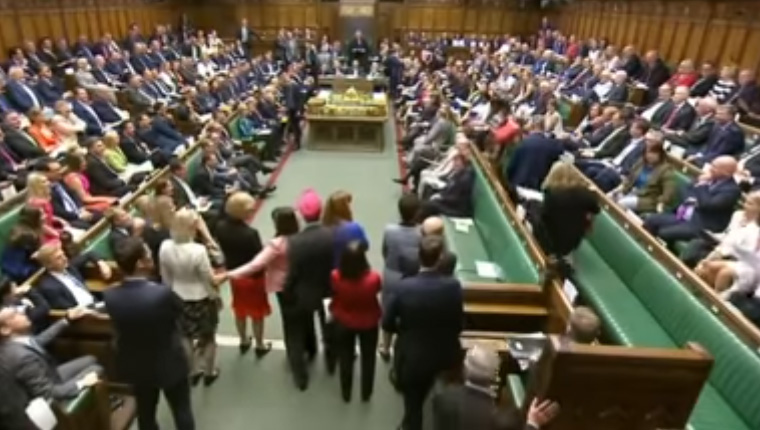


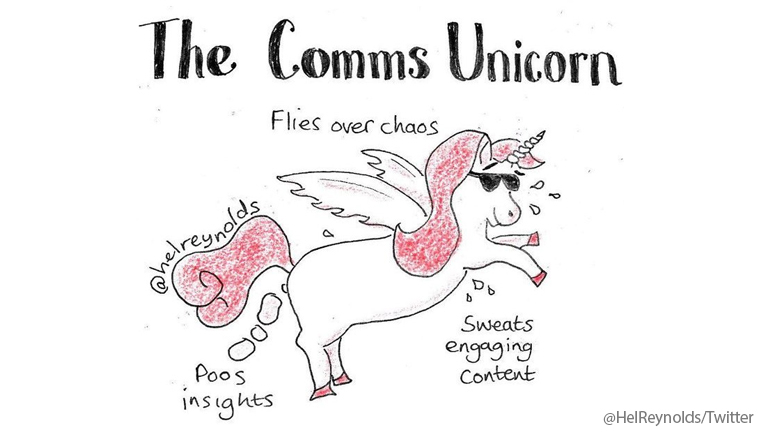
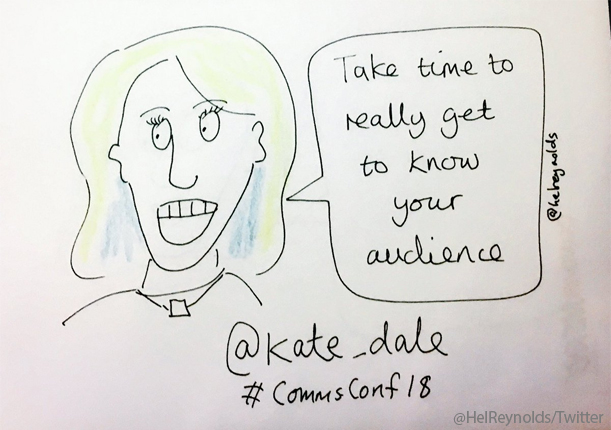
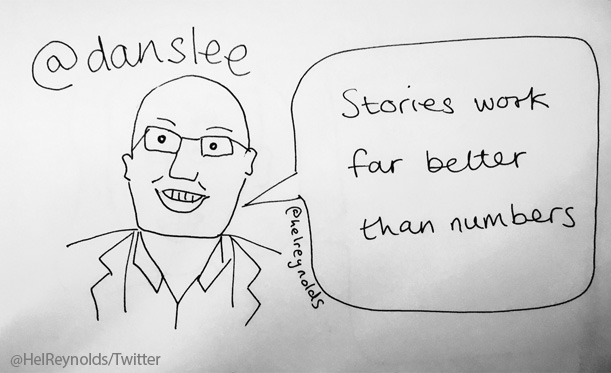
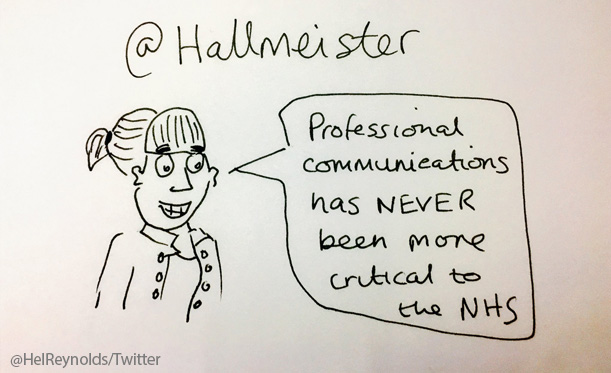
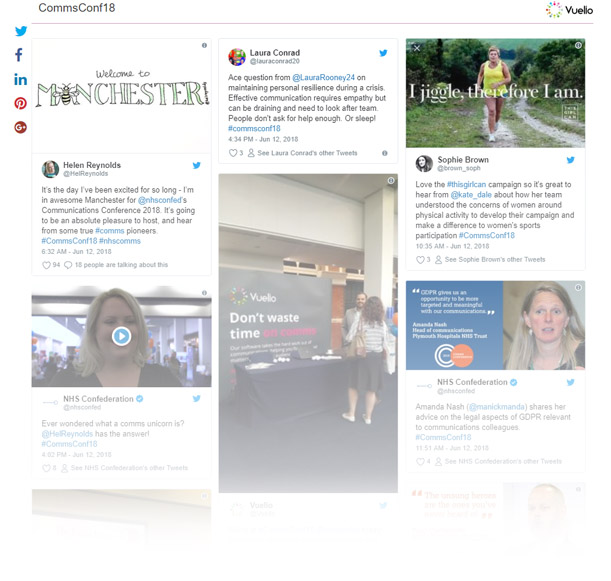

 What’s the best thing about being a dad?
 What’s the best thing about being a dad?
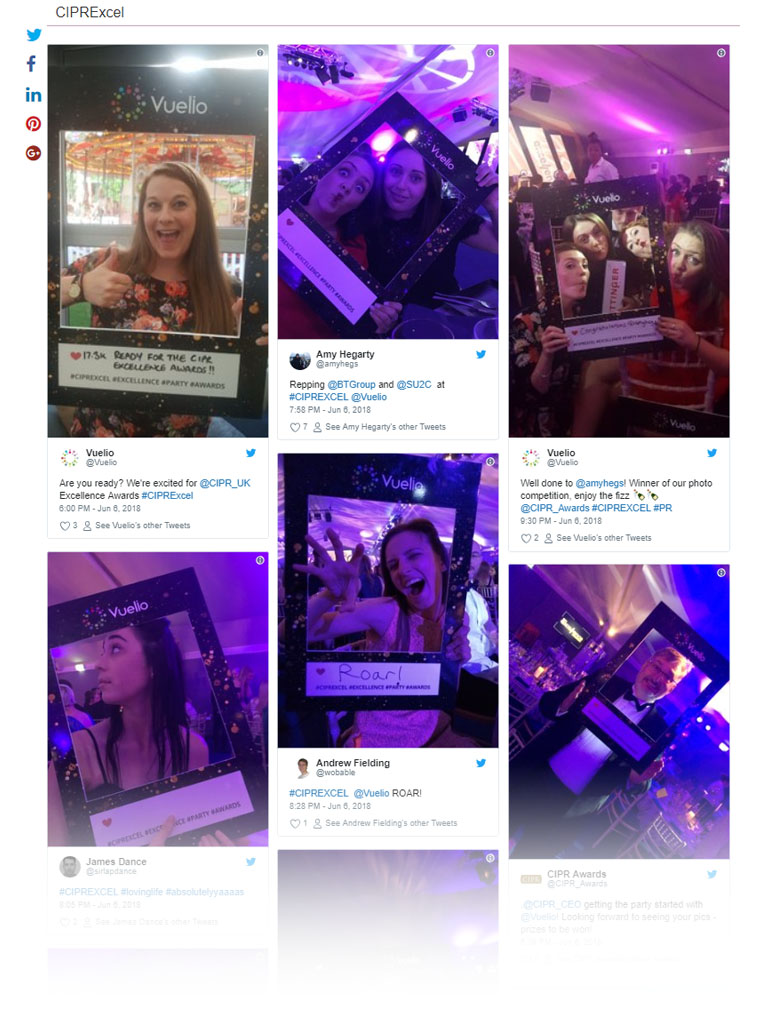

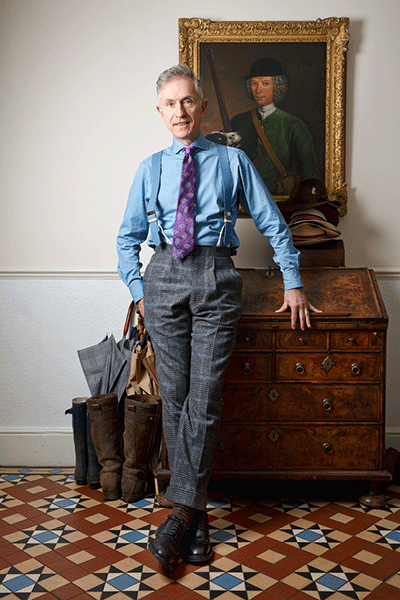 What makes your blog unique?
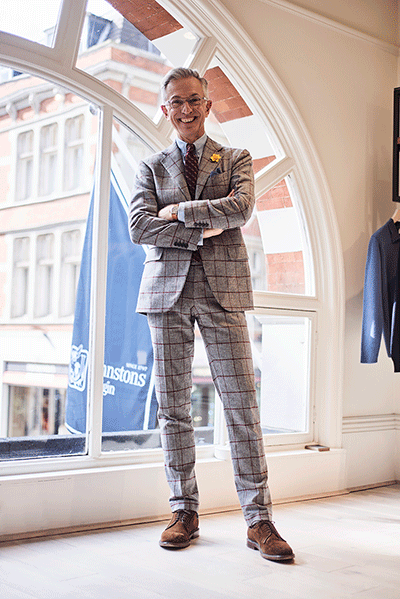 Shoes or watch?