Five things

Five Things You Shouldn’t Have Missed – 29 December 2017

Happy Merry Betwixtmas (maybe)! Some things still happen in the week of television and food, so here’s our round up of Five Things You probably Missed from the world of media, comms and PR.

Instagram’s stats

Instagram stats
A bit later than the other tech giants, Instagram has released its top 10s of the year from most popular hashtag (#love) to most-liked post (Beyonce’s pregnancy announcement). One part of the 2017 release was most-popular stories, something that’s usually not visible to the outside world. This created an interesting top 10, where having the biggest following didn’t necessarily equate to having the most popular stories – which begs the question: what is true influence?


Ofcom complaints of the year

cOMPLAINTS

Ofcom has released the most complained about moments on TV from 2017, with Good Morning Britain topping the list for giving an interview with Dr Michael Davidson, a man who believes homosexuality is ‘an aberration’. Piers Morgan was delighted to be ‘No. 1’ on the complaint list and even retweeted Nigel Farage’s comment that he was ‘doing something right’. The full list of complained-about moments is largely made up by ITV, with BBC One and Sky News taking one each:

  1. Good Morning Britain, ITV, September 5 – 1,142 complaints about interview with Dr Michael Davidson
  2. Press Preview, Sky News, June 20 – 1,063 complaints about comments made by journalist Melanie Phillips
  3. Britain’s Got Talent, ITV, June 1 – 665 complaints over Amanda Holden’s dress
  4. Coronation Street, ITV, October 27 – 541 complaints over violent scenes involving Pat Phelan
  5. Comic Relief 2017, BBC One, March 24 – 339 complaints about swearing and sexual innuendo involving Vic Reeves and Russell Brand
  6. Emmerdale, ITV, March 6 – 275 complaints over prison scenes featuring violence and homophobic abuse towards Aaron Dingle
  7. I’m a Celebrity… Get Me Out of Here! ITV, December 7 – 243 complaints about alleged bullying towards Iain Lee
  8. This Morning, ITV, November 13 – 181 complaints about interviewee’s comments on transgender issues
  9. Good Morning Britain, ITV, June 20 – 176 complaints about interview with English Defence League co-founder Tommy Robinson
  10. Benidorm, ITV, May 3 – 137 complaints about comments made about a character with a cleft lip


Christmas Viewing Figures

Santa TV

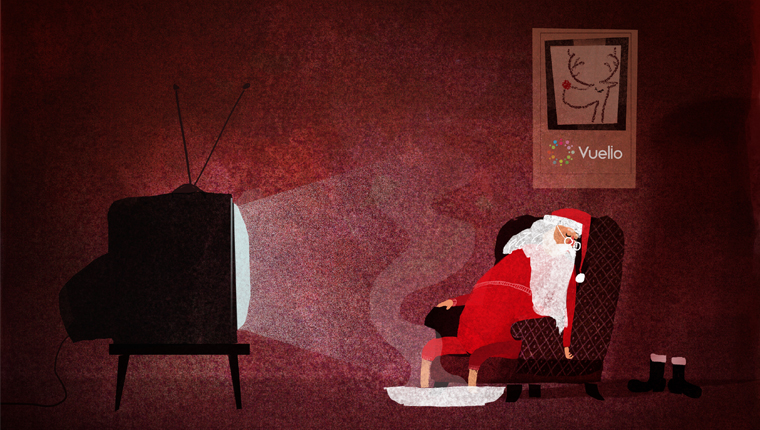
Another list, this time the viewing figures for Christmas day, which were won by the Queen’s speech on both BBC and ITV. In second place, but leading the field of programmes on just one channel, was Mrs Brown’s Boys Christmas special. The BBC dominated the top 10 list, though the top 10 average was down from 2016.


Prince Harry takes over Today

In what will surely be a cracking scene in Netflix’s The Crown season 28, Prince Harry was this week a guest editor of BBC Radio 4’s Today programme. The fifth in line to the throne interviewed Obama and Prince Charles as well as talking about mental health and the armed forces. A highlight was his quickfire questions for Obama who seemed equally amused and unimpressed.


A look back at 2017

Everyone is doing it, so we’re joining in. Have a favourite moment from 2017? Whatever it is, here’s one you DEFINITELY shouldn’t have missed:


Seen something we’ve missed? Let us know on Twitter.

Christmas

Five Things You Shouldn’t Have Missed – 22 December 2017

Our weekly round-up of the biggest stories from media, PR and comms including Twitter’s ban, lists of the year and a very funny video.

Twitter suspends Britain First

Tweeting

Twitter updated its policies around hate speech, which led to the almost-immediate removal of the extremist Britain First account along with its leader and deputy. Twitter is planning on being more aggressive in its enforcement of the policies but a number of accounts remain, perhaps due to their ‘newsworthiness’.

Twitter, Facebook and Google were also called in front of the Home Affairs Committee this week, for an investigation into online abuse and its links to violence. They were accused of not taking it seriously enough.

Top 10 rankings

Blog rankings

Vuelio is proud of the blog rankings we create and maintain, identifying the very best of blogging by each sector. But which of our rankings are the most popular? Thankfully, you needn’t ask that question any more.

Most popular posts from 2017

most read

Wondering what our most popular posts were from 2017? Wonder no more – from the Vuelio Blog Awards to football related interviews, 2017 was the year of variety. Sadly, no Five Things post made the list.

We met Hand Luggage Only

Award winning bloggers? Tick.
Amazing travel photography? Tick.
Two of the nicest bloggers in the world? You bet!

Yaya and Lloyd write Hand Luggage Only and were kind enough to tell us about the world of blogging and PR relationships. And check out their quickfire questions in the video below:

Christmas is only three days away

Christmas

If you haven’t started shopping, it’s already too late.

Crafts blog

Blogger Spotlight: Kate Williams, Crafts on Sea

Kate Williams writes Crafts on Sea, which was recently ranked as one of the Top 10 UK Craft Blogs. Covering achievable crafts for kids and adults, Crafts on Sea demonstrates makes and shares fun family activities. We spoke to Kate about trends in crafts, not being paid in craft supplies and working on excellent campaigns.

How would you describe your blog?
Achievable crafts for kids and adults. There’s stuff to keep the kids busy but also things for the grown ups too – I’ve got a lot of colouring pages! I like to hope there’s something that would interest or inspire everyone on there; my own kids love things like Star Wars, Marvel and Paw Patrol so that inspires the kind of making that we do as well as season interests like Christmas or Halloween.

Why did you start your blog?
Well my husband was starting a blog and I didn’t want to be left out! He ended up not doing one but over the years mine has grown. I’ve always written but I don’t have the patience to sit and write 10,000 words! A blog post is the right kind of length for me.

What’s your favourite craft?
Well it’s a really simple one but I love these paper plate emojis. They’re just a proper stress-free craft that kids of all ages can do. More importantly, though, I know my kids loved this one as they both took their versions into school and nursery the next day for Show and Tell – that’s when you really know something has gone well!

What do you think the place of physical crafts is in a ‘digital’ world?
I think more people will look on Pinterest for kids crafts than will buy a book telling them how to make things – absolutely. I know I’ll look on YouTube to find out how to crochet because I need to see how it’s actually done and as a parent I can’t always get out to a class. Physical books and classes still have a role (I’ve written a book of crafts too) but the internet is a huge part of people’s lives now.

Want to work with influencers? Try the Vuelio Media Database and get access to 11,000 UK Bloggers in crafts, family, lifestyle & more.

How much do trends in crafts affect your blog?
Well it’s December and I’m thinking about my Valentine’s Day crafts so quite a lot! I try to plan quite far in advance for season crafts and there’s also been big trends that crafts are affected by. Colouring has been really big, rock painting was a trend that’s still ongoing and even DIY fidget spinners were really popular this year. I try to listen to what my kids and their friends are talking about and plan around that too.

What will the 2018 trend be?
I think nature crafts are becoming more of a thing, especially as ‘forest schooling’ becomes more influential. Who knows for the rest of it though, some trends just seem to come out of nowhere – who would have thought that bottle flipping would be a big thing?!

How do you like to work with PRs?
I like them to be honest, tell me what they want to achieve and then I can see if it’s something I can help with. I’ve worked on a really great campaign recently for Marks & Spencer (through iCrossing) that was just so well thought out and had such a detailed brief. It was great as I knew exactly what they wanted so I could make sure I had it all planned properly. The campaign has done really well in terms of pageviews for me too, so it’s been a total pleasure to work on all round. I do want to be able to properly promote the clients I work with!

What one thing should PRs know about you?
Not just myself but most bloggers are incredibly professional and come from a professional background, I laugh with my friends about how my job is making stuff out of paper plates (much more fun than my old office job) but my background is in marketing, research and fundraising. In order to pay the mortgage each month you need to know everything about the latest changes in social media algorithm, what hosting companies are the best and be able to code; it’s not just a job about making pretty stuff. Failing that, I would love people to stop asking to pay me in craft materials – at risk of sounding rude, I have more paints and paper than the average craft store!

What’s your favourite craft company?
My friend Gude runs The Paperdashery and she has the most amazing washi tapes as well as a fantastic subscription box service.

What other blogs do you read?
For kids crafts Red Ted Art, Arty Crafty Kids, Rainy Day Mum and Play and Learn Every Day are brilliant. Lulastic and The Hippyshake is my grown up read for activism and lifestyle stuff.


Kate Williams and her blog Crafts on Sea are both listed on the Vuelio Influencer Database, the UK’s leading influencer database available to the PR and communications industries.

most read

Top 10 Blog Posts from 2017

Interviews, lists and the Vuelio Blog Awards – 2017 has seen huge variety across our most popular posts.

The most dominant topic, though, is surely football, which reflects its dominance in society. The popularity of the sport is seen in a number of our most-read posts of 2017, including our number one:

1. Blogger Spotlight: Paul Brennan, Celtic Quick News

Paul Brennan_CelticQuickNews
Celtic Quick News is the place where you’ll find the latest Celtic news and features, Posted 365 days a year. Celtic Quick News encourages Celtic fans to join the conversations on the blog and to have their say. In this spotlight Paul, who features on our top ten football ranking chats to us about how he got into blogging, why he loves football, and how he likes to work with PRs.


2. 11 Blogs You Need To Follow In 2017

topblogsof2017
A ranking of exciting new bloggers to follow in 2017. Check out who made the list way back in January.


3. Blogger Spotlight: Iain Dale, West Ham Till I Die

Iain Dale_West Ham Til I Die
Launched in 2006, West Ham Till I Die is authored by Iain Dale and has become one of the most visited football blogs in the UK, attracting more than 60,000 readers. Described as ‘an oasis of sensible debate without the aggression and swearing’, West Ham supporters are invited to comment on articles posted daily. In this spotlight, Ian, who features on our top ten football blog ranking, chats to us about his blogging career, which spans over fourteen years, working as a presenter for LBC Radio, and his unwavering support for West Ham.

 

4. The Best 14 Bloggers In The UK

Vuelio
The winners of the 2017 Vuelio Blog Awards were revealed at the Bloomsbury Big Top on Friday, 24 November. Hundreds came together in the fabulous Bloomsbury Big Top to enjoy top entertainment, fire dancers, aerial silk artists, fine dining, the hilarious Ellie Taylor, and the company of the best bloggers in the UK right now! In their third year, the Vuelio Blog Awards continued to show why the UK blogging industry is the world’s best.


5. PR Spotlight: Alison Dagwell, Digital Mums

AlisonDagwell-DigitalMums
Launched in 2014, by Nikki Cochrane and Kathryn Tyler, Digital Mums specialises in getting mums job-ready with in demand social media and digital skills, so they can find rewarding roles that sync with family life. In this spotlight, Ali Dagwell, co-head of storytelling at Digital Mums, chats to us about her 15-year career in PR, crisis management, working on campaigns that empower new mothers, and why flexible working hours for women with children are important.


6. Shortlist Revealed for The Vuelio Blog Awards 2017

Vuelio Blog Awards - The Event 01
The shortlist for the Vuelio Blog Awards, with more finalists than ever before. The full list of finalists represents the crème de la crème of the blogosphere.


7. Grimsby Town: Chequebook Journalism In The Lower Leagues

Laptop in front of football game
If you managed the comms department of a lower league football club, would you ask the local newspaper (a news organisation that is genuinely interested in writing about you) to pay for one-to-one access to your club manager? This club did.


8. Journalist Spotlight: Kara Godfrey, Express.co.uk

Kara Godfrey_Vuelio
An interview with Kara Godfrey when she was appointed online travel reporter at the Express. Kara chats to Vuelio about her experience working in a fast-paced, digital environment, the evolution of her London lifestyle blog, social media engagement, what makes for good PR relations and her favourite place to travel.

 

9. 5 PR Mistakes To Avoid When Sending A Press Release

stressed man
Press releases are still a fundamental cornerstone of the PR industry, and while social, digital, events and meetings may yield strong results, the humble press release is here to stay.


10. Blogger Spotlight: Nichola West, Globalmouse Travels

Nichola West
Globalmouse Travels was ranked as number one in the Top 10 UK Family Travel Blogs. Authored by Nichola West, Globalmouse Travels covers the unusual parts of holidays, away from the tourist traps and clichés. Nichola speaks to us about off-the-beaten-track experiences, camping with Bedouin nomads in Oman and collaborating with PRs.


Got a story for us that will be our most popular in 2018? Or perhaps you’d like to take part in a spotlight? Either way, get in touch today.

Report Abuse

Google, Facebook and Twitter are not taking online abuse and hate seriously enough

The Home Affairs Committee has questioned Google, Facebook and Twitter over the work they’re doing to combat online hate. The Committee questioned Dr Nicklas Berild Lundbald, vice president public policy at Google EMEA; Simon Milner, director, public policy at Facebook; and Sinead McSweeney, VP public policy and communications at Twitter EMEA.

They were focusing on trends in online hate crime and what actions are being taken by the leading platforms to tackle it. This follows earlier news that Twitter revised its hate policies, which led to Britain First being suspended.

Mark Di Stefano, media and politics reporter for BuzzFeed UK, live-tweeted the session and is the source of the quotes below.

Under questioning from MPs, Facebook revealed it now has more than 7,500 people whose jobs are focused on removing content from the platform, while Google expects to have over 10,000 by the end of 2018.

Highlighting problems with Twitter’s reporting system, Yvette Cooper presented abusive and threatening tweets against Diane Abbott and Theresa May, which she had reported on the platform. The tweets are still online, but McSweeney was unable to give a reason why. In an attempt to excuse it, she said: ‘You can clean a street every morning, you can’t guarantee it’ll be clean by 10am’.

McSweeney was unable to explain why any of the offensive comments in tweets were still live on the platform. She did admit to failings with the verification system on Twitter, with the blue tick system clearly broken, she said: ‘People became verified who should have never been verified’. She also confirmed what was reported a few weeks ago: the Twitter verification system has been suspended.

McSweeney received the brunt of questioning, perhaps due to Twitter’s nature as a broadcast platform and one on which MPs receive so much abuse themselves.

Tory MP Rehman Chishti presented Milner with an offensive crusader meme and asked: ‘That is completely unacceptable, would you accept that?’ to which Milner replied: ‘I’d have to ask our expert teams’.

Google didn’t escape the spotlight, Cooper asked why she was receiving recommendations from YouTube for ‘pretty horrible organisations’.

‘You are actively recommending what is effectively racist material into people’s timelines’, she said. ‘Isn’t the real truth that your algorithms and the way in which you want to attract people to other linked and connected things, is that actually your algorithms are actually doing that grooming and radicalization?’

Towards the end of the session Milner complained: ‘I kinda hope you have some other companies here. It’s usually us three. There are a lot of other online companies many who are not applying the same endeavors we are’.

Cooper wrapped up the session by telling the three networks: ‘It is about harassment and abuse that can undermine political debate and democracy. You are some of the richest companies in the world. We need you to do more.’

The Home Affairs Committee questioned Google, Facebook and Twitter as part of its ‘Hate crime and its violent consequences’ inquiry. The Committee started before the election and even published a report in May: ‘Abuse, hate and extremism online’. Today’s session was a continuation of the existing investigation into online abuse.

Tweeting

Twitter suspends Britain First

Twitter revised its hate speech rules, which then led to the suspension of the official Britain First account and the accounts of its leaders: Paul Golding and Jayda Fransen.

The new rules have been brought in to ‘reduce hateful conduct’ and ‘abusive behavior’. Twitter has broken down its new policies into two sections:

New rules on violence and physical harm:

‘Accounts that affiliate with organizations that use or promote violence against civilians to further their causes. Groups included in this policy will be those that identify as such or engage in activity — both on and off the platform — that promotes violence. This policy does not apply to military or government entities and we will consider exceptions for groups that are currently engaging in (or have engaged in) peaceful resolution.

‘Content that glorifies violence or the perpetrators of a violent act. This includes celebrating any violent act in a manner that may inspire others to replicate it or any violence where people were targeted because of their membership in a protected group. We will require offending Tweets to be removed and repeated violations will result in permanent suspension.’

Expanding the rules to include related content:

‘Any account that abuses or threatens others through their profile information, including their username, display name, or profile bio. If an account’s profile information includes a violent threat or multiple slurs, epithets, racist or sexist tropes, incites fear, or reduces someone to less than human, it will be permanently suspended. We plan to develop internal tools to help us identify violating accounts to supplement user reports.

‘Hateful imagery will now be considered sensitive media under our media policy. We consider hateful imagery to be logos, symbols, or images whose purpose is to promote hostility and malice against others based on their race, religion, disability, sexual orientation, or ethnicity/national origin. If this type of content appears in header or profile images, we will now accept profile-level reports and require account owners to remove any violating media.’

Twitter aims to be ‘more aggressive’ in its enforcement of these new policies as it attempts to battle the perceived hate flooding the platform. It acknowledges that it ‘may make some mistakes’, and is working to create a ‘robust appeals process’.

That the platform has moved forward to remove extremist Britain First accounts before creating this appeals process is testament to the problem Twitter is facing. That said, new accounts for Britain First and Jayda Fransen are now on the platform, the latter having joined yesterday. It’s unclear if these are genuine or how they’ll be treated by Twitter’s policies.

Other accounts that could be argued to breach policies remain active – from Katie Hopkins, whose tweets this morning suggest she fears being suspended (no links, feel free to check out her tweets), to President Donald Trump, who has previously retweeted controversial Jayda Fransen videos.

Twitter founder and CEO Jack Dorsey has previously said Donald Trump’s tweets are important as they allow him to be held accountable. They’re also ‘newsworthy’ and so allowed to remain as part of the discussion.

The problem with these new policies is drawing certain lines of acceptability for users, which only seem to apply to some. It’s not clear if Twitter genuinely believes Trump’s policy-breaching behaviour is actually important news or if they’re protecting their business by staying relevant. It could be argued that the more influential and higher status the individual, the more damaging their hate and violence-filled speech is.

Expect this story to build momentum as further accounts are suspended and, perhaps more significantly, others are allowed to remain.

Disney

Five Things You Shouldn’t Have Missed – 15 December 2017

Our weekly round-up of the biggest stories from media, PR and comms including the mother of all acquisitions, UCL’s white campus and the words, and terms, of 2017.

1. Disney to buy 21st Century Fox’s entertainment assets
Disney has announced that it is to acquire 20th Century Fox and other entertainment and sports assets from the Murdoch empire. The $52.4 billion all-stock deal will include the broadcaster Sky if Fox is successful in its takeover. Disney chairman-CEO Bob Iger has extended his contract for another two years, to 2021, in order to oversee the ‘integration of assets’. It is also reported that Disney expects to realise $2 billion in cost savings from overlapping business functions.

The huge merger has raised questions over competition in the market, the future of the Murdoch empire and, perhaps most significantly, how long it will be for X-Men to feature in the Avengers movies.

2. Max Clifford
Disgraced publicist Max Clifford died this week in prison. A man who was famous for creating false stories and representing kiss-and-tell ‘celebrities’, Clifford’s career came to an abrupt end in 2014 when he was convicted of a string of abuses against women and girls. The PR industry has been keen to further distance itself from the man who has been described as someone who ‘did a disservice to the honest public relations industry but had no lasting influence on it’.

3. UCL’s white campus
In tweet blunder of the week (no, regular Five Things readers, it’s not The Donald), University College London tweeted: ‘Dreaming of a white campus?’. While they were, of course, referencing the snow in London, on Twitter offence is like wildfire; quickly out of control. It led to the UCL apology, where they admitted to choosing their words ‘very poorly’. Unfortunately, this caused more outraged from those that believe Twitter ‘snowflakes’ (yes, very funny etc) shouldn’t be so easily offended.

4. Google in 2017
The most Googled terms of 2017 have been revealed by the search engine, with Meghan Markle dominating the UK’s searching habits this year. The full list includes a mixture of news and technological events, reflecting the year that was. Google also released most searched questions, for example ‘How to buy Bitcoin’, as well as global data where the French election was dominant but Trump didn’t make the cut.

5. Youthquake
The Oxford English Dictionary has announced its word of the year, which for 2017 is ‘Youthquake’. The word refers to the rallying of young people by Jeremy Corbyn’s Labour Party during the 2017 General Election, and saw a 400% increase in usage from 2016. That said, if a word is used once in 2016, it only needs to be used five times in 2017 to achieve a 400% rise. Other words which made the list include ‘antifa’ (groups united by militant opposition to fascism) and ‘broflake’ (a man upset by progressive attitudes which conflict with his more conservative views). The word of the year traditionally ‘defines’ the year and has previously included ‘chav’ in 2004, ‘credit crunch’ in 2008 and ‘vape’ in 2014.

head of news and current affairs

Fran Unsworth appointed head of BBC news

Fran Unsworth has been appointed director of news and current affairs at the BBC. She will replace James Harding, who announced  his departure in October, at the beginning of 2018.

Unsworth is a career BBC journalist, starting on local radio in 1980 before joining Radio 1’s Newsbeat.  She later joined Radio 4’s The World At One and PM. She became home news editor and then head of political programmes in 2001. She was head of newsgathering and for two periods in 2012 and 2013, she was acting director of news and current affairs.

On 8 December, Unsworth was made director of the BBC World Service Group, which is her current role. As director, she is currently responsible for the BBC’s global news services as well as BBC Monitoring.

Her appointment comes after James Harding announced he was leaving to set up a new media venture, with ‘a distinct approach to the news and a clear point of view’.  More details of this news start-up are yet to be announced.

BBC director-general Tony Hall is ‘delighted’ with the appointment of Unsworth. He said: ‘The director of news and current affairs is one of the most demanding of any in broadcasting. [Fran] brings a combination of excellent news judgement, authority, management knowhow, and the trust of her colleagues both in news and across the BBC.’

Private Eye had, earlier this week, suggested Unsworth turned down the role as she ‘didn’t need the hassle of managing the 8,000-strong news division’.

Whether their source was wrong, or Unsworth changed her mind, she is now thrilled with her new appointment: ‘I am delighted to lead BBC News and Current Affairs. We are living through a period of significant change at home and abroad. In a complex world, the BBC’s journalism matters more than ever.

‘I am proud to lead a team of such dedicated and talented people.’

All new media appointments and changes are kept up-to-date in the Vuelio Media Database.

agency competition

Creative Shootout 2018 finalists revealed

The finalists for the Creative Shootout Live Final have been announced. Nine agencies were selected by the 17-strong judging panel, which included leading names from YouTube, Hello! and Weber Shandwick.

The finalists, who will compete at BAFTA on 25 January 2018, are:

  • Bottle
  • Clarion Comms
  • Frank
  • Ignis
  • Mischief
  • Pretty green
  • Shape History
  • Talker Tailor Trouble Maker
  • Text 100

The Creative Shootout is an annual competition that presents a charity brief to the finalists, who then have four hours create a ten-minute pitch. The ‘Live’ Final is just that, with the audience voting on each pitch to decide the top three, including a winner whose pitch will be supported by £250,000 media prize fund from 1XL, and £30,000 worth of agency fees from this year’s Charity FareShare.

FareShare is the UK’s largest food re-distribution charity that is responsible for feeding half a million people a week, by redistributing good, surplus food to over 6,700 frontline charities and community groups.

Entry to the Creative Shootout was open to any marketing agency in the UK. Entrants each had to submit ‘60 seconds’ on why they had the creative clout for FareShare. These were whittled down to nine finalists by the judging panel which this year consisted of:

  • Abba Newbery, Creator Development, YouTube
  • Alyson Walsh, Marketing Director, FareShare
  • Andrew Bloch, Founder & Group MD, Frank
  • Colin Byrne, CEO UK & EMEA, Weber Shandwick
  • David Gallagher, President, Growth & Development, Omnicom
  • Emma De La Fosse, CCO, O&M
  • Henry Faure Walker, CEO, Newsquest
  • James Booth, Founder & CEO, Scoota
  • Jason Gardiner, TV Personality, Founder & Creative Director, The Rabbit Hole Group
  • Professor Jonathan Shalit OBE, Chairman, ROAR Group (UK)
  • Johnny Pitt, Founder, The Creative Shootout
  • Luke D’Arcy, President, Momentum
  • Paul Bainsfair, Director General, IPA
  • Rosie Nixon, Editor-in-Chief, Hello!
  • Simon Gill, Chief Creative Officer, Isobar
  • Simon Peck, Group Managing Director, Engine UK
  • Sophie Daranyi, Chairman, Haygarth

Creative Shootout Founder Johnny Pitt said: ‘We’ve a cracking nine agencies in the Final this year. Choosing nine from the long list was tough, and the final decision was very, very close – namely because there were so many strong entries from a really diverse range of agencies.’

For more information about this year’s event, and to buy tickets, visit creativeshootout.com.

multi screen search

Most Googled terms of the year 2017

Google has released the most Googled terms of the year and Meghan Markle has topped the list in the UK.

Google’s annual analysis sums up the year in news. The full top 10 is:

  1. Meghan Markle
  2. iPhone 8
  3. Hurricane Irma
  4. Fidget spinner
  5. Manchester bombing
  6. Grenfell Tower
  7. 13 Reasons Why
  8. Tara Palmer Tomkinson
  9. Shannon Matthews
  10. (suitably ranked) iPhone X

The search engine has also revealed common questions asked in 2017, including ‘How to buy Bitcoin’ and ‘What is a hung parliament’.

The information is a treasure trove for PR pros who are either checking for their successes (FYI Wimbledon was the most searched sporting event, and Ed Sheeran’s Shape of You was the most searched song), or seeing what’s trended to help predict what’s next.

Access to boxing matches is clearly high on people’s priorities as two fights – ‘How to watch Mayweather vs McGregor?’ and ‘How to watch Joshua vs Klitschko?’ – made the top 5 most searched ‘How To…?’ questions.

Globally, the information is broader but still includes news events and people – but surprisingly Donald Trump manages neither list.

And for a UK audience, what’s perhaps most surprising in light of Brexit is our place in the world (of Google); the UK election was the third most searched election, after the French and German elections respectively.

If you want to tweet something from this article, I’d recommend 2017’s most searched meme, which for 2017 was ‘Cash Me Ousside / Howbow Dah’*.

*me neither – even after our head of political content explained it.

16 February 2018

Are you ready for London Fashion Week?

The next London Fashion Week takes place on 16-20 February 2018, which means the planning starts now. We spoke to Victoria Magrath, author of the Vuelio Blog Awards’ Best Fashion Blog 2017 Inthefrow.com, about preparation and planning for spring/summer LFW 2018.

inthefrowVictoria, who is one of the faces of Ted Baker this season, is already planning potential projects with a number of her favourite brands for LFW. It may seem early to start planning, but with the Christmas period just weeks away and New York Fashion Week starting on 8 February, there isn’t much time left.

London and Paris are both special to Victoria who feels like London sadly isn’t appreciated enough on a global stage: ‘So many international bloggers don’t come over to London, which is such a shame; there are loads of great designers here!’

For Paris Fashion Week, Victoria is looking forward to spending time with her L’Oreal Beauty squad again and believes that the earlier teams start planning fashion week projects, the better.  ‘It would be great to get super organised a few months ahead of time, as fashion week is so busy and fast paced but many fashion and beauty teams plans a lot nearer to the date which I understand.’

Collaborations are one of Victoria’s favourite aspects of her blogging career, and she is excited to work with her favourite brands on long-term campaigns in 2018. ‘The effects of real, genuine partnerships are much more rewarding.’

Victoria admits though that she is ‘never satisfied’ and always sets new goals to achieve. Even after being the top ranked fashion blog, winning at the Vuelio Blog Awards and being a face of Ted Baker for Christmas 2017 – Victoria is excited for what 2018 will hold.

Victoria and Inthefrow are both listed on the Vuelio Influencer Database, along with thousands of other bloggers, vloggers and media contacts.

online newsroom

7 things your media centre needs

Every brand or business should have a press-friendly digital presence and an Online Media Centre is the easiest way to fulfil this need. Knowing what you should and shouldn’t include can often be a challenge, so Vuelio has spoken to journalists and newsroom experts to determine exactly what your media centre needs.

The latest Vuelio white paper ‘Online Media Centres: Managing Your Digital Presence’, is your one-stop-shop for all your media centre needs, and covers topics such as: What’s a media centre’s purpose out of hours? And when should you require journalists to sign up? How do bloggers use media centres?

The white paper also includes the anatomy of a media centre – the seven things all media centres should include. here are the first four, can you guess the rest?

1. Contacts page
Possibly the most important element is a list of all the key contacts the press could need for any eventuality.

2. Press releases
This may seem obvious, but keep a regularly-updated library of press releases in date order.

3. Pictures and video
Your media centre should host large downloadable files so journalists can easily access this email-unfriendly material.

4. Company information
Have background information about your company and business so it gives media contacts a bigger picture and more editorial content to flesh out their story.


For the full anatomy, and an exploration of the perfect media centre, download the white paper today.

Do you have an excellent media centre? Share it in the comments below.

Five Things you Shouldn't have Missed

Five Things You Shouldn’t Have Missed – 8 December 2017

THIS IS THE DESCRIPTION OF FIVE THINGS YOU SHOULDN’T HAVE MISSED FOR 8 DECEMBER.


1. 100PT SPLASH HEADING HERE

Cambridge News

Cambridge News accidentally published editorial instructions on its front cover this week, rather than an actual story. In what must be the ultimate proofing AND printing error, its headline read ‘100PT SPLASH HEADING HERE’, followed by ‘THIS IS A STRAP OVER TWO DECKS WITH A CROSS REFERENCE TO A PAGE HERE’. The paper’s editor-in-chief, David Bartlett, has apologised and said it’s unclear how it happened, but also blamed ‘a technical problem’.  It is very unusual for such a mistake to be missed in editorial proofing, final checks and checks at the printers, which makes the mistake all the more remarkable.


2. Time Person of the Year 2017

The Silence breakers

Time has named ‘The Silence Breakers’ as this year’s ‘Person’ of the Year. This group of people includes actress Ashely Judd, activist (and founder of the Me Too movement) Tarana Burke, and singer Taylor Swift. It heralds those that have spoken up about sexual harassment and assault, noting that this group of people has made it clear that such predatory behaviour can happen at any level of society and make victims of anyone. The light they’ve shone onto the issues has made it easier for others to come forward to talk about their own circumstances and experiences.

Twitter enjoyed the fact President Trump, who a couple of weeks back claimed he had been asked to be Time Person of the Year (in a tweet that quickly became a meme), was included by association – some of his accusers were part of The Silence Breakers.


3. Most tweeted tweets

most retweeted

Twitter has released the most popular tweets on the platform for 2017, measured by retweets. While Carter needing his nuggs took the top spot (and is the most retweeted tweet of all time), it is Barack Obama who has attracted the headlines for having three tweets on the list, while President Trump managed none. Ouch. Though once again, The Donald got onto the list by association – he was called a bum by LeBron James:


4. Top YouTubers

top youtuber 2017

Another social media ranking of 2017, Forbes announced the highest-earning YouTube stars of the year. Taking top spot is DanTDM, who last year didn’t even feature. Making a reported £12.3m this year, Dan Middleton makes gaming videos that have been watched billions of times. The full list also includes controversial star PewDiePie – who still holds the record for most subscribers – and six-year old Ryan, who opens and reviews toys. Ryan made £8.2m this year, and again: he’s six.

The total wealth of the top 10 is up 80% from 2016 as influencers cement themselves in marketers’ budgets. Only four of last year’s top 10 are on the list, highlighting the constant state of flux vlogging finds itself in, and the hard (and constant) works that’s needed to remain at the top.

There’s no place for UK giants Zoella or Alfie Deyes, who both post less frequently but do have a solid reputation for ‘influence’. Lifestyle in general is underrepresented in favour of gamers and ‘comedians’, suggesting the future areas that are likely to be biggest.

Though perhaps not TGFbro – the jackass-style channel which made headlines this week after one of them cemented his head inside a microwave. Watch the full excrutiating video here:


5. The best restaurant in London

Oobah Butler

The Shed At Dulwich – you’ve heard of it, right? London’s hottest restaurant, so exclusive that it seems almost impossible that anyone manages to eat there?

In what’s quite possibly the biggest PR stunt of the year, a Vice journalist – Oobah Butler – created a fake restaurant, fake food and encouraged his friends and family to leave fake reviews. Having previously taken freelance work writing fraudulent reviews for restaurants (for $13 a time), Oobah thought he could game the whole system and make success based on nothing. And he was right.

After months of rising through the rankings, The Shed At Dulwich eventually climbed to the top spot as number one restaurant in London – despite not existing. Throughout his time in the TripAdvisor rankings (his restaurant has now been removed), Oobah received dozens of booking requests, as well as unsolicited job applications from kitchen staff and free samples from suppliers.

Commenting on the story, TripAdvisor said:

‘Generally, the only people who create fake restaurant listings are journalists in misguided attempts to test us. As there is no incentive for anyone in the real world to create a fake restaurant it is not a problem we experience with our regular community – therefore this ‘test’ is not a real world example.’

Oobah thinks this explanation is ‘fair enough’, but serious questions should be raised about online review culture in the wake of The Shed At Dulwich.


Sneaky number 6. Brexit Deal

Brexit story

The UK has reached a breakthrough deal on the terms of its exit from the EU. It has been agreed that there will be no hard border between Northern Ireland and the Republic, that EU citizens have the right to remain in the UK and that there will be a divorce bill. Theresa May and President of the European Commission Jean-Claude Juncker met in Brussels this morning to sign off a progress report that will allow discussions to move onto the second phase.


Public relations santa

Are you on PR Santa’s Naughty or Nice list?

As we approach the end of the year, have you been a good PR professional or will Father Christmas be filling your social media stocking with emoji coal?

There are certain PR bad habits that are easy to fall into, and now is the perfect time to identify whether you’re guilty of anything from the naughty list. After all, Christmas is just around the corner and it’s better to get into good habits now, before they have to become New Year’s resolutions.

PR Santa’s Naughty List:

  1. Mr Mass Emails
    Mr Mass Emails doesn’t have time to build relationships and he knows if he blasts enough contacts someone might run his story. This is lazy PR and only contributes to the bad reputation the industry can have among journalists. There’s a reason the Vuelio Media Database lists detailed biographies of influencers and what they’re actually after – use them.
  2. Mrs Follow Up
    There’s nothing wrong with talking to a journalist about a story or campaign you’re working on, but wait until they’ve reacted to your initial press release. Mrs Follow Up is straight on the phone to check her email has been received while attempting to push the journalist to publish. Of course, if the right relationships were in place, this wouldn’t be necessary.
  3. Miss Single Metric
    How are you measuring your, or your client’s, success? Miss Single Metric only choose one thing, sometimes it’s ‘reach’ and sometimes it’s AVE – either way she doesn’t give anyone the full picture because she believes that if the big numbers look good, then all the stakeholders will be happy. Vuelio Media Analysis allows you to present a multitude of measurements so you can prove your success how it matters most; to the people that care.
  4. Miss But Other Bloggers Work For Free
    Bloggers and social media influencers aren’t like journalists; for the professionals, this is their livelihood and they don’t get paid unless you pay them. Sure, some will work for free, but if you’re trying to work with the best, expect to pay. And don’t argue if they suggest you cough up – these guys are trying to make a living and deserve to be recompensed.
  5. Mr I Missed That Crisis
    If your monitoring isn’t up to scratch, across all channels, how are you supposed to manage crises and fire fight before the story gets out of control? Mr I Missed That Crisis is old school and only monitors print. As he doesn’t have a social media monitoring plan, he didn’t realise his brand was fast approaching headline news for all the wrong reasons.

PR Santa’s Nice List:

  1. Mrs I Make Time For You
    Journalists, editors, bloggers, clients and management are all made to feel just a little bit special by Mrs I Make Time For You. She knows that relationships, both internal and external, take time to build but she also knows that every second is worth it.
  2. Mr Deadline
    PR is busy, fast-paced and soon is never soon enough. Mr Deadline knows how to prioritise the deadlines of all his stakeholders using Vuelio Stakeholder Management. So, if it’s a media enquiry about a big story or a member of the public needing to be contacted, Mr Deadline knows which member of the team is dealing with it and when – all in one place.
  3. Miss Collaboration
    Miss Collaboration works with influencers. She knows which ones are best able to reach her audience and she even has budget to get them on board. But she doesn’t stop there – Miss Collaboration gets creative ideas from the influencers to ensure each iteration of the campaign is unique. She also pushes the bloggers to work hard and provide analytical data, which she can use to prove the campaign’s success.
  4. Miss Presentation
    Miss Presentation used to put PowerPoint presentations together after a campaign, and sometimes managed to fit more than four tweets on each slide. These were the dark days. Now, Miss Presentation uses Vuelio Canvas to gather all the relevant tweets, Facebook posts, Instagram pics, news stories, graphs and charts, so she can present everything beautifully – on one page and with one, shareable link.
  5. Mrs Shares
    Mrs Shares loves reading the PR Club post on the Vuelio Blog, and shares it on Twitter.


What bad habits are you going to drop this year, and what do you think PR pros should champion for 2018? Let us know in the comments below.

Nicole Williams

Blogger Spotlight: Nicole Williams, Nicole’s Journey

Nicole Williams writes the blog Nicole’s Journey. Recently ranked in the Top 10 UK Mental Health Blogs, Nicole’s Journey covers mental health issues and wellbeing. We spoke to Nicole about how much writing helped her, the lack of mental health services in the UK and working with PRs who are interested in her blog.

How would you describe your blog?
I would describe my blog as how I see the world around me, through health, wellbeing, mindfulness, gratitude, the good days and the not so good days, each post documenting something I have learnt, something I am learning or something I wish I could have read when I needed it. My blog is my thoughts turned into words, sharing moments of my life, text and photographs I hope not only to make a difference to myself but to somebody else who might be where I am or once was.

Why did you start your blog?
When I was first diagnosed with anorexia, my sister suggested blogging as a way to document my journey and all I was going through, more so for myself than anybody else. I started with writing the positive days, trying desperately to see the light in what felt like only dark. Sure, this positivity helped but at the time there were more bad days than good, so I began to share these too.

I never could have imagined how writing would help me. When going through such a horrible time of my life, writing allowed me to let the thoughts I had out. From this, my friends and family began to understand more and could support me better. I also began to meet people; others who were going, or had been, through their own mental illnesses. This support was invaluable.

Overtime, my journey with blogging continued, sharing the ups and downs of my mental health and engaging with others too. After a little break in writing, I returned with Nicole’s Journey, being able to look at this part of my life, how much I have learnt and in ways I never could have imagined, fills me with gratitude.

What’s the biggest issue facing mental health in the UK today?
I honestly do not know where to begin, I am no expert but I guess the lack of mental health services. People who need support for their mental health cannot always afford to wait. Speaking from personal experience, having a mental illness on the bad days is made one hundred times worse when you are turned away from what should be care and support. It took me every inch of strength I had to ask for help, yet I was put on a five-month waiting list, and, in comparison to others, I was lucky. I cannot express how difficult this wait was for both myself and my family. Nobody should ever have to experience this, yet people do, every single day.

How do you think mental health awareness has changed in recent years?
There has been an increase of mental health awareness through everyday conversations, generating better understanding and knowledge. When I was a child, mental health was never spoken about and when it started to be it was only ever in a negative light. Of course, there is a long way to go but I think people having an initial awareness is such a positive change and one that can save somebody’s life.

What advice would you give someone who was struggling with their mental health?
Of course, this depends on the person and what they are experiencing, mental health is very individual and it is difficult to summarize one answer. I guess I would say to talk about it, to seek help and support, and to never give up hope.

How do you engage with your readers and community?
I adore engaging with my readers, from comments to private messages, I find the most engagement I have is done through Instagram messaging.

How do you like to work with PRs?
I enjoy engaging with PRs who are interested in my blog, who have taken the time to look a little and who share similar beliefs to me, and those who are respectful and considerate of my personal experiences. I like to have a clear idea of what it is they are hoping to achieve from working with me and what kind of things they would be interested in creating.

What one thing should brands or PRs know about you?
I will never share anything that I think could harm a person’s mental health. That sounds obvious, right? But you would be surprised how many times people expect me to share unhealthy factors of my mental health experiences.

What other blogs do you read?
I read a whole range of blogs, of the top of my head and recent browsing history: Time To Change’s Personal Stories, We’re All Mad Here, Girl, Interrupted, Bumble and Be, Mental Health Stories, Rich Biscuit, No Space For Milk – this list could go on!


Nicole Williams and Nicole’s Journey are both listed with detailed biographies on the Vuelio Influencer Database – the UK’s leading influencer database available to the PR and communications industries.

Five Things You Shouldn’t Have Missed – 1 December 2017

These week’s Five Things includes the biggest night of the blogging year, Trump’s tweets and Hopkins leaving the MailOnline. 

1. The Vuelio Blog Awards

Sarah Hall, Stephen Waddington, Sarah Stimson, PR
Sure, they were last Friday but they were so epic that they deserve top spot mention in this week’s Five Things. We awarded 14 bloggers with 15 awards – including Best UK Blog 2017 to Craig Landale from Menswear Style. The event is being hailed as a huge success, with guests amazed by the fire dancers, wowed by the aerial silk gymnasts and thrilled to meet their influencer friends and heroes. Check out the official photo gallery from the night, courtesy of our friends at Splento.


2. Trump’s tweets

Willrow Hood
Arguably deserving its own regular spot in Five Things, Donald Trump’s tweets were in the news again this week. After Trump retweeted three anti-Muslim videos posted by the deputy leader of far-right party Britain First, Theresa May publicly criticised him (along with other leading MPs and figures in the UK). This led to the sometimes-sensitive President to tweet the following:

The media had a field day, suggesting the ‘special relationship’ is now in danger of being lost at a time when the UK is about the leave the EU and needs all the external friends it can get. There are also mixed reports, following Trump’s actions this week, as to whether his State Visit will still go ahead.


3. Katie Hopkins leaves the MailOnline

Daily Mail
Katie Hopkins left her role of columnist at the MailOnline this week. According to a statement from the MailOnline, the right-wing commentator’s contract had not been renewed by ‘mutual consent’. The columnist is a professional controversist, famous for provoking outrage and causing offence – sometimes over accuracy and facts. After the announcement that her contract had not been renewed, she tweeted an apology the MailOnline  published to Jacqueline Teale, who was wrongly targeted by Hopkins in a column. The MailOnline paid ‘substantial damages and legal costs’ to Teale as part of the apology.


4. Buzzfeed cuts

Buzzfeed
Buzzfeed has announced cuts to its global workforce including editorial and business roles at Buzzfeed UK. Jonah Peretti, CEO, outlined the aims of the company and why the cuts were necessary in a memo to all staff. The site is struggling to improve profits, reflecting the fact that all digital publishers are currently facing an uphill struggle against the powerhouses of Google and Facebook, both of which still take the majority of digital ad spend.


5. Royal Wedding

Prince Harry and Meghan Markle are to wed in Spring 2018.


Something we’ve missed? let us know on Twitter @Vuelio

Mike Douglas

Blogger Spotlight: Mike Douglas, Mike’s Open Journal

Mike Douglas writes the Top 10 Mental Health Blog Mike’s Open Journal. The blog focuses on mental health, while covering a range of lifestyle topics such as health, fitness, relationships, sex and local events. We spoke to Mike about the stigma around mental health issues, the importance of sharing and working collaboratively with PRs.

Why did you start your blog?
I started to write about my experiences, thoughts and feelings because I needed an outlet. I was in a particularly bad place with my mental health. I could not see a way out of the darkness or how I could continue. Writing, and subsequently blogging, provided me with an opportunity to express my thoughts and feelings, which is something I have always struggled with. As a dyslexic male that may not be a surprise.

Over time I became more confident in talking and sharing my struggles. Sharing for the first time on Facebook was a massive step for me. Since then, I have continued to write about my mental health including how it has and does affect other aspects of my life.

What’s the biggest issue facing mental health in the UK today?
Stigma. Mental health illnesses are bad enough. But for many of us, we are highly affected by something that can be prevented. Stigma will continue to exist until there is better understanding of mental health, mental health illnesses, the support that is available and the language we use in our communities.

How do you think mental health awareness has changed in recent years?
Awareness has improved thanks to national campaigns from people like Mind, Rethink Mental Illness and Heads Together. This has been implemented by use of ‘well known’ spokespeople and Champions (such as Time to Change Champions).

What advice would you give someone who was struggling with their mental health?
Talk to someone. You don’t have to say everything, you don’t have to tell everyone, just find one or two people you are able to talk to.

It could be a friend, family member, a co-worker, a fellow student, or it could be support online available through places like Mind or Samaritans.

Samaritans are not just for emergencies!

How do you engage with your readers and community?
I have created links within my local community to increase my awareness of local events and opportunities. Make Facebook’s local events page your friend.

I love talking to other people about their experience with mental health, just sitting down and talking about our day, habits and our health is a beautiful thing to be able to do. I am fortunate enough to have had over 20 guests on my podcast to talk about their experiences and thoughts regarding mental health.

This can help to make more people aware of my blog and my guest.

Additionally, I have enjoyed attending a range of meet ups and event, meeting new bloggers (and even friends!). This is a great way to really engage with the ‘community’ and actually meet people you talk to online.

How do you like to work with PRs?
Having an open dialogue is great. Sometimes there will be paid opportunities, sometimes they’re not paid. I think that’s fine. By being aware of what opportunities there are you can make informed choices on what you would like to be involved in and what fits with your blog/readers.

If you want tips for working with PR check out Rhiannon Olivia, she has some great content for bloggers new to PR and collaborations.

What one thing should brands or PRs know about you?
I write honestly about my experience/thoughts, because of this there will likely be mention of mental health (specifically mine) within a post.

I enjoy finding out about new products, services and/or experiences. I like sharing.

What other blogs do you read?
I read other mental health blogs, usually because of my interest or relationship with the blogger. My favourite at the moment is Sophie Edwards. There are also a couple of cool people like Rhiannon Olivia, who write about blogging and provide tips and insight that are really helpful.

I enjoy writing (self-promo, haha) and reading about fitness, wrestling, sex and relationships too. Currently I am loving Hannah & Fitness, the occasional post from Emma Luxton and the lovely photos posted by Jordan.

Mike Douglas and his blog are both listed on the Vuelio Influencer Database, which is the UK’s leading influencer database available to the PR and communications industries.

5 Crucial Metrics to Track in Your Next Media Marketing Campaign

The most tedious part of any media marketing campaign is arguably the most crucial part—analytics.

Sitting in front of the computer crunching numbers definitely isn’t for everyone. But think about it: without properly tracking your campaigns, how can you know whether you’re on the right path to achieve the goals you’ve set for yourself? Or those that the business has set for you?

To help get you started measuring your media campaign, here are five of the most important metrics that are essential to your success.


1. Social Sentiment

Likes and hearts

Let’s start off with one of the metrics that’s a little bit more of a challenge to track as it’s more subjective than objective: social sentiment. This is essentially an assessment of how your brand is viewed by the general public (both by the media as well as individuals who have interacted with your brand).

The way to track social sentiment is by keeping records of all brand mentions across various channels: blogs, news aggregation websites, television and social media (this channel is especially important when tracking personal opinions, as people tend to express their true feelings about the companies they’ve interacted with on websites like Twitter and Facebook).

Once you’ve aggregated all the various mentions, you can categorise them as very positive, positive, negative, very negative or neutral. Vuelio automatically tags mentions with sentiment that can then be customised to the user’s specification. Over time, you’ll be able to see how the perception of your brand changes and is influenced by various marketing activities.


2. Engagement

social magnet

This metric is thankfully much more straightforward to measure – though the results can be harder to qualify.

Engagement is essentially an assessment of how much people interact with the different kinds of content you publish.

For instance, if you maintain a regular blog, engagement would be the number of comments, likes, and social shares each post receives. If you use radio, engagement could take the form of the number of people that call in after you run an ad.


3. Acquisition Channels

social media

This metric is closely tied in with engagement.

Once you’ve figured out how you want to track engagement, you can identify which channels are producing the most engagement. The ones that you will want to capitalise/spend the most money on are the channels that produce the most positive engagement.

When tracking your acquisition channels and prioritising one above the other though, don’t forget to take into account the value of each type of engagement. For instance, a social share on a blog post probably isn’t worth as much as a call in from a radio ad, as a call in is a sales lead – a genuine business outcome, where as a like or retweet is an almost passive interaction.

Thus, while a blog post with thousands of shares may get more engagements overall, a radio ad with only 5-10 call-ins could still be worth significantly more.


4. Reach

Crowd of people

This metric is more generalised  than the others on this list. Reach is essentially the span of your brand’s audience – it’s the potential number of eyeballs that are seeing the content your brand publishes. This metric often assumes a certain level of stats, as there is no guaranteed way to know how many people have actually seen something on a screen or printed page.

Also, some say that reach is a vanity number and doesn’t mean much in the big picture since it doesn’t take into account how many people are positively engaging with the brand.

After all, the brand that gets 10% of 10,000 viewers to engage (1000 engagements) is in a better position than the brand that gets 0.1% of 100,000 viewers (100 engagements).

Regardless, reach still plays a role in assessing the effectiveness of your marketing campaign, as it measures the kind of familiarity the general public has with your brand. While this may not directly translate into positive customer-brand interactions, it does help you understand the potential you have, to begin engaging with the people who are, to a certain extent, familiar with your brand.


5. ROI by Media Type

investments growing

All of the above metrics are significant indicators of the effectiveness and success of your marketing campaigns. But without doubt, there is only one king of all business analytics, and that is ROI: the money you’re making in profit for the money you invest.

At the end of the day, what you’re trying to do is make money. Thus, measuring the ROI of your campaign is by far the best way to determine whether or not you’re on track to achieve your end goal.

By splitting up your ROI tracking into each individual channel/media type, you’ll have a better understanding of which marketing activities are getting you the best bang for your buck. This can help focus your campaigns on what’s working, but be warned: not all ROI is easily identifiable and a multi-channel approach can still yield the best results.

Wrapping Up
Now that we’ve discussed the importance of marketing analytics and went through a few of the most important metrics to assess, you are ready to begin evaluating the successes and failures of your marketing.

If you’re reading to take your media monitoring to the next level, check out how Vuelio can help.


[testimonial_view id=12]

Vuelio Blog Awards Photo Gallery is live

The photos from the Vuelio Blog Awards 2017 are now available online in our dedicated gallery.

Check out all the pics from the red carpet, dinner and Awards

The Vuelio Blog Awards 2017 recognised 14 of the best bloggers in the UK across a range of categories from best newcomer (Best Before End Date) to Parenting (Toby & Roo). Check out the full list of winners here.

The photos were taken by our incredible friends at Splento and match the feedback from this year’s event, which has been through the roof. One of the highlights for many was the ‘exceptional’ entertainment:

Vuelio Blog Awards

Vuelio Blog Awards - The Event 138

Congratulations to our overall winner from the night, Craig Landale of Menswear Style, who picked up the award for Best Men’s Lifestyle Blog as well as the Best UK Blog. All while being the sharpest dress guy in the room!

Crag Landale


If there are any pictures you think are missing or would like a raw version of, please contact Jake O’Neill.

npower

PR Spotlight: Saskia James, Consumer Media PR Graduate, npower

Saskia James is currently on a consumer media PR graduate rotation for npower’s Business Leadership scheme. Working on a number of npower’s PR projects, including its charitable work, Saskia is still fairly new to the world of Public Relations and, as such, has a fresh perspective on the industry.

Saskia’s time at npower has been hampered by her Functional Neurological Disorder, but she’s found that PR has the versatility to support her with a variety of different work projects. She also reveals her overall impression of the PR industry, from challenging to caring, and how she’s faced with ethical dilemmas when dealing with some of npower’s more vulnerable customers.

What’s the npower Business Leadership scheme?
npower’s Business Leadership scheme is a graduate programme of four six-month placements almost anywhere you choose in the company. I joined in September 2016. The first placement on the Business Leadership scheme is always one you’re given and it normally has a customer focus, so I spent six months in digital strategy, which I really enjoyed. But I knew that digital life wasn’t for me – I need more of a focus on sustainability, which is where my interests lie.

For my next placement, I thought I’d do something that allowed me to touch on lots of different projects, whilst also giving me some key skills. That’s what led me to choose PR. Being able to write well, speak well and read a lot of material, dilute and clarify it, will be useful wherever I am in the future. I also thought I should have an understanding of the outside perspective of npower and an overview of what we do, what people think of us and what we can do to change that.

How have you found the PR department?
I joined in March, but only managed a month before having to take four months off for health reasons.

I have something called Functional Neurological Disorder (also called Non-Epileptic Attack Disorder) which means I suffer from seizures reasonably regularly – sort of once a week, if not more. I’ve had it for 10 years now and there are certain things that make it worse. Stress and exhaustion are two such things, and working in PR I’ve found that both happen quite a lot.

I love the idea of big projects, short deadlines, go go go – it’s exciting. I thought that might suit me, and mentally it still does, but physically I just can’t handle it and now, at least, I know that.

How has your health affected your PR work?
The biggest struggle is to say no and try and slow down a bit, because I’m so curious but also get very tired. I’ve found my health has never impacted on my work significantly before – at university and school it was always results-orientated so it didn’t matter if you were there day to day, it only mattered if you could get the results in exams or essays. In PR, a good portion of the work you do is about turning up and being there on the day, which I’ve struggled with somewhat. But npower has been absolutely wonderful in terms of my health; I couldn’t have asked for more support.

In order to try and work around my difficulties, my team and I have arranged for me to do some of the more ‘back end’ work of PR, rather than working on, say, one of the PR and marketing campaigns. Instead, I write the stories that aren’t so time sensitive and do some of the process work to try to get systems in place for the team going forward. It’s a shame because it means I’m missing out on chunk of PR that would be interesting, but it also shows that PR has a lot to give anyone, no matter their ways of working.

It also shows that PR has a lot to give anyone, no matter their ways of working

What’s the structure at npower like?
Guy Esnouf is Director of Communication and Corporate Responsibility. He heads up three teams: internal comms, CSR and PR. Within PR, Zoe Melarkey heads up the team and there’s four of us working under her. We also have two people that work part time in PR and part time in internal comms, I think largely to encourage collaboration between the two.

In terms of focus areas, we’ve a lovely new team member that focuses on corporate PR; she does all the relations with our parent company Innogy, financial reporting and that kind of thing. The rest of us focus on domestic and small business PR. Within that we’re very collaborative so everyone gets involved. One person tends to lead on each project, but everyone gets involved to help and support where possible.

What projects do you focus on?
I have four main objectives, though I do try to get involved outside of these.

The first one is to act as press officer within the team. This means answering calls from the media, determining what they want to know and finding an answer for them to their deadline, which is usually very short. I also read the press cuttings and write the press releases for smaller events that that other teams around the business are working on – like being a call centre for Children in Need.

My second objective is to look into our Fuel Bank programme, which has just launched as a charity. So far, this has largely involved collecting case studies and talking to the beneficiaries of our projects. I’ve done 34 very emotional calls; these people have absolutely chilling stories about how their lives have fallen apart quite quickly. There’s starvation in the UK and most people don’t really realise it. Most of the beneficiaries of the Fuel Bank will go to great lengths to survive whilst hiding it from their kids and others. My job is to show that there is a problem and that npower is doing its utmost to try to do something about it.

My job is to show that there is a problem and that npower is doing its utmost to try to do something about it.

With the launch of the Fuel Bank’s charity status, there’s some room to go out to the media now and tell these stories and make people aware. I’ve learnt that you have to be quite strategic about timings because if I’d tried to sell it to the media over the last month or so, no one would have been interested as we already had other stories coming from npower about the Fuel Bank. In January, we’re still in winter but the other stories have died down, so that’s when I’ll do it.

My third objective is around our Health Through Warmth Scheme. It’s another charitable scheme we run and involves the same sort of things – talking to beneficiaries, collecting case studies and pushing it out to the media. There though, the people involved are even more vulnerable and, though learning their stories is relatively easy, pushing it out to the media is difficult because they may not totally be aware of what they’re agreeing to.

As someone that prides themselves on being quite ethical, I’m very aware of the  balance of wanting to get PR for the scheme, which does help an enormous amount of people in a huge way, with making sure we always give priority to the fragility of the people involved, especially when there are mental issues involved. Learning about this balance is good thing for me to do because it really highlights the ethical dimension of PR.

My last objective is working with the PRCA to do an external audit of the team, trying to improve our processes, to make these best in class. This involves setting up contingency plans if things go wrong or issues arise. My hope is that while, in the long term, this will help the team to work more efficiently, it will also highlight really how talented the team is and the amount of work that they do.

How do you approach media relations?
It’s a delicate balance. A lot of our national media coverage is for ‘bad news’ stories, and we often have to spend a lot of time ‘firefighting’. A lot of the press office work we do tends to focus on regional media, often around our offices which are located across the country. Regional media are always looking for stories and they like the idea of a local company as people want to know a bit more about what happens in the business and how they’ve helped people close by.

With regional media, I find that you can build good relationships quite quickly, because you’re effectively calling up the same people again and again, and it becomes just a chat; it’s less serious and it’s less demanding. I’m not saying it’s easy, it isn’t by any means, but they don’t tend to judge us so harshly or see us in such a black and white manner.

What’s your overall impression of PR?
I think PR has a poor reputation and that has not been helped by some issues in recent years that were badly managed. I think it is considered quite hard, and I find it very challenging myself as a place to work. You need to be on top of lots of things all the time, which can be hard when you’re new to the field. God knows how somebody starting in a new industry and a new company, manages when they’re not a graduate – I’m expected to be learning and know nothing but when you’re fresh out of university joining a PR company as a legitimate full-time staff member… I don’t know how they do it.

PR is unpredictable; the amount of multitasking needed is crazy! I’m sat for about five minutes on a project and someone calls in, so I drop everything and then someone else asks for help and people need things and, all of a sudden, your day’s gone out the window. That’s very exciting, in a way, because you never know what you’re going to get but it makes it quite hard to think of the bigger picture. I find it hard to do that as someone at the lowest level of PR, but Zoe, who leads our team, always has a good idea of all the projects going on, what state they’re in and what needs to be done. That takes an enormous amount of brain power and an enormous amount of ability and intelligence. It’s impressive.

It’s more caring and personal than I ever thought it would be.

I think you have to be curious about everything; to question what’s been said but also what hasn’t. There’s also the problem of jargon. Someone can give me documents saying x, y, z – assuming I know the jargon and, actually, I don’t and no one else does, and if I put it out as is, it’ll just get lost.

The opportunistic aspect of PR is quite often lost when you’re in an industry that does get such negative publicity all the time. It’s hard to jump on the band wagon or to take advantage of something when there are so many people that need to say yes and sign off, and check and double check.

PR is also about research and customer focus – drilling down into individuals that have benefitted from our schemes.

It’s more caring and personal than I ever thought it would be.